- Louisiana businessman Chandrakant Patel pleaded guilty to U-visa fraud involving fabricated armed-robbery reports.
- The scheme involved paying law enforcement officials to generate false certifications for noncitizens seeking legal status.
- Convicted participants now face possible deportation and permanent bars from future U.S. immigration benefits.
(LOUISIANA) — Chandrakant “Lala” Patel, an Oakdale businessman, pleaded guilty in a U-visa fraud case that prosecutors said used false armed-robbery reports and fraudulent victim claims to help noncitizens seek immigration benefits, and he now faces possible deportation.
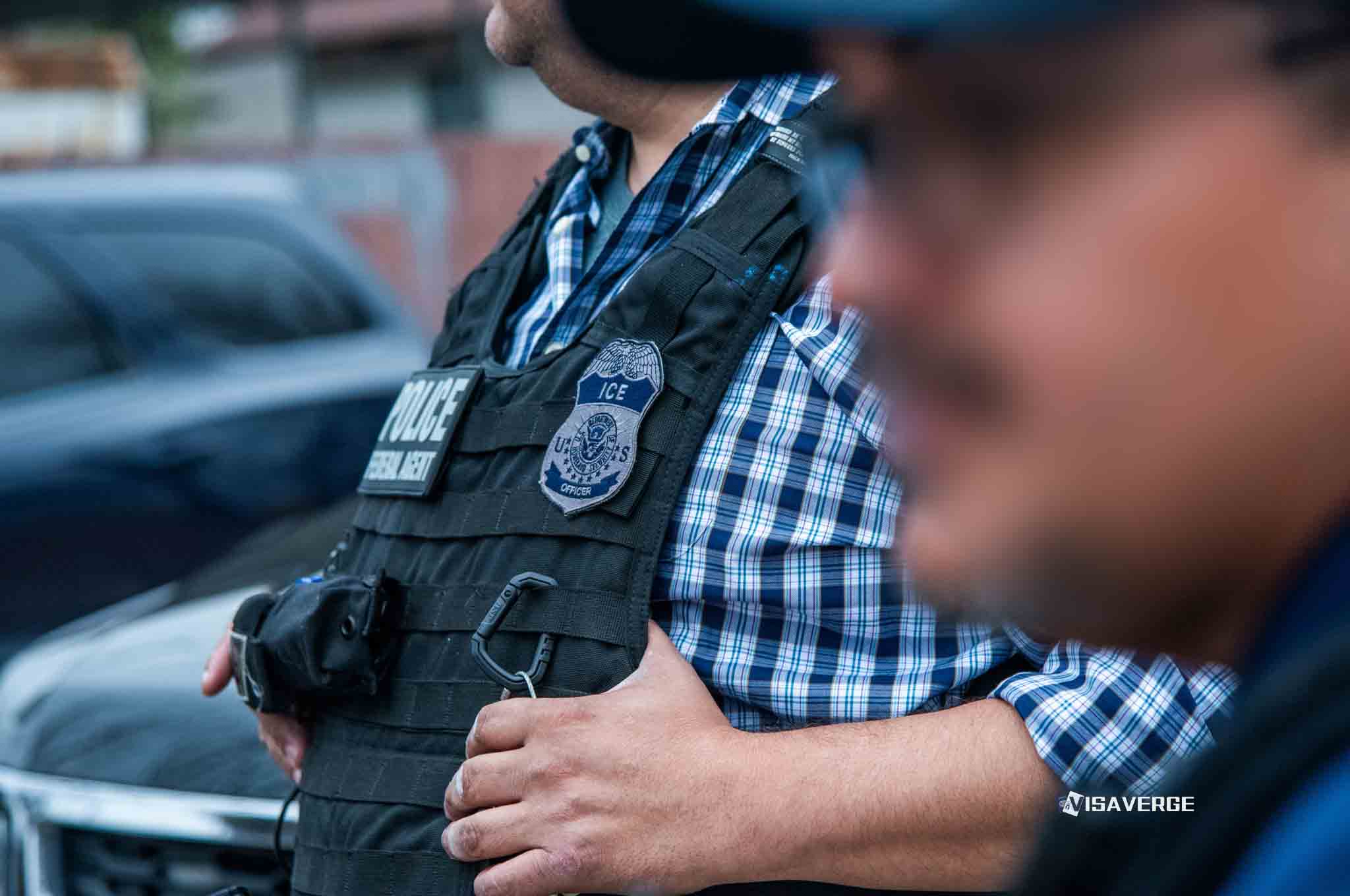
Federal filings and law-enforcement statements described Patel as an intermediary in a Louisiana scheme that prosecutors said relied on fabricated police reports, false crime-victim claims and supporting documents submitted in U-visa applications. U.S. authorities also alleged that current or former law-enforcement officials helped generate or authenticate false records tied to the filings.
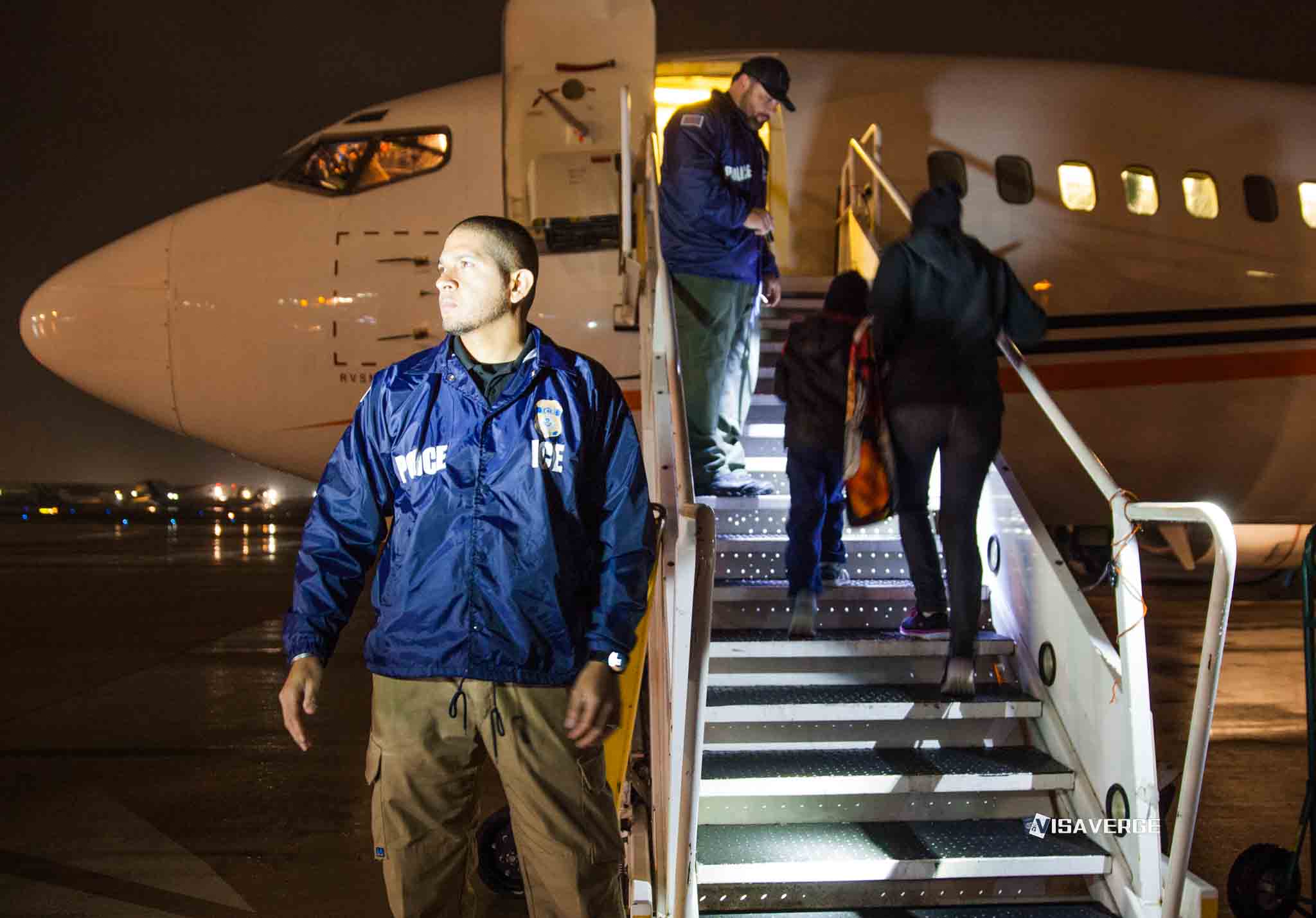
The case has drawn attention inside Indian communities in the United States because public reports have repeatedly linked U-visa fraud schemes to Indian applicants, including Gujarati networks. It also shows how a guilty plea in criminal court can carry immigration consequences that last well beyond any sentence.
The U visa is a humanitarian immigration benefit for victims of certain qualifying crimes who have suffered substantial physical or mental abuse and are helpful to law enforcement in detecting, investigating or prosecuting the crime. Congress created it to encourage victims to report serious crimes without fear that cooperating with police would automatically expose them to immigration enforcement.
That benefit can provide lawful status, work authorization and a possible path to lawful permanent residence if the legal requirements are met. It depends on truthful facts, a real qualifying crime and proper law-enforcement certification.
A false police report or fake certification can turn an immigration filing into a criminal case. Federal authorities said the Louisiana scheme did exactly that, with individuals allegedly paying thousands of dollars to be named as victims in robberies that did not occur.
According to the indictment, false police reports were created and law-enforcement certification documents were then used to support U-visa applications. Authorities alleged that officials were paid to generate or authenticate those false reports and related certification documents.
Patel’s case shows how the criminal and immigration systems intersect but do not move in lockstep. A plea that appears manageable in criminal court can trigger removal proceedings, detention or future bars to relief under immigration law.
Some convictions make a noncitizen removable. Fraud, money laundering, crimes involving moral turpitude, aggravated felony classifications and document-fraud-related offences can all carry severe immigration consequences, depending on the statute, sentence, loss amount and facts of the case.
That means a person can complete a criminal sentence and still face immigration detention or removal afterward. Courts and lawyers often discuss immigration consequences during plea negotiations involving noncitizens, but the final immigration outcome is often handled in a separate forum.
The public focus in cases like this often falls first on facilitators or corrupt officials. Applicants who knowingly took part in a false claim can also face denials, investigations and removal.
A person who paid to be listed as a fake crime victim may be accused of submitting false statements, using fraudulent documents, misrepresenting material facts or trying to obtain an immigration benefit by fraud. Even without criminal charges, USCIS may deny the application, issue a notice of intent to deny, refer the case for investigation or place the person in removal proceedings, depending on immigration status and the facts.
Fraud can also follow an applicant long after one filing. A finding of willful misrepresentation can affect future visa applications, adjustment of status, green-card processing, naturalization and waivers.
Pressure inside Indian immigrant communities helps explain why schemes like this can attract interest. Many Indians in the United States face long waits in employment-based green-card categories, while others are undocumented, out of status or dependent on temporary visas, conditions that create demand for shortcuts promised by agents, middlemen and community brokers.
The warning signs are blunt. “You can get status if we create a police report.” “You only need to say you were robbed.” “The police officer will certify it.” “This is safe because others have done it.” “You do not need to know the details.” “This will lead to a green card.”
Those claims do not match how the U-visa process works. A real case starts with a real qualifying crime, real victimization, real cooperation with law enforcement and truthful evidence.
Some applicants wrongly believe a signed law-enforcement certification makes a case safe. It does not. USCIS still reviews eligibility and can examine the facts, records, credibility, timing, supporting evidence and fraud indicators even after a police department signs a certification.
A signed Form I-918 Supplement B does not protect an applicant who knew a crime report was fabricated. It also does not guarantee approval if federal authorities later determine that the report or certification was false.
Genuine victims still have reason to seek protection. The U visa remains available for people who were actually harmed by qualifying crimes and who help law enforcement investigate or prosecute those crimes.
Truthful cases are built on records that match the facts. Police reports, medical records, protection orders, photographs, text messages, witness statements, court records, counselling records and documentation showing cooperation with law enforcement are examples of evidence that may support a legitimate filing.
Real victims should also seek legal help from a qualified immigration lawyer or accredited representative rather than anyone offering to create a crime story or manufacture documents. A lawful case depends on actual events and actual records, not a script supplied by a broker.
People who already filed a false U-visa case face a different problem. They should collect the full filing record, including police reports, certifications, personal statements, USCIS receipts, notices, attorney or agent communications and payment records, and then seek independent immigration and criminal-law advice before contacting USCIS or withdrawing the case.
That step matters because the response can change with the posture of the case. A pending filing, an approved case, a denial or a matter tied to a criminal inquiry each carries different exposure, and a careless explanation can create new problems if it adds more false statements.
Submitting more false evidence is likely to deepen the risk rather than repair it. Fraud findings can spread across later applications and become part of a person’s immigration history.
Patterns also offer a simple way to spot a scam. Demands for money to place a name in a police report, promises of guaranteed approval, claims that a crime can be arranged, instructions to memorize a false story, pressure not to speak to an independent lawyer, cash-only payments, no written fee agreement, refusal to provide copies of filings and fake addresses all point in the same direction.
So do boasts that hundreds of people have succeeded the same way or instructions not to answer questions truthfully at interviews. A legitimate U-visa process is fact-based, document-based and legally explained. It does not depend on an invented crime.
The Louisiana case involving a Gujarati-origin businessman is now a warning for immigrants, agents and intermediaries who see fabricated victim claims as a route to legal status. The U visa remains a protection for genuine victims of serious crimes, but false documents and fake police reports can turn that protection into criminal charges, deportation and lasting immigration damage.