- A Kenyan family is investigating a missing relative’s diversity visa status after ten years of disappearance in the U.S.
- Diversity visa eligibility expires on September 30 of the fiscal year, regardless of selection history or delays.
- Relatives must establish if the principal selectee attained residency to determine if any derivative immigration benefits remain valid.
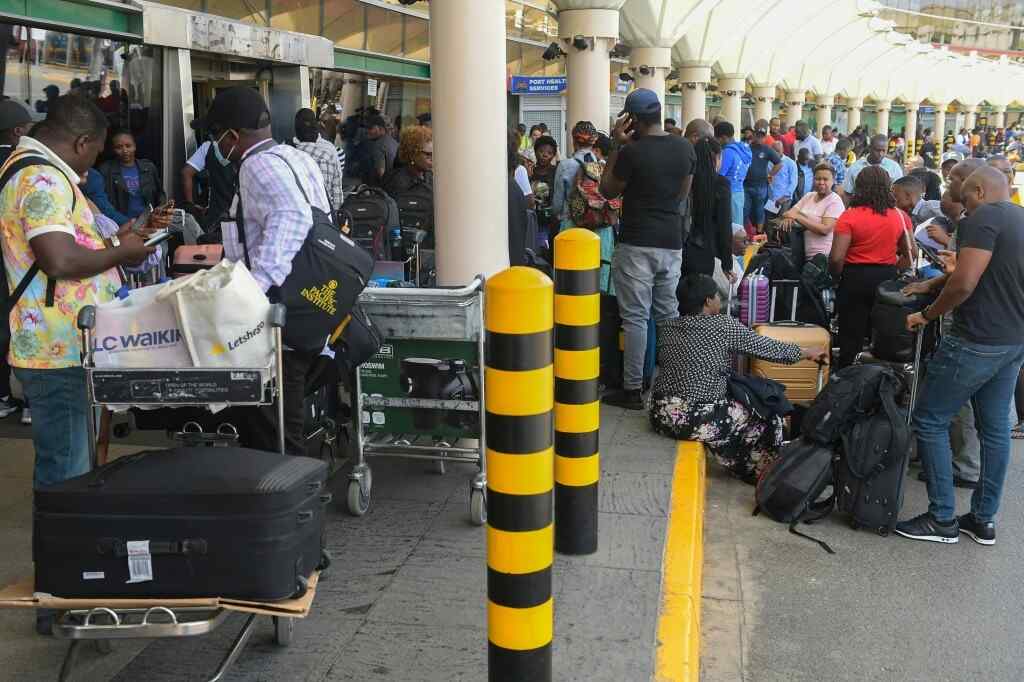
A Kenyan family has spent more than 10 years waiting for a Diversity Visa winner who disappeared in the United States, leaving relatives to determine whether his immigration case ever reached completion.
The September 30, 2026 cutoff now looms over any open DV-2026 visa case. Diversity visas must be issued, or adjustment of status must be completed, by the end of the relevant fiscal year. Unused visa numbers do not carry forward.
The family’s legal position turns on records that may be difficult to obtain. They need to establish whether the winner received a visa, entered the United States or adjusted status before the applicable deadline.
Time alone does not preserve the benefit. A selection in the Kenyan DV lottery does not create a continuing right to immigrate after the program year ends.
The winner’s immigration record determines what relatives can claim
If the principal selectee never completed consular processing or adjustment of status, relatives generally cannot take over the case later simply because he was selected. The family usually would need to qualify through another immigration category.
That could include a separate family-based petition, employment-based sponsorship or another qualifying basis. Each route has its own eligibility requirements and procedures.
A different analysis applies if the winner became a permanent resident. His spouse and unmarried children under 21 may have been eligible as derivatives, but only if they were included and remained eligible during the same DV cycle.
The family must therefore answer two questions. Did the winner complete the case, and were the relatives properly included before the deadline?
A long absence can create separate problems for a permanent resident
If the missing Kenyan became a permanent resident but stayed outside the United States for years, his absence could raise abandonment-of-residence or admissibility issues. Those questions are separate from the diversity-visa deadline.
A later determination that he abandoned residence would not revive expired eligibility for relatives. The end of the DV program year remains the controlling deadline for that benefit.
The principal’s status also affects the evidence the family should seek. Consular records, entry information and adjustment records may show whether the case reached issuance or approval.
A 2026 pause does not extend the fiscal-year cutoff
Reports from June and July 2026 described a pause affecting the diversity-visa program. USCIS placed a hold on pending DV-based adjustment cases, while the State Department paused visa issuance.
The pause affects selectees with open cases. It does not replace the statutory cutoff for a particular fiscal year.
That leaves applicants facing a narrow window. A case that remains unresolved when the fiscal year closes generally cannot use unused visa numbers later.
Relatives may need a different immigration route
The family’s next step depends on the winner’s history and the year of selection:
- Confirm whether he ever received a diversity visa.
- Determine whether he entered the United States after issuance.
- Check whether he adjusted status inside the country.
- Identify the DV fiscal year involved.
- Establish whether a spouse or child appeared in the original entry.
Those details can separate an unfinished DV case from a completed permanent-residence case. They can also determine whether a family-based, employment-based or other immigration option should be examined.
The diversity-visa authority appears in 8 U.S.C. § 1153(c). Derivative eligibility generally covers a spouse and unmarried children under 21, subject to the program’s timing and eligibility rules.
The family’s decade-long search therefore does not, by itself, preserve the original selection. The most urgent record is the winner’s immigration history before September 30, 2026.
This article provides general information and is not legal advice. Consult a qualified immigration attorney about your specific case.