- The U.S. government reduced the visa limit to fifty-one thousand eight hundred fifty for fiscal year twenty twenty-six.
- A nationwide processing pause remains in effect as authorities review screening and vetting protocols.
- Selected applicants must receive their visas before September thirtieth or lose their eligibility permanently.
(UNITED STATES) — The U.S. government set the Fiscal Year 2026 Diversity Visa limit at approximately 51,850 and kept in place a months-long halt on new diversity visa issuances, narrowing the path for selectees as the program moves toward its annual deadline.
The reduced ceiling cuts below the statutory 55,000 visas allocated to the U.S. Diversity Visa program. The June 2026 Visa Bulletin and the DV-2026 Selected Entrants notice tied the lower figure to deductions required under the Nicaraguan and Central American Relief Act, or NACARA, and Section 5104 of the National Defense Authorization Act for Fiscal Year 2024.
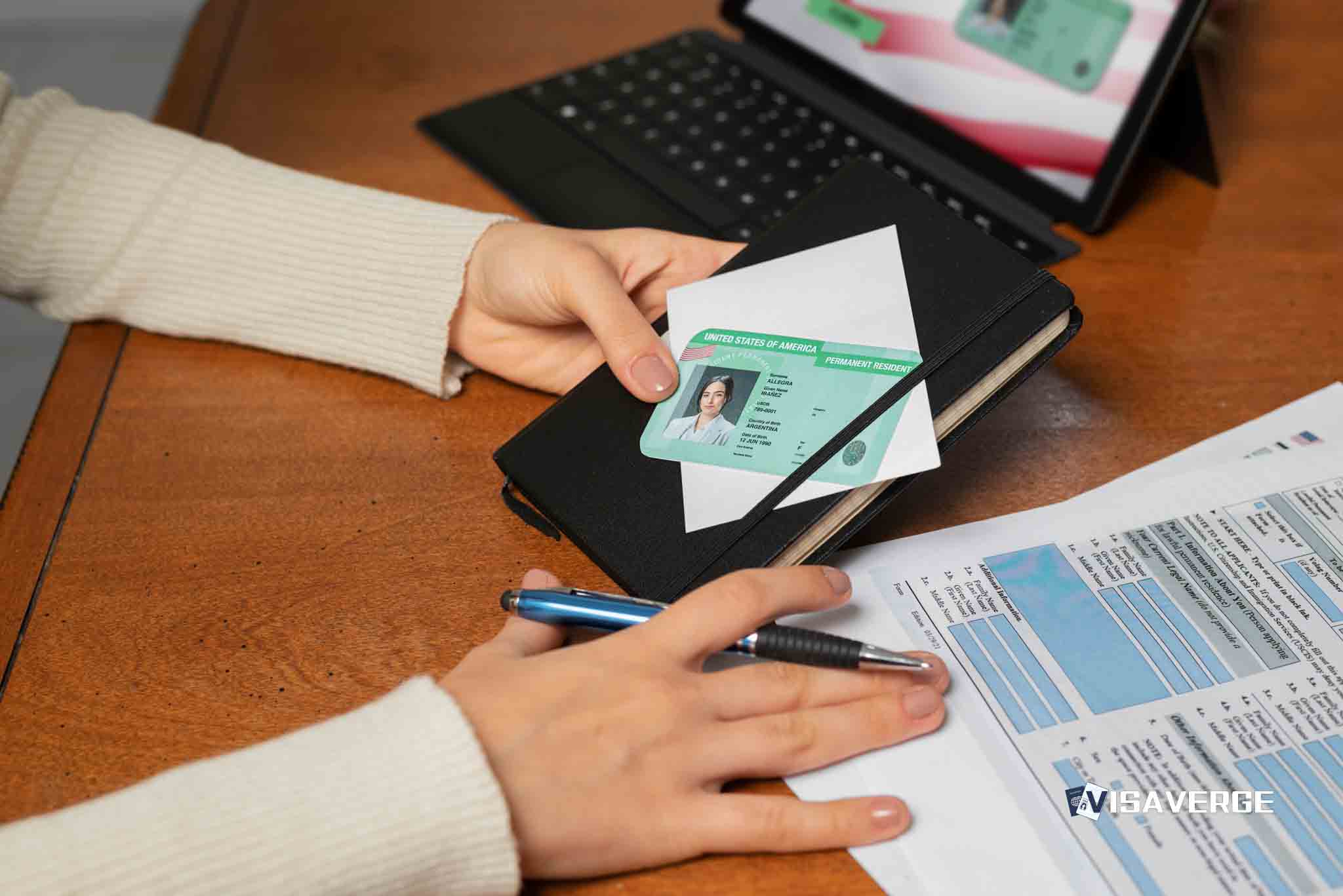
Those figures arrived while the program remained largely frozen in practice. Visa issuances have been paused since December 18, 2025, and as of June 2026 no new diversity visas were being issued at embassies, while USCIS was not approving DV-based adjustment applications filed through Form I-485.
The State Department announced the suspension in a statement issued on December 18, 2025: “Effective immediately, the Department of State has paused all visa issuances to diversity immigrant visa applicants. this pause will allow the Department to undertake a review of the screening and vetting protocols in the DV program.”
Secretary of Homeland Security Kristi Noem also ordered USCIS to halt DV-based adjustment-of-status applications. She said the move was intended to “ensure no more Americans are harmed by this program” after a security review of the system’s safeguards.
That combination has altered the usual timetable for winners of the annual lottery, one of the few U.S. immigration channels designed to diversify the countries of origin of new permanent residents. In a normal year, selectees move through consular interviews abroad or adjustment processing inside the United States before the fiscal year closes.
This year, the formal machinery has continued in part while the final step has not. Applicants may still attend interviews, but visa officers are not issuing new diversity visas, leaving many selected entrants in a holding pattern with the calendar still running.
The annual cutoff matters because diversity visa eligibility does not carry over. For the DV-2026 cohort, eligibility expires on September 30, 2026; any selectee who has not received a visa by that date loses the chance entirely.
The number cap adds a second pressure point. Even without a processing suspension, the annual visa cap already limits how many selected entrants can receive visas in a given fiscal year, and the revised 51,850 figure leaves fewer numbers available than the headline statutory total of 55,000.
State Department statistics for June 2026 showed the regional cutoffs that usually guide case movement. Africa stood at 55,000, except Algeria at 37,000 and Egypt at 30,000; Asia stood at 35,000, except Nepal at 11,000; Europe stood at 20,000; and South America stood at 3,000.
Those regional numbers normally signal which case numbers are current for interview scheduling and final adjudication. This year they coexist with a suspension that has blocked actual issuances, creating a mismatch between administrative movement on paper and final approvals in the field.
The government has also rewritten the rules for the next cycle. On March 11, 2026, the State Department published a final rule, effective April 10, 2026, reinstating the passport requirement for future entries.
Applicants in the DV-2027 cycle must possess a valid, unexpired passport at the time of entry and upload a digital scan of the biographic page. Failure to provide that information results in automatic disqualification.
The State Department said the change would “improve the integrity of the program and reduce opportunities for fraud.” The passport requirement marks a return to a stricter documentation threshold at the very start of the lottery process, before any applicant reaches interview or immigrant visa review.
The government also delayed registration dates for the DV-2027 program while it finalized new security protocols and the $1 registration fee system. Registration for the lottery typically opens in October, and the shift pushed back a timetable that many prospective applicants watch closely each year.
The overlap between the DV-2026 freeze and the revised DV-2027 rules has reshaped immigration timelines on two fronts at once. Selected entrants from one cycle face a closing window to use a visa number, while applicants for the next cycle encounter new documentary requirements before they can submit an entry.
In practical terms, the U.S. Diversity Visa program now operates under tighter numerical and procedural limits than the annual statute alone suggests. The annual visa cap for Fiscal Year 2026 remains approximately 51,850, not 55,000, and the processing pause that began in December has left that smaller pool unavailable to new issuances through June.
The consequences are sharpest for those already selected. A lottery win does not guarantee a visa, and a current case number does not guarantee one either if adjudications stay suspended and the fiscal year ends before the government resumes approvals.
That deadline is now fixed in the program calendar. On September 30, 2026, eligibility for the DV-2026 program ends, closing the door on any selectee still waiting for a visa number to turn into an issued immigrant visa.