- The Trump administration implemented a mid-December 2025 processing pause and stricter rules for the Diversity Visa Program.
- New regulations effective April 10, 2026, introduce passport requirements and lottery fees for all future applicants.
- Current DV-2026 winners must complete all processing steps before the September 30, 2026 deadline or lose their visas.
President Trump’s administration has kept the U.S. Diversity Visa (DV) Program operating while imposing a mid-December 2025 processing pause and new rules that take effect on April 10, 2026, leaving many applicants facing delays that can outlast the program’s strict deadlines.
The program, widely known as the Green Card Lottery, still exists because Congress created it in law, and the president cannot end it alone. But the administration’s halt in adjudications and tighter entry rules have created a de facto slowdown for people already selected.
That pressure matters because the program runs on a fixed calendar. Once the fiscal year ends, unused visas disappear, and delays can become permanent losses for applicants who do not finish in time.
Free toolCSPA Age-Out Calculator OnlineHow the Diversity Visa Program Works
Congress established the Diversity Visa Program in the Immigration Act of 1990 to promote immigration from countries with historically low U.S. migration to the United States. The law provides for 55,000 immigrant visas annually under Section 203(c) of the Immigration and Nationality Act.
To qualify, applicants must be born in an eligible country and have either a high school diploma, or equivalent, or two years of work experience in the past five years in an occupation that needs at least two years of training. Countries become ineligible when they have sent more than 50,000 immigrants to the United States in the prior five years.
Recent ineligible countries included Cuba, China, India and Mexico, among others. The list changes each year.
The annual registration period is free and usually opens in early October and closes in early November. For DV-2026, registration ran from October 2, 2024, to November 7, 2024, after officials extended it by two days because of high demand.
Results for that cycle became available on May 3, 2025, through the Entrant Status Check at dvprogram.state.gov, and they remain accessible until at least September 30, 2026. Selection does not guarantee a visa.
Roughly 125,000 entrants are selected so the government can account for dropouts and still try to use the full annual allotment. Applicants must still file DS-260 forms, attend interviews, complete medical exams and satisfy all requirements before the fiscal-year deadline.
For DV-2026, that deadline is September 30, 2026. Unused visas do not roll over.
Case numbers control the order of processing, and the State Department publishes those numbers each month in the Visa Bulletin beginning in September 2025 for DV-2026. Lower numbers go first, and each country faces a 7% cap.
Trump Administration Disruptions
The Trump administration added new disruptions in its second term. In October 2025, the DV-2027 lottery did not open on schedule, an early sign that the administration was narrowing access to the program.
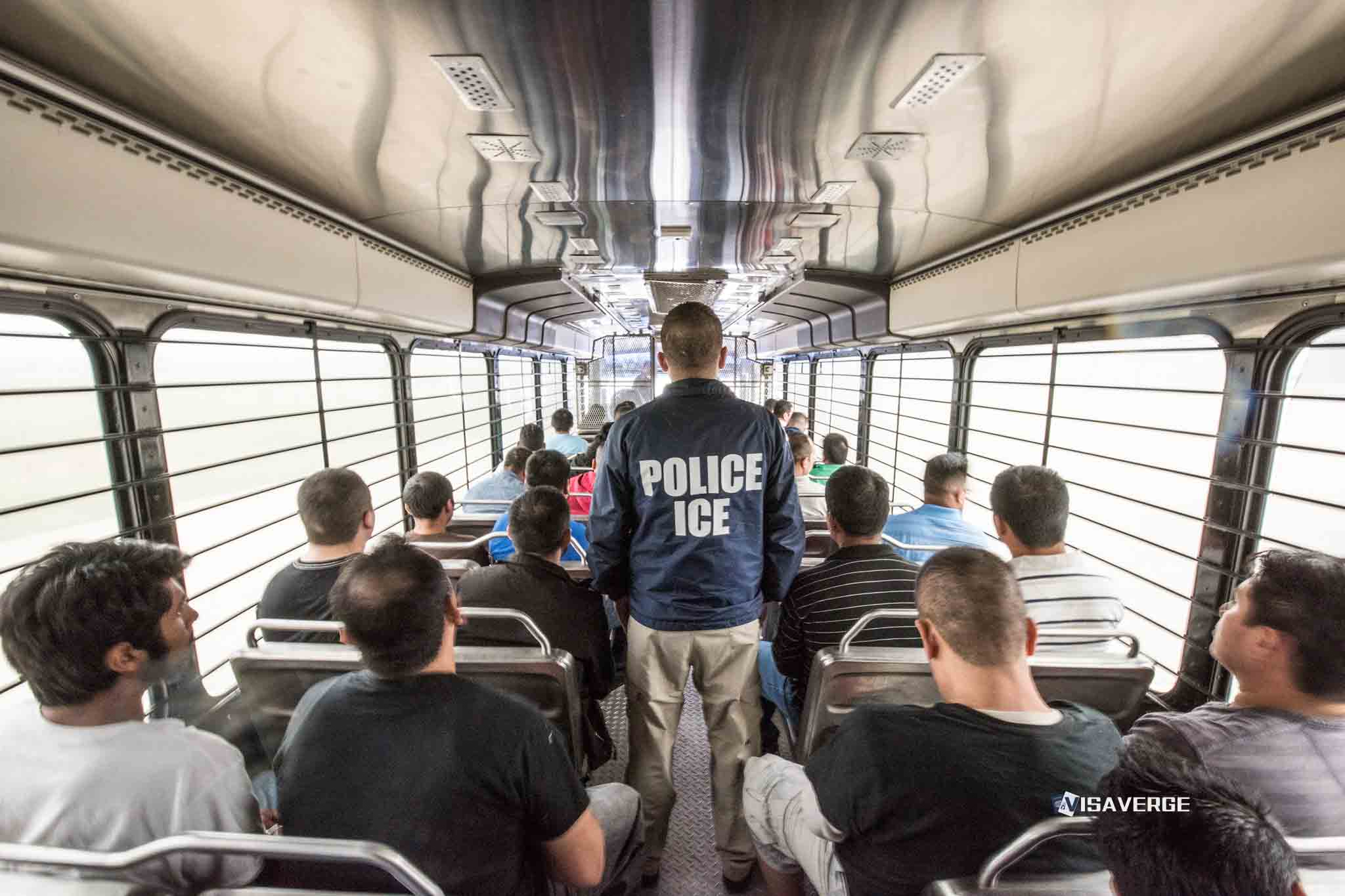
A larger break came in mid-December 2025. After a Brown University shooting suspect was reportedly tied to the program, the Department of Homeland Security directed USCIS to halt DV adjudications on December 18-19, 2025.
That pause affects DV-2026 selectees waiting for interviews or adjustment processing, as well as late DV-2025 cases. Appointments already scheduled before the halt continue, but no new processing moves forward.
Because Diversity Visa cases expire at the end of the fiscal year, even a temporary halt can shut people out if the government does not resume adjudications in time. That is why the pause functions as a de facto shutdown for some applicants, despite the program’s continued existence.
New Rules for Future Applicants
The administration also moved to tighten the rules for future applicants. On November 5, 2025, the State Department announced changes for DV-2027, though it did not initially spell them out.
Those final rules now take effect on April 10, 2026. They add passport requirements at entry, a lottery fee, and broader personal information requirements.
Exemptions may apply for some applicants. No firm reopening date has been set for DV-2027 after post-pause “radio silence.”
Those changes echo restrictions from Trump’s first term, including passport mandates that supporters framed as anti-fraud measures and critics said would burden low-income applicants. They also fit the administration’s wider push toward merit-based immigration.
Project 2025 recommendations call for the government to “end the Diversity Visa Lottery” because it does not focus on skills. The same broader agenda targets employment visas, including H-1B restrictions, higher requests for evidence and denials, cuts to OPT, biometrics for dependents and “extreme vetting,” all of which lengthen waiting times.
Trump has long criticized the program. He labeled it the “Democrat Lottery” and tied it to security risks.
Why the Program Cannot Be Ended by Executive Action Alone
Even so, eliminating the program outright would require Congress to amend or repeal the law. Executive action can slow processing, raise barriers and tighten rules, but it cannot erase the statutory requirement to issue 55,000 visas each year unless lawmakers act.
That distinction is central to what applicants face now. A president can choke off access through delays and procedures, but permanent elimination requires legislation.
Past efforts to end the program failed because of bipartisan support and legal hurdles. A divided Congress complicates reforms, even as Trump allies back merit-based proposals that prioritize education, skills and economic contributions.
Courts have already shaped how much relief applicants can expect when processing stalls. During Trump’s first term, Proclamation 10014 suspended Diversity Visa processing for 10 months in 2020 during COVID-19 and affected about 50,000 FY2020 visas.
A June 2024 ruling by the D.C. Circuit upheld the deadlines, blocking late issuances for FY2020 and FY2021 selectees. The FY2024 program also ended on September 30, 2024, as required by statute.
That history hangs over current applicants. Once the fiscal-year deadline passes, legal victories may do little if no visas remain available to issue.
What DV-2026 Selectees Need to Do
For DV-2026 selectees, the immediate task is procedural and time-sensitive. They need to check their status through Entrant Status Check, file DS-260 forms quickly if eligible, follow the Visa Bulletin for their case numbers and prepare supporting documents such as passports, medical exam results and police certificates.
Applicants already in the United States face the same calendar pressure. Adjustment cases must finish by September 30, 2026.
Applicants abroad face a similar deadline if visa numbers remain available. More than 125,000 selected entrants are competing for 55,000 immigrant visas annually, and the system depends on attrition to reach the full allotment.
People hoping to enter DV-2027 face a different problem: they are still waiting for a reopening date. If selected, their application window remains October 1, 2026, to September 30, 2027, but the front end of the process has become more restrictive.
They should expect fees, passport requirements and tighter data demands under the new rules. People not selected in earlier years may enter again.
Travel bans, resource cuts and vetting delays could stretch waits further. The pause has disrupted migration flows from Africa, the Caribbean and Asia, where the program fills labor gaps despite criticism from opponents.
Fraud Risks and Applicant Warnings
Fraud risks rise when official processing slows. Scammers send fake selection emails and demand money, but official notifications come only through Entrant Status Check.
“Official notifications come only via Entrant Status Check; no emails, calls, or payments required.” Applicants are told to save their confirmation numbers and report fraud to the State Department.
Heavy traffic at the end of registration periods has also crashed sites in previous cycles. That makes early action important for future applicants once the next registration window opens.
Broader Immigration Debate
The administration’s changes to the Diversity Visa Program sit inside a broader overhaul of legal immigration. Trump’s “America First” approach also targets family-based categories such as siblings and adult children, as well as H-1B offsite work and STEM OPT, while favoring points-based systems.
Supporters of that approach argue it brings economic benefits. Critics warn that cutting back the Green Card Lottery and related pathways could deepen labor shortages in lower-wage sectors and reduce the diversity the program was designed to promote.
DV recipients often integrate as entrepreneurs and community contributors. Ending or shrinking the program would cut off underrepresented nations from one of the few direct paths to permanent residence.
For now, though, the program survives in law and remains active in form, even as executive action slows it in practice. That leaves applicants with a narrow path: watch the official system closely, keep documents ready, and move quickly if processing resumes.
The tension at the center of the program remains unchanged. Congress still mandates 55,000 immigrant visas annually, but the administration’s pause, new fees and stricter entry requirements have turned the Green Card Lottery into a race against time for many selectees before September 30, 2026 closes the door.