- The House ended the 76-day shutdown by passing a Senate-backed funding bill on April 30, 2026.
- The measure excludes ICE and Border Patrol, leaving the most contentious immigration enforcement disputes for future negotiations.
- Operations for TSA, USCIS, and FEMA resume immediately, including vital World Cup soccer security preparations.
(U.S.) — The House passed a Senate-backed bill on April 30, 2026, ending the 76-day DHS shutdown that began February 14, 2026 and restoring funding for most of the department through September 30, 2026.
The measure funds all DHS components except ICE and Border Patrol, allowing agencies across the department to return to regular operations while leaving the sharpest immigration enforcement disputes for another fight.
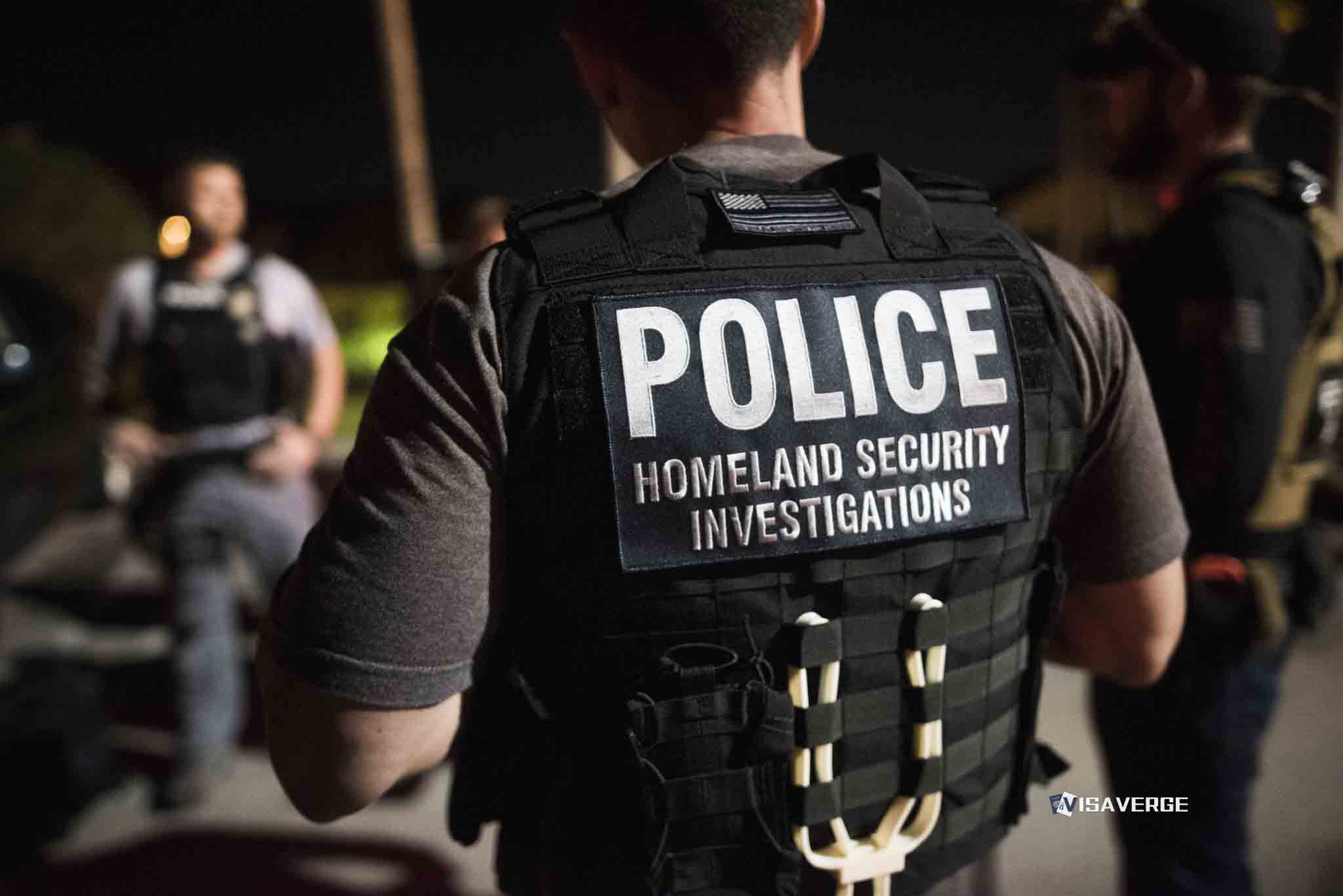
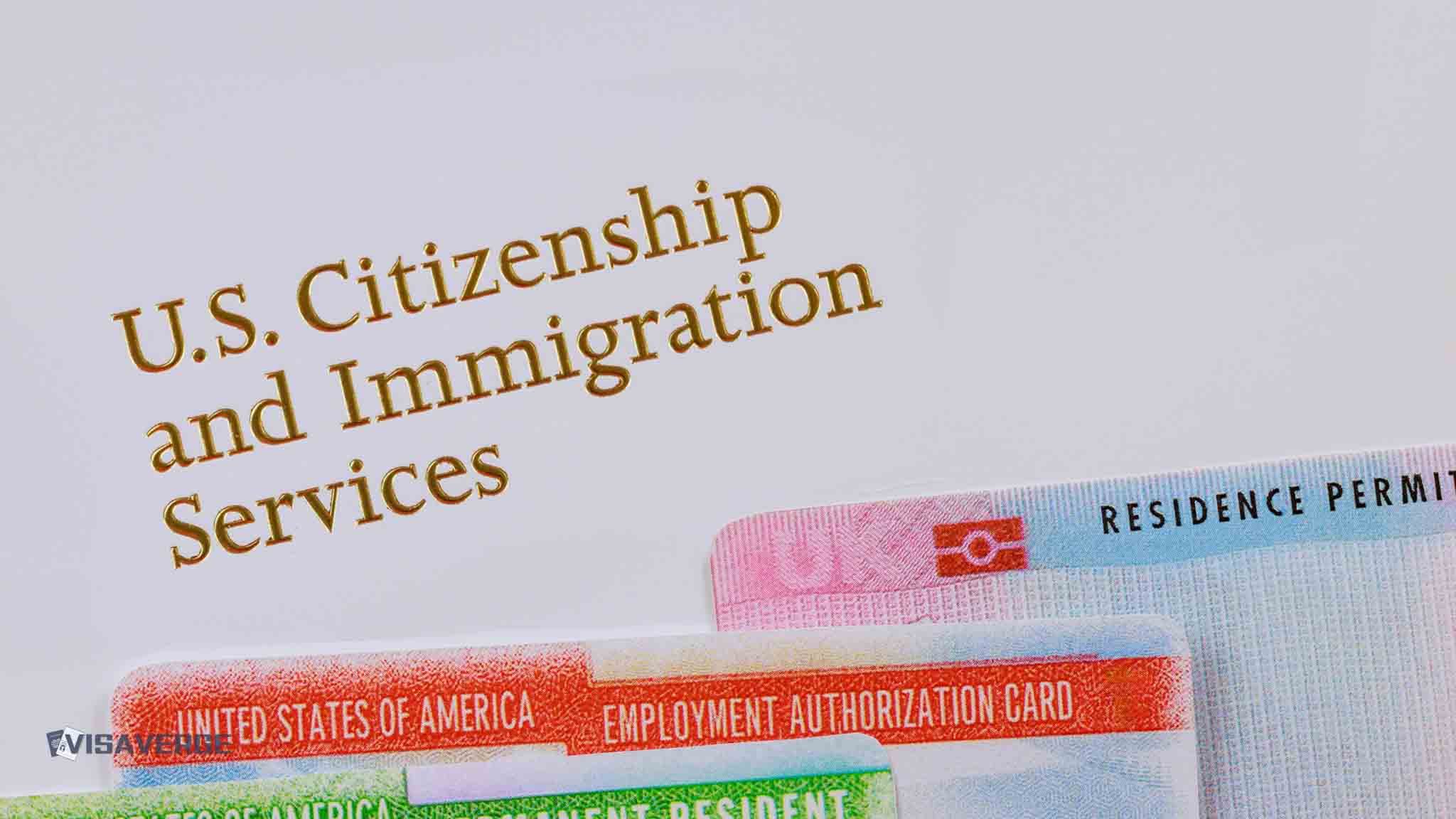
Staffing now resumes at full levels at USCIS, CBP, excluding Border Patrol, TSA, FEMA, the U.S. Coast Guard, the U.S. Secret Service and CISA. Normal operations also resume for USCIS biometrics, interviews, premium processing for employment petitions, Global Entry enrollment, airport staffing and TSA screening.
Preparations for World Cup soccer games in U.S. cities this summer also restart after the shutdown halted that work. Pay and benefits return on a regular basis for affected DHS employees, building on executive orders President Trump issued in March and April.
The House acted after the Senate approved the bill on March 27. Speaker Mike Johnson delayed House action before Thursday’s voice vote sent the measure to the next step in the process.
No immediate presidential signature details were confirmed at the time of reporting. Operations resume upon enactment.
The funding measure is a continuing resolution, not a full settlement of the budget and policy fight that shut down parts of the department for more than two months. Lawmakers left unresolved the immigration enforcement disputes that blocked broader agreement earlier in 2026.
Those disputes center on reforms tied to enforcement tactics. Democratic demands in the negotiations included barring masks for officers and requiring judicial warrants.
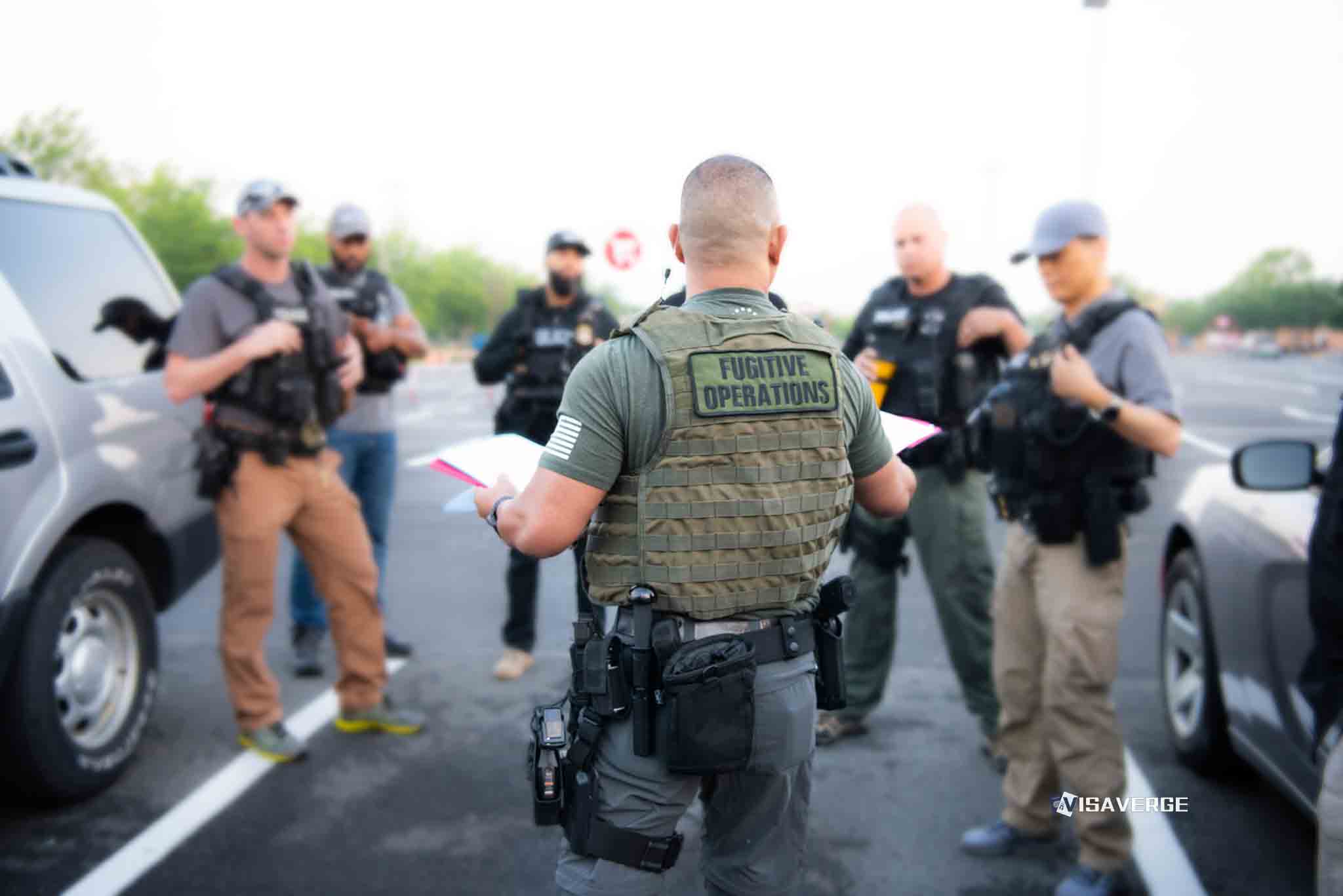
ICE and Border Patrol, which covers CBP border operations, remain outside this package. Their operations continue to rely on separate funding from the 2025 One Big Beautiful Bill Act, which provided $45 billion for ICE detention and operations and $12 billion for CBP personnel.
That split arrangement ends the immediate DHS shutdown for most of the department while preserving a separate funding track for the two agencies at the center of the immigration debate. Long-term DHS budget negotiations continue.
The shutdown strained the workforce across the department. More than 100,000 DHS employees faced pay disruptions before recent memos and executive actions eased some of the pressure.
TSA absorbed one of the clearest staffing hits. Over 1,100 TSA agents quit during the shutdown, a loss that forced airport security operations to run under growing pressure as lawmakers argued over the bill.
Thursday’s measure is expected to steady those operations by returning regular staffing and pay. Airport checkpoints, screening lines and enrollment services that rely on TSA and CBP personnel now move back to normal schedules.
USCIS, which runs on fee-funded core processing, saw less damage than agencies dependent on annual appropriations. Even so, the return to full staffing restores services that applicants and employers had watched closely, including biometrics appointments, interviews and premium processing for employment petitions.
Global Entry enrollment also resumes as a regular function. So do operations across FEMA, the Coast Guard, the Secret Service and CISA, agencies that had worked through the shutdown with varying limits and staffing strains.
The measure also clears a problem with timing that had begun to affect summer planning. DHS components involved in security and logistics for the World Cup had halted preparations during the shutdown, leaving host-city work in limbo until Congress acted.
Restoring those preparations carries immediate consequences for interagency planning in cities expected to host matches this summer. Agencies can now return personnel to tasks tied to venue security, travel screening and emergency coordination.
Not every immigration-related function returns at the same pace. Immigration courts and E-Verify operated on a limited basis during the shutdown, reflecting the uneven effect of the funding lapse across systems that touch migrants, employers and federal agencies.
USCIS core processing stayed minimally impacted because of its fee-funded structure, but the broader immigration apparatus did not escape disruption. Limited court operations and restricted E-Verify service added to the backlog of work that agencies now must sort through as staffing returns.
Congress did not use the bill to settle those deeper questions. The continuing resolution keeps most of DHS open through the end of fiscal year 2026 while leaving the policy stalemate intact.
That stalemate has shaped negotiations for months. Immigration enforcement reforms, officer masking rules and judicial warrant requirements all remained live disputes as lawmakers tried to assemble a package that could pass both chambers.
House passage by voice vote showed how narrowly lawmakers defined Thursday’s task: end the shutdown for the broadest share of DHS and postpone the hardest arguments. The Senate-backed bill did that, but it did not erase the division over how immigration enforcement agencies should operate or how they should be funded.
The result is a department returning to work on two tracks. USCIS offices, TSA checkpoints, Global Entry centers and World Cup planning teams can restart normal operations immediately, while ICE and Border Patrol continue under the separate financial framework Congress created in 2025.
Employees across DHS now move out of shutdown conditions that had stretched from winter into late spring. The agencies left unfunded in this bill remain bound to the political fight that closed much of the department on February 14, 2026 and kept it there for 76 days.