- European carriers cut flights and raised fares as fuel prices surged 84% following the Iran war outbreak.
- Airlines are sourcing replacement fuel from the US and Nigeria as Middle East supplies drop toward zero.
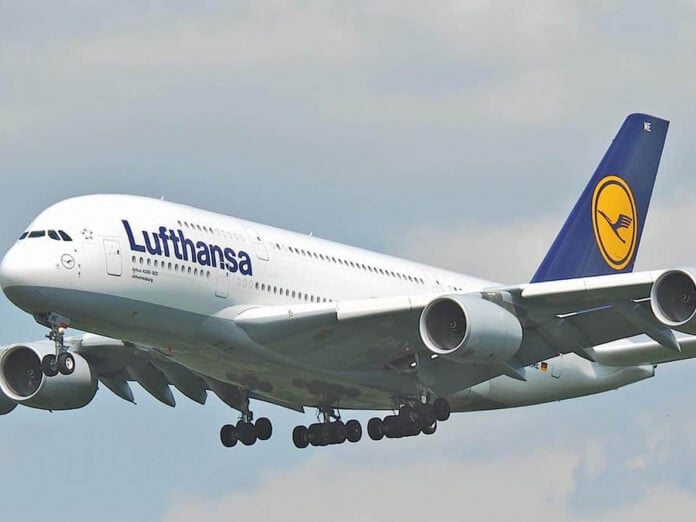
- Lufthansa announced cutting 20,000 flights through fall 2026 to manage escalating operational costs and supply risks.
(EUROPE) — European airlines cut flights, raised fares and warned on profits as the Iran war, which began on February 28, 2026, drove jet fuel prices up nearly 84% and disrupted supplies from the Middle East.
Carriers across the region are dealing with what the industry has described as its biggest challenge since COVID-19. Fuel costs have surged while airlines try to protect summer schedules in a market where passenger demand remains firm.

Europe imports about one-third of its jet fuel from the Middle East, and supplies from the region have fallen to nearly zero because of the war’s impact on the Strait of Hormuz. Airlines have turned to the United States and Nigeria for replacement cargoes.
Hedging has softened some of the immediate hit from higher prices, but those protections are starting to expire. As they roll off, carriers face more direct exposure to the higher market price for fuel.
Lufthansa announced cuts to 20,000 flights through fall 2026 to save on fuel. Rico Luman of ING Research called the move “massive” and said other airlines were likely to follow.
Luman pointed to KLM and Scandinavian Airlines as likely candidates for further reductions if the pressure on fuel markets persists. EasyJet and TUI have already issued profit warnings as higher fares and fears of disruption weigh on forward bookings.
Wizz Air said summer bookings remain strong, but Chief Executive Jozsef Varadi warned fuel prices were unlikely to fall quickly even if the war ends. Air France-KLM, IAG, which owns British Airways, and Lufthansa have all raised prices and cut capacity.
Persian Gulf carriers have also been hit. Their flights fell by 50% in March, while bookings for the second and third quarters dropped 42.5%.
The pressure comes from both supply disruption and price shock. Europe’s reliance on Middle East fuel has left the market exposed just as one of the world’s most important energy corridors has come under strain.
German Chancellor Friedrich Merz said jet fuel supplies are “secure for now,” but he said costs remain the main problem. That distinction has shaped the response from governments and airline executives, who are watching inventories closely while trying to avoid the kind of demand collapse that defined the pandemic period.
The European Union is considering releasing emergency stocks to cushion short-term supply risks. Any such step would aim to buy time for airlines and fuel distributors if disruption in the Strait continues into the peak summer travel season.
Fatih Birol, head of the International Energy Agency, called the crisis the “biggest energy security threat in history.” He said Europe had “maybe six weeks” of supplies last week, though inventories were being replenished, and urged reducing travel if needed.
Willie Walsh, IATA Director General, said there is a risk of rationing in Europe and Asia, though supply remains robust so far. He described the current shock as a “cost issue” rather than a collapse in demand, a distinction that has so far kept airlines focused on trimming capacity instead of pulling back wholesale.
That resilience in bookings has complicated airline decisions. Global passenger capacity is up nearly 2% from 2025, which means carriers are confronting rising operating costs at the same time the market is still pushing them to keep seats in the air.
Airlines have responded by trying to protect margins where they can. Fare increases have spread across major groups, and capacity cuts are being used to limit fuel burn on weaker routes while preserving aircraft for markets with stronger pricing power.
Lufthansa’s reduction of 20,000 flights stands out because of its scale and timing. The cuts run through fall 2026, suggesting the group does not expect a quick return to normal fuel economics even if supply chains stabilize.
Other operators face the same arithmetic. As hedges expire, the cost of each additional flight becomes harder to justify on routes where consumers resist higher ticket prices or where operational risk tied to the conflict has made travelers more cautious.
EasyJet and TUI have already warned that higher fares and fears of disruption are hurting future demand. Wizz Air has presented a more mixed picture, citing strong summer bookings while acknowledging that fuel prices are unlikely to revert quickly.
Air France-KLM and IAG have taken a similar path to Lufthansa by raising prices and reducing capacity. The measures show how broadly the fuel shock has spread through Europe’s aviation market, from low-cost operators to the continent’s largest network carriers.
The market outlook now rests heavily on the Strait of Hormuz and on diplomacy around the war. A prolonged closure of the waterway, or failed peace talks, would raise the risk of shortages, cancellations and grounded aircraft through the summer.
Emergency stock releases from the EU could reduce immediate supply pressure, but they would not solve the core cost problem if market prices stay elevated. As long as replacement fuel has to come from farther away, including the United States and Nigeria, airlines still face a more expensive supply chain.
That leaves Europe’s carriers in a position familiar from past crises, though the mechanics are different this time. Demand is still there, planes are available, and schedules remain fuller than they were during COVID, but the fuel bill has changed the economics underneath them.
Birol’s warning about energy security, Merz’s insistence that supplies are “secure for now,” and Walsh’s caution over rationing all point to the same immediate reality: the continent has not run out of fuel, but its airlines are paying far more for it. With summer approaching and global capacity still running above last year, the industry’s next moves are likely to be measured not in new routes added, but in flights quietly cut from the timetable.