- India’s aviation regulator issued a formal warning to IndiGo for breaching temporary domestic airfare caps.
- The airline refunded all excess charges to passengers, avoiding financial penalties or operational restrictions in April 2026.
- Government fare controls stabilized exploitative pricing during crew shortages before market rates were restored in March.
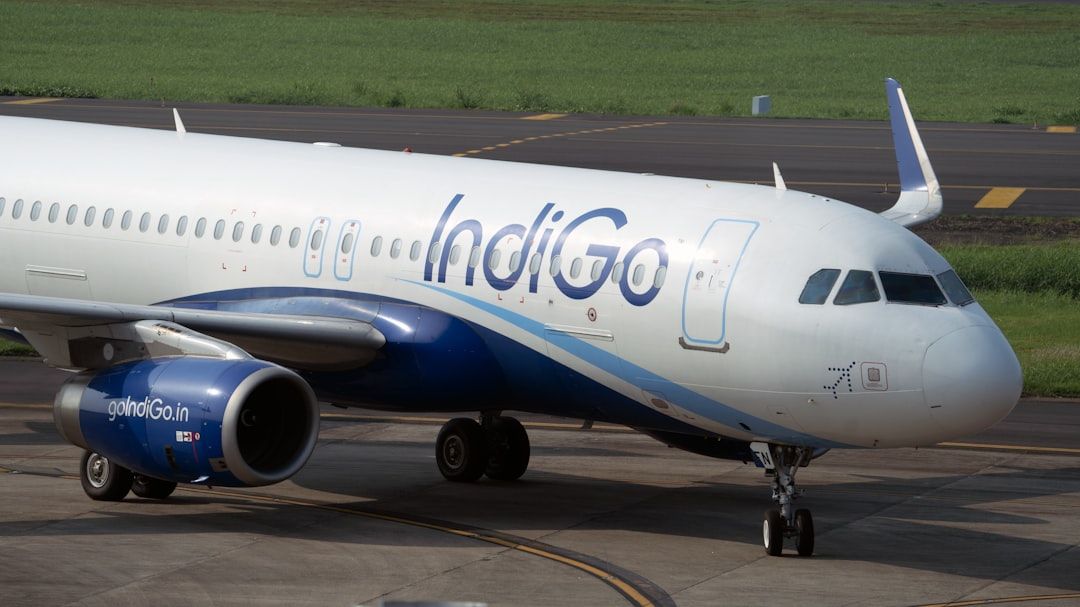
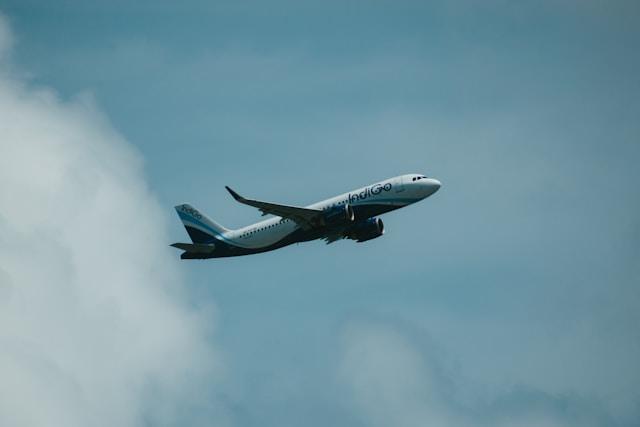
(INDIA) – India’s Directorate General of Civil Aviation issued a warning letter to IndiGo Airlines on April 21, 2026, citing non-compliance with temporary domestic airfare caps that the government had imposed on domestic routes in December 2025.
InterGlobe Aviation, the parent company of IndiGo Airlines, disclosed the warning in a stock exchange filing on April 23, 2026. The company said the disclosure came later because of an internal communication lag.
The warning did not carry penalties, restrictions or sanctions. IndiGo said it had completed refunds of excess amounts charged to affected passengers, and the carrier reported no significant impact on its financials, operations or other activities.
The caps had been introduced by the Ministry of Civil Aviation during a period of disruption at IndiGo, when crew shortages and new DGCA pilot rest norms strained operations. Those problems fed mass cancellations and sharp fare jumps on some routes.
During that period, fares climbed as high as ₹80,000 on routes such as Delhi-Bengaluru and Mumbai-Kolkata. The government brought in airfare caps to curb what it described as exploitative pricing.
Officials framed the temporary limits as a consumer-protection measure. The caps were meant to shield passengers, including senior citizens and students, from fare surges running 3-10 times normal levels.
IndiGo’s disclosure shows the regulator treated the breach as a compliance matter rather than a case demanding immediate punishment. DGCA acknowledged the airline’s corrective steps, including the refunds, while telling the carrier to exercise due caution and ensure strict adherence to future government orders.
That sequence matters for the airline because the episode closed without a hit to flights or finances, at least on the company’s account. It also left on record a formal warning from the country’s civil aviation regulator at a time when IndiGo remains the dominant name in India’s domestic market.
The timetable was compressed. The Ministry of Civil Aviation imposed the airfare caps in December 2025, the controls stayed in place until March 23, 2026, and DGCA sent its warning less than a month later on April 21, 2026.
By March 23, 2026, the government had lifted the caps and returned the market to normal pricing. Even then, officials warned airlines to keep fares reasonable and transparent and said excessive hikes during emergencies could invite strict action.
That shift restored market-based pricing but did not erase the episode that triggered the controls. The cap period exposed how quickly domestic fares could spike when a large carrier faces operational stress and seat supply tightens on busy corridors.
IndiGo’s case also shows the way the regulator handled the balance between enforcement and remediation. DGCA issued a warning, recorded the non-compliance and pressed the airline on future adherence, while stopping short of punishment after the excess collections were returned.
Passengers affected by the overcharging have already been refunded, according to the company’s filing. No broader operating curbs followed, and the airline said the matter had not materially altered its business.
The government’s intervention in December 2025 was unusual because airfare caps run against the normal market mechanism used in India’s domestic aviation sector. Officials nevertheless stepped in after fare spikes collided with widespread disruption and public anger over ticket prices.
Routes such as Delhi-Bengaluru and Mumbai-Kolkata became examples of that stress. Fares on those sectors rose to levels that drew regulatory attention quickly, especially as stranded travelers searched for alternatives during cancellations.
Crew shortages sat at the center of the operational strain, alongside new DGCA pilot rest norms. Those norms changed the scheduling environment for airlines, and the disruption at IndiGo became severe enough for the government to impose temporary pricing limits.
The regulator’s letter, as disclosed by InterGlobe Aviation, focused on certain airfares offered while the caps remained in force. DGCA then advised the carrier to be careful in the future and to comply strictly with any later government orders.
No public sanction accompanied the warning, but the language left little doubt about the regulator’s expectation. Airlines regained freedom to price seats after March 23, 2026, yet the message from authorities remained that emergencies would not justify unchecked fare hikes.
That warning extends beyond one carrier. The end of the cap regime returned India’s domestic market to commercial pricing, but officials kept the threat of strict action in place if airlines push fares too high during periods of disruption.
For passengers, the episode marked a rare period when the government set direct limits to contain sharp price swings in the domestic market. Senior citizens and students were among those cited when the caps were announced, reflecting official concern that the steep increases hit vulnerable travelers hardest.
For airlines, the IndiGo warning underscored that temporary orders from the Ministry of Civil Aviation and DGCA carry compliance risks even after the controls lapse. A refund and a warning resolved this case, but the disclosure placed the matter before investors and formalized the regulator’s objection.
InterGlobe Aviation made that disclosure on April 23, 2026, two days after DGCA sent the letter. The filing closed with a narrow point: the company had finished the refunds, faced no penalties or restrictions, and saw no significant effect on its financials or operations.
The policy cycle moved fast, from government intervention in December 2025 to the restoration of market pricing on March 23, 2026, then to the regulator’s warning on April 21, 2026. What remains is a clear record of how India handled a clash between market fares, operational disruption and consumer protection, and how DGCA responded when a major carrier crossed temporary airfare caps.