- International passenger flights resumed at Tehran’s airport on April 25, 2026, ending a 50-day suspension.
- Initial outbound services connect Tehran to Istanbul, Muscat, and Medina through a phased restart.
- The reopening follows a ceasefire brokered by Pakistan and extended by the United States.
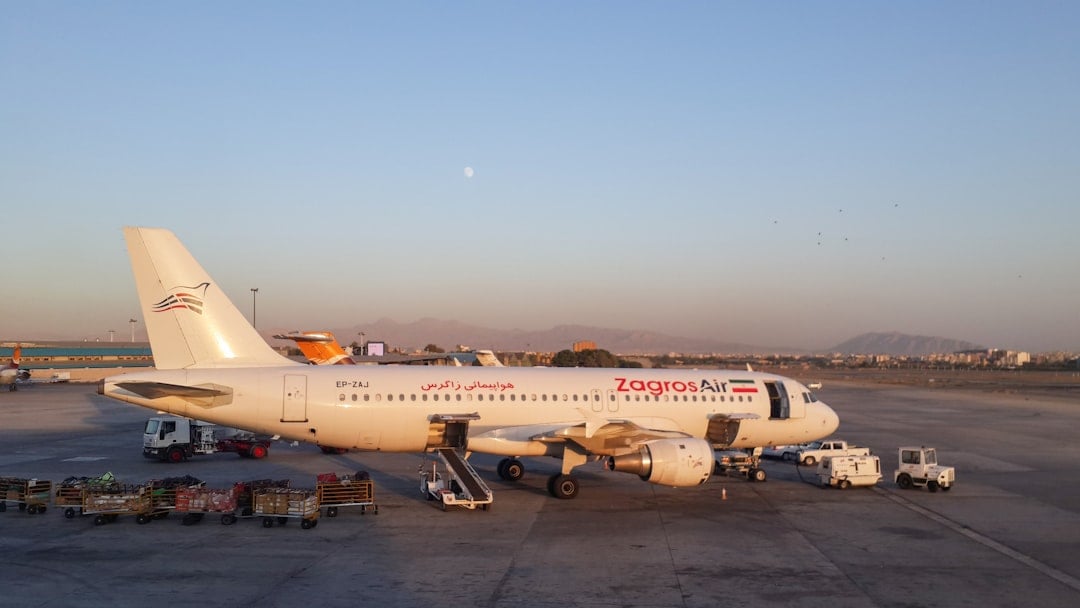
(TEHRAN, IRAN) – International passenger flights have resumed at Tehran’s Imam Khomeini International Airport, ending a pause that lasted since the conflict with the United States and Israel began on February 28. Travelers connecting through Iran’s capital now have a live commercial option again, starting with service to Istanbul, Muscat, and Medina.
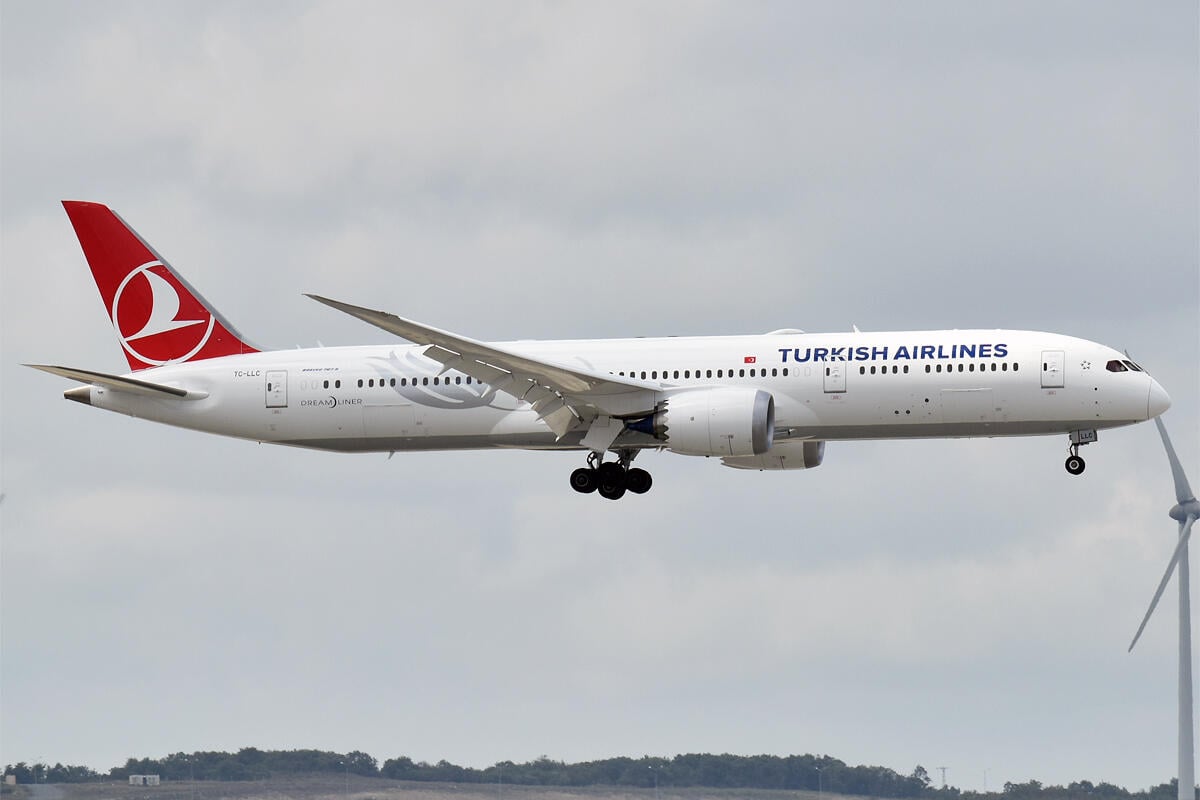
The first outbound flights on April 25 went to Istanbul, Muscat, Oman, and Medina, Saudi Arabia. Airlines are returning in stages, not all at once, so schedules remain thin compared with normal operations. That makes the first wave of seats more valuable for travelers trying to leave Tehran or connect onward through regional hubs.

Airport officials said Imam Khomeini International Airport is fully operational for both arrivals and departures. Ramin Kashef Azar, chief executive of Imam Khomeini Airport City, said all navigation systems and ground infrastructure are functioning again. That matters for flight reliability, since both airside systems and terminal operations have to work before a carrier can restore regular service.
| Detail | Information |
|---|---|
| Airport | Imam Khomeini International Airport |
| Resumed international passenger flights | April 25, 2026 |
| First outbound destinations | Istanbul, Muscat, Medina |
| Operational status | Fully open for arrivals and departures |
| Current pattern | Airlines resuming scheduled service gradually |
Iran closed its airspace after U.S. and Israeli attacks on February 28, and officials said aviation infrastructure suffered heavy damage. Iranian airspace stayed largely dormant for more than 50 days during the standoff. That left carriers with no clear path to restore normal operations until the security situation began to ease.
The reopening follows a ceasefire brokered by Pakistan that took effect on April 8. U.S. President Donald Trump extended the two-week ceasefire on April 21 to allow more time for negotiations. That extension gave airlines and airport operators a wider window to restart limited service, rather than waiting for a longer shutdown to end first.
The phased restart has not been limited to Tehran. Mashhad Airport, in northeastern Iran, reopened for international flights earlier in the week, and domestic service has resumed from Tehran’s Mehrabad Airport. Together, those moves point to a step-by-step return of Iranian aviation after a prolonged shutdown.
| Route | Early Status | Likely Travel Use |
|---|---|---|
| Tehran → Istanbul | Resumed | Connection point for Europe and North America |
| Tehran → Muscat | Resumed | Regional travel and onward Gulf connections |
| Tehran → Medina | Resumed | Religious travel and Saudi connections |
Regional hubs such as Istanbul and Muscat are likely to matter most in the short term. Those airports feed larger global networks than Tehran can currently support on its own, especially while Iranian carriers rebuild schedules. Passengers booking through those cities should expect less availability and more schedule changes than before the closure.
Loyalty-program travelers should check each ticket carefully before booking. On thin schedules, fare buckets can disappear fast, and that affects both mileage earning and award flexibility. A rerouted trip through Istanbul or Muscat can also change which airline program earns the miles, especially on codeshares and mixed-carrier itineraries.
Award seats are likely to stay tight while service ramps up. Cash fares on the first restored flights often rise when seat inventory is limited, and frequent flyers usually have fewer options to redeem miles at lower rates. Travelers holding flexible points should compare the cash price against the mileage cost before committing.
Competition is now returning in fragments. Turkish Airlines and Oman Air have stronger international networks than any single Iranian airport can offer right now, while Saudia adds another option for travelers heading through the Gulf and into broader Middle East connections. That leaves Tehran’s reopening important, but not yet full-scale.
Passengers with plans involving Tehran should check live schedules before heading to the airport. The first wave of resumed service is a restart, not a return to full capacity, and airlines are still rebuilding their networks flight by flight. Booking early is the safer move while seats remain limited and schedules continue to change.