- ICE agents accidentally put a deportee on a flight to Alaska instead of New York.
- Flight attendants warned the officers, but the boarding process continued regardless of the error.
- The transport failure resulted in an additional 16 days of detention for the Indian national.
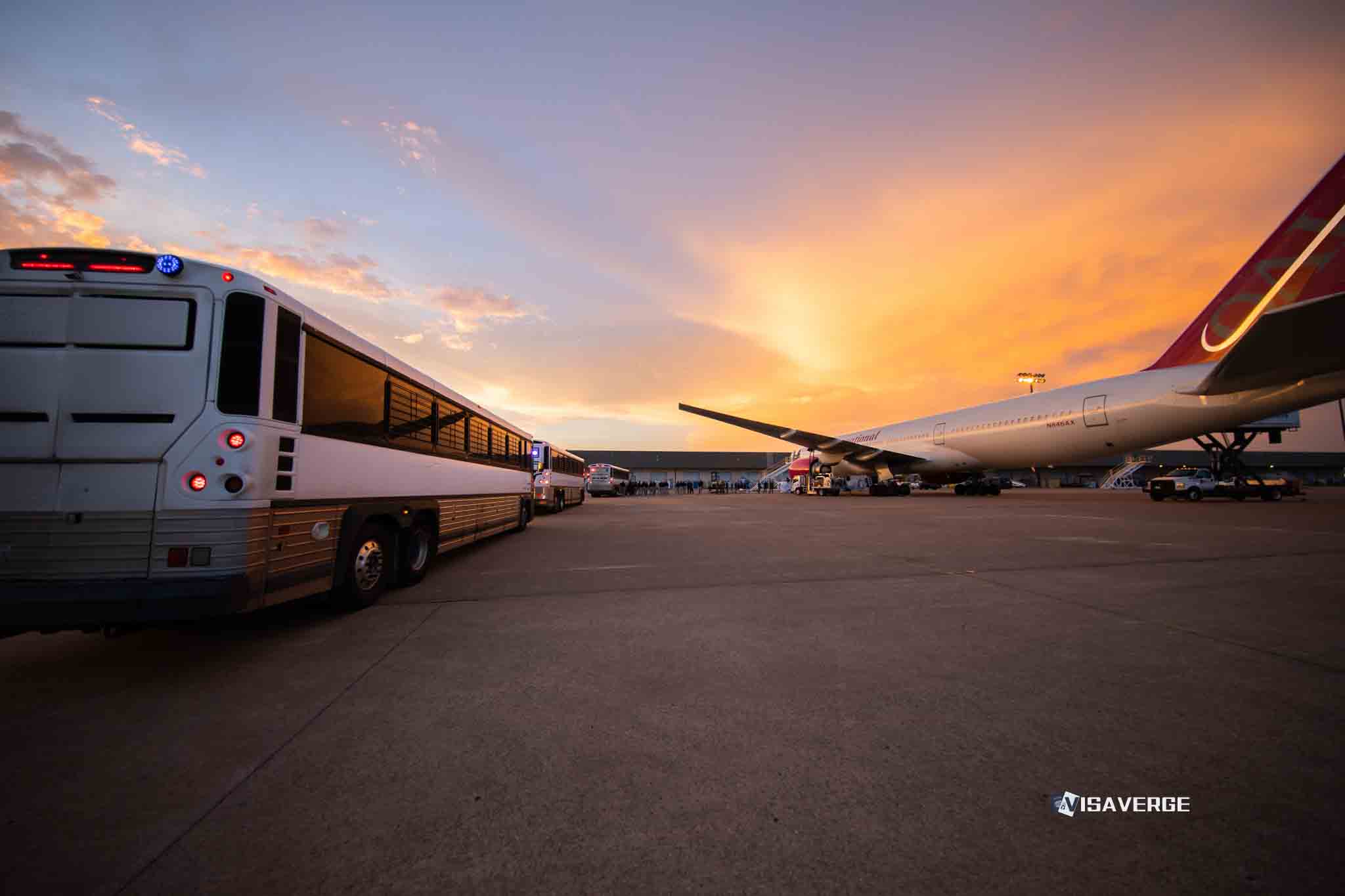
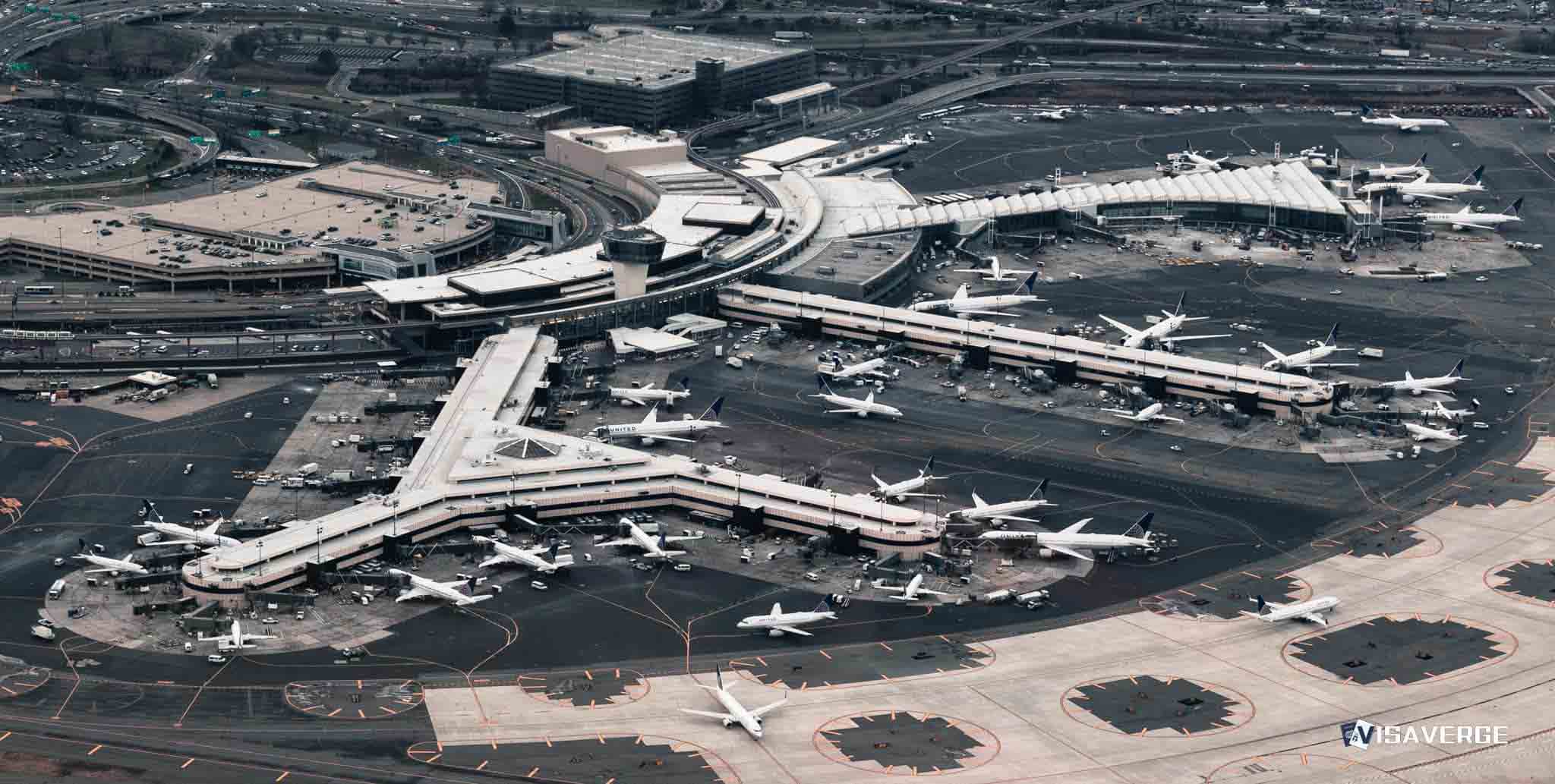
(SEATTLE, WASHINGTON) – ICE agents escorted Rakesh Rakesh to Seattle-Tacoma International Airport in May 2025 for a flight to New York and a connection to India, but put him on a plane to Alaska instead, extending his detention by more than two weeks.
Rakesh, an Indian national who entered the United States seeking asylum and later asked to return to India, boarded an Alaska Airlines flight bound for Alaska rather than the eastbound trip ICE had arranged, according to accounts of the incident that were still under review as of April 24, 2026.
Flight attendants warned the ICE officers that Rakesh was on the wrong plane, but boarding went ahead. After the flight landed in Alaska, the captain arranged a hotel room and a return flight to Seattle.
Back in Washington state, ICE agents met Rakesh and returned him to the Northwest ICE Processing Center in Tacoma. He remained there for an additional 16 days before his deportation was completed.
| India | China | ROW | |
|---|---|---|---|
| EB-1 | Feb 01, 2023 | Aug 01, 2023 ▲31d | Current |
| EB-2 | Nov 01, 2013 | Oct 01, 2021 | Apr 01, 2025 ▲90d |
| EB-3 | Jan 22, 2014 ▲21d | Jan 22, 2022 ▲14d | Jun 15, 2024 ▲31d |
| F-1 | Jan 22, 2021 ▲366d | Jan 22, 2021 ▲366d | Jan 22, 2021 ▲366d |
| F-2A | Oct 22, 2026 ▲30d | Oct 22, 2026 ▲30d | Oct 22, 2026 ▲30d |
The episode placed a human face on a transport failure inside a removal system that depends on tight coordination between federal officers, airline crews and gate staff. It also unfolded during a period of heavier ICE flight activity through the Seattle area.
ICE Policy 4000, which governs international escorted removal missions, requires officers to follow flight manifests closely and coordinate with commercial airline gate agents. Alaska Airlines said those procedures were not followed in Rakesh’s case.
Alexa Rudin, a spokesperson for Alaska Airlines, said, “The established procedures for this passenger were not followed by ICE. Our gate agents were not notified that he would be boarding the flight.”
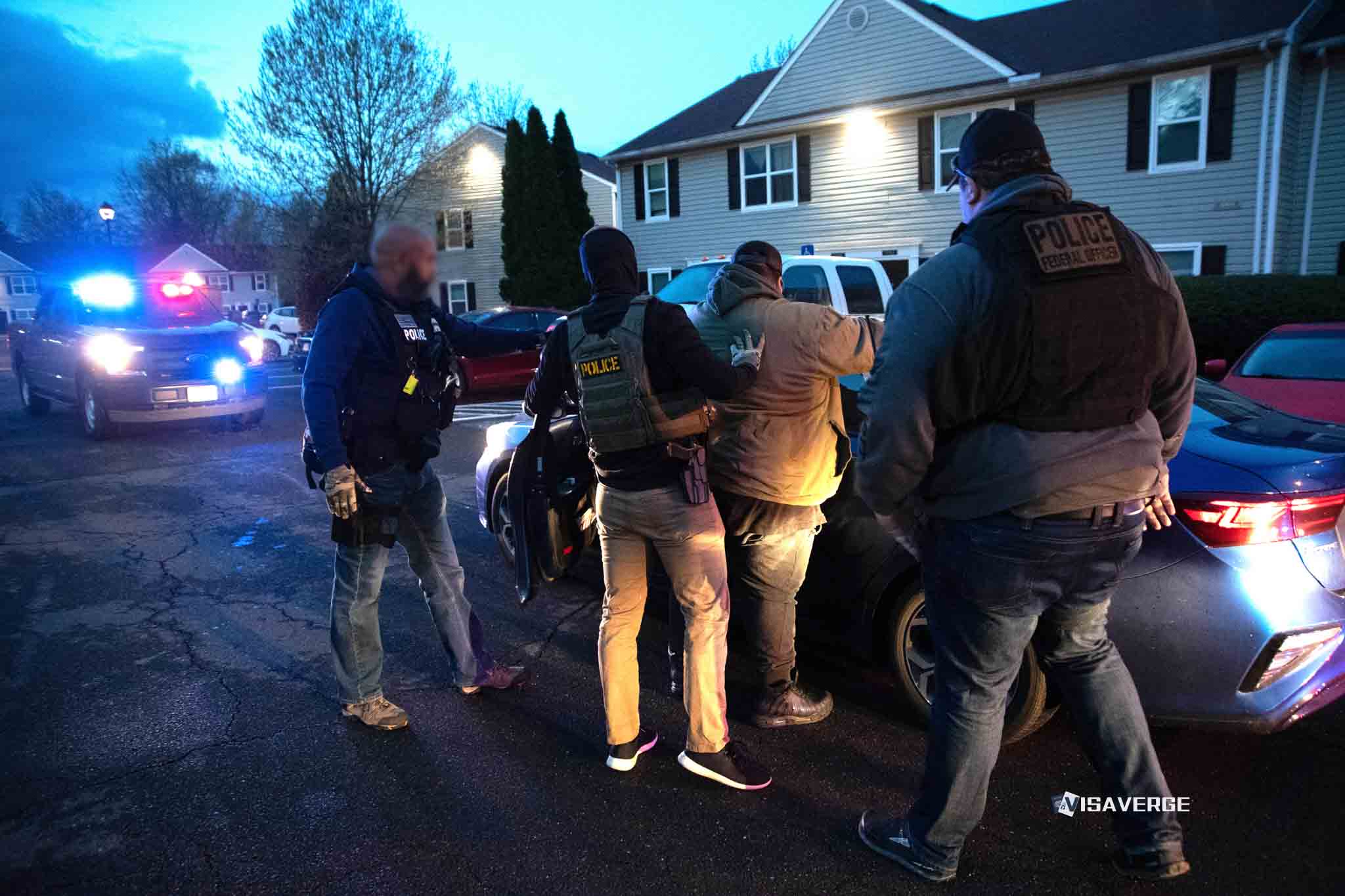
DHS and ICE had not issued a separate public press release about the wrong plane incident by April 24, 2026, even as the agencies continued broader enforcement messaging about operations in the region. In an April 9, 2026 statement on enforcement actions, Acting Assistant Secretary Lauren Bis said, “The brave men and women of ICE law enforcement continue to target criminal illegal aliens in our communities. With every arrest, ICE is making American communities safer.”
The failure at Seattle-Tacoma International Airport came as ICE-related flights through Seattle, including Sea-Tac and Boeing Field, rose 60% in the first two months of 2026 compared with the same period in 2025. Early 2026 data also showed that more than 200 ICE-related flights had arrived or departed Boeing Field in the previous year.
Those numbers point to a transport system moving detainees quickly, often within days of arrest. In that setting, a single breakdown in paperwork, manifest checks or gate coordination can send a detainee hundreds of miles in the wrong direction.
Rakesh’s case turned that breakdown into extra confinement. Instead of leaving the country after months in custody, he spent over two more weeks in a high-security detention center because the escort team failed to place him on the correct flight.
The mistake also sharpened the divide between federal immigration enforcement and commercial carriers that transport detainees on scheduled passenger service. Alaska Airlines acknowledged the lapse on the federal side while making clear that its own gate agents had not been alerted before boarding.
Port of Seattle leaders had already been describing that split in authority in early 2026 under the port’s Welcoming Port Policy. The port said, “We expect that all arriving passengers to SEA are treated with dignity, respect, and fairness. The Port does not have control over operations. exclusively controlled by Customs and Border Protection (CBP) [and ICE].”
That statement placed responsibility for detention and removal operations with federal agencies even when the activity occurs inside the region’s main passenger airport. Sea-Tac is owned by the Port of Seattle, but the port has said CBP and ICE control those law enforcement functions.
The facts of the Rakesh case also exposed the practical limits of oversight once a detainee is in motion. Flight attendants recognized the error, but the officers escorting him continued the boarding process, and the correction came only after the plane reached Alaska.
Once there, the response came from the cockpit rather than from the removal system. The captain arranged a hotel and a return trip to Seattle, steps that corrected the immediate travel mistake but did not prevent the added detention that followed.
Rakesh’s route was supposed to run through New York and then on to India. Instead, the detour sent him north to Alaska, back to Seattle, then back into ICE custody at Tacoma before the deportation finally took place.
The sequence has drawn attention because it joined a basic transport error with a hard consequence: more time behind bars. It also raised questions about how ICE agents, airline crews and airport staff communicate when detainees move through busy commercial terminals alongside ordinary travelers.
Public records and official material on ICE operations remain spread across the DHS and ICE websites, including the [DHS newsroom](https://www.dhs.gov/newsroom), the [ICE newsroom](https://www.ice.gov/newsroom), and ICE’s [policies and procedures page](https://www.ice.gov/about-ice/ero/policies-procedures). Those materials include agency statements and policy documents, including the transport rules that governed the escort mission in Rakesh’s case.
As scrutiny continued on April 24, 2026, the case stood out less for a dispute over destination than for how plainly the mistake unfolded: ICE agents brought a detainee to the airport, airline personnel warned them he was boarding the wrong flight, and he still ended up in Alaska before being sent back into custody in Washington.