- Millions of taxpayers may still claim unclaimed stimulus credits from 2021 through the Recovery Rebate Credit.
- A federal court ruling creates a path to refund disputed tax penalties assessed during the pandemic.
- Taxpayers must act before the July 10, 2026 deadline to preserve rights for penalty abatements.
(UNITED STATES) — The Internal Revenue Service still has pandemic-era money tied to unclaimed stimulus credits and disputed tax penalties, with millions of taxpayers described as potentially eligible for refunds through the Recovery Rebate Credit and a separate court ruling opening another path for claims tied to failure-to-file or pay penalties.
The two tracks involve different tax years, different filing steps and different deadlines. One centers on the third stimulus payment and the credit claimed on a 2021 Form 1040 or 1040-SR. The other stems from a federal court decision in Kwong v. United States, which affects certain penalties charged between January 20, 2020 and July 10, 2023.

Taxpayers who missed part or all of the third Economic Impact Payment, also called EIP3, can claim up to $1,400 per qualifying person, or $2,800 for joint filers, through the 2021 Recovery Rebate Credit. The credit also includes $1,400 per dependent, with the amount phasing out above income thresholds.
Those income thresholds are $75,000 for single filers, $150,000 for joint filers or surviving spouses, and $112,500 for heads of household. Eligibility also requires U.S. residency, a work-eligible Social Security number and status as someone who is not a dependent on another taxpayer’s return.
A narrower rule applies to some married couples filing jointly. If one spouse did not have a work-eligible Social Security number, the couple can still qualify for $1,400 plus $1,400 for each qualifying dependent with a valid Social Security number or Adoption Taxpayer Identification Number.
The IRS already sent special payments in December 2024 to 1 million taxpayers who were eligible but had not claimed the 2021 credit. That action did not end the issue. The agency still describes unclaimed amounts as available to many taxpayers who did not receive the full payment when stimulus checks went out.
Anyone checking whether money is still owed needs the total EIP3 amount first. The IRS directs taxpayers to use an Online Account or review Letter 6475, which the agency sent through March 2022, to confirm what was already issued before claiming any remaining balance on a return.
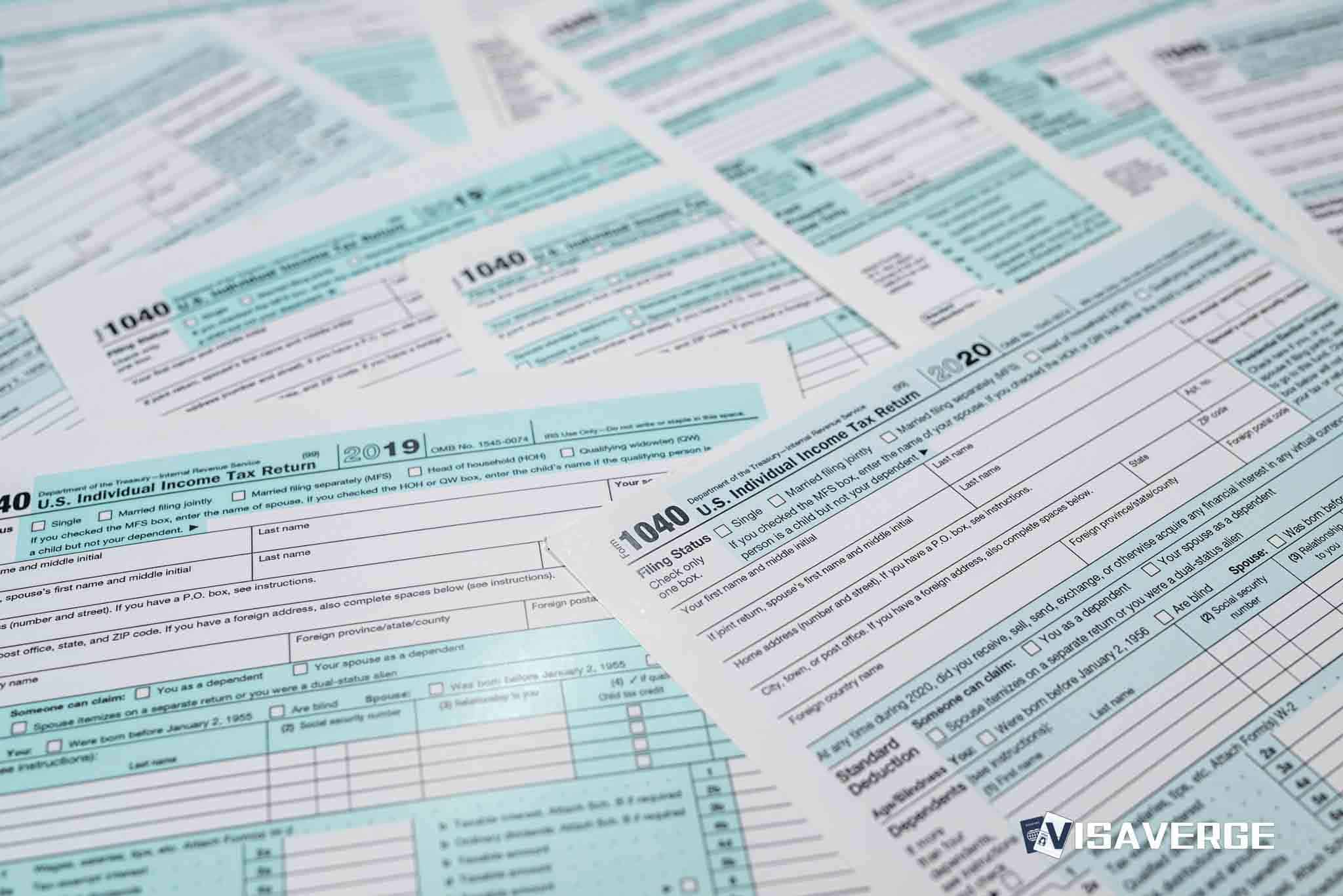
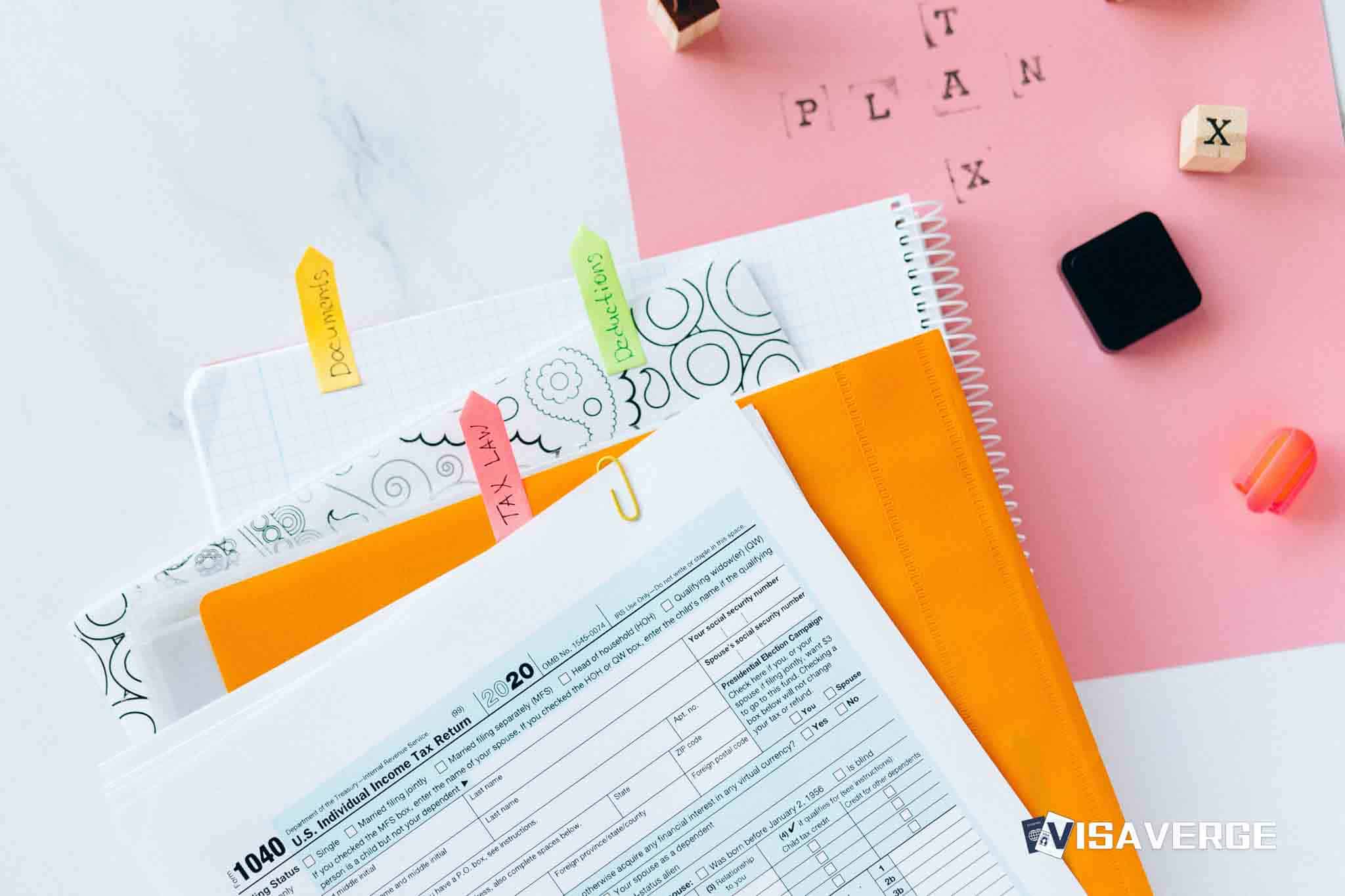
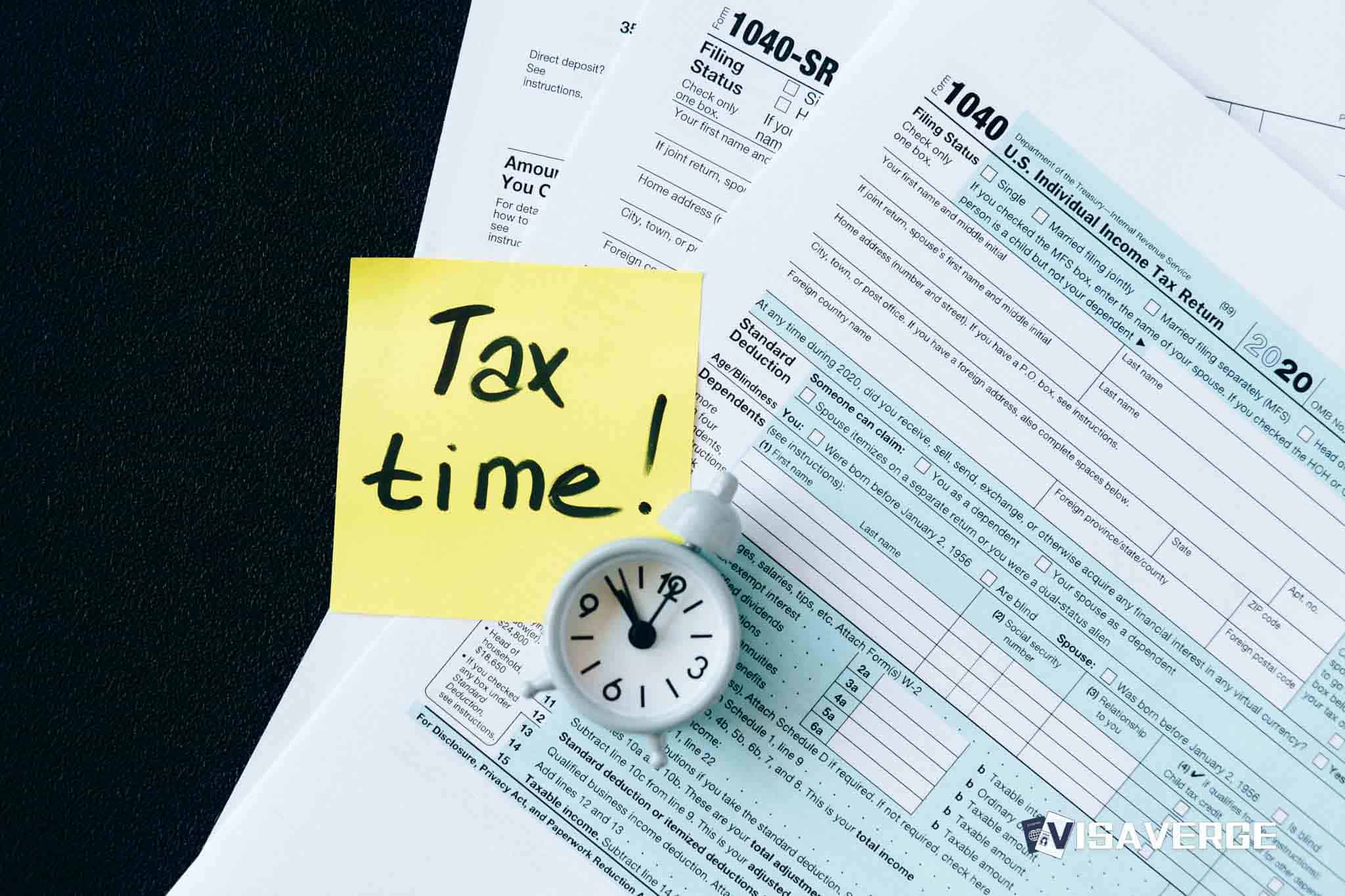
The filing vehicle is the 2021 return itself, usually a Form 1040 or 1040-SR. Non-filers with little or no income could still claim the credit by April 15, 2025, and dependents of another taxpayer and people without a work-eligible Social Security number are ineligible for the 2021 credit.
That credit is separate from another pocket of possible refunds tied to civil tax penalties assessed during the COVID disaster period. A federal court ruling in Kwong v. United States extended deadlines under Internal Revenue Code Section 7508A(d) for tax years 2019-2022 to July 10, 2023, creating grounds for some taxpayers to seek money back.
The penalties at issue include certain failure-to-file or failure-to-pay penalties charged from January 20, 2020 through July 10, 2023. Eligibility reaches individuals and businesses charged penalties during the COVID disaster period plus 60 days, and returns filed by September 30, 2022 may qualify for certain relief under IRS Notice 2022-36.
That route has a live deadline. Taxpayers seeking to preserve a possible refund claim must file by July 10, 2026, the date tied to the statute of limitations described.
The recommended first step is to review an IRS tax transcript for penalties and interest assessed during the covered period. The next is to file Form 843, formally called Claim for Refund and Request for Abatement, and specify a protective claim based on Kwong v. United States and Section 7508A(d).
That protective filing matters because the case may not be finished. The IRS may appeal, but filing before July 10, 2026 preserves a taxpayer’s rights while the legal issue continues to play out.
Jon Wasser, partner at Fox Rothschild, said millions could qualify for those penalty refunds but still miss out if they do not act before the statute closes. His warning turns on the calendar rather than any new IRS outreach campaign.
The penalty issue sits alongside older pandemic payment questions that have not fully disappeared from the tax system. Taxpayers who missed the first two stimulus rounds, known as EIP1 and EIP2, can claim the 2020 Recovery Rebate Credit on a 2020 return if they never received the money.
Many people in that earlier group received payments automatically if they had filed 2019 returns, received Social Security, SSI or VA benefits, or used the Non-Filers tool by November 21, 2020. All rounds of Economic Impact Payments have already been issued, and the government no longer offers the Get My Payment tool.
That leaves taxpayers checking old records instead of tracking a pending stimulus deposit. The remaining way to verify payment totals is the IRS Online Account, along with agency notices and letters that show what was sent and in which tax year the amount belongs.
Anyone sorting through the 2021 credit should match those records against the amount shown on the return before filing or amending anything. An incorrect Recovery Rebate Credit claim can delay processing, while the right figure on a 2021 Form 1040 determines whether any refund is still due.
The same record-checking approach applies to penalty claims. Taxpayers who paid penalties during the covered COVID period need transcripts that show the charge dates, the type of assessment and whether the account falls within the time window defined by the court ruling and Notice 2022-36.
Some of the deadlines in the pandemic programs have already passed, while others remain open. The non-filer date tied to the 2021 stimulus credit was April 15, 2025. The filing deadline that still stands for protective penalty refund claims is July 10, 2026.
Taxpayers seeking personalized payment totals or trying to confirm whether they already received a stimulus amount need to use the IRS coronavirus page or an IRS Online Account rather than older stimulus tracking tools. The agency’s own letters, including Letter 6475, remain part of the paper trail that now decides whether money can still be claimed.