- President Trump reposted controversial rhetoric against birthright citizenship from radio host Michael Savage on Truth Social.
- The post used derogatory language, describing nations like India and China as hell-holes and national threats.
- The move heightens scrutiny of Executive Order No. 14,160, currently facing legal challenges in the Supreme Court.
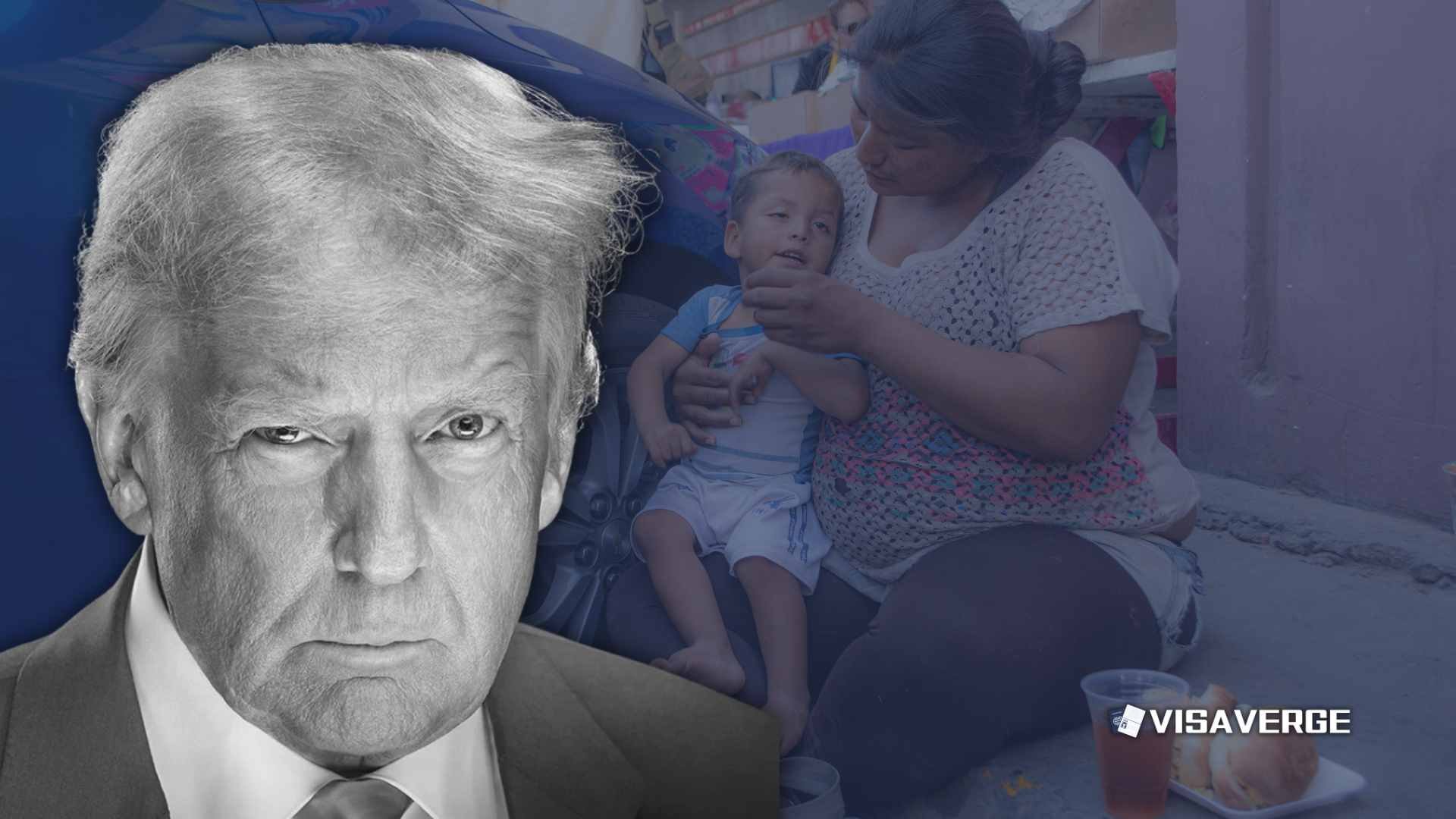
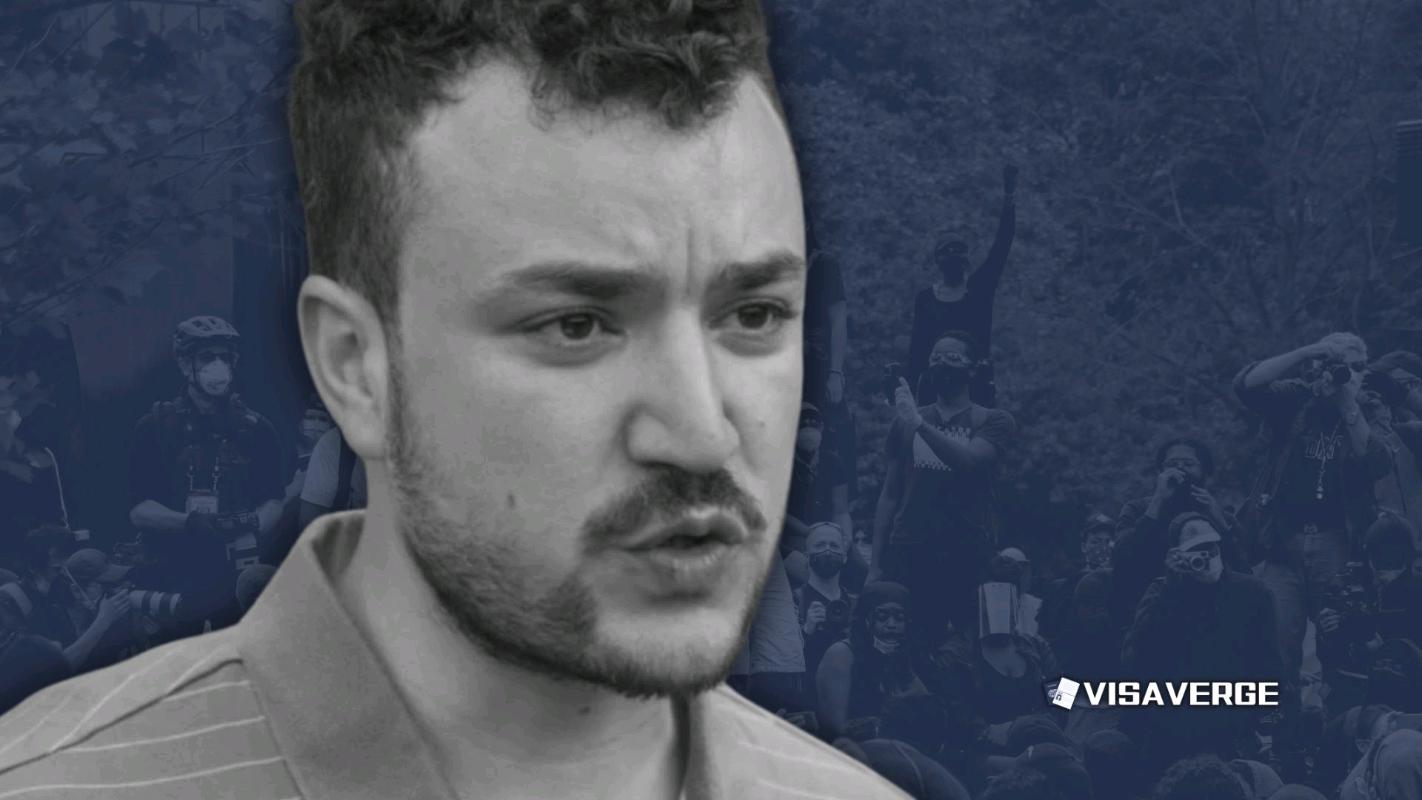
(UNITED STATES) — President Donald Trump reposted a transcript from radio host Michael Savage’s podcast on Truth Social around April 23, 2026, reviving a fight over birthright citizenship with language that described India, China and other countries as “hell-holes” and renewed scrutiny of his push to narrow automatic citizenship in the United States.
The repost centered on Savage’s attack on the 14th Amendment rule that grants U.S. citizenship to nearly anyone born on American soil, regardless of a parent’s immigration status. In the transcript Trump shared, Savage argued that pregnant women from India and China travel to the United States late in pregnancy to secure citizenship for their children and later sponsor relatives.

Savage said immigrants arrive “in the ninth month” to “drop a baby” and become “instant citizens,” then “bring the entire family in from China, India or some other hell-hole on the planet.” He also called Indian and Chinese immigrants “gangsters with laptops” who “robbed us blind, treated us like second-class citizens,” caused the “third world triumph,” and “stepped on our flag.”
Those remarks landed inside a debate Trump has been driving since the start of his second term. On January 20, 2025, he issued Executive Order No. 14,160, titled “Protecting the Meaning and Value of American Citizenship,” seeking to end birthright citizenship for children whose parents lack “sufficient legal status.”
That order rests on a reading of the Constitution that Trump and his allies have promoted for years. The 14th Amendment says all persons “born. in the United States, and subject to the jurisdiction thereof” are citizens, and Trump argues that undocumented immigrants are not fully “subject to the jurisdiction” of the United States.
Most legal scholarship has treated the clause differently. The prevailing view holds that the amendment protects jus soli, the principle of citizenship by birth on U.S. soil, and Trump’s order has not been upheld while challenges continue at the Supreme Court.
Savage’s remarks pushed the argument beyond legal text and into racial and national terms. He said courts and lawyers should not settle the issue and argued instead for a national vote, dismissing constitutional interpretation as debate carried out “in the abstract” and objecting to a system he portrayed as frozen by words “written in stone.”
Trump has paired that legal campaign with blunt political language. He has called birthright citizenship “stupid,” a “scam,” and “unfair,” and said it costs “billions.”
He has also argued that the constitutional provision was meant for “babies of slaves, not Chinese Billionaires,” and said the United States is the “only Country in the World STUPID enough” to allow automatic citizenship by birth. That assertion conflicts with data from Pew Research, which says 32 other countries, most of them in the Western Hemisphere, have similar laws.
The repost on Truth Social linked Trump’s current rhetoric to a promise he first advanced publicly in 2018, when he said he could end birthright citizenship by executive order and that “you don’t” need a constitutional amendment. His order in 2025 put that theory into formal government action on the first day of his new term.
Trump later sharpened his criticism after attending Supreme Court oral arguments in Trump v. Barbara. He attacked opposing judges and justices as “stupid people” seeking “independence” and widened his criticism of the courts as he pressed for a ruling that would let a president or Congress narrow the reach of the 14th Amendment without amending it.
Opponents reacted to the Savage repost by calling it racist and inflammatory. The criticism spread quickly in the United States and abroad, where the language about India and China drew anger and fed demands for a response from both countries.
No named diplomatic reply emerged in the immediate aftermath, but the post added tension to an already strained immigration argument tied to India and China. It also revived claims about technology-sector hiring and migration that Trump has invoked before without tying them to an official forecast.
Savage’s transcript did not stop at attacks on birthright citizenship. He accused the American Civil Liberties Union, referring to attorney Wang, of helping turn the United States into a “colony of China” and India, language that widened the backlash and reinforced the impression that Trump’s repost was not a narrowly legal intervention.
The immediate constitutional dispute remains unresolved. Trump’s executive order has forced courts to weigh whether the phrase “subject to the jurisdiction thereof” excludes children born in the United States to parents without legal immigration status, or whether that reading collides with long-settled doctrine and practice.
That phrase has sat at the center of the political argument for years, but its historical application has been far broader than the interpretation Trump now favors. Courts and legal scholars have generally treated it as covering nearly all children born in the country, with narrow exceptions not tied to ordinary immigration violations.
Trump’s position seeks to turn that understanding on its head. Under the order he signed on January 20, 2025, a child’s citizenship would depend in part on whether the parents could show a recognized legal status, a standard that breaks with the conventional reading of birthright citizenship as an entitlement fixed at birth.
The political utility of the issue has long been clear inside Trump’s movement. Birthright citizenship lets him frame immigration as both a constitutional dispute and a cultural grievance, and the repost of Michael Savage’s language on Truth Social showed how readily those two lines of attack now blend together.
Savage’s comments about women arriving “in the ninth month” and families coming from “China, India or some other hell-hole on the planet” tapped into a familiar claim that birth on U.S. soil creates an instant legal advantage for migrants who otherwise lack status. The repost amplified that claim at a moment when the Supreme Court still has the administration’s position before it.
Critics focused not only on the legal substance but on the terms Trump chose to elevate. By sharing a transcript that referred to Indians and Chinese as “gangsters with laptops,” they said, Trump was doing more than arguing for a narrower reading of the 14th Amendment.
Supporters of Trump’s approach have argued that the Constitution leaves room for executive or congressional action short of amendment. Trump has repeated that view while insisting the current interpretation rewards illegal immigration and chain migration, though the operative language in the amendment has not changed.
The legal outcome will determine whether a president can redefine citizenship through executive action or whether any such effort must fail absent a constitutional amendment. Until then, Trump’s order remains contested, and the Supreme Court case remains pending.
The repost ensured that the fight would not stay confined to court filings and constitutional briefs. It returned birthright citizenship to the center of Trump’s public message through the language of Michael Savage, the reach of Truth Social, and a constitutional clause that has defined American citizenship for more than a century.