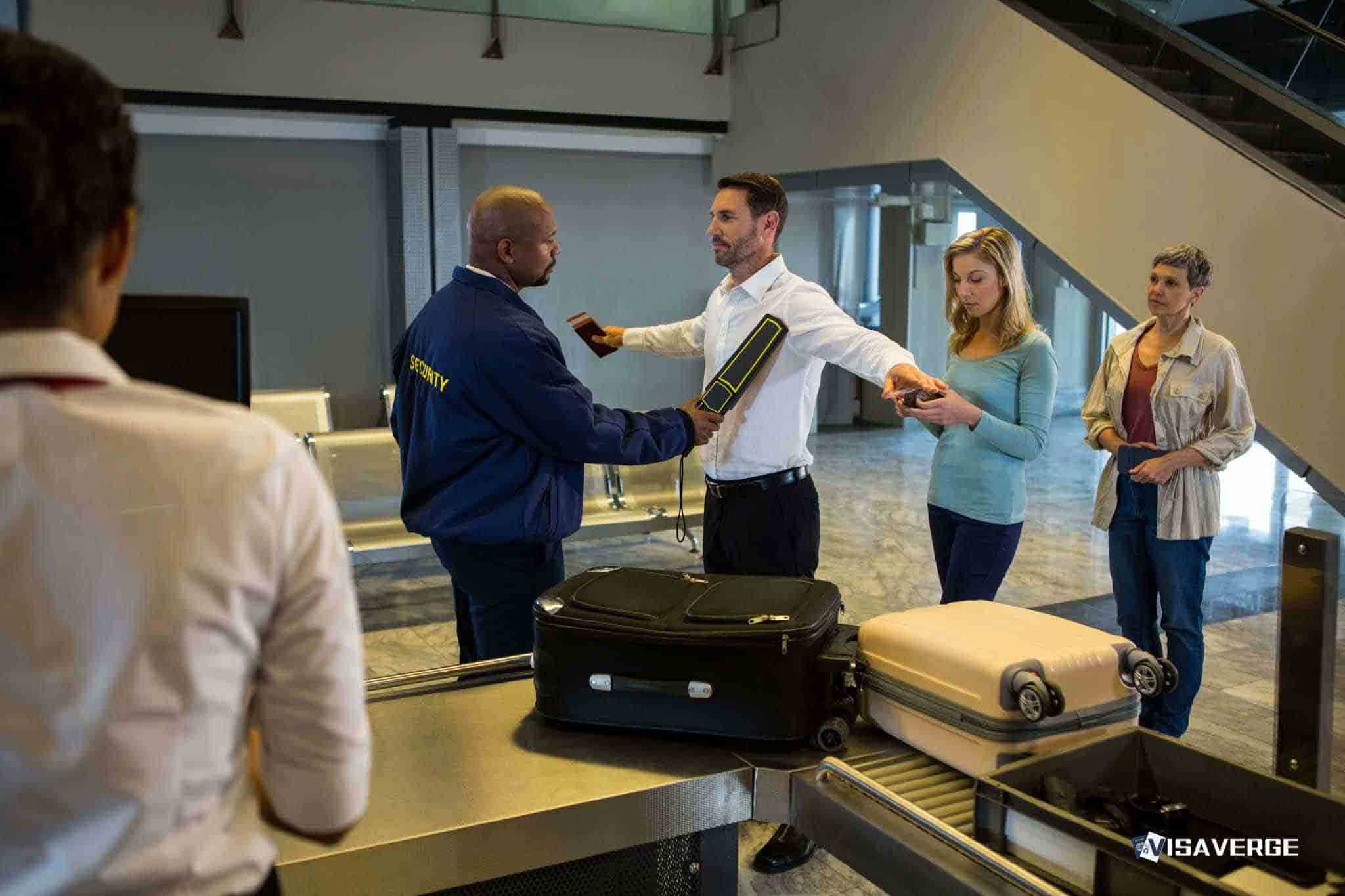
The TSA moved TSA Gold+ from concept into a formal procurement phase, holding a May 21, 2026 TSA Gold+ Industry Day and posting a TSA Gold+ Draft PWS, Evaluation Factors, and Industry Day notice on SAM.gov. TSA is framing the program as a voluntary airport partnership model, not a traveler membership, with the agency saying it is designed to “rapidly enhance security” and let airports use private contractors for more of the screening operation while TSA keeps federal oversight.
- TSA describes TSA Gold+ as an “innovative extension” of the existing Screening Partnership Program, expanding the contractor role beyond staffing to include more of the technology/equipment side of checkpoint operations.
- The agency says the program remains voluntary for airports and is intended to improve checkpoint throughput by enabling faster adoption of advanced technology and more customized screening operations.
- TSA has said participating airports would incur no additional cost under the program.
- TSA tied the rollout to its 25th anniversary, saying that “rising travel volumes, evolving threats, and funding challenges” create an opportunity to “re-imagine aviation security.”
- The Trump administration’s GoldPlus plan would expand private screening to all category III and IV airports.
- The proposal would replace 4,528 federal TSA officers and cut the workforce by 14%.
- TSA says the model already works at 20 airports, with oversight still kept by the agency.
(UNITED STATES) — The Trump administration advanced a plan called GoldPlus that would expand the Transportation Security Administration’s Screening Partnership Program to all category III and IV smaller airports, replacing about 4,528 federal TSA officers with private contractors.
The proposal appears in the FY 2027 Department of Homeland Security budget submission and sets out a broader restructuring of airport screening work inside TSA. It would cut the agency’s workforce by 14%, from roughly 8,400 positions, with more than half of that reduction coming from federal screeners shifted to contractors.
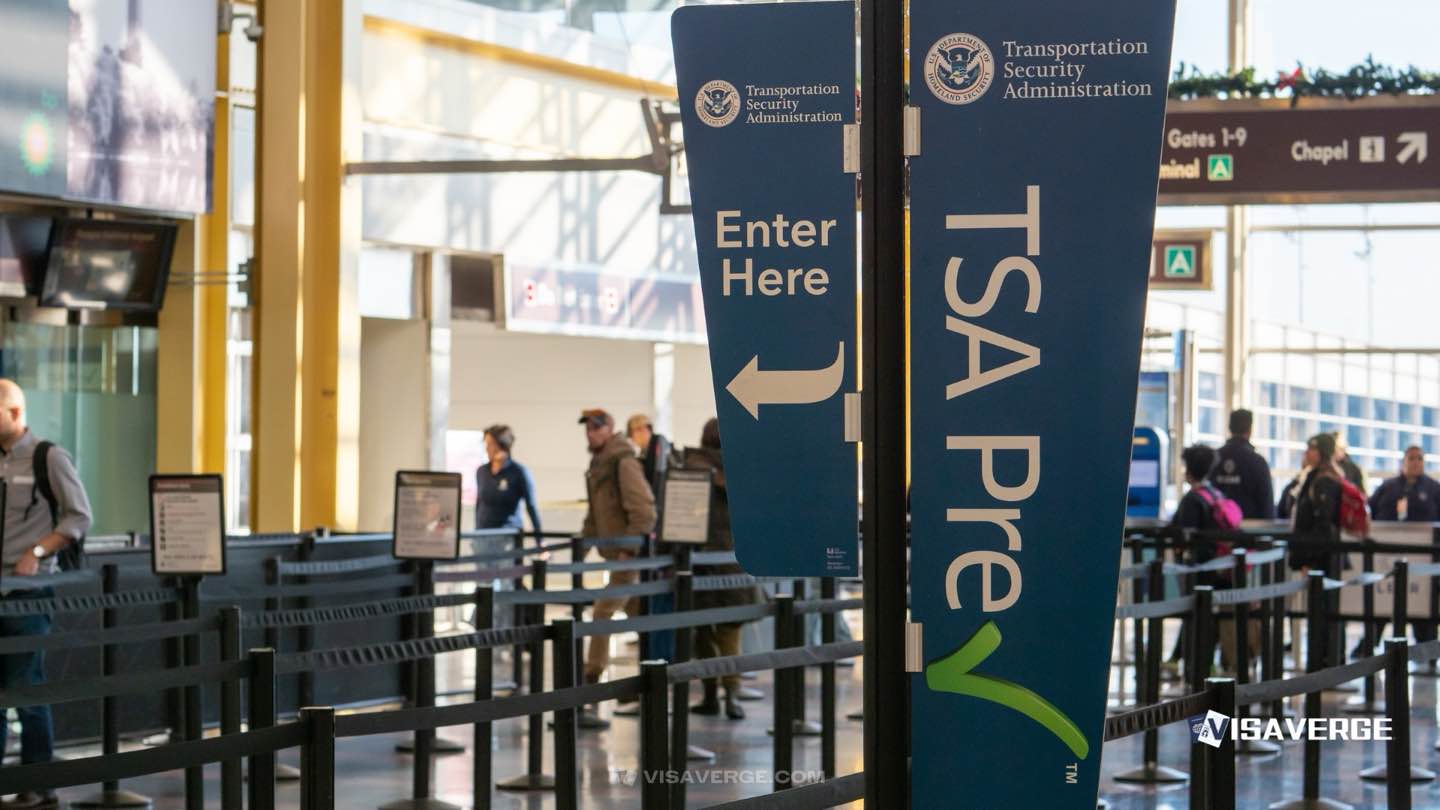
TSA already uses the Screening Partnership Program at 20 airports, including San Francisco International and Kansas City International. Under that model, private screeners work under full federal oversight and must follow TSA procedures.
Those details place GoldPlus less as a new screening system than as a wider use of one TSA already runs. Private contractors would handle checkpoint operations at more airports, but TSA would still control procedures, standards and oversight.
The budget documents project annual savings of $52 million after reallocating some of the money tied to federal staff cuts to contractor hiring. Against TSA’s proposed $11.7 billion budget, that amount is a small share of the agency’s total spending plan.
The workforce change sits at the center of the proposal. About 4,528 federal officers would be replaced by private personnel, making contractor substitution the largest single piece of the planned reduction.
Current SPP airports offer the administration a working example to point to. San Francisco International, one of the country’s busiest airports, already uses private screeners inside a system where TSA keeps operational control, and Kansas City International is part of the same framework.
That structure also limits how far the plan departs from the present system. The model has private screeners operate under federal rules rather than under airport-designed procedures, which narrows the room for contractors or airport operators to change how screening works.
Implementation poses its own constraints. The SPP model has operated at existing sites, but the process can take 300 days from application to operation, a bureaucratic timeline that could slow any broad expansion to category III and IV airports.
No wider rollout schedule accompanied the FY 2027 budget release beyond the standard Screening Partnership Program process. That leaves the plan with an identified mechanism for expansion, but without a separate timetable for how quickly airports would move from federal screeners to private contractors.
The budget framing suggests the administration sees privatization as a staffing and cost initiative rather than a wholesale redesign of airport security. The projected $52 million in annual savings comes after money is shifted back into contractor hiring, meaning the policy reduces costs, but not on a scale that would reshape TSA’s overall budget on its own.
At the same time, the use of contractors at existing SPP airports gives TSA a record it can cite as it seeks to widen the program. The agency says the expansion would maintain high standards based on the program’s track record.
Criticism has focused on how much would truly change once private firms take over screening posts. Marc Scribner, an analyst at the Competitive Enterprise Institute, called the approach “privatization in name only,” arguing that it offers localized efficiencies, such as better passenger flow, without broader reforms or changes in incentives.
Scribner’s critique turns on the same feature TSA presents as a safeguard. Because private screeners in the Screening Partnership Program must follow TSA procedures and remain under federal oversight, airports gain a different employer at the checkpoint, but not broad authority to redesign security operations.
That tension has shaped debate around SPP for years and runs through the GoldPlus plan as described in the budget. Supporters can point to an existing system in operation at 20 airports; critics can point to the same federal controls as proof that contractor use does not amount to a deeper restructuring.
The smaller-airport focus is another defining piece of the proposal. GoldPlus would apply the partnership model across all category III and IV airports, while the current list of SPP sites already spans both large hubs and smaller facilities.
That matters inside TSA because the administration’s workforce reduction is not spread evenly across unrelated functions. More than half of the planned cut from roughly 8,400 positions comes from shifting federal screeners to private contractors, tying the agency’s headcount decline directly to the expansion of SPP.
The numbers also show the plan’s scale more clearly than its savings line alone. Replacing about 4,528 federal officers would alter who staffs checkpoints at a large share of smaller airports, even if TSA continues to dictate the procedures those workers follow.
Airports already inside the program offer the clearest picture of how that arrangement works in practice. At places such as San Francisco International and Kansas City International, screening remains federally supervised even though contractors, not federal TSA officers, conduct the work.
GoldPlus, as laid out in the FY 2027 budget submission, therefore combines a large staffing shift with a narrower operational change. It reaches deep into TSA’s workforce, but it leaves the agency’s authority over screening intact.
The plan now rests on a model TSA has already tested, a budget case built around $52 million in annual savings, and an expansion path that still runs through a 300-day process. Whether that amounts to privatization or a relabeling of federal control is captured in Scribner’s phrase, “privatization in name only.”