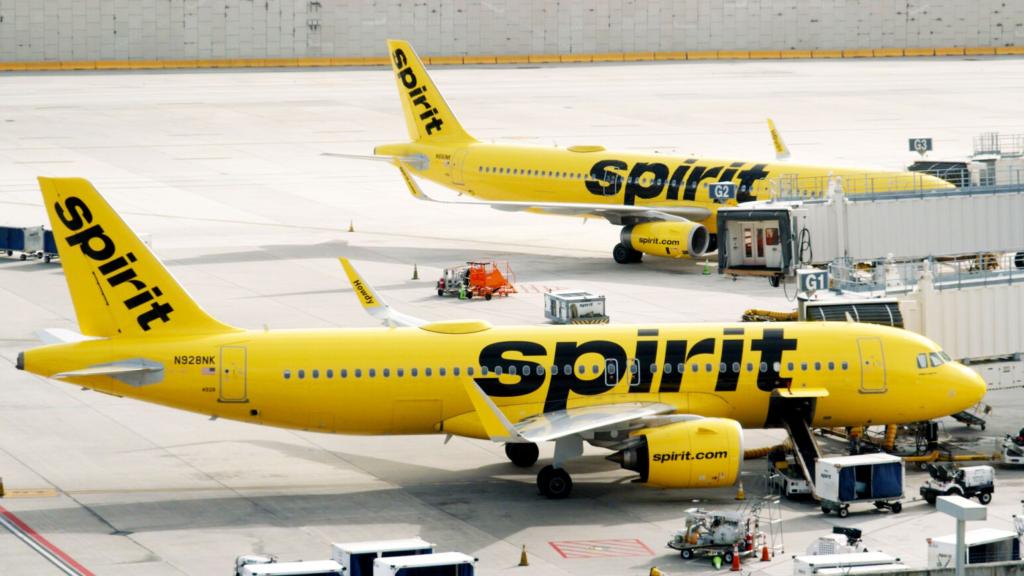
- President Trump suggested the federal government could intervene to help Spirit Airlines amid rising fuel costs and bankruptcy risks.
- The President highlighted that approximately 14,000 jobs are at risk if the low-cost carrier faces liquidation.
- Proposed solutions include a possible government equity stake, similar to the recent 10% federal investment in Intel.
(UNITED STATES) – President Donald Trump suggested on Tuesday, April 21, 2026, that the federal government could help Spirit Airlines, raising the possibility of intervention for a carrier he said was in trouble as fuel costs climbed.
Trump made the comments during a live CNBC phone interview while discussing reports of a potential United Airlines-American Airlines merger. He raised Spirit on his own, saying, “I’d love somebody to buy Spirit… you know, Spirit’s in trouble,” and added, “Maybe the federal government should help that one out. You know, I told my people.”
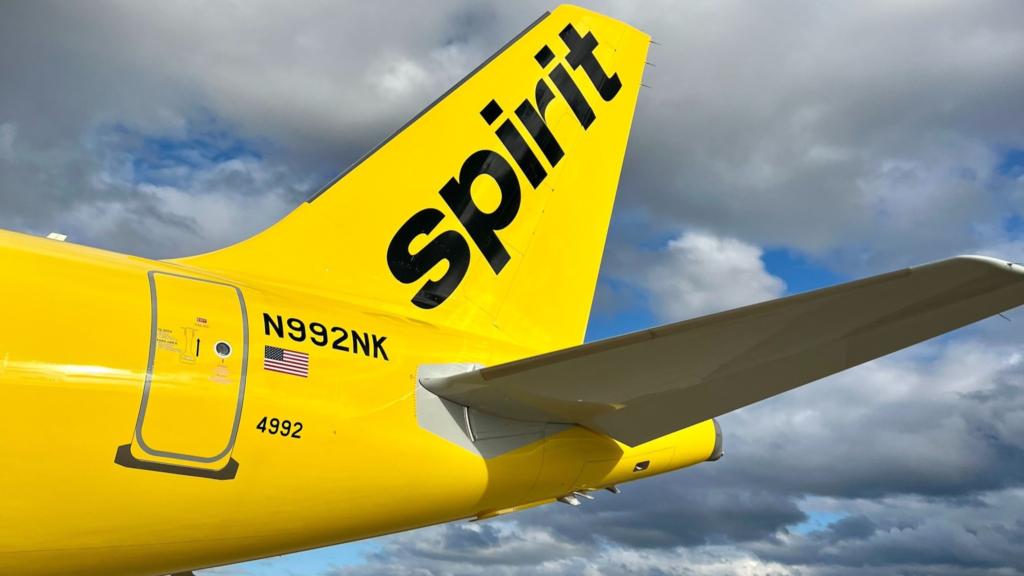
He pointed to jobs as part of the case for action. Trump said about 14,000 jobs were at risk at the airline, which faces bankruptcy risks amid soaring fuel costs.
Spirit’s financial strain has sharpened as oil prices stayed high. Trump tied that pressure to disruptions in the Strait of Hormuz, a shipping lane that handles about 20% of global oil supply.
The remarks placed a budget airline at the center of a broader debate inside aviation and Washington over when the government should step in, and when it should let market forces run their course. Trump did not outline what kind of support he had in mind.
That lack of detail left open whether any help, if it came, would take the form of financing, another backstop, or some other arrangement. Spirit Airlines and the White House did not respond to comment requests.
One idea already circulating around Spirit involves equity. The airline has reportedly floated offering the federal government a stake in the company to avoid liquidation, a structure that would echo the U.S. government’s 10% stake in Intel last year.
A government ownership position in an airline would mark a sharp intervention in a sector that usually operates with little direct federal equity involvement. Even so, Trump’s comments stopped well short of a policy announcement.
Airline executives are scheduled to meet Transportation Secretary Sean Duffy this week to discuss industry challenges, including fuel costs. That meeting now carries added attention after Trump’s remarks put Spirit’s future, and possible federal action, into public view.
Fuel has long ranked among the biggest variable costs for airlines, and carriers with thinner margins can feel oil shocks first. Spirit, which Trump described as having long-term profitability struggles, has been hit as those costs rose.
The link to the Strait of Hormuz matters because the channel remains one of the world’s most sensitive energy chokepoints. With about 20% of global oil supply moving through it, disruptions there can feed quickly into airline operating costs.
Low-cost carriers are often exposed to that pressure in plain financial terms. Their business model depends on keeping fares low while filling planes and controlling expenses, leaving less room to absorb sustained jumps in fuel prices.
Trump’s comments also landed in the middle of another airline issue: reports of a possible United Airlines-American Airlines merger. He mentioned Spirit while speaking about that possible tie-up, though American Airlines denied merger reports last week.
The contrast was striking. Trump voiced opposition to airline consolidation while also floating possible government help for a struggling airline that could otherwise end up in liquidation.
That leaves two different policy instincts side by side. One resists concentration among major carriers; the other suggests intervention to keep a weaker carrier alive.
Neither position came with a formal administration plan on Tuesday. What Trump offered instead was a public signal that he wanted aides to consider Spirit’s situation.
“Maybe the federal government should help that one out. You know, I told my people,” he said. The phrasing was tentative, but it immediately raised the prospect that Spirit’s future could become a matter of government debate rather than a balance-sheet problem alone.
Spirit’s bankruptcy risk gives that debate urgency. Liquidation would put about 14,000 jobs in jeopardy, according to Trump’s remarks, and would remove a carrier that has long occupied the lower end of the fare market.
A rescue discussion would likely draw attention from labor, competitors, investors and travelers, even before any proposal took shape. Tuesday’s comments, however, offered no timetable, no policy vehicle and no indication that an aid package was imminent.
What exists now is a public record of presidential interest and an industry meeting already on the calendar. Sean Duffy’s talks with airline executives this week were set to cover industry pressures including fuel costs, a topic that goes directly to the strain Trump described.
Spirit’s reported willingness to offer the government a stake suggests the carrier, or people around it, have considered options beyond ordinary financing. The comparison to Intel’s 10% stake last year gave Trump a recent example of the government taking an ownership position in a private company.
Still, an airline presents a different political and commercial question. A carrier sells seats in a fiercely competitive consumer market, and any government role would invite scrutiny over fairness, precedent and the terms of support.
Those questions remained unanswered after the interview. Trump did not say whether any support would come through the Department of Transportation, another part of the federal government, or some new arrangement.
The market backdrop has made the issue harder to dismiss. High oil prices linked to disruptions in the Strait of Hormuz have pushed fuel costs upward at a time when Spirit already faced bankruptcy risks.
That combination, weak finances and expensive fuel, explains why the airline surfaced even during a discussion focused on possible consolidation among larger rivals. Spirit was not presented as a merger target in Trump’s comments so much as a carrier in distress.
His first instinct appeared to be a buyer. “I’d love somebody to buy Spirit… you know, Spirit’s in trouble,” Trump said, before turning to the possibility of federal help.
That sequence matters. It suggested Trump saw a sale as one route, then floated government support as another when he turned to the jobs at stake and the airline’s broader struggles.
American Airlines’ denial of merger reports last week added another layer to the discussion. The denial undercut one of the live interview’s central premises, even as Trump’s aside about Spirit became the part with the clearest policy implications.
No official response came from Spirit Airlines or the White House after the remarks. Absent that, attention shifts to whether this week’s meeting with Duffy produces any signal that Washington is moving from an offhand presidential suggestion to a defined course of action.
Investors, employees and competitors are likely to watch the same points in the days ahead: any statement from Spirit, any response from the White House or the Department of Transportation, and any move in fuel prices tied to the Strait of Hormuz. Until then, the most concrete fact remains the one Trump put forward on air: about 14,000 jobs hang over the fate of Spirit Airlines.