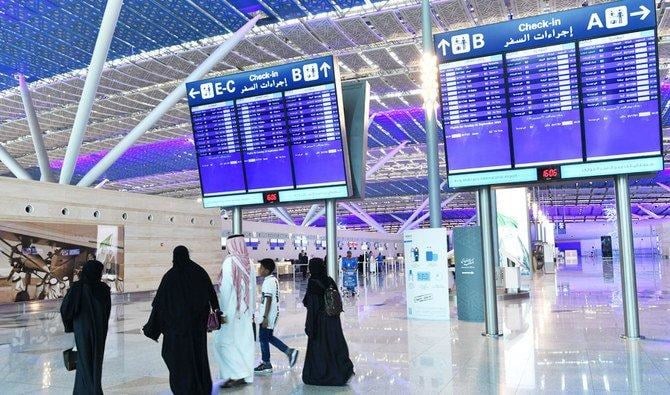
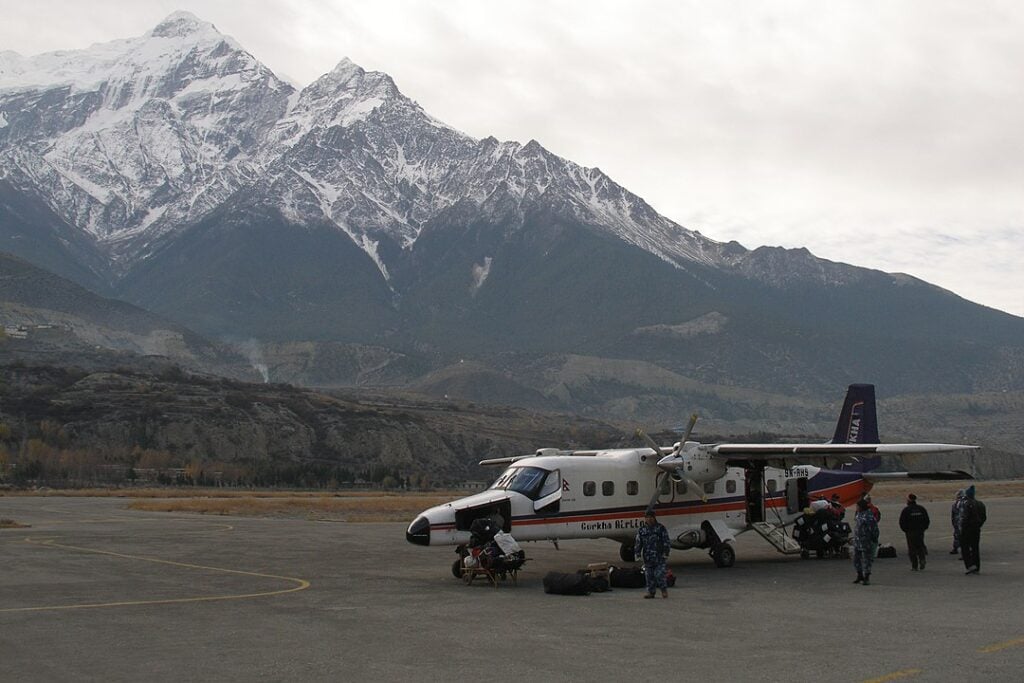
- Nepal has resumed issuing work permits for seven Middle Eastern destinations including Saudi Arabia and the UAE.
- The resumption applies only to renewals and existing approvals, while new worker permits remain suspended.
- The six-week halt cleared a backlog of over 20,500 waiting workers who held valid visas.
(NEPAL) — Nepal resumed issuing work permits on April 21, 2026 for citizens seeking jobs in the Middle East, ending a six-week suspension imposed after regional conflict following the U.S.-Israeli war on Iran.
Authorities restarted the process on Tuesday for seven destinations: Saudi Arabia, UAE, Qatar, Oman, Yemen, Jordan and Turkey. Permits for new workers remain suspended, while renewals and cases that already had approval can move ahead.

The Department of Foreign Employment had stopped permits from March 1, 2026 for 12 countries amid safety concerns for Nepali workers. The halt covered Kuwait, Bahrain, Iraq, Lebanon, Israel, Saudi Arabia, UAE, Qatar, Oman, Yemen, Jordan and Turkey.
Pitambar Ghimire, spokesperson for Nepal’s labour ministry, said the decision followed advice from the foreign ministry and high demand from workers. The move eased a bottleneck that had built quickly because Nepal requires government-issued permits for all foreign employment.
That requirement turned the suspension into an immediate obstacle for workers who had already secured visas, agency processing and travel plans. Even with employers ready to receive them, they could not leave without clearance from the government.
By February 12, 2026, Nepal had issued 70,503 foreign employment permits, with 48,226 tied to those 12 West Asian countries. The figures show how heavily Nepali labour migration depends on that corridor.
Baikuntha Paudel, general secretary of the Nepal Association of Foreign Employment Agencies, said about 20,500 workers with visas were waiting for permits during the suspension. That included 10,000 bound for the UAE, 5,500 for Saudi Arabia and 5,000 for Qatar.
Agencies also said the shutdown blocked more than 2,000 workers each day. Those numbers point to a queue that stretched well beyond a routine paperwork delay and into a wider interruption for households that depend on migration income.
The restart does not cover every country affected by the original order. Official details give priority to the seven destinations reopened Tuesday, while one report mentioned Israel and three Gulf countries without confirmation from the authorities.
That leaves the status of the remaining countries narrower than the scope of the initial ban. Kuwait, Bahrain, Iraq, Lebanon and Israel were among the destinations covered when the suspension began, but Tuesday’s reopening notice centered on the seven countries now processing permits again.
The distinction between new applicants and workers already in the system is central to the new arrangement. Nepali workers seeking their first permit for those destinations still cannot proceed, while those renewing contracts or holding prior approvals have a path forward.
That split is likely to shape the line outside labour offices and manpower agencies in the coming days. Workers who already paid for visas and completed earlier stages of recruitment stand to move first, while first-time departures remain frozen despite the broader reopening.
Nepal’s dependence on Gulf employment gives the decision weight beyond administrative scheduling. Four of Nepal’s top five migrant destinations are Gulf states, placing the permit system at the center of remittance-linked household planning and labour outflows.
The pause had hit that system at a sensitive moment. Saudi Arabia, the UAE and Qatar alone accounted for 20,500 waiting workers cited by agencies, concentrating the backlog in markets that draw large numbers of Nepali workers each year.
Employers in those countries often recruit in batches tied to contract dates, project needs and seasonal labor demand. When permits stop, the disruption reaches beyond the worker holding a visa and into agencies, recruiters and families that have already committed money and time to departure.
Nepal framed the original suspension as a safety measure tied to regional conflict, and Tuesday’s resumption followed consultation with the foreign ministry. That sequence shows the labor decision remained tied to diplomatic and security assessments rather than to demand alone.
Demand still weighed heavily in the restart. With thousands already holding visas and renewals pending, the government faced pressure from workers and agencies to reopen at least part of the channel, particularly for countries where the process could resume without restoring full access for new applicants.
The staggered approach offers a partial release valve. Renewals can proceed, existing approvals can move, and the queue for some workers can begin to shrink, but the suspension on first-time permits means the labor flow will remain below normal even after Tuesday’s decision.
That matters especially for manpower companies handling placements in Saudi Arabia, the UAE and Qatar, which together made up the bulk of the documented backlog. Agencies had spent weeks holding files for workers who had visas in hand but lacked the final government approval required to board a flight.
Nepali workers headed to the Middle East often move through a tightly sequenced process, with visas, medical checks, agency handling and official permits each linked to the next step. A break at the permit stage can leave every earlier expense stranded until the government reopens the system.
Tuesday’s decision begins to clear that block, but it does so selectively. Workers with renewals and prior approvals now move ahead for seven countries, while first-time applicants remain outside the restart and several destinations from the original suspension remain absent from the official reopening list.
The result is a partial normalization rather than a full return to pre-March 1, 2026 processing. After six weeks of suspended permits, thousands of Nepali workers now have a route back into the system, led by the Gulf states that sit at the center of Nepal’s overseas employment market.