- U.S. consulates in India released limited visa slots for H-1B, H-4, and F-1 applicants in irregular batches.
- Applicants report sporadic openings in April and May 2026 across major cities like Delhi and Mumbai.
- Severe backlogs persist following December 2025 disruptions and new social media vetting requirements.
(INDIA) — U.S. consulates in India have begun releasing limited H-1B, H-4 and F-1 visa interview slots in small, irregular batches, offering the first visible easing after months of severe scarcity that began in mid-December 2025.
Applicants have reported openings at Delhi, Mumbai, Chennai, Hyderabad and Kolkata, but the slots have appeared without a fixed schedule and often disappeared within minutes. The pattern points to a gradual resumption, not a broad reopening.

Recent openings for H-1B and H-4 interviews have surfaced sporadically for April and May 2026. Many of those appointments required applicants to have already secured biometrics, also known as Visa Application Center, or VAC, appointments, which have themselves been released slowly and at times one at a time.
Student visa availability has also started to improve ahead of the Fall 2026 intake. F-1 applicants have seen more regular batch releases, while emergency requests submitted before August 12, from prior periods, remained a priority in the system.
No official embassy announcement has confirmed broad visa availability across India. The releases remain uneven, and the openings do not indicate that the backlog has cleared.
The congestion traces back to December 15, 2025, when H-1B and H-4 interviews were rescheduled to March-April 2026. Added social media vetting requirements deepened the delay and left many workers, dependents and students watching appointment calendars with little warning.
That backlog reshaped plans for people trying to return to U.S. jobs, join family members, or reach campuses before term deadlines. Consular scheduling, already tight in several cities, became harder to predict as interview capacity and biometrics availability moved at different speeds.
The latest pattern does not resemble a normal appointment calendar. Slots are appearing in small bursts rather than through a stable release cycle, which has pushed applicants toward constant monitoring instead of scheduled booking windows.
One of the main tools applicants are using is CheckVisaSlots, which tracks live appointment availability in India for H-1B, F-1 and B1/B2 visas and refreshes every 2 minutes. Applicants still must complete the booking process through U.S. Travel Docs India.
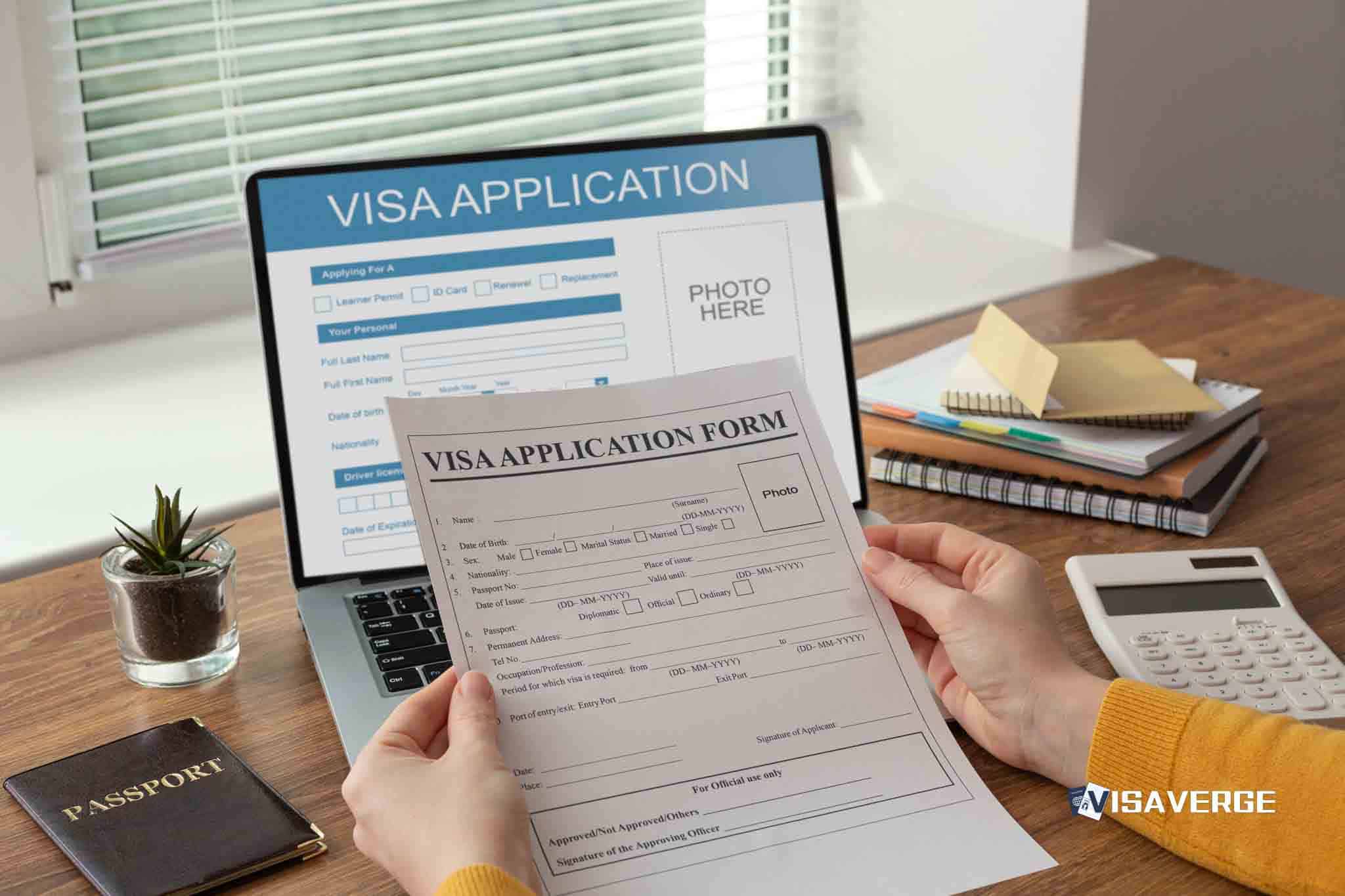
The process starts with creating a profile, paying the visa fee and booking the first available appointment. Applicants then can request an expedited appointment, but only after they hold a confirmed date in the online system.
Expedite requests require proof of urgency, such as school start dates. Weddings and tourism do not qualify, and applicants are warned not to cancel an existing appointment unless they receive email confirmation that an expedite request was approved.
Questions about scheduling can be sent to [email protected]. Applicants are also contending with a migration to a new scheduling platform, which has added another layer of adjustment to a system already under pressure.
People with prior visa refusals can face restricted access in the appointment process. That has made the scramble for available dates harder for a group already dealing with tighter screening and fewer chances to rebook quickly.
Wait times now vary by post and can change from week to week based on local workload. Applicants can track post-by-post estimates through consular wait times, though those figures do not replace the day-to-day reality of random slot releases.
The mismatch between official silence and visible activity has become a defining feature of the current phase. U.S. consulates are releasing appointments, but in numbers small enough that many applicants still see a market shaped by scarcity rather than steady access.
In practical terms, that leaves applicants chasing narrow windows at multiple stages: first for biometrics, then for interviews, and finally for any expedite approval. A worker with an approved H-1B petition, a dependent seeking an H-4 visa, and a student trying to secure an F-1 visa before classes begin all face the same basic problem, timing.
Demand remains intense because the pipeline includes more than new applicants. It also includes people whose earlier interviews were pushed forward from the December 15, 2025 disruption, creating a queue that still runs through spring scheduling.
The slow return of interview capacity has given applicants a sign that the freeze-like conditions of recent months are easing. Full normalization, however, still depends on clearing the older backlog that built up after the rescheduling wave and the tighter vetting rules.
Until that happens, the most reliable pattern is instability itself. Slots are back at U.S. consulates in India, but they are arriving in fragments, filling fast, and keeping applicants in a race measured in minutes.