- U.S. consulates in India resumed H-1B and F-1 visa appointments on April 21, 2026.
- New vetting procedures require public social media profiles and add 30 minutes to processing times.
- First-time H-1B interview waits in Mumbai exceed 200 days due to massive backlogs.
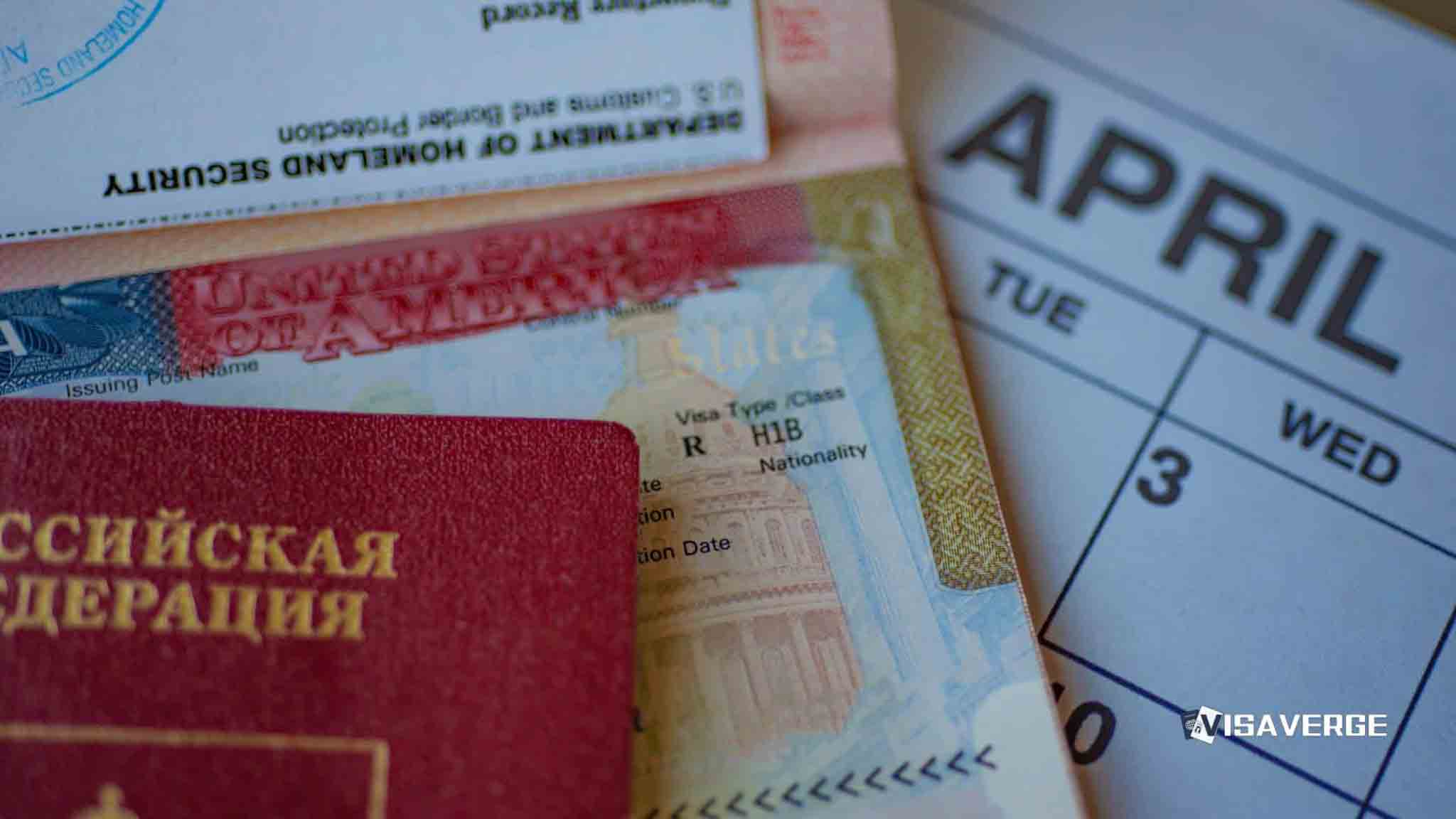
(INDIA) — The U.S. Consular Mission in India began a gradual resumption of H-1B and F-1 visa appointments on April 21, 2026, reopening some long-delayed interview capacity after months of disruption that left students, workers and employers facing extended uncertainty.
Consulates in Mumbai, Chennai and Hyderabad started releasing new batches of F-1 student visa slots for the Fall 2026 intake on Tuesday. H-1B interview slots have also reappeared in small weekly batches, typically on Fridays, with releases noted on March 27 and April 3, 2026.
Fresh availability has eased pressure only slightly. Demand remains at historic highs, and the system is still absorbing the effects of a late 2025 mass rescheduling event that pushed many appointments months into the future.
A Jan. 22, 2026 email to applicants from the U.S. Consulate in Chennai laid out the operational strain. “Due to operational constraints related to processing these visas and to ensure that no applicants issued a visa pose a threat to U.S. national security or public safety, the U.S. Consulate in Chennai must reduce the number of applicants each day. We look forward to assisting you on your new appointment date.”
U.S. Ambassador Sergio Gor addressed the backlog on March 13, 2026, saying the delays are part of “broader global security and vetting measures” and are not intended to target Indian nationals. He said the United States remains “committed to welcoming skilled talent” while balancing “border security and supporting global talent mobility.”
A U.S. Embassy India spokesperson then announced on March 21, 2026 that the screening regime had widened. “The Department of State conducts thorough vetting of all visa applicants, including an online presence review. Beginning December 15, we are expanding the online presence review to all specialty occupation temporary worker (H-1B) visa applicants and their dependents in the H-4 visa classification.”
That online presence review took effect on December 15, 2025 for H-1B and H-4 applicants. Applicants must set their social media profiles to “public” at least one week before the interview, and consular officials estimate the additional screening adds about 30 minutes of processing time per application.
The change has become a central part of visa processing in India because the mission is handling heavy demand while applying a broader national security-based approach to adjudication. The policy shift has collided with staffing and scheduling limits at the five Indian posts, New Delhi, Mumbai, Chennai, Hyderabad and Kolkata.
Pressure intensified after the suspension of Third Country National processing, which had allowed Indian applicants to seek visa stamps in countries such as Thailand or Germany. With that option curtailed, demand has flowed back into India’s own posts and lengthened already strained wait times.
Mumbai now has first-time H-1B interview waits exceeding 200 days. At the same time, U.S. Citizenship and Immigration Services announced on March 31, 2026 that it had received enough registrations to reach the FY-2027 H-1B cap, a reminder that visa demand remains strong even as interview capacity struggles to recover. Approximately 73% of H-1B principal applicants are Indian nationals.
The reopening of student appointments carries its own urgency. State Department data showed a 62% drop in Indian student visa issuance in 2025 because of vetting pauses, and the release of new F-1 slots comes as universities prepare for the Fall 2026 semester.
Even with the new releases, access remains uneven. F-1 applicants with prior visa refusals do not currently have slots available under the stricter vetting regime, narrowing options for students who were denied earlier and want another interview before classes begin.
Workers caught in the late 2025 disruption continue to face the longest delays. Thousands of H-1B holders who traveled to India in late 2025 saw return appointments pushed to March–June 2026, and some were moved as far out as early 2027.
Those delays have spilled into U.S. workplaces. Employers have reported “frantic” efforts to manage project timelines while Indian specialists remain abroad waiting for visa stamping appointments needed to re-enter the United States.
Procedure changes outside the interview calendar have added another layer of adjustment. The consular exchange rate for visa fees changed on April 1, 2026 from ₹94 to ₹96 per USD, affecting the rupee amount applicants pay for fees tied to dollar-priced services.
USCIS also changed its filing requirements on the petition side of the system. As of April 1, 2026, the agency accepts only the 02/27/26 edition of Form I-129, the petition used by employers seeking H-1B classification.
The result is a visa pipeline in which approvals, registrations and interview access are moving on different clocks. USCIS has already closed the FY-2027 H-1B cap registration cycle, but many workers still face waits of months to secure a consular interview and travel back to the United States.
Students are confronting a similar mismatch. Universities may issue admission documents on academic timelines, but visa availability now depends on batches of appointments released in bursts, after a year in which issuance fell sharply and screening expanded.
The late 2025 mass rescheduling continues to shape how applicants read each new slot release. Some who had interviews moved once are watching for openings week by week, while first-time applicants are entering a system still working through earlier postponements.
Indian demand for both skilled worker and student visas has long been large, but the current backlog reflects more than volume alone. Reduced daily applicant capacity in Chennai, wider vetting requirements and the loss of Third Country National processing have combined to slow a system that once offered more flexibility.
Official updates remain spread across several U.S. government channels. Applicants tracking changes to interviews and consular operations can check the U.S. Embassy & Consulates in India, while petition and cap updates appear in the USCIS Newsroom and on the H-1B Electronic Registration Process page. The Department of State Visa Bulletin remains part of the broader federal visa information system, even as interview scheduling in India stays shaped by security screening, staffing limits and the long aftereffects of mass rescheduling.