- Consular posts in India report sporadic H-1B appointment openings after months of total unavailability.
- Experts warn workers against leaving the U.S. solely to secure stamps due to unpredictable delays.
- Regular appointment inventory remains booked through 2026 with some dates pushed into May 2027.
(INDIA) – H-1B stamping appointments in India have started appearing sporadically after months of near-total unavailability, but an immigration expert is warning workers already in the United States not to leave the country solely to secure a visa appointment.
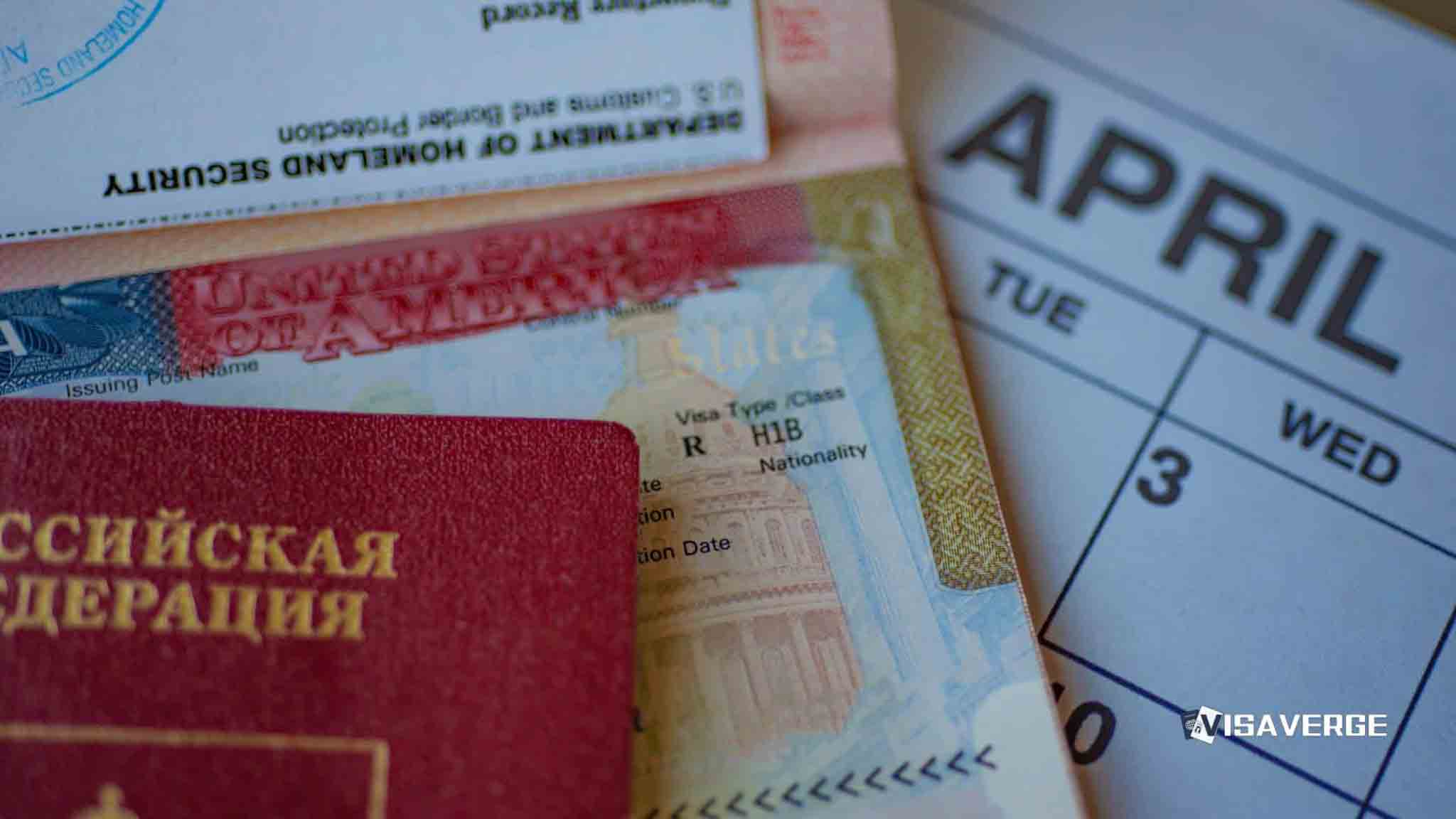
The immediate issue is travel, not work authorization inside the United States. An approved Form I-797 controls a worker’s H-1B status and authorized stay in the country. The visa stamp in the passport is needed only to seek re-entry after international travel. A worker who remains in the United States does not need fresh stamping to keep working during a valid approval period.
That distinction has become more important after major disruptions at U.S. consulates in India. In December 2025, consular posts in New Delhi, Mumbai, Chennai, Hyderabad, and Kolkata canceled or pushed back thousands of H-1B appointments. Many were moved to May 2026, June 2026, or later. Workers who had traveled to India during holidays were left waiting abroad for new interview dates.
The backlog did not ease quickly. By January 27, 2026, regular H-1B appointment inventory in India was effectively booked through the rest of 2026, with the earliest dates moving into May 2027. By February 2026, wait times for petition-based temporary workers, the State Department category that includes H, L, O, P, and Q visas, had reached unusually high levels across Indian consulates.
Recent openings have changed the picture only slightly. Appointment slots are appearing at irregular intervals, prompting a rush among applicants already in India. Immigration lawyers say the harder part is not booking a slot, but returning on schedule after interview delays, security checks, or last-minute changes in appointment inventory.
That caution has practical weight in the current H-1B cycle. The United States is already in FY 2027, with cap-selected petitions filed for jobs that begin on October 1, 2026. A worker chosen in the cap season who travels abroad before securing a visa stamp can face a long gap between petition approval and actual return to work in the United States.
⚠️ Employer Alert: A valid I-797 approval notice allows H-1B employment inside the United States, but it does not guarantee re-entry after overseas travel.
Law firms tracking the issue have urged workers not to travel to India without a valid visa stamp already in the passport. Their concerns include backlogs, tighter vetting, and fewer predictable appointment patterns. Some attorneys have also pointed to the loss of easier dropbox options in many cases and the difficulty of obtaining expedited appointments once a traveler is abroad.
Another risk is timing. Consular processing does not operate on the same schedule as USCIS petition approval. A worker can have a valid H-1B petition and still remain stuck outside the country while waiting for interview clearance or passport return. Companies with client deadlines or fixed project start dates have little room to absorb that delay.
Industry groups, including NASSCOM and the U.S.-India Business Council, have pressed for remote validation options to reduce dependence on in-person appointments. That relief does not appear close. Current assessments from people following the process place any broader remote solution no earlier than late 2026.
HR teams have started adjusting to that reality. Some immigration counsel now advise employers to budget 18 to 24 months for stamping-related travel planning in India. They are also tracking weekly slot releases, which applicants often report appearing around Wednesday midnight IST. The pattern is not guaranteed, but it has become part of internal travel planning for many employers.
Some companies are also deciding case by case whether remote work from India is possible if an employee becomes stranded during visa processing. That option depends on payroll, tax, data security, and local labor law issues. It does not solve re-entry, but it can reduce business disruption while a worker waits for stamping.
| India H-1B stamping timeline | Status |
|---|---|
| December 2025 | Thousands of appointments canceled or moved to May-June 2026 or later |
| January 27, 2026 | Regular H-1B slots booked through 2026; earliest dates shifted to May 2027 |
| February 2026 | Wait times for petition-based workers reached extreme levels |
| April 14, 2026 | Sporadic openings reported, but no steady appointment supply |
? Key Date: October 1, 2026 is the start date for approved FY 2027 cap-subject H-1B employment.
The visa stamp itself is a passport sticker issued by a U.S. consulate. It allows the traveler to apply for admission at a port of entry. It is separate from work authorization granted through the approved petition. For many Indian nationals, the stamp is often issued for up to three years, though validity can vary by case and reciprocity rules.
Employees planning travel should check whether the passport, current visa, and I-797 dates align before booking flights. Employers should confirm the role, salary, and worksite details in the petition remain accurate. Pay must still meet the higher of the actual wage or prevailing wage. Prevailing wage levels remain tied to the SOC code and work location, with Level I drawing added scrutiny in H-1B filings.
Anyone still deciding whether to travel should weigh the benefit of an available interview against the risk of being unable to return on time. Employers should start travel planning early, monitor consular inventory each week, and build backup staffing plans. Employees should avoid assuming a booked appointment guarantees a quick return, and they should track wait times on the State Department page for petition-based temporary workers by consulate city.
? Official Resources:
– [H-1B Program](https://www.uscis.gov/working-in-the-united-states/h-1b-specialty-occupations)
– [Cap Season](https://www.uscis.gov/working-in-the-united-states/temporary-workers/h-1b-specialty-occupations/h-1b-cap-season)
– [Prevailing Wages](https://flcdatacenter.com)