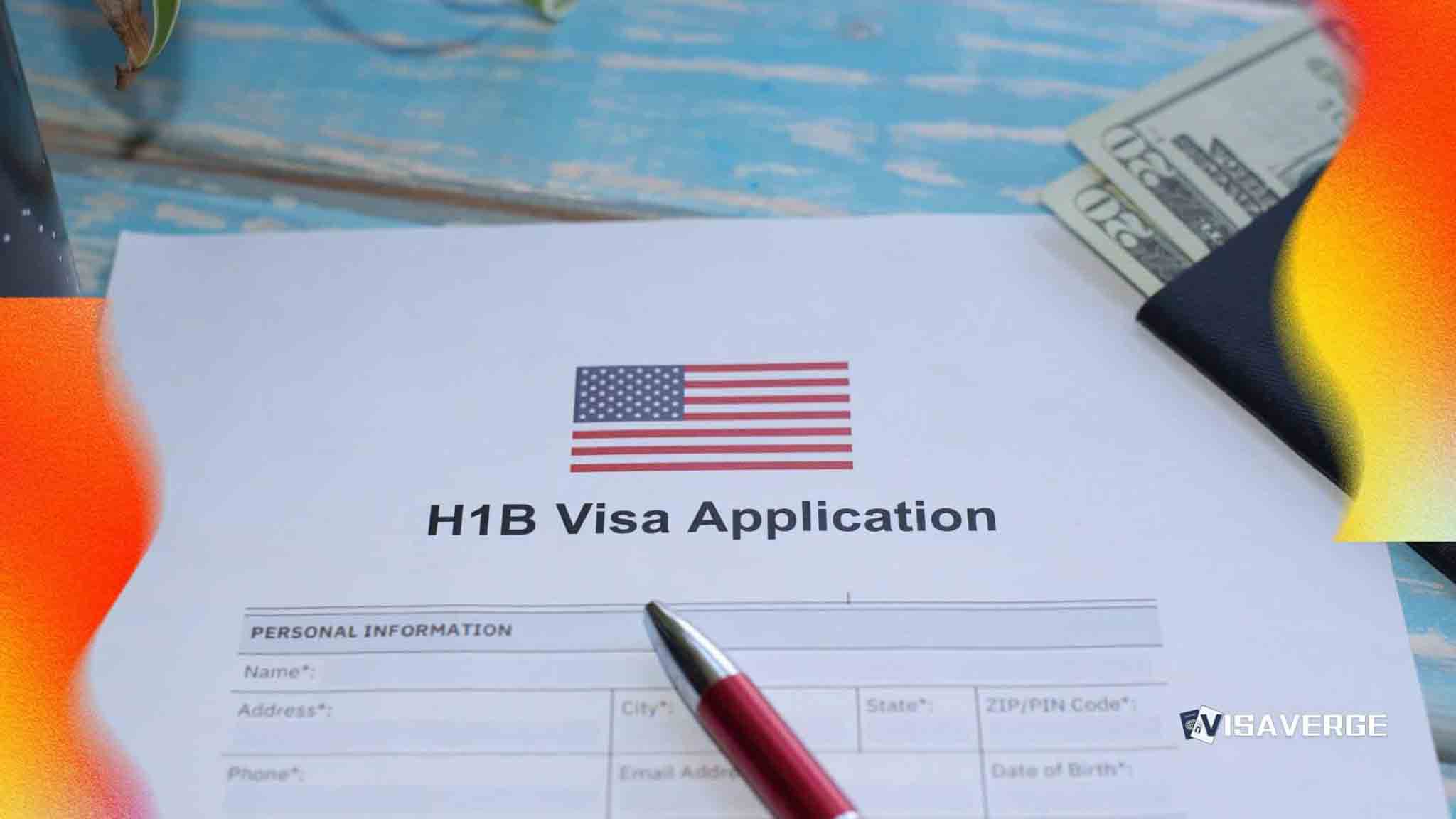
- The FY 2027 H-1B petition filing window is open until June 30, 2026 for selected registrations.
- Critics accuse companies like Meta of displacing American workers through heavy reliance on H-1B visa holders.
- Research shows mixed results regarding whether H-1B hiring suppresses local wages or sparks company growth.
(UNITED STATES) — The FY 2027 H-1B cap season is now in its filing stage, with selected registrations moving through the April 1, 2026, to June 30, 2026 petition window as a separate fight over the program has centered on Meta and whether large tech employers use H-1B hiring to hold down pay or replace U.S. workers.
The annual cap remains 85,000 places, split between 65,000 regular cap numbers and 20,000 for the advanced degree exemption. USCIS still uses the beneficiary-centric system, which gives each worker one registration chance even if several employers submit entries. That rule was designed to cut duplicate filings and reduce gaming of the lottery.
Meta has become a target in that debate. Critics, including some investors and labor advocates, argue that the company has relied heavily on H-1B workers while cutting U.S. staff. The allegation is straightforward: heavy visa use can suppress wages and displace domestic workers, especially in software and IT roles.
Free toolH-1B Cost Calculator OnlineThe Economic Policy Institute has been one of the sharpest voices in that argument. Its analysis said Google and Meta together hired more than 3,100 new H-1B workers in 2022. It also said Meta had described itself in government filings as H-1B dependent, meaning more than 15% of its U.S. workforce held H-1B status.
That criticism matches language used by the federal government in past policy statements. A White House proclamation said the H-1B program had been exploited to replace, rather than supplement, American workers. It said the IT sector’s share of the program rose from 32% in FY 2003 to an average of more than 65% in the last five fiscal years cited there.
The research record is less clear-cut than the political language. A 2025 Richmond Fed analysis found that firms often expand after hiring H-1B workers and found no evidence that those hires displaced native college-educated workers. Mercatus has also said most research does not show broad wage declines or an overall drop in American jobs, though some negative effects appear in narrower settings, including some academic jobs.
| FY 2027 H-1B Milestone | Date |
|---|---|
| Registration period | Early to mid-March 2026 |
| Selection notices | Late March 2026 |
| Petition filing window opens | April 1, 2026 |
| Petition filing window closes | June 30, 2026 |
| Earliest employment start date | October 1, 2026 |
📅 Key Date: Selected FY 2027 cap cases must be filed by the deadline listed on the USCIS selection notice, within the broader April 1 to June 30, 2026 filing period.
The Meta dispute lands in the middle of that timeline because the cap system is not only about selection odds. It is also about wage compliance and job classification. Employers must pay at least the higher of the prevailing wage or the actual wage for the role. The wage level depends on the SOC code and worksite location, with Level I covering entry roles and Level IV covering the most experienced positions.
USCIS has given closer review to cases with broad job duties, weak degree links, client-site placement issues, and Level I wages. That matters in tech, where job titles can be vague and job descriptions often overlap. An employer that files for a software role should be prepared to show why the position qualifies as a specialty occupation and why the salary fits the duties.
⚠️ Employer Alert: The required government fees remain the employer’s burden for core H-1B costs, including the $215 registration fee, $780 Form I-129 fee, $500 fraud fee, and the $750 or $1,500 ACWIA fee.
| H-1B Fee | Amount | Required |
|---|---|---|
| Registration | $215 | Yes |
| Form I-129 filing | $780 | Yes |
| ACWIA fee | $750 to $1,500 | Yes |
| Fraud prevention fee | $500 | Yes |
| Premium processing | $2,805 | No |
What happens next depends on selection status. A selected beneficiary can move to the petition stage, which includes the certified Labor Condition Application, Form I-129, supporting evidence for the specialty occupation, and wage documentation. If approved under the cap, the earliest work start date remains October 1, 2026.
A worker who was not selected in the FY 2027 lottery does not have many cap-subject options until the next cycle. USCIS can run additional selections if enough approved petitions do not materialize, but there is no guarantee. Cap-exempt jobs at universities, nonprofit research organizations, and related entities remain available year-round.
Other alternatives depend on the facts of the case. An O-1 may fit workers with sustained national or international acclaim. An L-1 may work for intracompany transferees who spent at least one continuous year abroad with a related entity. Treaty-based categories and employment authorization through another status may also be relevant, but each route has separate rules and evidence standards.
💼 Employee Tip: Check the SOC code, wage level, worksite address, and degree field listed in the petition. A title alone does not show whether the offered role matches H-1B rules.
The broader evidence does not prove a simple link between Meta’s H-1B use and net U.S. job loss. It does show why the company has drawn scrutiny. Labor advocates and past White House statements say large H-1B users can depress pay or shift work offshore. Economic studies often show expansion, mixed labor effects, or no measurable displacement of college-educated native workers.
That tension is likely to remain in the next cycle. Employers planning for FY 2028 should expect the next registration window in March 2027, with selections by late March and cap filings starting April 1, 2027. Petition preparation should begin months earlier, especially where prevailing wage review, degree evaluations, or third-party placement documents are involved.
Employers still in the FY 2027 filing window should confirm the Labor Condition Application matches the offered worksite, salary, and job duties before filing. Employees should review whether the offered pay meets the prevailing wage level for the listed occupation and area, and whether the degree requirement is tied directly to the job. Both sides should keep the USCIS cap notice, filing deadline, and approval timeline in view before the October 1, 2026 start date.
📋 Official Resources:
–
–Learn TodayBeneficiary-centricA lottery system where each individual worker has one entry regardless of how many employers register them.Prevailing WageThe average wage paid to similarly employed workers in a specific occupation and geographic area.Specialty OccupationA position requiring theoretical and practical application of a body of highly specialized knowledge and a bachelor’s degree.ACWIA FeeA training fee paid by H-1B employers to fund scholarships and training for U.S. workers.