(INDIA) — Microsoft has warned its H-1B and H-4 employees to avoid international travel as U.S. consulates in India and several other countries reschedule visa interviews into March–June 2026, creating the risk of workers being stranded abroad.
The advisory, authored by Microsoft Associate General Counsel for Immigration Jack Chen, comes as U.S. consulates have begun moving interview dates that were set for December 15, 2025, or later. Microsoft told employees to return to the United States before their current visa stamps expire. It also flagged that rescheduling notices may arrive before travel or after arrival.
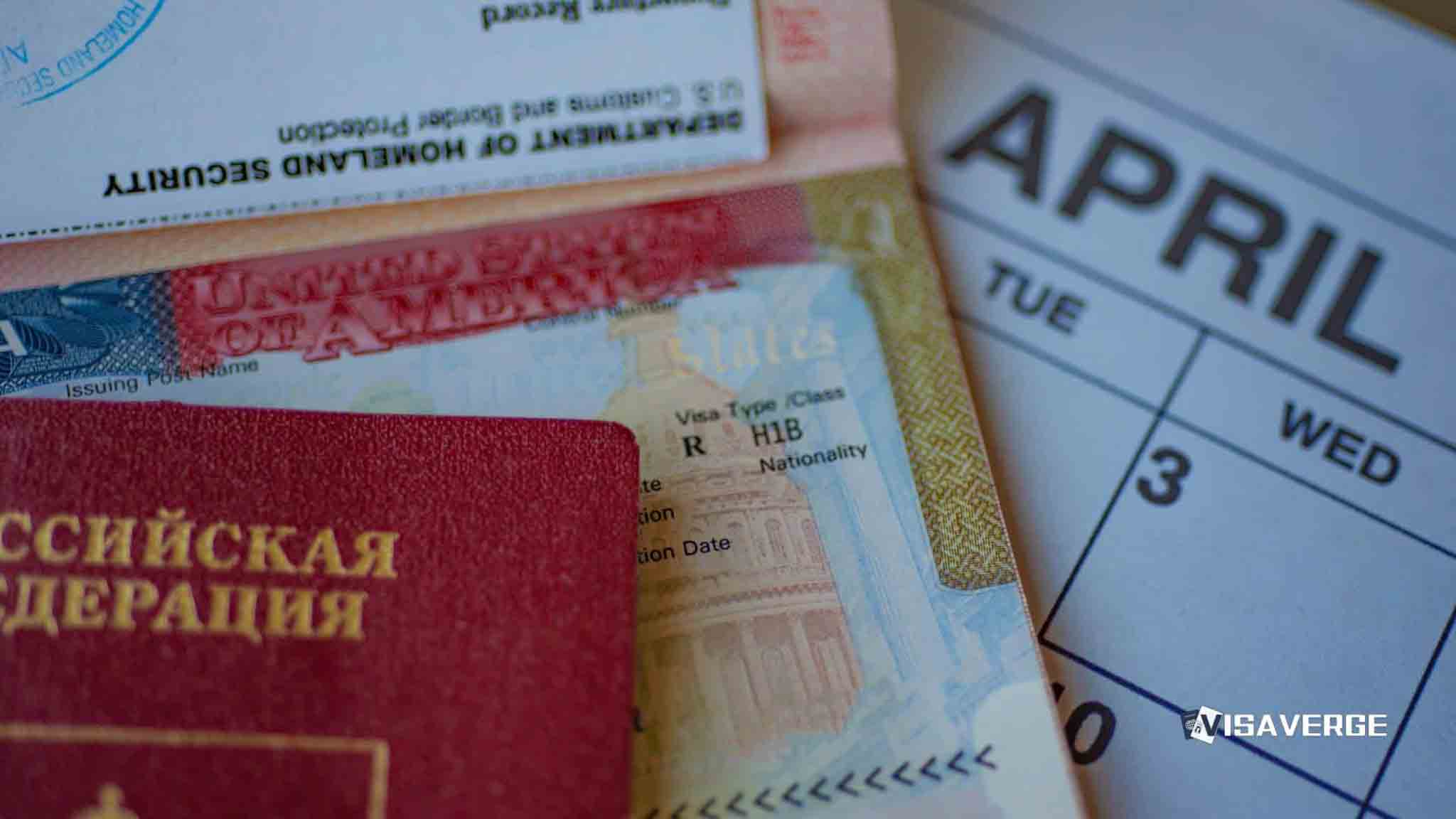
For FY 2026 H-1B workers who started or extended employment on October 1, 2025, the timing is especially disruptive. Many employees travel during late December and early January. A delayed H-1B or H-4 stamp can prevent re-entry, even with an approved I-129 and valid I-94.
Free toolH-1B Cost Calculator Online
? Key Date: December 15, 2025 is the reported start date for the new vetting process affecting H-1B and H-4 stamping appointments.
October 2026 Final Action Dates
India China ROW EB-1 Feb 01, 2023 ▲109d Jul 01, 2023 Current EB-2 Nov 01, 2013 Oct 01, 2021 ▲30d Jan 01, 2025 EB-3 Jan 01, 2014 Jan 08, 2022 ▲7d May 15, 2024 ▼109d F-1 Jan 22, 2020 Jan 22, 2020 Jan 22, 2020 F-2A Sep 22, 2026 ▲31d Sep 22, 2026 ▲31d Sep 22, 2026 ▲31d
What is driving the H-1B/H-4 visa stamping delays
Microsoft attributed the slowdown to the U.S. Department of State’s new online presence review for H-1B and H-4 visa applicants, effective December 15, 2025. The process requires additional screening, including social media-related review.
That additional review reduces daily interview and adjudication capacity while posts adjust staffing and workflows. This follows a similar expansion of online presence screening for F, J, and M visas that began June 18, 2025, and employers now expect the H-1B and H-4 lines to experience the same “capacity shock.”
Where rescheduling is concentrated, and how far dates moved
Microsoft reported the heaviest rescheduling activity in Chennai and Hyderabad and noted unverified reports from other posts. Some employees have received new dates extending to June 2026.
Separate employer communications across the sector indicate unilateral rescheduling began around December 8, 2025. Reported affected locations include India posts, plus certain posts in Ireland and Vietnam.
Employees are being told not to appear on their original appointment dates. They must print the updated confirmation from the consular portal.
⚠️ Employer Alert: A worker outside the U.S. without a valid H-1B stamp generally cannot re-enter until the new visa is issued, even with an approved petition.
Why this matters even if the H-1B petition is approved
An approved H-1B petition, by itself, does not function as a travel document. For most workers, re-entry requires all three of the following:
- A valid H-1B visa stamp in the passport
- A valid I-94 (or eligibility to obtain one at entry)
- The approved I-129 and supporting employment documentation
If the visa stamp expires while the employee is abroad, the employee typically must wait for the new stamp. That can interrupt work authorization in practice, even if the underlying H-1B status would have been valid inside the U.S.
Microsoft also flagged payroll and tax limitations for employees stuck abroad, tied to internal global mobility and compliance controls. Many companies have similar rules that restrict where employees can perform work due to tax and employment law exposure.
Emergency appointments are unlikely
Microsoft told employees that emergency appointments are “highly unlikely” under current conditions. That matters for workers facing expiring stamps, urgent family travel, or project deadlines.
Employees should plan for longer-than-normal stays abroad if they travel for stamping. Employers should plan for sudden staffing gaps.
⏰ Deadline: If your appointment was scheduled for December 15, 2025 or later, check the portal and email daily for rescheduling notices.
Practical compliance impacts for employers
H-1B compliance obligations continue even when consular delays disrupt operations. Employers should review these risk areas:
- Worksite and location controls: Moving work to a new area can trigger a new LCA posting requirement.
- Benching and pay: If the worker is in the U.S. in H-1B status and available to work, wage obligations can apply.
- Third-party placements: Client site letters and itineraries face heavier scrutiny, which matters for future extensions.
- Project timing: FY 2026 work plans may need contingency staffing through mid-2026.
Salary planning also matters for extension filings. Employers must pay the higher of the prevailing wage or actual wage. Level I wages remain a scrutiny point.
Prevailing wage levels
| DOL Wage Level | Percentile | Typical Experience |
|---|---|---|
| Level I | 17th | 0–2 years, close supervision |
| Level II | 34th | 2–4 years, limited judgment |
| Level III | 50th | 4–6 years, independent |
| Level IV | 67th | 6+ years, expert |
What employees on H-1B and H-4 should do now
Microsoft asked employees to complete an internal survey and update it if dates change. Other companies are collecting the same data to help immigration teams triage urgent cases and plan staffing.
Employees should focus on these steps:
- Confirm your visa stamp expiration date and avoid travel close to expiry.
- Track your case daily in the consular portal and save screenshots of changes.
- Keep documentation ready for the interview, including recent pay statements and employment verification.
- If you are already abroad and rescheduled, notify your employer immediately for contingency planning.
Biometrics appointments have generally remained valid, but employees should confirm each step for their post.
FY 2026 H-1B context and why planning is tighter this year
FY 2026 H-1B remains capped at 85,000 new cap numbers. Selection is now beneficiary-centric, which limits duplicate registrations.
FY 2026 cap timeline remains the planning baseline for most employers:
| FY 2026 Milestone | Date |
|---|---|
| Registration Period | Early-to-mid March 2025 |
| Selection Notification | Late March/Early April 2025 |
| Filing Window | April 1 – June 30, 2025 |
| Employment Start | October 1, 2025 |
Consular backlogs into mid-2026 create a second bottleneck after petition approval. That bottleneck hits both new H-1B entrants abroad and existing H-1B workers who travel.
Action steps employers and employees should take this week
Employers should:
- Freeze non-essential international travel for H-1B and H-4 populations through at least Q1 2026.
- Confirm wage compliance and location changes before remote work shifts.
- Plan for contingency staffing and updated project timelines.
Employees should:
- Remain in the U.S. if their stamp is near expiration.
- If travel is unavoidable, plan for a long stay abroad and document contingency work rules in writing.
- Monitor USCIS and consular communications daily.
Both parties should monitor USCIS policy updates and cap-season guidance for FY 2027 planning. Official program guidance remains on USCIS’s H-1B pages.
? Official Resources:
– H-1B Program: H-1B Program
– Cap Season: Cap Season
– Prevailing Wages: Prevailing Wages
Microsoft is warning foreign employees that U.S. consulates have begun moving H-1B and H-4 visa interviews to 2026 due to a new social media vetting process. Starting December 15, 2025, additional online reviews will slow down processing in major hubs like Chennai and Hyderabad. Employees are advised to return to the U.S. before their current stamps expire to avoid being stranded abroad without re-entry documents.