DHS Proposes Ending Deference to Prior USCIS Approvals for H-1B Extensions
The proposed change would cover Form I-129 extensions across several nonimmigrant categories, but its annual estimate counts petitions rather than individual workers.
At a glance
- DHS estimates 208,429 potentially eligible petitions a year across multiple nonimmigrant classifications.
- A timely filed extension generally permits qualifying workers to continue employment for up to 240 days after I-94 expiry.
- DHS says historical denial rates did not statistically differ between periods with and without deference.
Reviewed November 13, 2026 Checked against the Federal Register
The Department of Homeland Security proposed ending the requirement that U.S. Citizenship and Immigration Services generally defer to earlier approvals when reviewing certain work-status extensions. Published on October 14, 2026, the proposal covers H-1B and other nonimmigrant worker petitions filed on Form I-129.
Employers filing extensions and the workers named in them could face renewed eligibility reviews, even when the job and employment circumstances remain the same. The proposal is not final, and the current regulation remains in force unless a final rule takes effect.
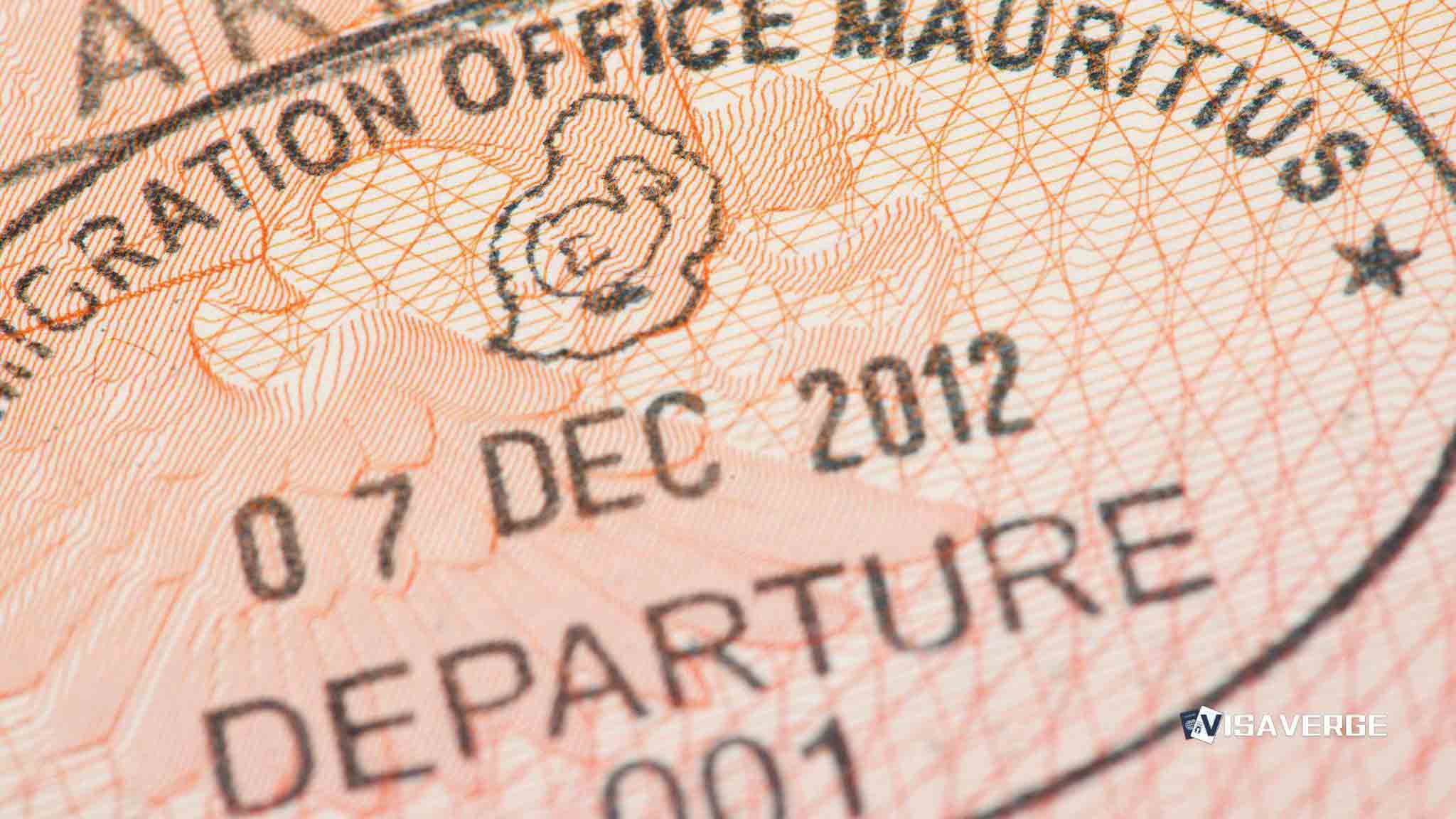
Under the existing regulation, officers generally give weight to a previous approval when the extension involves the same employer, worker and underlying facts. The rule allows officers to depart from that approval if it contained a material error, circumstances or eligibility requirements materially changed, or new adverse material information emerged.
If finalized, the proposal would remove that required deference. Officers could still consider an earlier approval, but would not have to treat it as the starting point. DHS says the change would reinforce the petitioner’s burden to establish eligibility, allow fuller fact-finding and reduce the risk of carrying an earlier error into later decisions.
Earlier approvals would no longer anchor extension reviews
The proposed change would delete 8 CFR 214.1(c)(5) and mark the paragraph “Reserved.” It would undo a provision DHS added through a 2024 final rule that took effect January 17, 2025.
DHS’s position is that the current approach can constrain officers when they consider whether a petition establishes eligibility. The department also argues that prior decisions should not prevent officers from seeking more evidence or reassessing a question that an earlier approval addressed.
That could include whether a position meets the specialty-occupation requirements. An extension could receive fresh scrutiny even if the employee remains with the same employer in an unchanged role.
208,429 measures filings, not people
DHS estimates that 208,429 petitions a year could be affected. The estimate counts potentially eligible Form I-129 petitions across classifications, not a tally of individual workers who will lose status.
Covered categories include H-1B, L-1, O-1, TN and E workers, among other nonimmigrant classifications. DHS says H-1B petitions make up more than 75% of Form I-129 filings, so the proposal reaches beyond one visa category.
USCIS reported that 77.6% of FY 2025 approvals for continuing H-1B employment went to workers born in India. DHS also found that 57% of classifiable employers filing H-1B extensions that year were small entities; the median small entity filed one petition.
More review could mean evidence requests, not automatic denials
A fresh review could lead officers to ask employers for additional documents or revisit previously approved eligibility issues. That could add work for employers and lengthen processing, although the proposal does not itself change the requirements for eligibility.
DHS says historical denial rates showed no statistically significant difference between periods with and without deference. The potential effects described in the proposal include more evidence requests and delays, not an automatic denial of an extension.
A timely filed extension generally lets an H-1B worker continue working for up to 240 days after the I-94 expires while the petition remains pending, subject to applicable rules. Longer waits could affect travel plans, including trips abroad for a new visa stamp.
Comments close November 13 under the listed docket
The current regulation remains effective while the proposal is pending. DHS has not said whether or when it will issue a final rule on deference.
Keep reading
All USCIS updates → H-2B Visa · Nov 13
H-1B Extension Proposal Comment Deadline Arrives as $100,000 Fee Remains Blocked
What does DHS’s extension-review proposal mean for H-1B, L-1, and O-1 cases? See the November 13 comment deadline and the separate fee court orders.
 B-1/B-2 Visa · Nov 13
VMS Transport Owner Armando Martinez Varela Accused of Paying B-1 Drivers 25 to 50 Cents a Mile
 H-2B Visa · Nov 11
Supreme Court Weighs Whether Labor Department Judges Can Impose H-2A Farm Penalties
 Canada · Nov 11
Canada Extends Temporary Foreign Worker Program Low-Wage Stream Permits to Two Years
What to do now
- Submit comments through Regulations.gov under docket USCIS-2026-0529 by November 13, 2026.
Who this affects
Sources
Primary documents and official agency releases referenced in this story.