- Finland granted a record 14,703 citizenships in 2025 by clearing massive application backlogs.
- Work-based permits plummeted by 25% due to a weaker labor market and high unemployment.
- Family-based migration increased by 10%, led by applicants from India, Philippines, and Sri Lanka.
(FINLAND) – Finland granted a record 14,703 citizenships in 2025, even as new immigration fell and work-based permits dropped sharply, according to figures released by the Finnish Immigration Service.
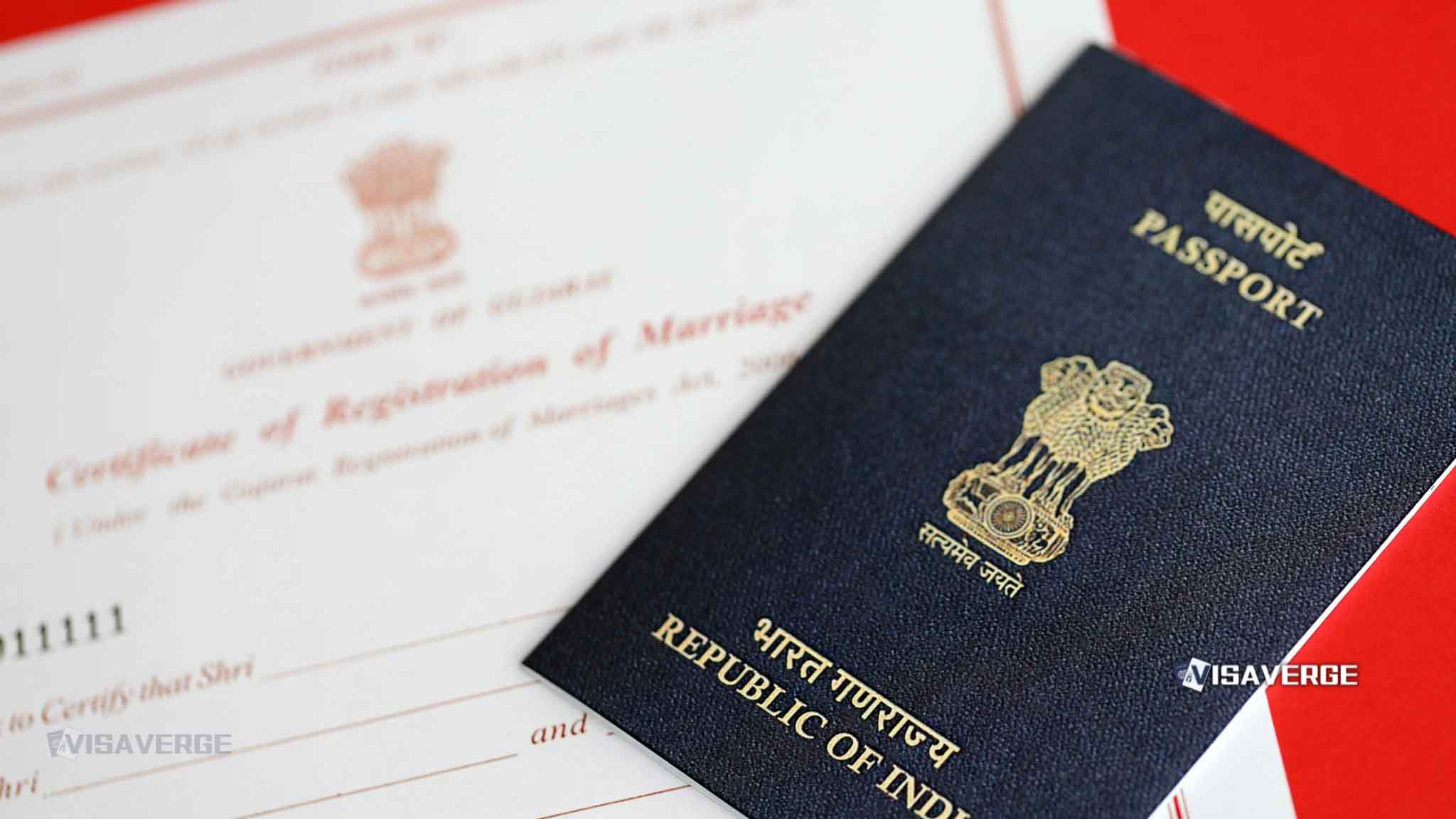
The same data showed family-based residence permits rose by about 10%, making them the only growing category, with India, the Philippines, and Sri Lanka ranking as the top nationalities among family visa applicants.
Free toolSubstantial Presence Test Calculator
Johannes Hirvelä, Director of Information Services at the Finnish Immigration Service, said the jump in citizenship decisions reflected case processing rather than a fresh surge in arrivals. The increase came from “a massive clearance of backlogged applications rather than an influx of new arrivals.”
Work-based residence permits moved in the opposite direction. Finland issued 8,384 first permits for work in 2025, down about 24-25% from the previous year.
Hirvelä tied that decline to weaker labor demand. “The economic outlook for companies is uncertain and Finland’s unemployment rate remains high. There is simply less immediate demand for foreign labor,” he said.
Those shifts point to a different pattern in Finland’s migration flows. Fewer people arrived first for jobs, while more relatives joined family members already in the country on work or study permits.
That pattern was visible in the family permit figures. The Finnish Immigration Service said most of the leading family visa applicants were joining sponsors already settled in Finland, and Indians were among the largest groups in that stream.
The policy backdrop also tightened. Finland extended the residence requirement for citizenship from 5 years to 8 years, a change that took effect in October 2024.
Another rule followed on December 17, 2025, when stricter financial self-sufficiency standards took effect for citizenship applicants. The revised test requires applicants to show stronger financial independence, including limits tied to receiving social assistance during the prior two years.
Interior Minister Mari Rantanen later proposed a new citizenship test expected in 2027. Announcing the plan on April 16, 2026, Rantanen said, “Citizenship does not come automatically. the reforms aim to encourage integration.”
The higher citizenship total in 2025 stood above the 13,973 granted in 2024. That rise came despite the broader fall in new immigration, a split that suggests officials processed older cases more quickly even as incoming labor migration cooled.
Family permits now stand out as the exception in Finland’s migration data. While the labor market slowed, family reunification kept rising, adding to evidence that migration increasingly follows earlier worker and student arrivals instead of driving them.
That matters for family visa applicants because the route often depends on the status and income of the sponsor already living in Finland. A tighter citizenship system, an 8-year residence threshold, and stricter financial tests place more weight on documentation that applicants and sponsors submit.
Official statistics from the Finnish Immigration Service show the broad direction of that shift. Related policy announcements from Finland’s Ministry of the Interior set out the citizenship changes and the proposed test overhaul.
During the same May-to-June news cycle, U.S. immigration agencies issued their own clarifications, though those statements concerned U.S. rules rather than developments in Finland. On May 29, 2026, a Department of Homeland Security spokesperson said, “There has been no broad policy change. Immigration officers will continue to decide on a case-by-case basis whether applicants should complete the green card process from abroad. This was just a reminder to officers of their discretionary authority.”
The statement came after concern over whether applicants would need to leave the United States to complete green card processing. DHS said officers would keep using case-by-case discretion rather than applying a new blanket rule.
USCIS also confirmed on May 14, 2026 that, for June 2026, applicants in all family-sponsored preference categories must use the “Dates for Filing” chart to determine eligibility for adjustment of status. That instruction appears in the agency’s newsroom updates and aligns with the State Department’s monthly Visa Bulletin.
The U.S. announcements did not address Finland, but they landed in the same period as the Finnish figures and pointed to a similar reality across immigration systems: applicants face closer attention to procedure, documentation, and case-specific review.
In Finland, the latest numbers leave a mixed picture. Authorities approved more citizenships than ever in 2025, but fewer newcomers entered through work routes, while family migration, led in part by applicants from India, the Philippines, and Sri Lanka, continued to grow.