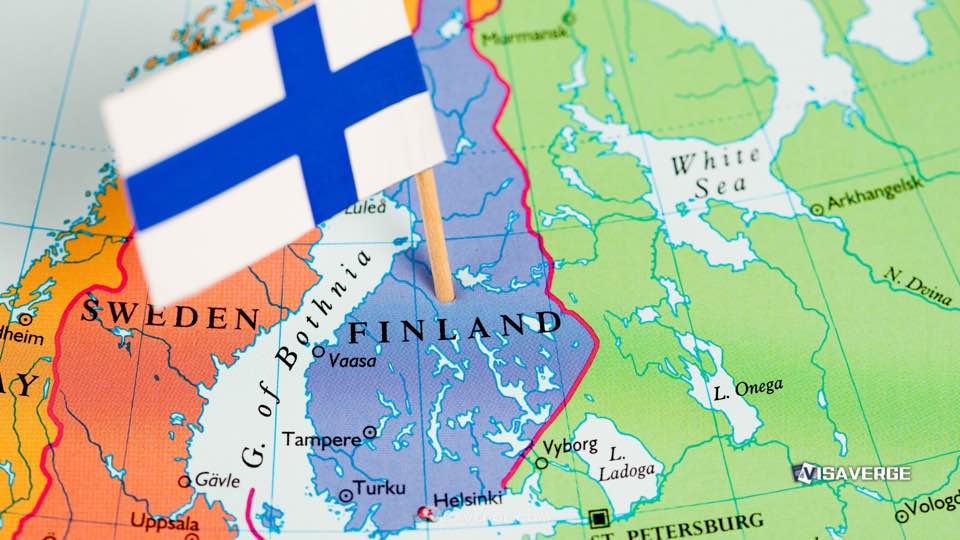
- Finland granted a record 14,703 citizenships in 2025 despite a significant drop in new applications.
- Authorities implemented stricter residency and income requirements for permanent residence and citizenship pathways.
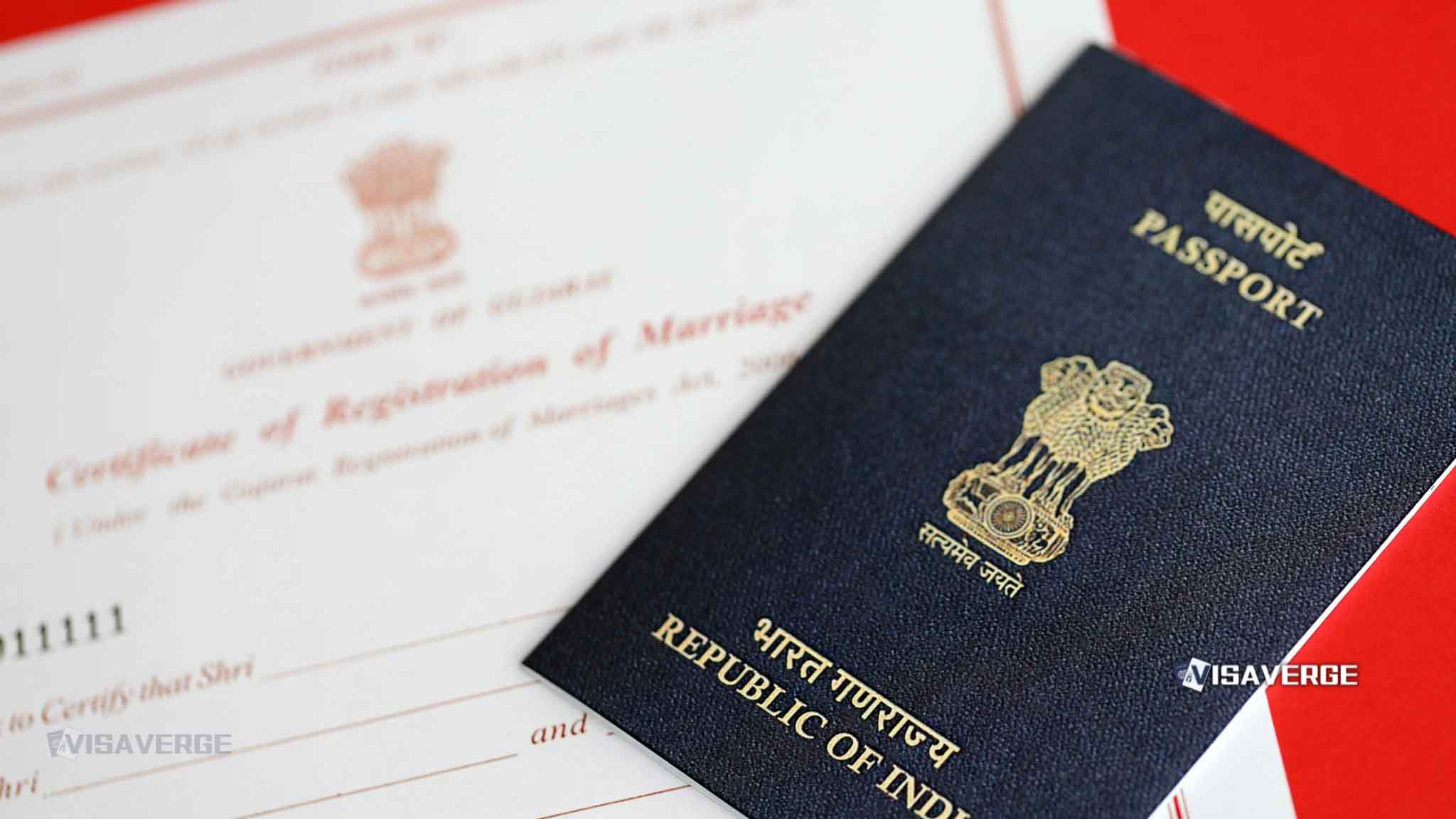
- Indian nationals remain the largest group of applicants for specialist work permits and family-based residence.
(FINLAND) — Finland granted 14,703 people citizenship in 2025, the highest annual figure on record, while new citizenship applications fell to 11,237, down 34% from 2024, as authorities cleared older cases and tightened the rules for future applicants.
The figures, released by the Finnish Immigration Service, known as Migri, show a split picture. Approvals rose above the 13,973 citizenship grants recorded in 2024, but the increase came from backlog clearance rather than a wider opening of Finland’s citizenship system.

That distinction carries weight for migrants planning a long stay in Finland. A record approval total points backward, to files lodged under earlier conditions, while the drop in new applications shows fewer people entering the citizenship pipeline under a stricter framework.
Migri said the rise in grants was linked to efforts to process applications filed in earlier years. Many of those applicants submitted their cases before Finland began rolling out tougher citizenship rules.
Those tighter rules now shape the route from temporary stay to permanent residence and then to citizenship. Residence history, income, employment, language ability and time spent outside Finland all carry more weight than before.
Indian nationals remain prominent across several parts of Finland’s immigration system. Migri’s 2025 statistics show Indians were again the largest applicant group for specialist permits, including the EU Blue Card, and were also among the leading nationalities applying for study permits and family-based residence permits.
That leaves Finland as a serious destination for skilled work, higher education and family settlement, but one that demands longer planning. A work permit, study permit or family permit no longer serves as a simple first step toward citizenship.
Work-based migration softened in 2025. Finland received 11,324 applications for first work-based residence permits, about 25% lower than in 2024, and positive decisions on first work-based permits fell from 11,103 in 2024 to 8,384 in 2025.
The decline did not erase demand for foreign workers. Specialist roles, including EU Blue Card-linked categories, held up better than the broader work-permit stream, and Indian applicants remained a large group in that segment.
The numbers suggest a more selective labor market rather than a closed one. Job offers, salary levels, degree records, employment contracts and sector demand now matter more in determining whether a work route remains stable over several years.
That matters well beyond the first permit decision. Workers who hope to stay in Finland long enough to seek permanent residence or citizenship need employment that supports extension, preserves income stability and produces a clean record of salary, tax and continuous residence.
Student migration also stayed strong, though it slowed from the rapid growth seen earlier. Finland received 13,565 first residence permit applications for studies in 2025, down 4% from 2024, and granted 10,486 first residence permits to students.
Applicants from Bangladesh, Nepal, Sri Lanka, India and Pakistan remained active in the study permit system. That pattern kept South Asian students near the center of Finland’s international education market.
The larger question comes after graduation. Finland allows graduates to move into a residence permit based on a completed degree if they have a job or pursue a business, and applications for extended permits based on a completed degree or research rose 33% in 2025 from the previous year.
That increase points to a stronger push from study toward long-term stay. It also puts more pressure on course selection, employability, internship access, employer networks and early language learning, because a degree alone does not secure a later immigration status.
Family migration grew into an even larger pillar of Finland’s immigration pattern. Migri recorded a record 23,831 applications for first residence permits from family members in 2025, slightly above 2024.
The largest applicant groups included citizens of Sri Lanka, the Philippines, India, Bangladesh and Nepal. The figures suggest that migrants who arrived earlier as workers or students are increasingly trying to establish family life in Finland.
Applications from family members of students have also grown strongly in recent years, according to Migri. Residence permits based on family ties can give broad rights to work and study, depending on the permit category, which can shape household budgets and settlement plans.
Income requirements become more important in that setting. A spouse’s ability to work, study or retrain can affect whether a household can meet financial thresholds and build the record needed for longer-term residence.
The rules for permanent residence hardened on January 8, 2026, when amendments to the Aliens Act entered into force. Applications filed on or after that date fall under the new framework.
One main route now requires at least six years of residence in Finland under a continuous permit, at least two years of work history in Finland, and satisfactory Finnish or Swedish language skills at level B1.
Other routes remain available, but they also set clearer thresholds. One path is tied to annual income above €40,000 after at least four years of qualifying residence, while another applies to certain Finnish higher education graduates and carries a lower language threshold.
The structure marks a shift in Finland’s immigration policy. Time spent in the country still matters, but it no longer stands on its own; work history, earnings and language ability now play a larger role in deciding who can stay permanently.
Citizenship rules tightened earlier and then tightened again. From October 1, 2024, the general residence period for citizenship extended to eight years, and Finland also changed how residence is counted, including limits on time spent abroad.
A second round of changes took effect on December 17, 2025. Applicants for citizenship must now show sufficient financial resources, and Migri’s guidance says applicants do not meet that requirement if they have used unemployment benefits or social assistance for more than three months in total during the previous two years.
Applicants must also explain the source of funds used for living in Finland during the previous two years. Identity checks and criminal-offence rules also became stricter under the updated system.
Those changes raise the cost of poor planning. Periods of unemployment, welfare reliance, unclear income, long absences from Finland or weak language preparation can now damage a citizenship case even after years of lawful residence.
Indian applicants sit at the intersection of all three large entry routes, work, study and family, which makes the policy shift especially relevant. Migrants arriving for an IT role, engineering post, healthcare job, degree program or family reunification now need to map their next several years rather than focus on the first approval.
Workers need employment that can carry them through renewals and support later permanent residence. Salary records, tax records, employment contracts, payslips and proof of continuous residence become part of that longer file.
Students face a similar calculation. Tuition levels and university rankings still matter, but post-study employment prospects, Finnish or Swedish exposure and a realistic route into the labor market now carry more weight because they affect both income and residence continuity.
Family applicants face a different version of the same pressure. Bringing a spouse or child to Finland can strengthen settlement prospects, but it also increases financial obligations at a time when income tests and source-of-funds checks have become stricter.
Application timing now matters as well. Anyone considering permanent residence or citizenship must account for whether the filing date falls before or after the legal changes that took effect on October 1, 2024, December 17, 2025 and January 8, 2026.
The headline number from 2025 can still create a false impression. A record year for citizenship grants suggests momentum, but the underlying data point in the other direction: fewer new citizenship applications, tougher legal tests and a system that rewards stable work, steady income, language ability and careful compliance.
Finland remains open to skilled workers, students and families, and India remains an important source country across those routes. The people best positioned to succeed under the new rules are those who plan early, keep complete records and build a residence history that can withstand closer scrutiny from Migri.