- India is considering removing the 10% cap that prevents airport operators from owning large airline stakes.
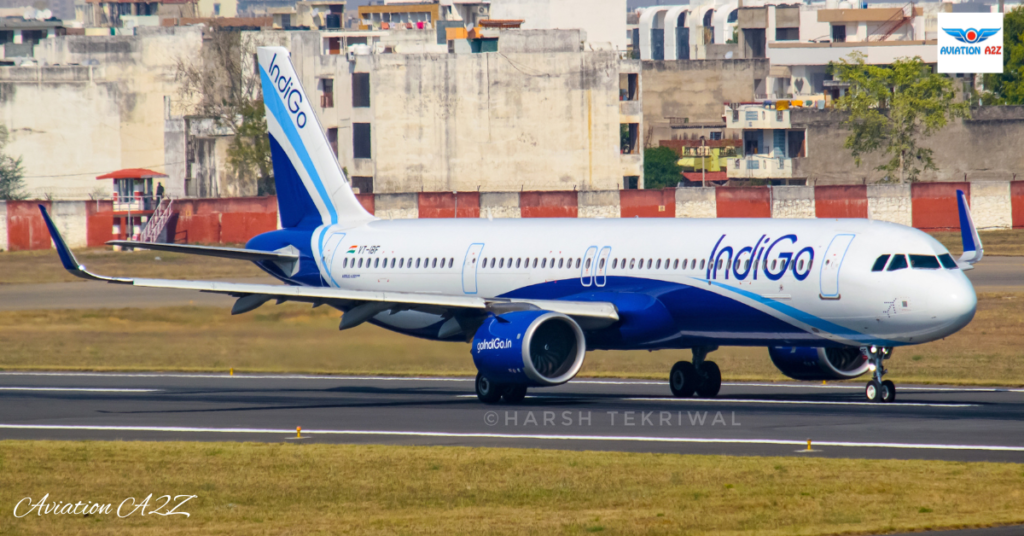
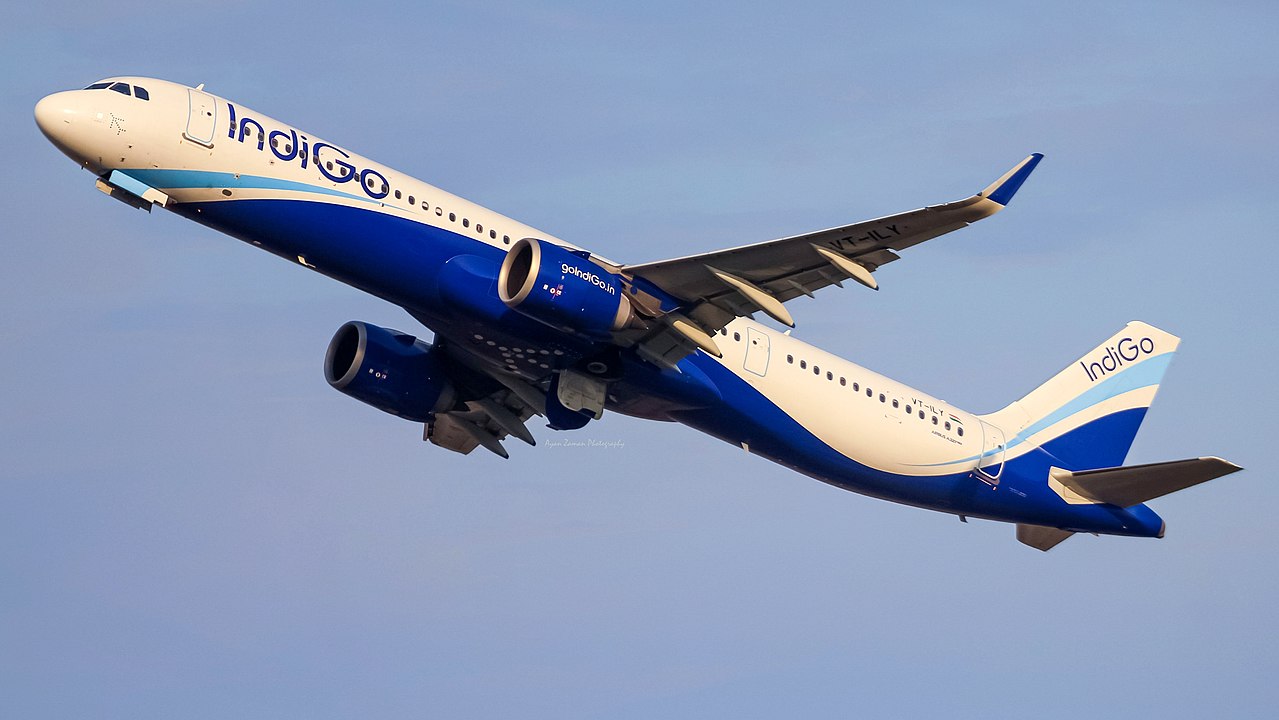
- The move aims to challenge the domestic dominance of IndiGo and Air India, which control 90% capacity.
- Despite the proposal, Adani Group has dismissed plans to enter the low-margin airline business for now.
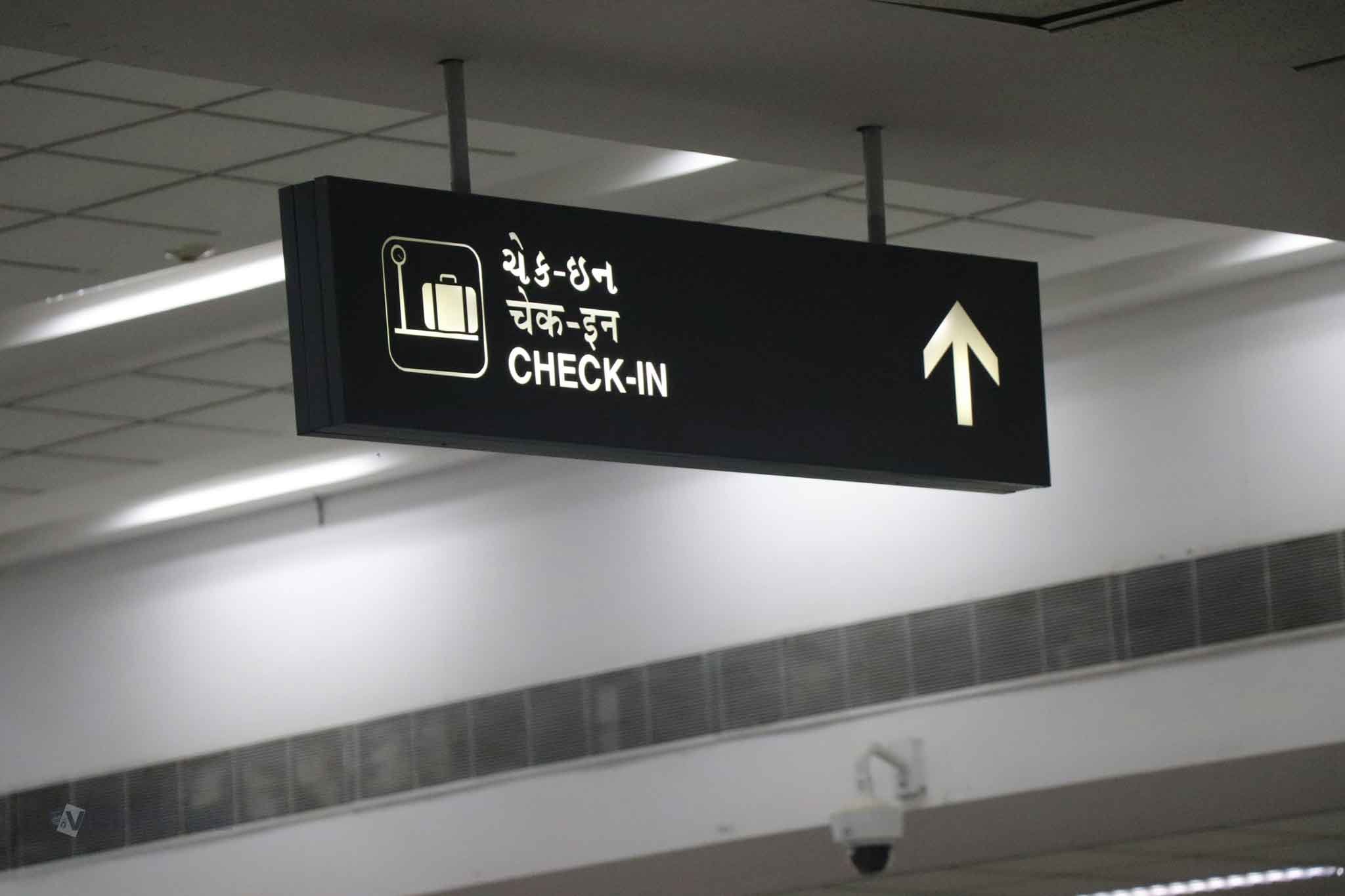
India’s aviation ministry is considering allowing airport operators to own and run airlines, potentially removing a 10% cap that blocks the operators of Delhi and Mumbai airports from taking larger airline stakes. The proposal could create new competitors to IndiGo and Air India, which together control nearly 90% of India’s domestic capacity.
The discussions remain at the consultation stage. Any change would require legal clearance from the Ministry of Law and Justice before reaching the Union Cabinet, chaired by Prime Minister Narendra Modi. No implementation date has been announced.

Adani Group operates Mumbai airport and seven other Indian airports, while GMR Airports manages New Delhi’s Indira Gandhi International Airport and four additional facilities. Both companies could theoretically launch carriers if the rule changes.
Adani has already pushed back on that prospect.
Jeet Adani, director at Adani Airport Holdings Ltd., said the group has no plans to enter aviation’s airline business under the current conditions.
“We will not consider it as it stands today; the airline industry is not something that we see fitting the capital discipline. We are used to high-margin business and investing in assets. The airline business is the opposite. We have no plans to enter the airline business.”
He made the comments on July 22, 2026, as the government examined the proposed ownership relaxation. The policy would let airport companies own carriers directly instead of limiting them to small minority holdings.
The proposal targets a concentrated domestic market
The government is examining the change after the collapse of Jet Airways and Go First, along with the merger of Vistara and AirAsia India into Tata-owned Air India. Those developments left IndiGo and Air India with approximately 90% of domestic market capacity.
Shares of InterGlobe Aviation, IndiGo’s parent company, fell as much as 3.7% on July 22 after news of the discussions emerged. The market reaction came before the proposal had secured either legal or Cabinet approval.
Airport ownership could give a new carrier access to facilities and slots at its parent company’s airports. It could also create a conflict.
Analysts and industry participants have warned that airport owners might favor affiliated airlines with prime takeoff and landing slots or better operational access. That could produce what they described as a “new imbalance” rather than broaden competition evenly.
New airlines would still face aircraft and funding constraints
A rule change would not immediately solve the practical barriers facing new entrants. Airlines are confronting a global aircraft shortage, while delivery delays from Airbus SE and Boeing Co. continue after pandemic-era supply-chain disruptions.
Aircraft are not the only pressure point. Akasa Air was seeking 10.5 billion rupees ($110 million) in funding as of July 15, 2026, to address rising fuel costs linked to regional geopolitical tensions.
That environment could make a new airline expensive to establish even if an airport operator secured regulatory permission. It also explains Adani’s emphasis on capital discipline and margins.
The proposal is part of a broader expansion push. India had 165 airports as of July 2026, compared with 74 in 2014, according to Vipin Kumar, chairman of the Airports Authority of India.
“In 2014, the number of airports in India was just 74, and today. it is more than 165. In the next 5 years we are going to grow by 50 airports, and by 2047 it will be 350 airports.”
Kumar made the remarks on July 22 during the Routes Asia 2027 handover. India was named the host for the event, reinforcing the country’s effort to expand its role as an international aviation hub.
Regional connectivity is expanding alongside the policy review
Ram Mohan Naidu, Union minister of civil aviation, has promoted the “Modified UDAN” regional-connectivity scheme, launched July 4, 2026. On July 17, he flagged off the inaugural flight from NAMO Airport, Daman.
Naidu said the expansion had continued despite international pressures.
“In the last 12 years, we have added 90 airports! From 9 to 90!. Even when the world was going through geopolitical tensions, we have been recording about five lakh domestic passengers every day.”
The International Air Transport Association projects that India will add 425 million passengers by 2044. The government’s airport expansion target is 350 facilities by 2047, up from 165 in July 2026.
Those projections provide the commercial case for more airlines, but they do not settle how airport owners would be supervised. The ministry would need to define safeguards around slots, terminals and infrastructure access before the ownership restriction could be relaxed.
The next formal steps are legal review and Cabinet consideration. Until both occur, airport operators remain subject to the existing 10% airline-stake limit, and the proposed change has no announced start date.