- The Supreme Court warned airlines could be grounded for ignoring fare directions and surge pricing regulations.
- The Centre submitted a draft airfare framework in a sealed cover to address volatile pricing practices.
- A finalized regulatory version is expected by the next hearing on September 7, 2026.
The Supreme Court warned airlines Monday that they could be grounded for ignoring fare directions, while the Centre submitted a draft framework on fares, surge pricing and excess baggage charges in a sealed cover.
Additional Solicitor General Anil Kaushik told a bench of Justices Vikram Nath and Sandeep Mehta that the government would complete the rule-making exercise within three weeks. The case is next listed for September 7, 2026.
Free toolB1/B2 Tourist Visa Stay Calculator online
The court also directed the Centre to publish the draft within seven days and return with a finalized version in 21 days, according to the hearing details. The timetable puts the sealed submission at the center of the next phase.
Kaushik said the work had been accelerated.
“We have fast-tracked the framing of rules. Give us three weeks, we will come out with the finalised version.”
The bench issued its own warning about enforcement.
“If airlines are not complying, ground them.”
The hearing followed a public interest petition filed by social activist S Laxminarayanan. His petition seeks tighter controls on volatile airfares, surge pricing, baggage charges, cancellations and refunds.
The interim system relies on office memorandums
The Ministry of Civil Aviation is preparing the framework. Until final rules are notified, the Centre said it is relying on office memorandums to address fares and related charges.
The draft covers airline fares and excess baggage charges as well as pricing during demand spikes. The petition also seeks binding guidelines and an independent regulator for fare and ancillary-charge practices.
The bench focused on sharp differences between prices offered for comparable travel. It cited economy tickets priced at ₹8,000 and ₹18,000 for one route and travel day.
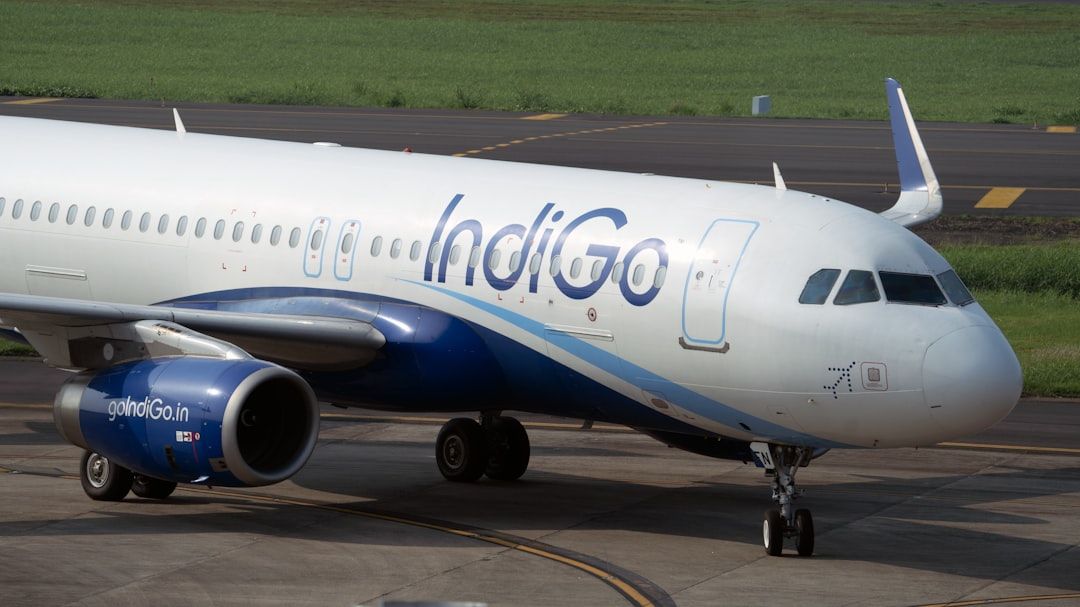
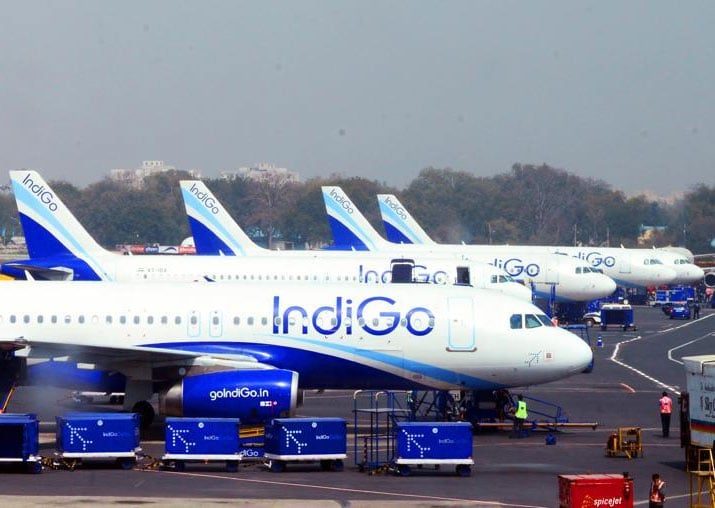
The gap has also widened during disruptions. Reported fares during an earlier IndiGo operational crisis reached between ₹35,000 and ₹39,000.
Capacity limits and fuel shocks connected to tensions in West Asia were linked to fare increases of more than 40%. Peak travel periods drew separate scrutiny.
Justice Sandeep Mehta had previously pointed to festival travel, including the Kumbh.
“We will definitely interfere. Just see the exploitation of passengers during the Kumbh and other festivals. fares. are three times the normal fare.”
The proposed rules follow a recent shift away from caps
The draft is being framed under the Bharatiya Vayuyan Adhiniyam, 2024. The law came into force in January 2025 and replaced the Aircraft Act of 1934.
The government removed all domestic airfare caps on March 23, 2026, allowing greater market flexibility. The court has since pressed for price rationalization during peak seasons and emergencies.
Civil Aviation Minister Ram Mohan Naidu Kinjarapu told Parliament that the sector was deregulated in 1994. He said the government still has “exclusive powers in extraordinary situations” to cap prices responsibly.
Airlines have raised concerns about restrictions affecting dynamic-pricing revenue models. Those systems adjust prices as demand and available capacity change.
The immediate legal consequence identified in the hearing is broader than a financial penalty. Noncompliant airlines could face stoppage of flights.
Existing monitoring reaches 78 routes
A government response in Parliament said the Directorate General of Civil Aviation’s Ticket Monitoring Unit tracks airfares on 78 routes. That coverage represents about 27% of domestic traffic.
The figures show the current monitoring reach alongside the court’s timetable:
| Measure | Figure or deadline |
|---|---|
| Routes tracked by the Ticket Monitoring Unit | 78 |
| Domestic traffic covered | About 27% |
| Draft publication direction | Within seven days |
| Final rule-making timetable | 21 days |
| Next court listing | September 7, 2026 |
The monitoring unit operates while the Centre prepares the new framework. Office memorandums remain the interim instrument.
The petition’s requested controls extend beyond ticket prices. They include baggage charges, cancellation terms and refunds.
The September hearing will bring the framework back before the bench
Kaushik submitted the draft on August 17 while it was undergoing final translation and internal discussion. The Centre’s stated deadline for the finalized rules is three weeks.
The bench of Justices Vikram Nath and Sandeep Mehta will take up the matter again on September 7, 2026. The hearing is expected to address the finalized regulatory framework after the seven-day publication direction and 21-day completion timetable.
The court’s warning leaves airlines facing a stated operational sanction if they fail to comply with applicable fare directions. The next listed date is September 7.