- India approves a $1 billion fund to stabilize aviation fuel costs and prevent sharp ticket price increases.
- The measure targets volatility in jet fuel caused by geopolitical tensions and energy market shifts.
- The fund aims to protect domestic connectivity while easing payment stress for oil marketing companies.
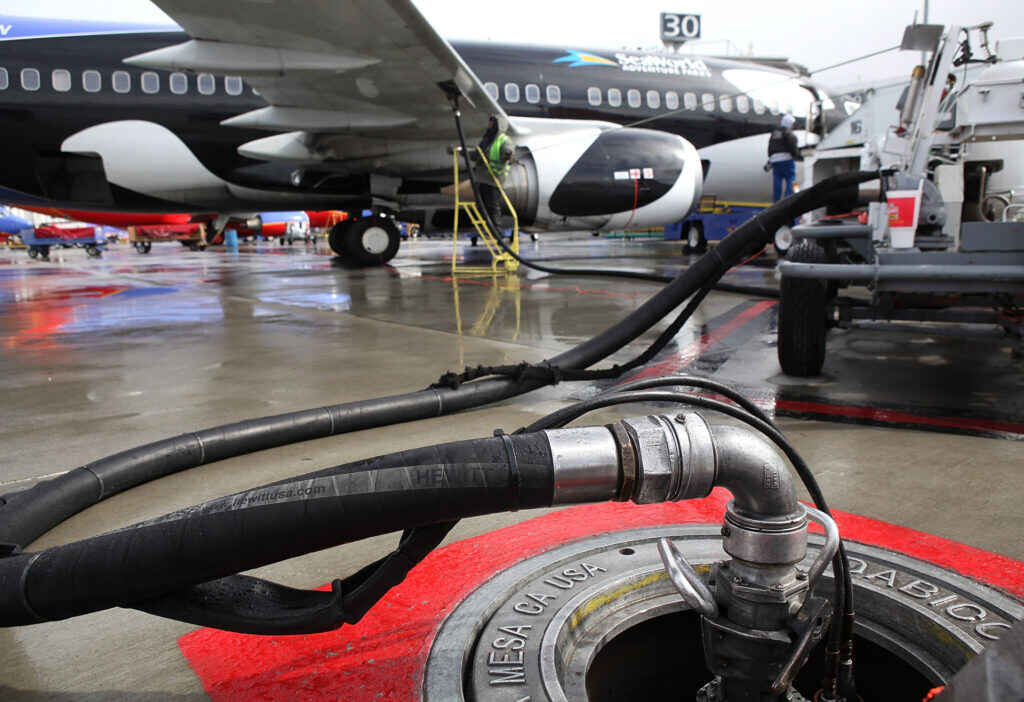
(INDIA) India has approved a $1 billion aviation fuel stabilisation fund, a move aimed at shielding airlines from a sudden jump in jet fuel costs and preventing a sharp pass-through to ticket prices. The measure gives carriers a buffer against fast-rising aviation turbine fuel (ATF) costs at a time when fuel shocks tied to Iran-related tensions and wider energy-market volatility are straining operations.
The fund, valued at about ₹10,000 crore, is framed as an aviation fuel stabilisation measure rather than a sector-wide bailout. That distinction matters for India’s airline market, where fuel is one of the largest operating expenses and where fare increases can quickly hit both leisure demand and business travel.

Officials have presented the policy as a way to protect domestic and international connectivity while keeping the market stable during a period of abrupt cost pressure. Airlines have already been dealing with higher input costs alongside operational strain linked to the Middle East situation, including flight adjustments reported by major carriers.
Indian airlines are especially exposed to fuel volatility because aviation turbine fuel (ATF) accounts for a large share of total costs, often second only to aircraft ownership and lease expenses. When ATF prices jump, carriers typically have only a few immediate options: raise fares, trim capacity, alter schedules, or absorb the hit and accept weaker margins.
The government’s intervention is also intended to support oil marketing companies, which sit at the other end of the fuel supply chain. A stabilisation mechanism can reduce the risk of payment stress spreading through the system if airlines struggle to manage a sudden rise in fuel bills.
Passengers stand to benefit if the fund works as intended. The clearest near-term effect would be fewer abrupt fare spikes on domestic routes and less pressure on airlines to cut frequencies on thinner regional services or international sectors with weaker pricing power.
India’s airline market has become one of the fastest-growing in the world, but it remains price sensitive. Even modest fare increases can shift demand, especially on short-haul domestic routes where travelers often compare carriers by the lowest visible fare. A fuel support measure is meant to give airlines breathing room without immediately pushing those higher costs onto consumers.
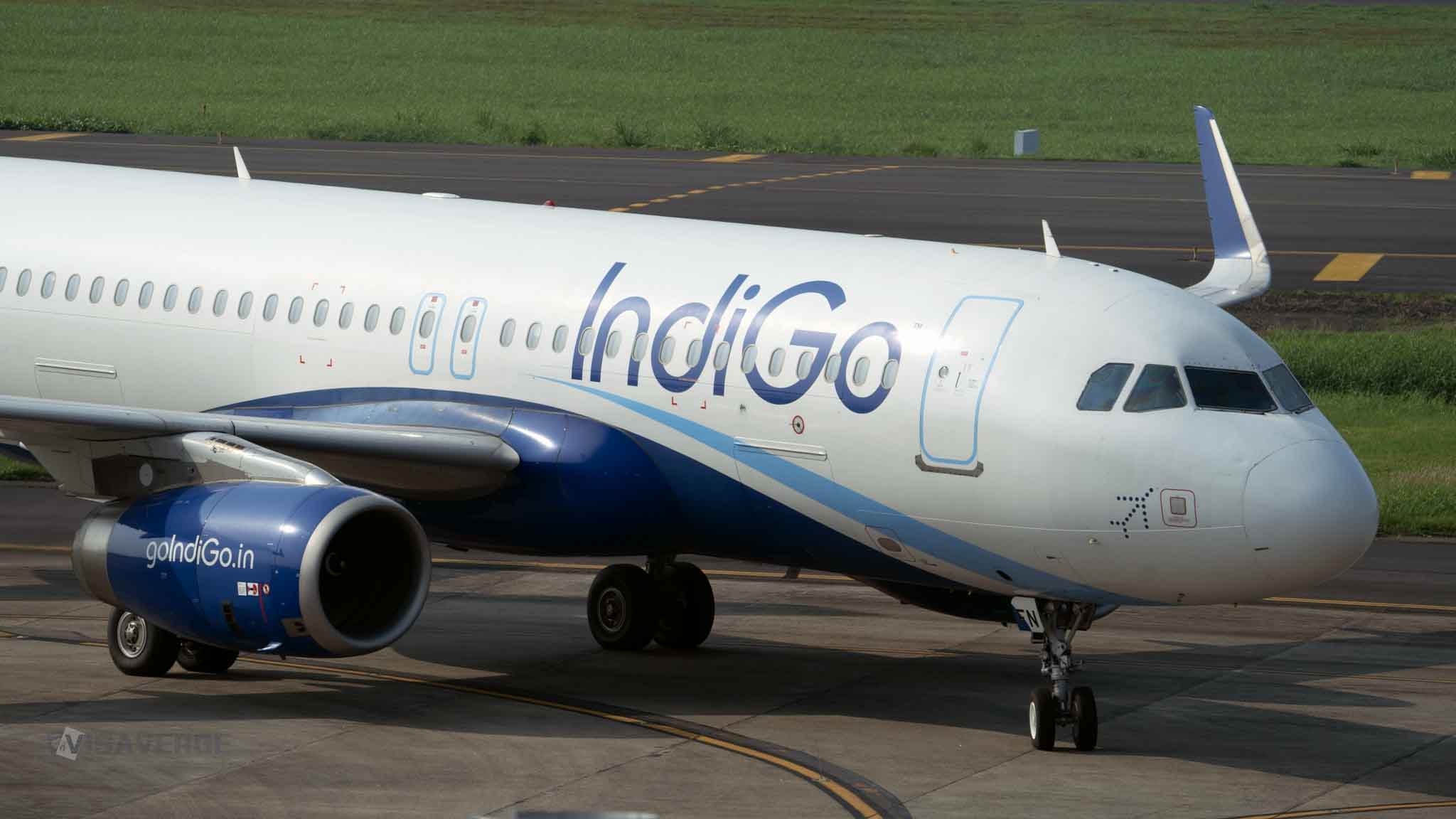
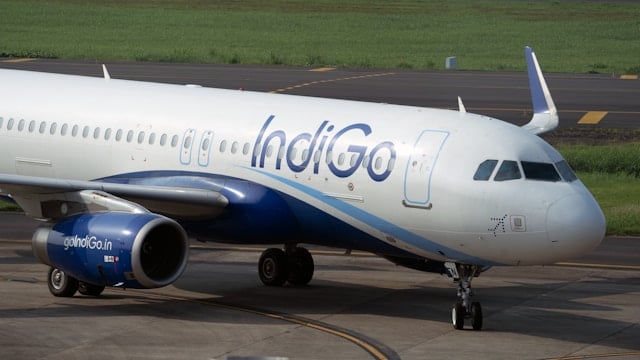
Competitive pressure is part of that calculation. IndiGo dominates the domestic market, while Air India and Akasa Air are pressing for share and expanding networks. In a tight fuel environment, the strongest balance sheets usually hold up best. Smaller or rapidly expanding carriers tend to feel cost shocks first, particularly if they are adding aircraft, opening routes, or discounting fares to defend share.
Unlike a broad rescue package, the $1 billion fund appears designed around a specific trigger: sudden fuel price shocks. That keeps the focus on continuity of service rather than general financial support. It also suggests the government wants to avoid a market signal that routine losses will be backstopped.
Fuel-linked disruption has wider consequences than airfare alone. Airlines facing sustained ATF pressure can reduce frequencies, delay launches, or consolidate weaker routes. That can hit secondary cities hardest, since those markets often depend on steady service rather than premium yields. International connectivity can also be affected if carriers choose to redeploy aircraft toward routes with stronger returns.
There is no direct mileage or loyalty-program change attached to the policy. Still, frequent flyers often feel fuel stress in indirect ways. When airlines trim schedules or swap aircraft, upgrade space can tighten and award inventory can become harder to find. If the stabilisation fund preserves planned flying, loyalty members may see fewer disruptions to redemptions and fewer last-minute schedule changes.
Global carriers have faced the same fuel problem, but responses differ by market. In some countries, airlines rely more heavily on fuel surcharges or hedging programs. India’s approach, at least in this case, leans toward temporary market support to prevent ATF volatility from destabilizing service.
| Issue | Without support | With fuel stabilisation fund |
|---|---|---|
| ATF price spike | Immediate pressure on airline costs | Part of the shock absorbed through the fund |
| Airfares | Higher risk of sharp increases | Pressure on fares reduced |
| Route networks | Greater risk of cuts or lower frequency | Connectivity more likely to be preserved |
| Oil marketing companies | Higher counterparty stress | Payment pressure eased |
What remains unsettled is the mechanics. Authorities have not yet set out a detailed timeline for disbursement, carrier eligibility, reimbursement formulas, or oversight rules. Those details will determine whether the measure acts as a quick shock absorber or becomes slower and harder to access than airlines need during a fast-moving fuel swing.
Monitoring will also matter. A stabilisation fund works differently from a blanket subsidy. Policymakers will need to show how support is tied to actual fuel stress, how long it remains available, and whether airlines that receive relief maintain service commitments rather than simply protecting margins.
Travelers booking in the next few weeks should still watch fares closely, especially on routes affected by Middle East airspace changes or schedule adjustments. If a domestic or regional itinerary is already at an acceptable price, booking early remains the safer move; stabilisation can slow fare jumps, but it does not erase the underlying volatility in aviation turbine fuel (ATF).