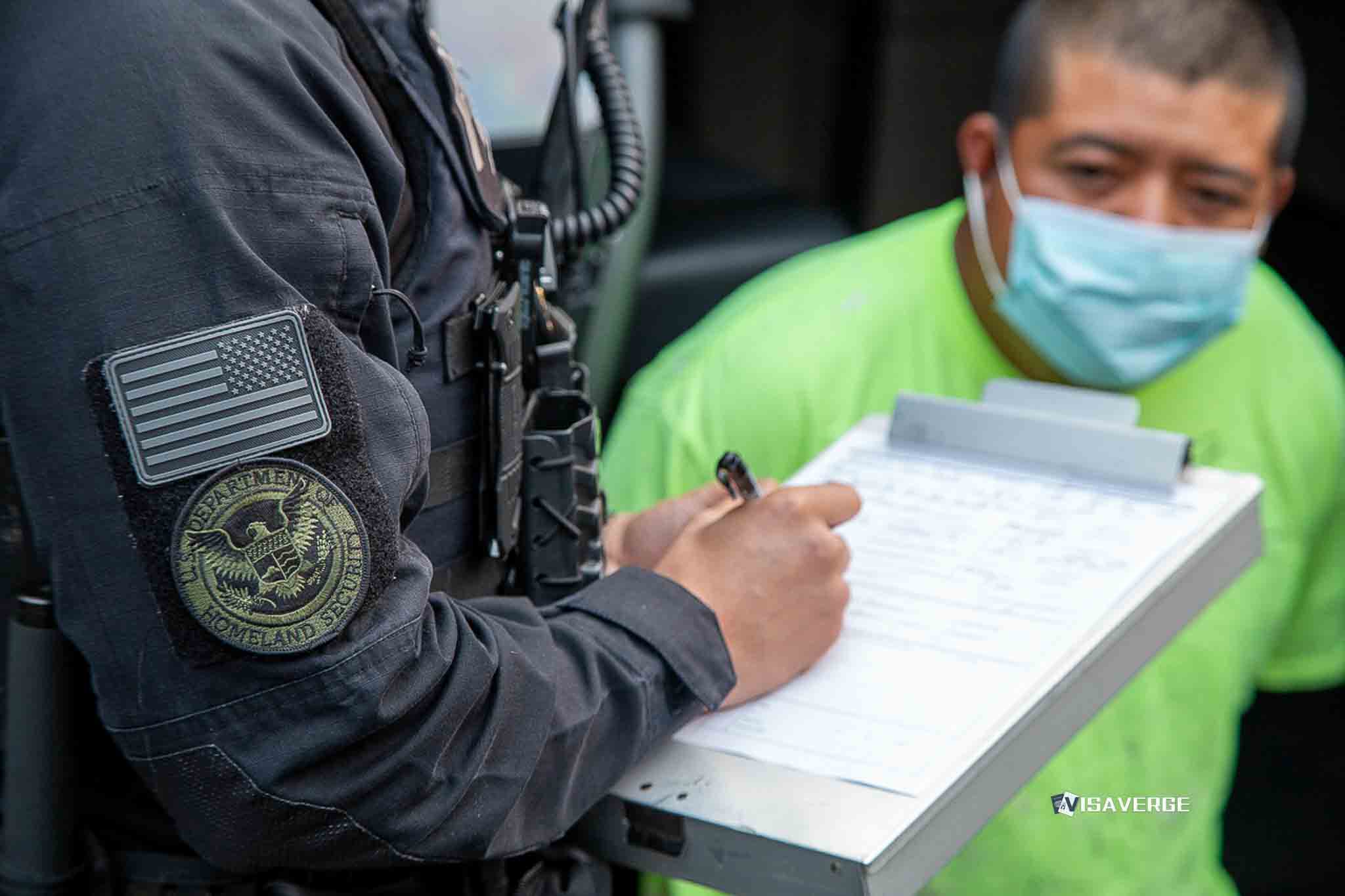
- The U.S. has reached a secret agreement with the Central African Republic for third-country migrant removals.
- The arrangement is linked to $85 million in IOM funding, though official confirmation of payment remains undisclosed.
- Security concerns persist as CAR remains under a Level 4 Do Not Travel advisory by the State Department.
(CENTRAL AFRICAN REPUBLIC) — The United States has reportedly reached a third-country removal agreement with the Central African Republic, adding another country to a growing set of removal arrangements whose terms remain largely secret. No transfer to CAR has been publicly confirmed as of June 7, 2026, and no official U.S. document reviewed publicly sets out who may be sent, what screening would apply, or what safeguards would govern custody and return.
The legal significance is immediate. Third-country removals can place a noncitizen in a country other than the person’s own, but federal immigration law and regulations still limit where removal may occur and what protections must be considered first. INA § 241(b) governs countries of removal, while asylum, withholding of removal under INA § 241(b)(3), and protection under the Convention Against Torture may bar removal to a particular country if the legal standard is met. In Matter of A-S-M-, 28 I&N Dec. 282 (BIA 2021), the Board of Immigration Appeals held that withholding and CAT claims may be raised as to a newly identified country of removal.

Public reporting places CAR among at least 11 countries with reported U.S. third-country arrangements where removals have not yet occurred publicly. That count matters because it suggests a broader operational framework rather than a single bilateral experiment. The Department of Homeland Security and the State Department have not publicly released a standard template for these agreements, and there is no published rule that explains how notice, consent by the receiving state, or access to counsel would work across all such cases.
One reported operational link has drawn particular scrutiny: a tracking source summarizing the CAR arrangement tied it to $85 million in U.S. government funding for International Organization for Migration operations in CAR. That figure has not been publicly explained by the U.S. government as payment for transfers, and no official announcement available publicly lays out how, if at all, the funding connects to removals. In the absence of disclosed terms, the figure remains a reported data point rather than a confirmed contractual condition.
CAR’s security conditions complicate any removal analysis. The U.S. State Department continues to list the country under a Level 4 “Do Not Travel” advisory, citing armed conflict, civil unrest, crime, kidnapping, and terrorism. The department also states that the United States has limited ability to provide emergency services to U.S. citizens there because of a limited diplomatic presence. Those warnings do not automatically bar immigration enforcement transfers, but they may become relevant in individual protection claims and in litigation over notice and country conditions. The State Department advisory is posted at travel.state.gov.
Transparency remains thin on the basic mechanics. No publicly disclosed terms describe whether CAR agreed to accept only its own nationals transiting from the United States, or non-CAR nationals removed there by U.S. authorities. No public record has clarified detention conditions on arrival, legal status after transfer, or whether the receiving country would permit onward deportation. Those omissions matter because third-country removal litigation often turns on notice, the chance to seek protection, and the government’s designation of the destination country.
Federal regulations already address parts of that process. Under 8 C.F.R. § 1240.10(f), immigration judges must advise respondents about apparent eligibility for relief. Country-specific protection claims may arise late in proceedings if DHS identifies a new destination after the original case. Under 8 C.F.R. §§ 1208.16 through 1208.18, withholding and CAT protections focus on the country where removal is proposed. A person ordered removed to one country may need a fresh legal analysis if DHS later seeks transfer to another.
Warning: A final removal order does not automatically settle every country-of-removal question. If DHS identifies Central African Republic as a destination, counsel may need to evaluate withholding and CAT issues specific to CAR.
No public court filing identified here has established that removals to CAR are underway, but the arrangement fits a period of aggressive third-country enforcement planning. Litigation in this area often moves quickly, especially where detainees receive short notice before transfer. Any challenge may depend on the circuit, the procedural posture of the case, and whether the person already had an opportunity to contest removal to the newly designated country. Rules can vary across jurisdictions, and emergency stays often turn on case-specific facts.
Practical step: Anyone in removal proceedings, or with a final order, should keep copies of the Notice to Appear, immigration judge decisions, BIA filings, and any DHS notice identifying a destination country. If CAR is named, ask an attorney immediately whether new fear-based screening or motion practice is available.
Official updates on immigration court procedures are posted by EOIR at [justice.gov/eoir](https://www.justice.gov/eoir). USCIS information on asylum and related protections is available at [uscis.gov](https://www.uscis.gov). People facing possible transfer to a third country typically need urgent legal review because deadlines for stays, motions to reopen, or requests for protection can be very short.
⚖️ Legal Disclaimer: This article provides general information about immigration law and is not legal advice. Immigration cases are highly fact-specific, and laws vary by jurisdiction. Consult a qualified immigration attorney for advice about your specific situation.