- U.S. officials plan to deport 250 Haitians weekly starting in late July 2026.
- The Supreme Court ruling ended TPS protections for over 350,000 individuals.
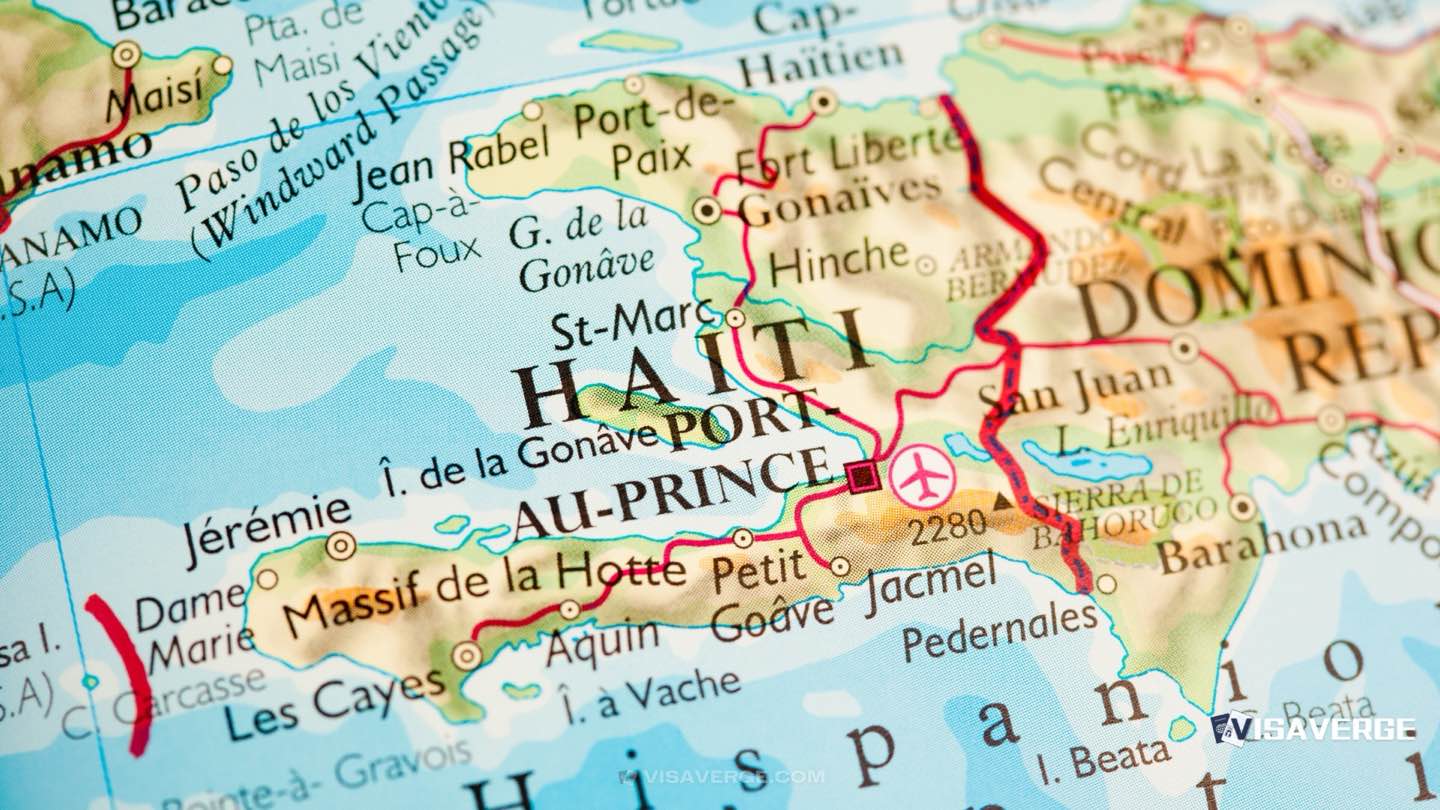
- Flights will land in northern Cap-Haïtien due to gang violence in the capital city.
U.S. officials have told Haiti to prepare for two deportation flights per week carrying roughly 250 people after July 24, 2026, when the current extension of Haitian Temporary Protected Status is set to expire. Haitian migration director Jean Négot Bonheur Delva said that pace could send about 1,000 deportees a month.
The higher schedule would follow recent removals. Immigration and Customs Enforcement conducted two flights during the week of July 13–17, 2026, according to the Department of Homeland Security.

The planned returns are expected to use Cap-Haïtien’s international airport. Gang control of Port-au-Prince has pushed the operations away from Haiti’s capital.
The July 24 date comes from a July 10, 2026 USCIS update. The notice said Haiti’s TPS protections and related employment authorization remained extended only through that date under the D.D.C. stay order in Miot et al. v. Trump, No. 25-cv-02471-ACR.
The Supreme Court’s June 25, 2026 ruling in Mullin v. Doe cleared the way for the administration to end Haiti’s TPS protections. The vote was 6-3. The decision affects more than 350,000 Haitians, according to the material describing the ruling and its consequences.
Recent flights show the scale before the new schedule begins
The most recent operations involved fewer people than the proposed weekly total. ICE repatriated 95 individuals on July 15, while the next flight carried a number reported between 74 and 111 people.
DHS described the July 16 operation as carrying over 100 people. The figures provide a recent snapshot, while Delva’s estimate assumes that the planned schedule continues.
| Date or period | Reported removals or projection |
|---|---|
| July 15, 2026 | 95 individuals repatriated |
| July 16, 2026 | Between 74 and 111 individuals; DHS reported over 100 |
| After July 24, 2026 | Roughly 250 people across the expected weekly flights |
| Monthly projection | About 1,000 deportees if the pace continues |
DHS Assistant Secretary Lauren Bis said the July flights carried people she identified as “pedophiles, carjackers, drug traffickers and perpetrators of fraud.” She did not describe the passengers in the supplied statement as convicted of those offenses.
“Last week, ICE deported pedophiles, carjackers, drug traffickers and perpetrators of fraud to Haiti. Criminal illegal aliens have NO place in American communities. Our message to illegal aliens is clear: LEAVE NOW. If you don't, we will find you and deport you.”
Bis issued the statement on July 20, 2026. The message addressed people the agency classifies as criminal illegal aliens.
The USCIS update gives Haiti TPS holders a July 24 endpoint
USCIS said Haitian TPS beneficiaries’ Employment Authorization Documents would remain extended only through July 24. People with another lawful immigration basis may face different consequences after that date.
The current federal record is limited. No DOJ/EOIR guidance or published removal memo was identified in the material, leaving the USCIS update and the litigation context as the clearest references for the deadline.
Former Homeland Security Secretary Kristi Noem first terminated Haiti’s TPS designation in November 2025. The termination appeared in Federal Register notice 90 FR 54733.
The district court litigation followed. In Miot et al. v. Trump, the court stayed the termination, while the Supreme Court’s later ruling permitted the administration’s Haiti action to proceed.
The population facing the change is described in the material as approximately 300,000 to 350,000 Haitians. Their legal status and work authorization are scheduled to end on July 24, 2026, unless another protection or immigration category applies.
Congress has considered a different path. The House of Representatives passed legislation in April 2026 that would designate Haitians for TPS through 2029, but the bill has not passed the Senate. The White House has signaled a likely veto.
Flights are landing in northern Haiti amid security warnings
Cap-Haïtien is receiving the flights because gangs control Port-au-Prince. Haiti also remains under a State Department Level 4: Do Not Travel advisory.
On July 17, 2026, the department advised U.S. citizens traveling to Haiti to “leave DNA samples with your medical provider and dental records with your family” to help identify remains.
Savi Arvey, policy director at Human Rights First, called the increase an “abomination.” She said the flights were being expanded despite the conditions in Haiti.
“Escalating deportation flights to a country engulfed in violence and instability. blatantly ignore the reality on the ground and knowingly put lives at risk.”
The planned operations have drawn criticism from elected officials as well. U.S. Congressman Maxwell Frost, D-FL, criticized what he called the administration’s “hypocrisy.”
“If the Trump Administration truly believes Haiti is too dangerous for Americans. it should also recognize that it is too dangerous to strip Haitians. of their protected status.”
The administration has not indicated in the supplied material that the travel advisory changes the TPS termination schedule. The July 24 date remains the stated endpoint.
Haitian communities report job losses and fear
Pastor Saintelus, a community leader in New Bedford, said congregation members were losing jobs and living in fear as the deadline approached.
“I've had nightmares over nightmares about that. the fear terrifies me.”
TPS generally protects eligible nationals from removal and authorizes employment during the designated period. Once that protection ends, a person’s position depends on any other status, application, order or form of relief available in the individual case.
As of July 2026, the expected flight increase is tied to the end of the current Haiti TPS extension. The next scheduled change is July 24, 2026, when the protection and associated work authorization period end unless another legal basis applies.
This article provides general information and is not legal advice. Consult a qualified immigration attorney about your specific case.