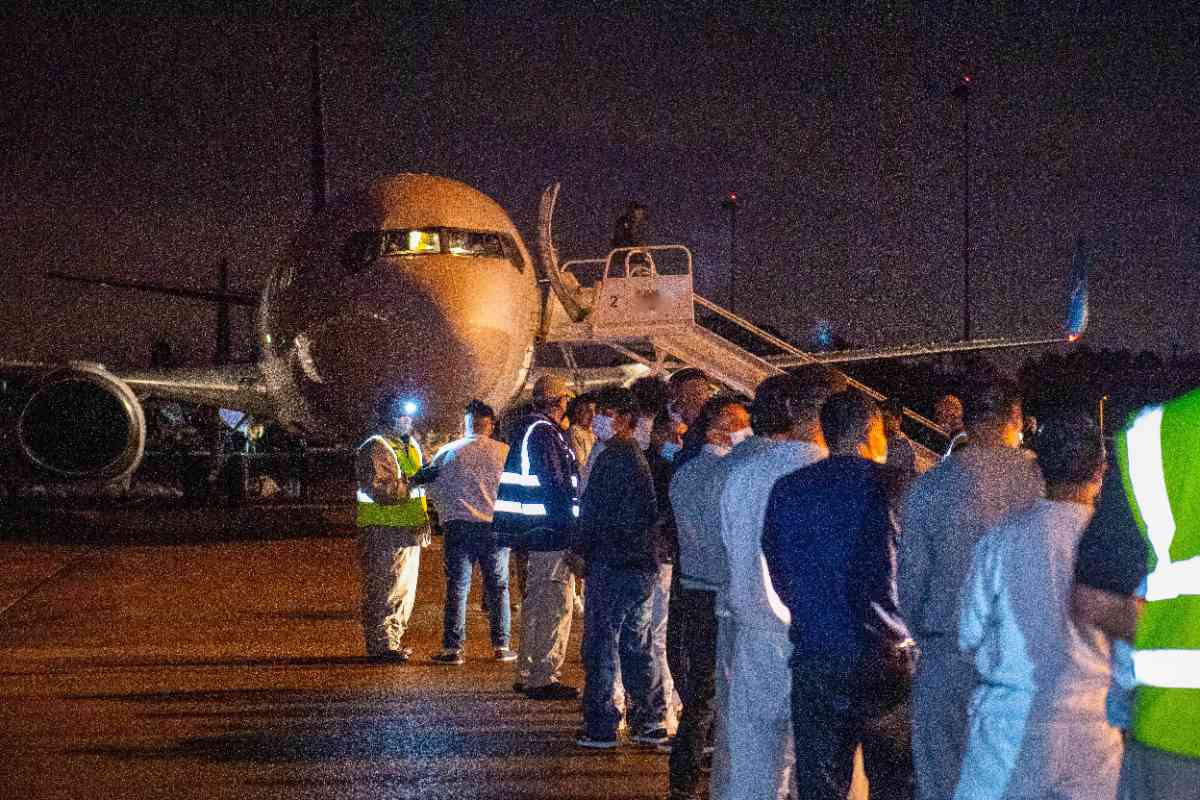
- The United States deported 101 people to Haiti on September 3, landing in Cap-Haïtien instead of Port-au-Prince.
- Human Rights First tracked third consecutive Thursday deportation flights, showing the route has shifted from monthly to weekly.
- U.N. officials say nearly 200,000 people were forcibly returned to Haiti in the first eight months of 2026.
The United States deported 101 people to Haiti on Thursday, September 3, sending them to Cap-Haïtien rather than Port-au-Prince because the capital’s main airport is considered too dangerous. Nicolas Mardochée, a coordinator with Haiti’s Ministry of Foreign Affairs, gave the passenger count.
The flight arrived as gangs controlled an estimated 70% of the capital and large parts of Haiti’s central region. Gang violence has displaced nearly 1.5 million people across the country.
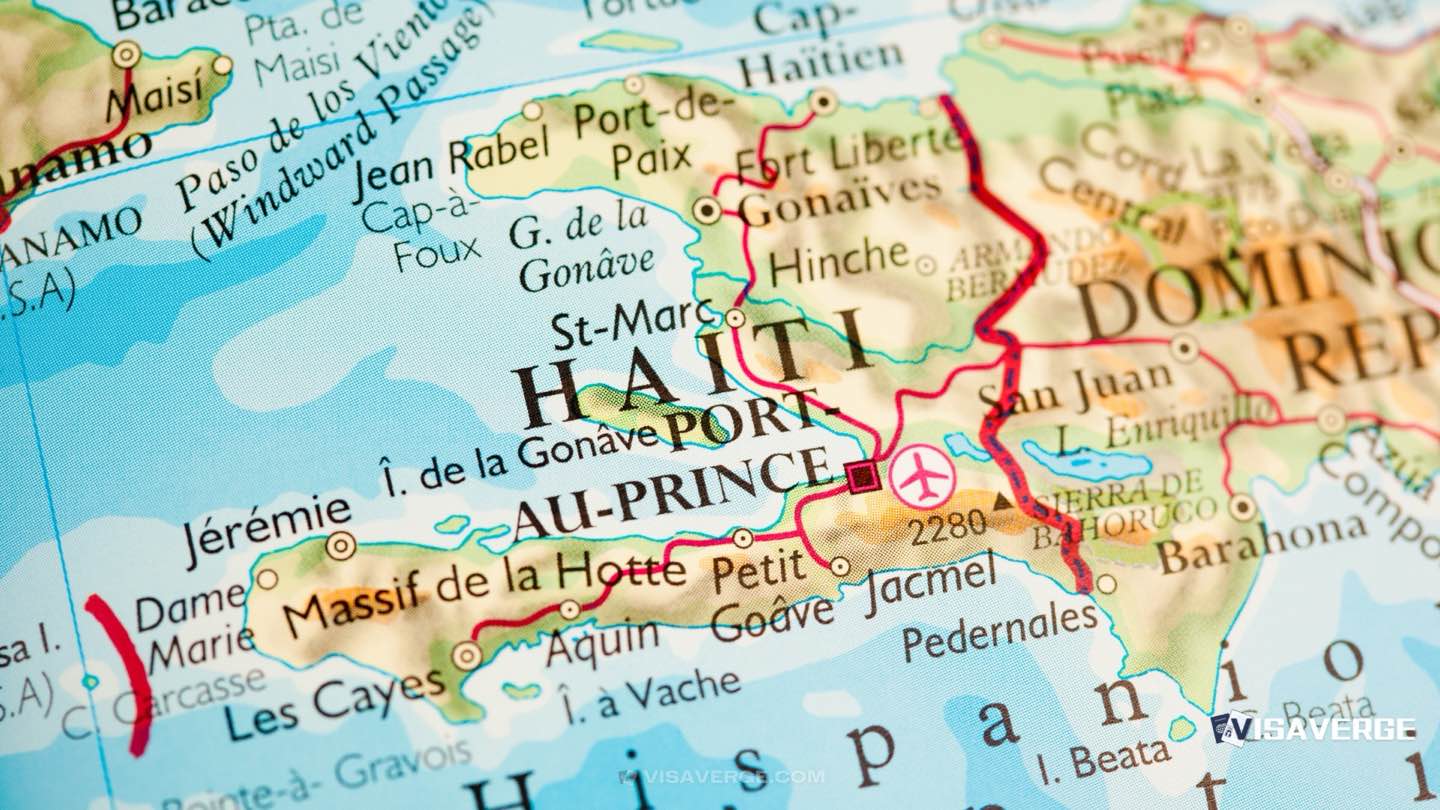
Haiti’s northern airport is now receiving the flights. The latest operation formed part of a broader increase in removals.
More than 200 people were deported on two flights in late August. A separate tally counted 218 returnees over eight days.
The deportation route is now running weekly through northern Haiti
A flight on August 20 carried 161 people. Another, on August 28, carried 57, producing the 218-person total over that 8-day stretch.
| Flight date | People aboard | Route detail |
|---|---|---|
| August 20 | 161 | Haiti-bound flight |
| August 28 | 57 | Haiti-bound flight |
| September 3 | 101 | Arrival at the northern international airport |
Human Rights First’s ICE Flight Monitor called the September 3 operation the “third consecutive Thursday deportation flight to Haiti.” The monitor described that pattern as a move from monthly flights to weekly ones.
The route has operated from Alexandria, Louisiana, since December 2025. Flights stop in Miami before continuing to Cap-Haïtien International Airport.
Returnees are arriving as Haiti’s death toll and displacement rise
The United Nations said more than 3,050 people were killed in Haiti from January to June 2026. Another account cited 3,100 killed and 1,189 injured during that period.
The figures vary. One central area alone recorded 375 injured during the five-month period covered by the U.N. figures.
Major attacks included the Kenscoff killings, which left at least 47 people dead, including five children. Armed groups also hold territory around the capital and in parts of the central region.
Indrika Ratwatte, a U.N. humanitarian official, said many people were arriving “without resources, documentation, or support networks.” She described the conditions as involving “shocking levels of violence and suffering.”
Nearly 200,000 people have been forcibly returned this year
Ratwatte said nearly 200,000 people had been forcibly returned to Haiti during the first eight months of 2026. She said the figure was 10% higher than during the same period last year.
The Dominican Republic accounted for 98% of those returns. The remainder came from the United States, the Bahamas, and the Turks and Caicos.
The current U.S. flights therefore represent only part of the arrivals Haiti has received this year. They have continued while displacement, hunger and insecurity have worsened.
The administration says courts ordered the removals
Tom Homan, the White House border czar, defended the deportations and the end of Temporary Protected Status for Haitians.
“Temporary Protected Status is supposed to be temporary.”
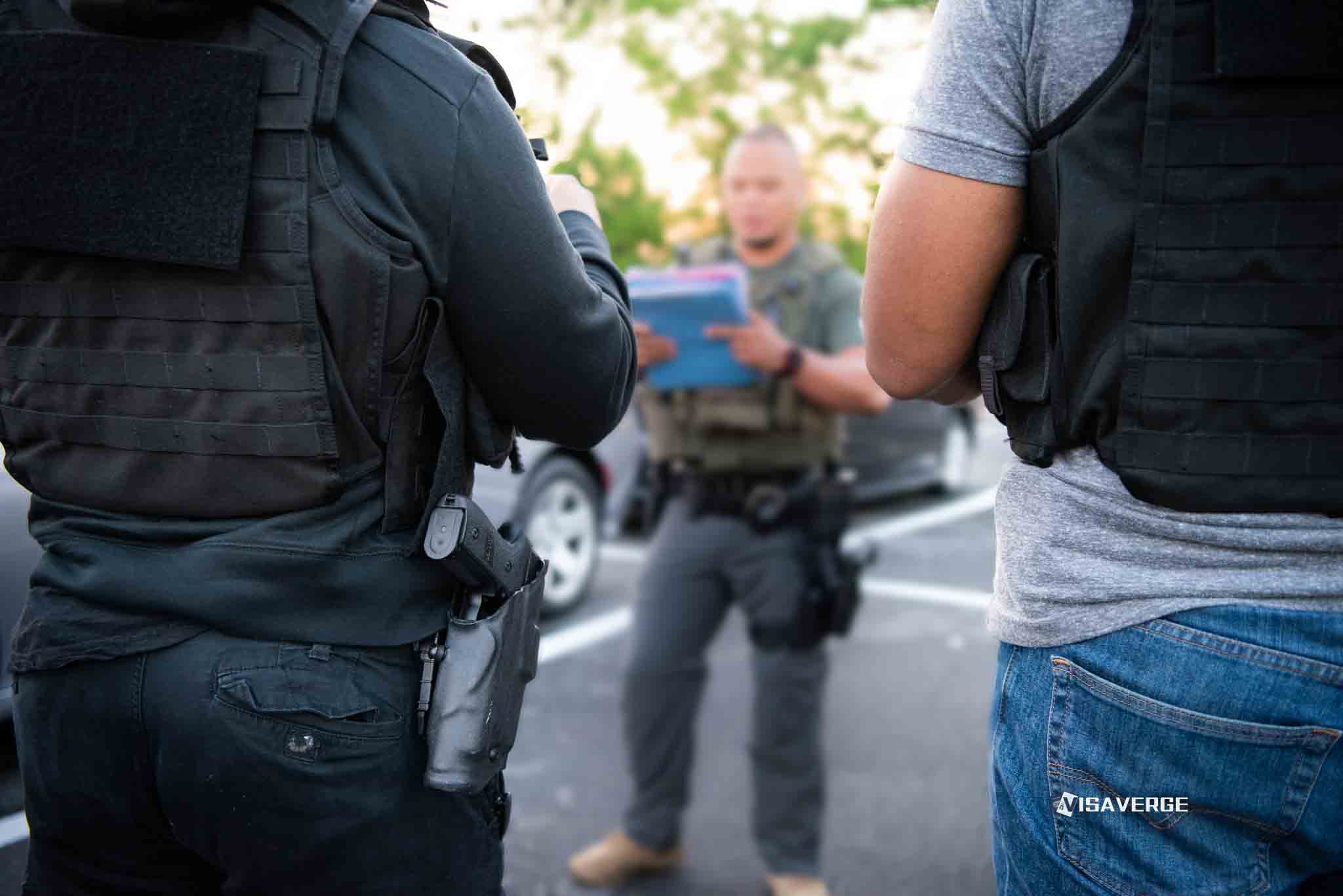
Homan said the program had been extended repeatedly during his more than 40 years in immigration enforcement. He said courts had ordered the people removed and that Immigration and Customs Enforcement was carrying out those orders.
“As long as I have been around, for over 40 years, it seems like it’s never temporary. It gets extended and extended and extended, even if the conditions in the home country have changed. So this is an order of the court. They were ordered removed, and ICE is removing them.”
When asked whether he felt comfortable returning people to Haiti, Homan said: “we’re just enforcing the law.” He added: “I don’t know the conditions in Haiti. I have never been in Haiti.”
The Trump administration ended Temporary Protected Status for about 350,000 Haitians, including 158,000 in Florida. Lauren Bis, a White House spokesperson, said federal courts had ordered Haitians to leave and that the government had provided free flights to their destination.
“The federal courts have ordered the Haitian illegals must leave the U.S. and we have generously made free flights available to the destination of their choice.”
The State Department still lists Haiti at its highest travel warning
The State Department maintains a Level 4 “Do Not Travel” advisory for Haiti. It cites kidnapping, crime, civil unrest and terrorism risks.
Pressley and Clarke called on the Senate to restore Temporary Protected Status for Haiti.
“Today, thousands of Haitians are in chains because Donald Trump decided their lives are a crime.”
They also said: “Cruelty to Haitians is a policy choice.” Their appeal added: “The lives of Haitians and Americans alike are at stake.”