- The United States resumed deportation flights to Venezuela on August 3, 2026, following a major earthquake disruption.
- A total of 147 migrants arrived in Barcelona, Anzoátegui because of structural damage at Caracas’s main airport.
- The operation marks the 165th flight since 2025, occurring amid a rising death toll from June’s seismic activity.
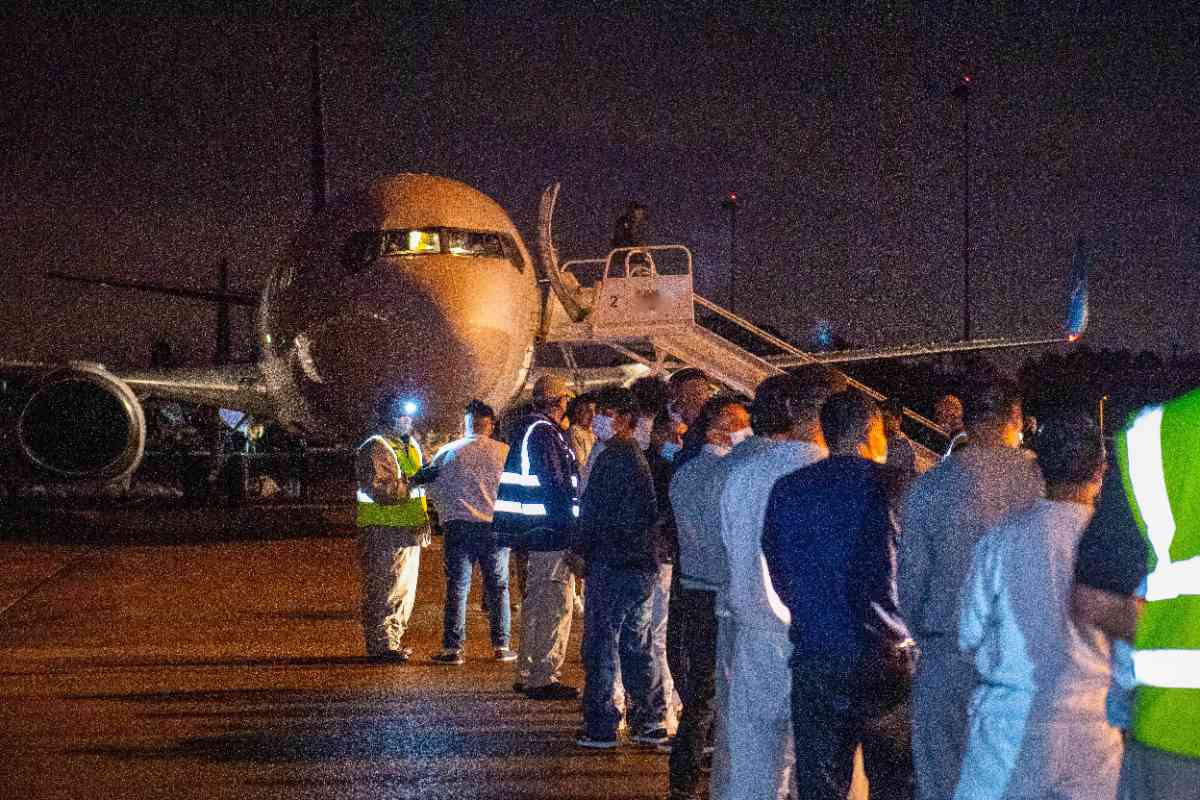
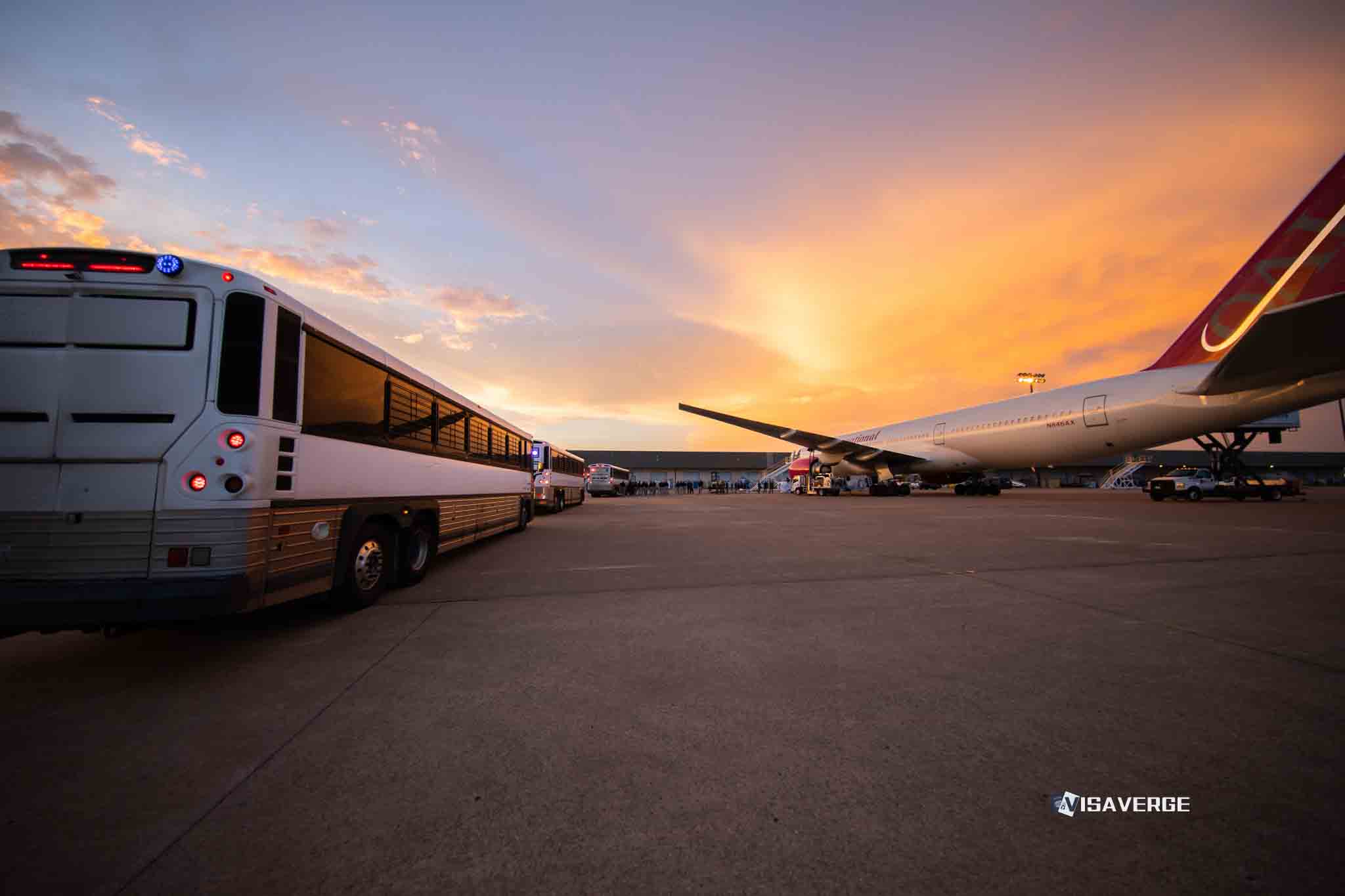
The United States sent 147 Venezuelan migrants back from Miami on August 3, restarting deportation flights after the June earthquakes killed thousands and damaged the country’s main airport.
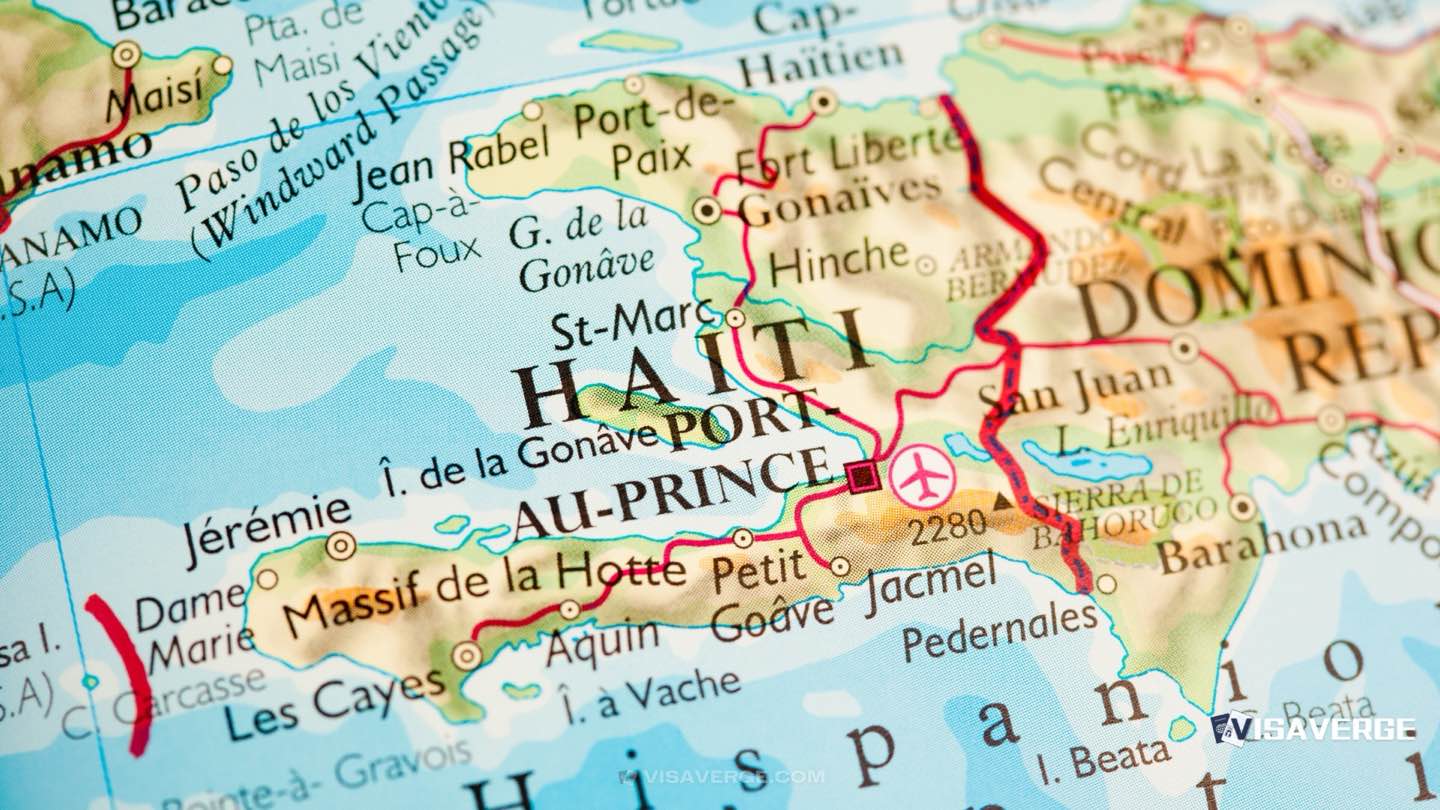
The aircraft landed in Barcelona, Anzoátegui. Its destination was General Jos Antonio Anzo International Airport, which handled the arrivals after the Caracas airport sustained heavy structural damage.
Free toolUSCIS Receipt Number Decoder
The operation marked the first flight since back-to-back earthquakes struck Venezuela in late June. It was also the 165th repatriation flight since the United States and Venezuela restarted the operations in early 2025.
The passengers included 132 men and 15 women. The pause had interrupted a campaign that previously returned hundreds of Venezuelans each week.
Mervin Maldonado, who heads Venezuela’s Great Mission Return to the Homeland, welcomed the migrants in a social media post. He said they were:
“returning home, to reunite with their families, to continue their education, to be productive, and to contribute to national development.”
The return came as Venezuelan authorities reported a rising earthquake death toll and extensive damage along the coast.
| Flight detail | Information |
|---|---|
| Date | August 3, 2026 |
| Origin | Miami |
| Destination | Barcelona, Anzoátegui |
| Passengers | 147 Venezuelan migrants |
| Passenger breakdown | 132 men and 15 women |
| Flight number | 165th repatriation flight |
The August flight followed an earthquake disaster that killed 6,125 people
The Venezuelan National Assembly reported 6,125 deaths as of August 3, along with over 60,000 hospitalizations and tens of thousands of people still missing.
The earthquakes struck on June 24, 2026. They measured 7.2 and 7.5 in magnitude.
Damage was especially severe in the coastal state of La Guaira. In some areas, 80% of buildings collapsed.
The disaster also affected the airport system. Simón Bolívar International Airport in Caracas suffered heavy structural damage, pushing the latest arrivals to the Barcelona airport instead.
The previous flight arrived on June 24, just hours before the tremors. It carried 146 deportees.
Many later died when the Hotel Santuario La Llanada collapsed during the seismic activity. Authorities had been processing the arrivals there.
DHS defended the flight that arrived before the tremors
A Department of Homeland Security spokesperson said in July 2026 that the June operation followed established procedures and that the agency’s responsibility ended once people left Immigration and Customs Enforcement custody.
“On June 24, a deportation flight safely reached Venezuela and all illegal aliens on board were returned home. When an individual is no longer in ICE custody, ICE is no longer responsible for them.”
The statement addressed criticism of the flight’s timing during the disaster. The new operation restored removals after the pause.
Some current deportees had lived in Tennessee, Illinois, and Florida. They had received humanitarian parole or work authorization before those programs were revoked.
The migrants’ circumstances reflect the broader policy shift behind the flights. Protections that had allowed some Venezuelans to remain in the United States were later withdrawn.
The Supreme Court ruling preceded the rise in Venezuelan removals
An October 2025 Supreme Court ruling permitted the termination of Temporary Protected Status for approximately 300,000 Venezuelans.
The decision opened the way for more removals. The administration had already been deporting hundreds of Venezuelans per week before the earthquakes stopped the flights.
ICE Flight Monitor recorded 1,746 Venezuelan deportations in May 2026. That figure captures the pace of removals before the interruption.
The August operation put that process back in motion. The flight also showed how earthquake damage altered the route used to receive returnees.
Direct commercial flights had resumed before deportation operations returned
DHS and the Department of Transportation rescinded the suspension of direct commercial passenger and cargo flights between the United States and Venezuela on April 15, 2026.
The Federal Register published the decision on April 17. The agencies cited a finding that conditions no longer “threaten the safety and security of passengers.”
That aviation decision came before the deportation flights restarted. The removal operation then used Miami as its departure point and Barcelona as its arrival point.
Caracas was not used for the latest flight. Structural damage at Simón Bolívar International Airport had changed the receiving location.
The flight resumed amid Venezuela’s post-Maduro political transition
The operation also followed a January 2026 U.S. military operation that resulted in the capture of Nicolás Maduro and the installation of an interim government under Delcy Rodríguez.
That government formed the political setting for the August return. Maldonado’s welcome message focused on family reunification, education, productivity, and national development.
The next flight will take place against the same backdrop: a removal policy expanded after the TPS ruling and a country still reporting earthquake deaths, hospitalizations, and missing people.