- Twin earthquakes collapsed a government-run hotel in La Guaira shortly after one hundred forty deportees arrived.
- Approximately one hundred twenty-eight individuals remain missing after only twelve survivors were reported at the scene.
- The disaster has sparked debate over ICE removal scheduling discretion and humanitarian protections under I-N-A section two forty-four.
(LA GUAIRA, VENEZUELA) — Venezuelans deported from the United States on June 25, 2026 were placed in a government-run hotel in La Guaira. Hours later, twin earthquakes struck and the hotel collapsed, leaving an unknown number of returnees feared dead or missing, according to relatives and press reports.
The hotel held approximately 140 deported migrants at the time of the collapse, Reuters reported. Survivors at the scene said roughly 12 people escaped the rubble. Relatives circulated a list of names of individuals still unaccounted for as recovery operations continued along the devastated Caribbean coastline.

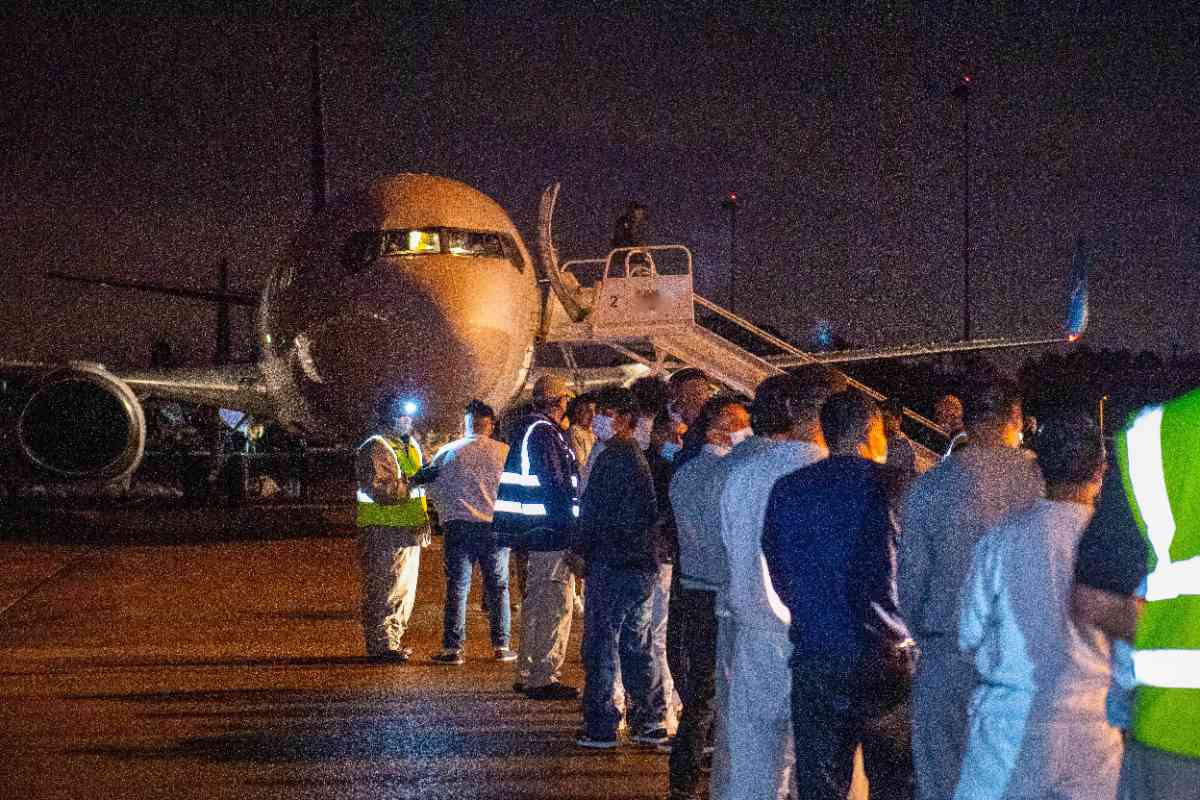
CNN identified the deportation flight as carrying 146 people, including 19 women and 7 children. The deportees were transferred from the airport to the hotel shortly before the earthquakes hit. The flight operated under U.S. Immigration and Customs Enforcement removal procedures, which execute final orders of removal under INA § 241.
The seismic event, described as a twin-jolt disaster beginning June 24, 2026, struck with magnitudes of 7.2 and 7.5. Later coverage placed the nationwide death toll at more than 1,700. The more powerful jolt arrived hours after the deportees were settled in the La Guaira facility, collapsing the structure and burying an unknown number of occupants beneath the rubble.
Legal Framework Governing Removal Flights
The catastrophe has drawn attention to the legal framework governing U.S. removal flights to countries experiencing humanitarian emergencies. Once a noncitizen is removed under INA § 241, U.S. government custodial authority generally terminates upon transfer to the receiving state. No federal statute establishes a continuing duty of care for individuals after removal is complete.
The Department of Homeland Security’s post-removal responsibilities are limited to ensuring that the receiving country accepts the individual. Once that transfer occurs, the legal relationship between the U.S. government and the removed individual effectively ends under current statutory and regulatory frameworks. Families seeking information about deceased or missing relatives after removal have few formal avenues through U.S. agencies.
Temporary Protected Status Considerations
Venezuela has been subject to Temporary Protected Status designations under INA § 244. The statute authorizes the Secretary of Homeland Security to designate a foreign state when conditions prevent safe return. Earthquakes of this magnitude may implicate the statutory criteria for TPS, which include natural disasters and ongoing emergency conditions. The Secretary retains broad discretion under the statute.
A TPS designation requires consultation between the Department of Homeland Security and the State Department. The process typically takes weeks or months. Venezuelan nationals who already hold valid TPS maintain their status until expiration, regardless of new seismic events in their home country.
ICE Removal Scheduling Discretion
The timing of the removal flight, arriving hours before the second quake, highlights the discretionary nature of ICE removal scheduling. Under 8 C.F.R. § 241.13, ICE may delay removal when the destination country experiences a natural disaster. The regulation does not mandate a blanket suspension of all removals to affected areas.
Immigration advocates have called for an immediate halt to removal flights to Venezuela following the disaster. No official suspension had been announced as of June 30, 2026. ICE has not publicly commented on whether the agency was aware of seismic activity in the region before authorizing the flight’s departure.
Impact on Pending Immigration Cases
The incident may also affect pending immigration cases involving Venezuelan nationals. Immigration judges and USCIS adjudicators consider country conditions when evaluating asylum claims under INA § 208 and withholding of removal applications under INA § 241(b)(3). A natural disaster of this scale could alter the country condition evidence in pending cases. Seismic events alone, however, do not establish persecution under the statutory standards for asylum or withholding.
⚠️ Seeking Information About Deported Relatives
Family members in the United States seeking information about deported relatives may contact the U.S. Department of State’s Office of Overseas Citizens Services at 1-888-407-4747. The American Red Cross Restoring Family Links program also assists in locating individuals affected by international disasters.
⚠️ Legal Options for Venezuelan Nationals
Venezuelan nationals in removal proceedings or subject to final orders should consult with a qualified immigration attorney. An attorney can evaluate eligibility for relief, including TPS, withholding of removal, or asylum. Changes in country conditions may affect pending claims and available defenses.
The Board of Immigration Appeals has not issued guidance specific to removals following natural disasters in destination countries. Circuit courts have generally deferred to agency discretion in removal scheduling and execution. Whether the La Guaira collapse prompts litigation or policy changes remains uncertain.
⚖️ Legal Disclaimer: This article provides general information about immigration law and is not legal advice. Consult a qualified immigration attorney for advice about your specific situation.