On September 9, 2026, the Trump administration said Salvadorans with Temporary Protected Status will “retain protection” for now, pushing the final decision on El Salvador’s TPS designation to a later date. The update affects about 170,000 Salvadorans in the United States and leaves their existing protections and work permits active in the interim.
- DHS said an official decision on El Salvador’s TPS designation will be announced later, while current protections remain in place.
- The temporary continuation covers an estimated 170,000 Salvadorans living in the United States.
- Advocacy groups estimate Salvadoran TPS holders contribute $5.4 billion annually to the U.S. economy.
- Salvadoran nationals have held TPS continuously since the devastating 2001 earthquakes.
- USCIS has extended work authorization for Salvadoran TPS holders with pending renewals through September 2026.
- Eligible workers can present expired EAD documents along with their USCIS notice to employers.
- The current TPS designation for El Salvador officially terminates on September ninth, twenty twenty-six.
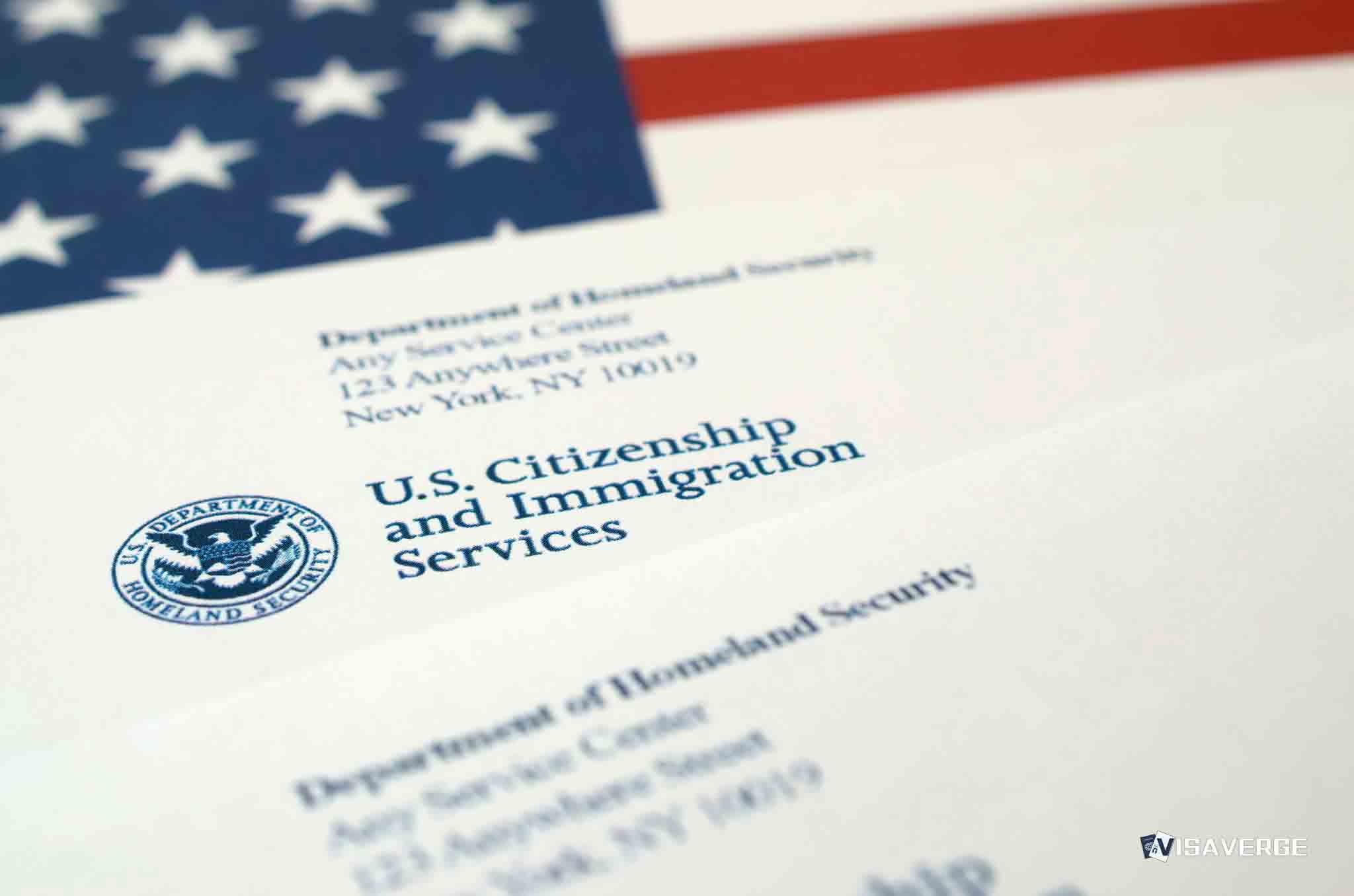
U.S. Citizenship and Immigration Services (USCIS) will extend work authorization through Sept. 9, 2026, for certain El Salvador TPS recipients whose renewal documents remain pending.
Free toolI-94 Expiration Calculator OnlineThe agency is notifying recipients who remain eligible for Temporary Protected Status, have not received renewal Employment Authorization Documents (EADs) with category codes A-12 or C-19, and still have a pending TPS-based EAD application. Their expired EADs will remain valid through the end of the designation.

USCIS issued the update on Aug. 12, 2026. The extension applies to recipients who meet the conditions described in the notices.
The underlying designation ends on the same date.
“The Temporary Protected Status (TPS) designation of El Salvador and related benefits are set to terminate on Sept. 9, 2026. USCIS is sending notices to El Salvador TPS recipients who continue to be eligible for TPS but haven’t received renewal EADs with category codes A-12 or C-19 and whose TPS-based EAD application is still pending, that their expired TPS-based EADs are extended until Sept. 9, 2026, the end of the El Salvador TPS designation.”
USCIS notices identify the workers covered by the extension
The agency is sending notices by mail and electronically to beneficiaries with a myUSCIS account. Recipients should keep the notice with the expired EAD.
The Sept. 9 deadline marks the end of an 18-month extension period that began on March 10, 2025. The notice-based extension does not continue beyond the termination of the TPS designation.
USCIS published the Update on Temporary Protected Status for El Salvador on Aug. 12, 2026.
The category codes are A-12 and C-19. The applicant must also continue to qualify for TPS and have a pending application based on that status.
Workers can show the notice with an expired EAD
Affected workers can present the USCIS notice and expired EAD to their employers as evidence of continued work authorization through Sept. 9, 2026.
Employers completing Form I-9 should enter “Sept. 9, 2026” as the document’s expiration date. They may also attach the USCIS notice to the employee’s Form I-9.
The notice is part of the documentation for the temporary extension. Workers should review it alongside their expired EAD before relying on the document for employment verification.
SAVE will return a temporary employment authorization response
Agencies using the Systematic Alien Verification for Entitlements, or SAVE, can verify an unwithdrawn TPS approval through TPS-related documents.
Those documents may include a Form I-797, Approval Notice; a Form I-797C, Notice of Action; or a Notice of Continued Evidence of Work Authorization.
SAVE’s response for qualifying beneficiaries will read:
“Temporary Protected Status – Employment Authorized – Temp Emp Auth”
The system will show the employment-authorized-through date as the EAD expiration date of “Sept. 9, 2026.”
User agencies should check the USCIS TPS El Salvador webpage regularly for updates. Agencies can also subscribe to SAVE updates through Granicus Communications.
The SAVE news and alerts page provides related agency information.
Federal law shortened the available automatic extension period
The One Big Beautiful Bill Act, H.R. 1, became law in July 2025. The law limits automatic EAD extensions to a maximum of one year or the end of the underlying TPS designation, whichever comes first.
That change curtailed earlier 540-day automatic extensions on which many beneficiaries had relied. Here, the Sept. 9 termination date sets the final endpoint.
The update also follows the Supreme Court’s June 25, 2026, ruling in Mullin v. Doe. The ruling cleared the way for the administration to proceed with TPS terminations involving Haiti, Syria, and El Salvador.
The designation ends in less than one month
Legal advocacy groups are urging more than 200,000 Salvadorans to seek alternative immigration pathways or prepare for the loss of legal status and work authorization after the September deadline.
Workers who receive a notice should retain it, keep it with the expired EAD, and provide both documents during employment verification. Employers should record “Sept. 9, 2026” and may keep the notice with Form I-9.
The next date is fixed: Sept. 9, 2026. Agencies should monitor USCIS updates before then, while affected recipients should act before the designation ends.