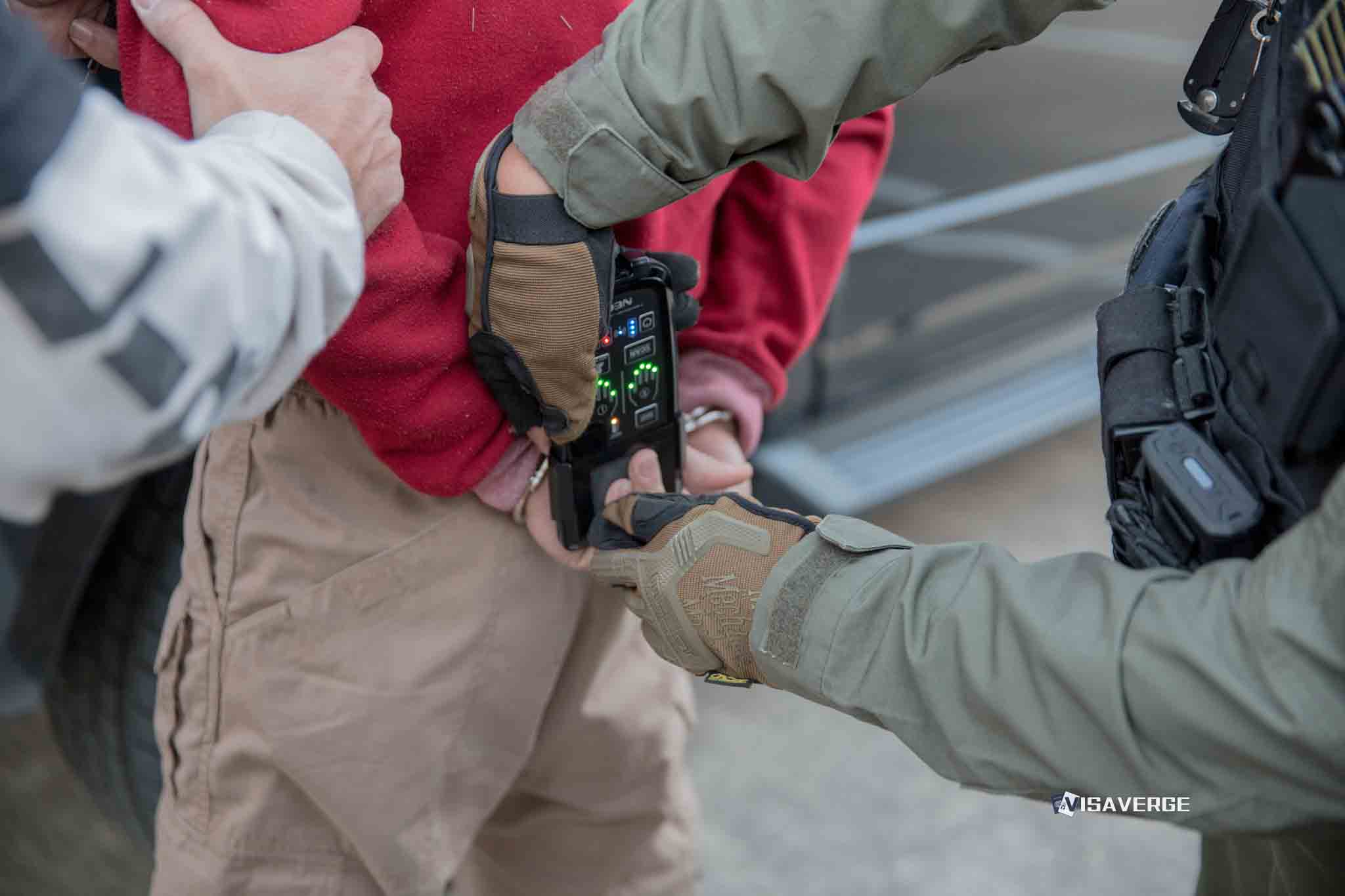
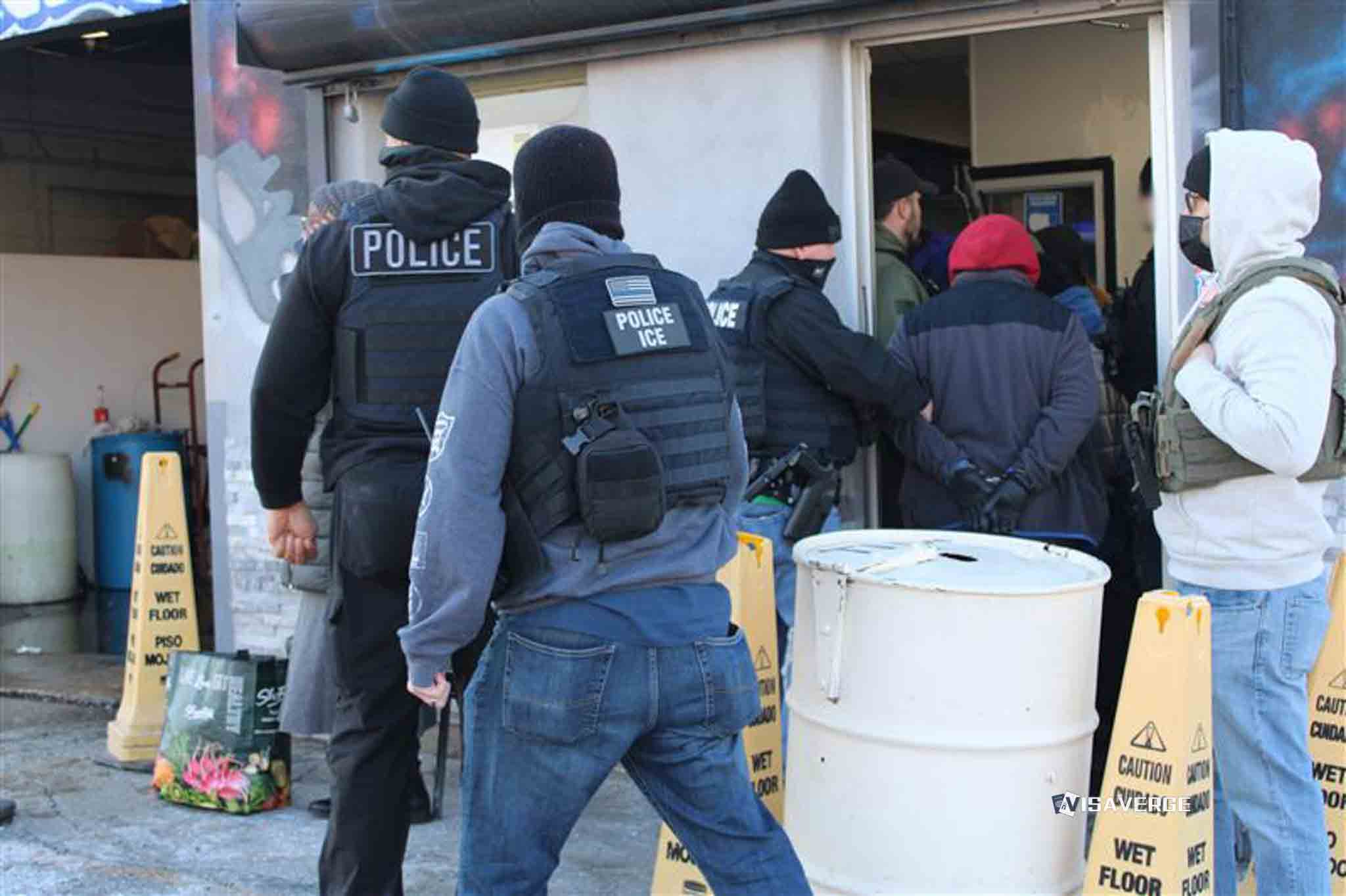
- The Department of Homeland Security plans to purchase G.L.O.V.E. devices costing up to twenty million dollars.
- The wearable shock tool delivers three hundred eighty volts through direct skin contact for de-escalation.
- Critics and officials express concerns over potential civil rights violations and physical harm to individuals.
The Department of Homeland Security said it plans to buy a wearable shock glove for ICE officers, setting aside between $10 million and $20 million for the G.L.O.V.E. device. The notice said Homeland Security Investigations and Enforcement and Removal Operations officers would use it. Rollout is expected by March 2027.
The glove is built for close encounters. Officers could deliver an electrical pulse through direct skin contact during an encounter. The manufacturer describes it as a "conductive distraction and de-escalation" tool, or a "wearable de-escalation device."
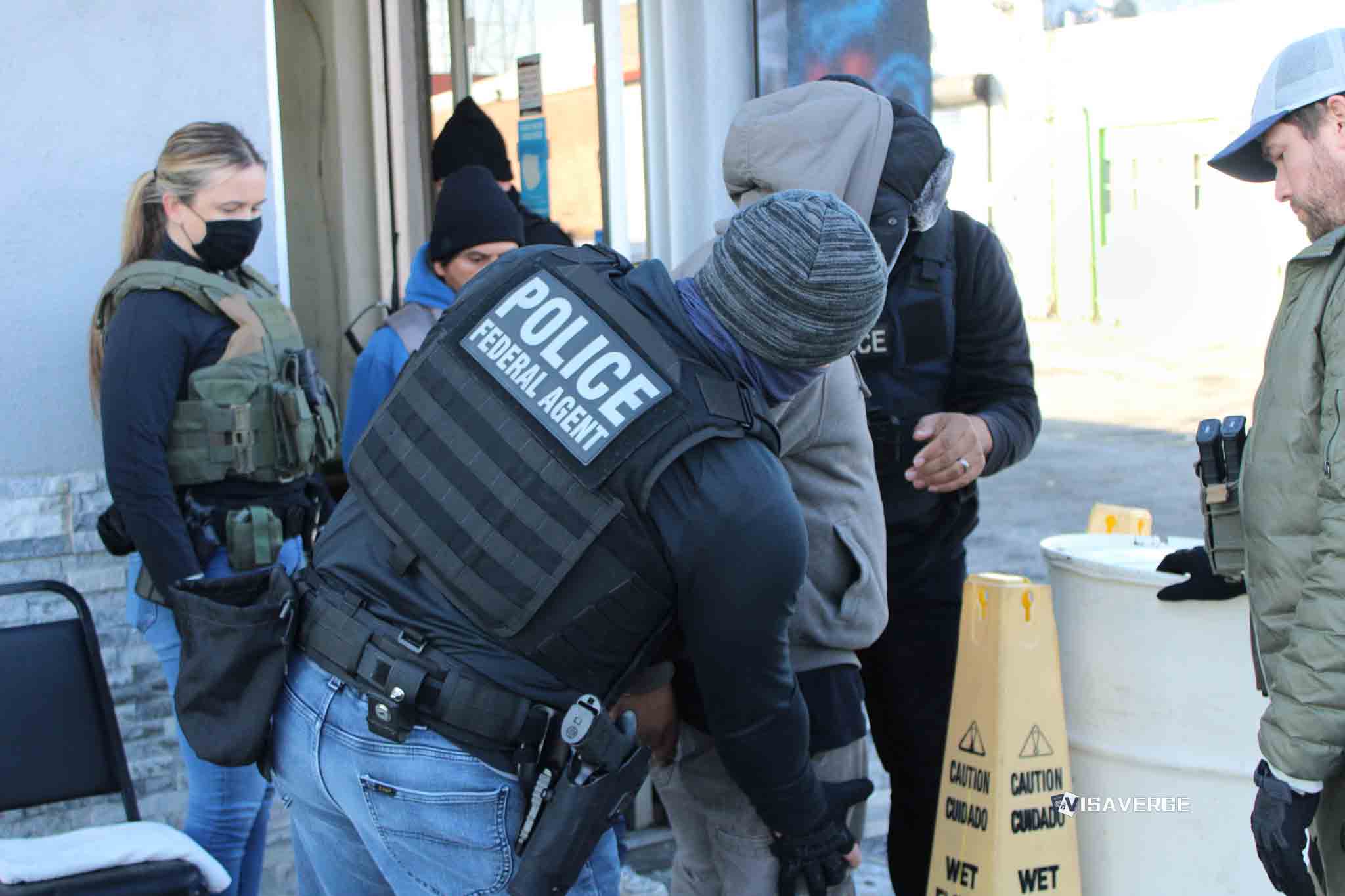
A hidden button would activate it. The device can emit up to 380 volts. That is the ceiling. The user guide says it is not for punishment or mere verbal defiance.
The manual also says officers should not use it on pregnant people, children, older adults, or people with serious disabilities. The cautions are explicit. They limit who can be exposed to it.
The sharpest public criticism came from New York Gov. Kathy Hochul.
"On its face, it seems like a violation of civil rights to cause that kind of physical harm to an individual, regardless of what the offense may be,"
New York Attorney General Letitia James said her office was reviewing the proposal and that it "appears to be arbitrary and capricious."
G.L.O.V.E. stands for Generated Low Output Voltage Emitter, and Compliant Technologies, based in Kentucky, makes it. The glove would give agents a less visible force option than a baton or Taser-style device. It can also fit inside an ordinary-looking glove. That is the point.
The glove can blend in
The device is aimed at close-contact arrests, where the public may not easily see when force is applied. The manual says users must be trained and recertified every two years. Recertification runs on a two-year clock.