- ICE began enforcing body camera requirements this week for vehicle stops and arrest teams across the country.
- The agency must review and potentially release footage of serious injuries or deaths within seventy-two hours.
- Total implementation costs reached thirty point nine million dollars to equip twenty-two thousand officers by late August.
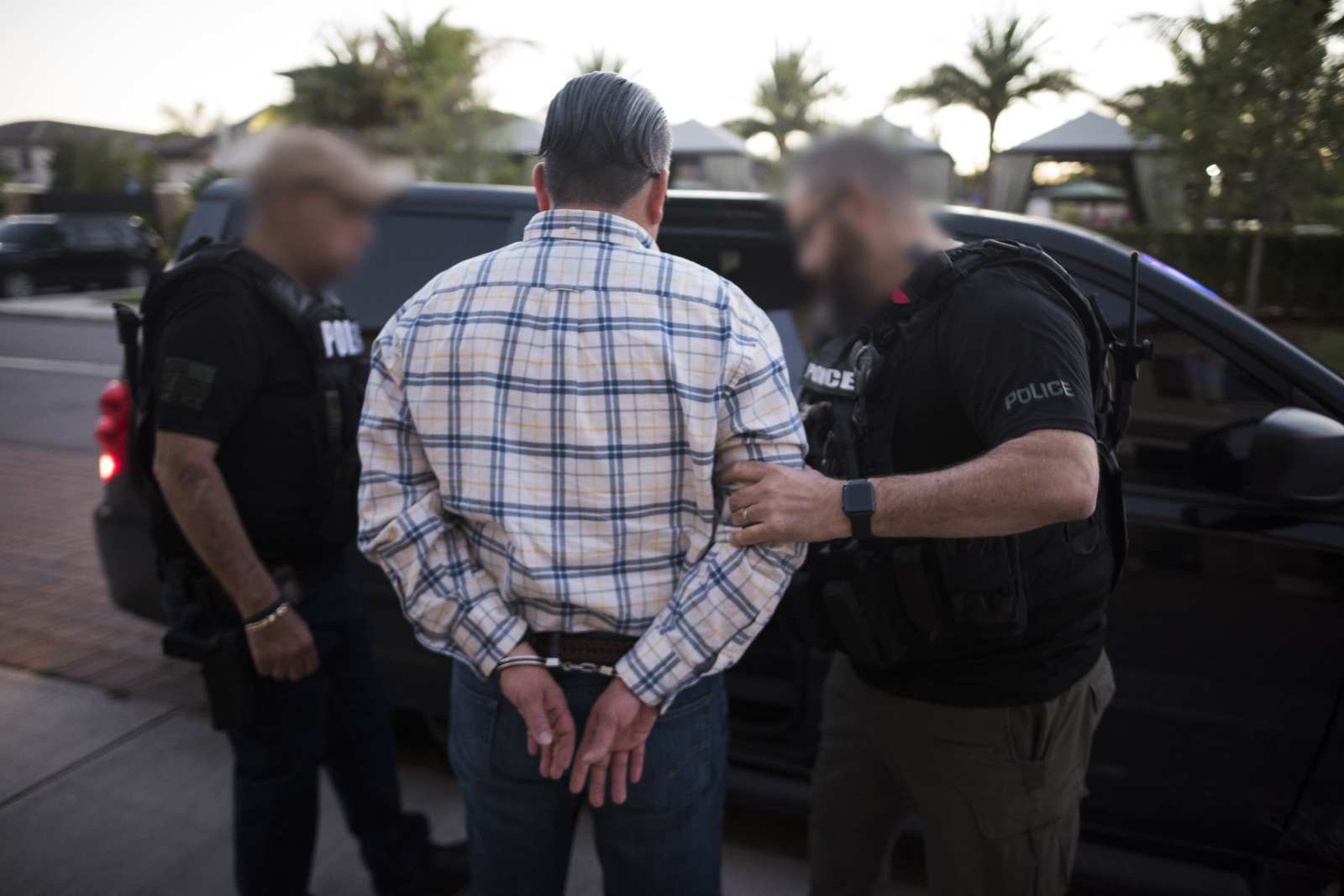
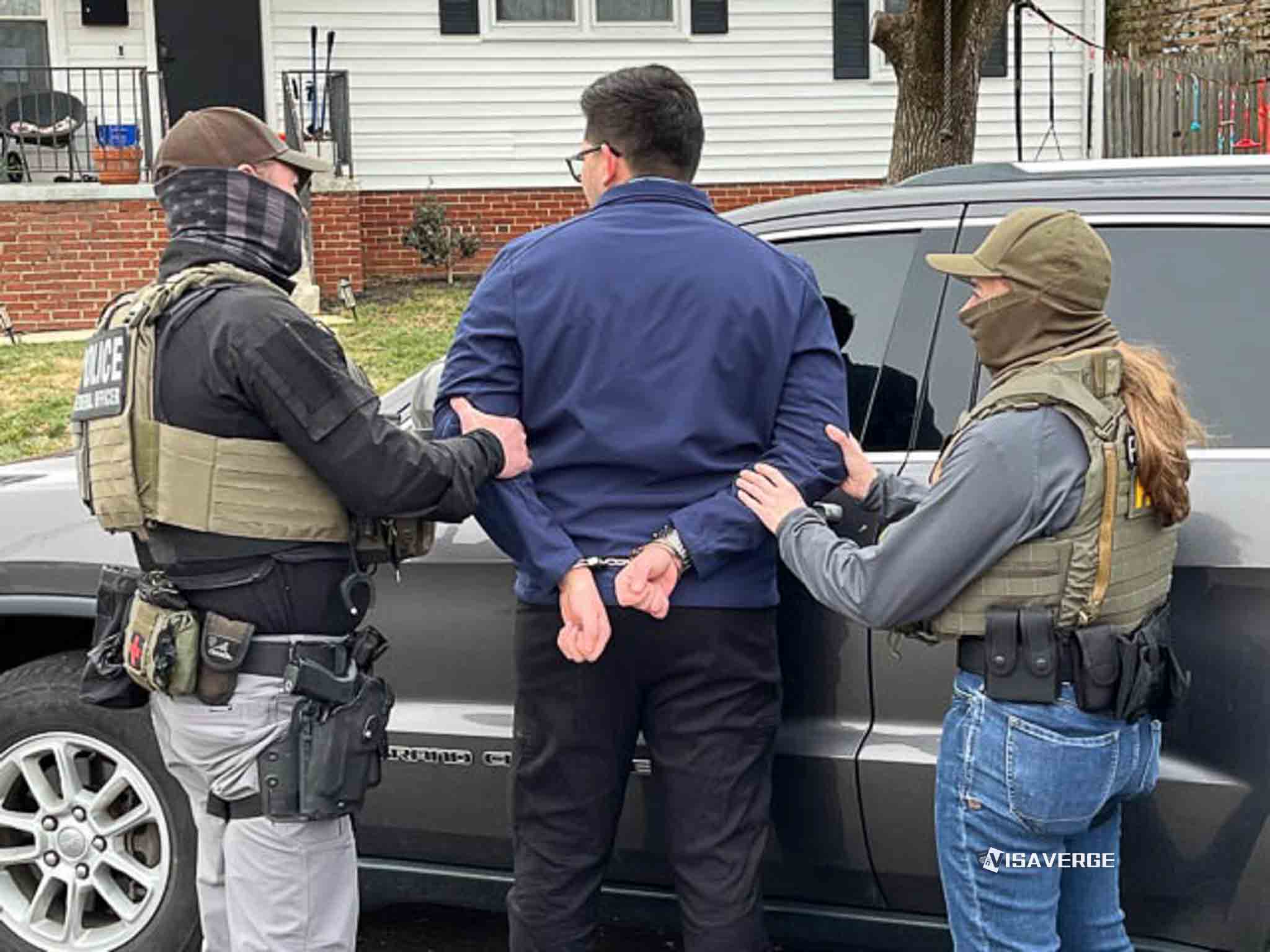
U.S. Immigration and Customs Enforcement began enforcing its body camera rule this week, and vehicle stops now need at least one activated camera on scene. Every arrest team must carry one too. The agency wants the recording on fast. A missed activation now needs a written explanation.
Recording starts as soon as practicable. It continues until the enforcement activity ends. The camera comes on fast. A written explanation follows any missed activation.
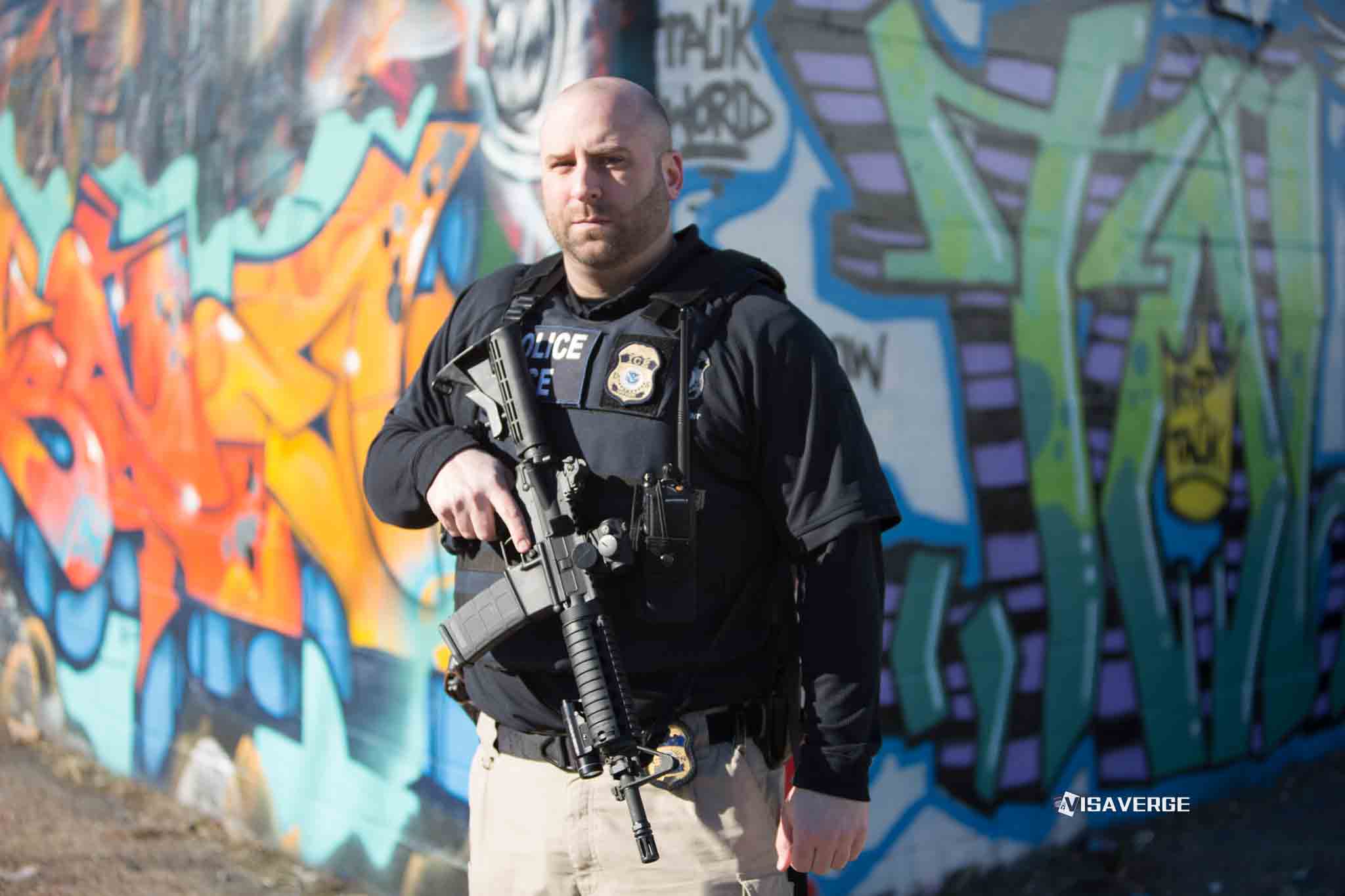
ICE says footage is available for official purposes and internal review. If serious bodily injury or death in custody is captured, the agency must review the video expeditiously. It may publicly release it within 72 hours or as soon as operationally feasible. On August 8, Acting Director David Venturella laid out the release standard.
"ICE policy permits expedited release when appropriate — and clarifies that it’s not appropriate to release footage when doing so could compromise investigations or privacy. This approach mirrors other federal law enforcement agencies’ policies."
More than half of field officers already had cameras as of August 7-8, 2026. The remaining officers were expected to receive them by the end of August 2026. On August 11, officials said agents in Houston, Maine and Chicago would be "ready to use" the devices by Wednesday of that week. The clock is tight.
Directive 19010.3, Body Worn Camera (BWC), dates to February 19, 2025. Congress approved $20 million in April 2026. The agency spent $30.9 million in July 2026 on equipment from Axon Enterprise. It estimates 22,000 officers and agents as it surges personnel for enforcement operations. The rollout is expensive.
The directive lists the encounters and the places off limits
The directive lists the encounters. It also draws a few boundaries. The main rules fit in one glance.
| Situation | Rule |
|---|---|
| Arrests | Record them. |
| Search warrants | Record them. |
| Emergency responses | Record them. |
| Consensual encounters | Record them. |
| First Amendment activity | Do not record solely for that. |
| Healthcare facilities | Do not record inside them. |
| Courtroom proceedings | Do not record there. |
| Immediate law enforcement emergency | Exception. |
Fatal incidents without footage helped force the switch
The pressure mounted after fatal incidents without body-camera footage. One shift followed three killings. The names and dates tell the timeline.
| Case | Date | Place |
|---|---|---|
| Renee Good and Alex Pretti, killed by DHS officers | January 2026 | Minneapolis |
| Lorenzo Salgado Araujo, shot and killed by ICE agents | July 7, 2026 | Houston, Texas |
| Joan Sebastián Durán Guerrero, fatally shot by ICE agents | July 13, 2026 | Biddeford, Maine |
The criticism widened fast. A July 18 letter signed by dozens of U.S. Senators accused DHS of "blatant falsehoods" about the encounters. The ACLU released Agents of Chaos and Cruelty on July 16, 2026, and said it had documented over 400 cases of alleged misconduct. Jay Stanley, a senior policy analyst for the ACLU, said the release standard could turn cameras into "propaganda systems." Kristi Noem promised in February 2026 that agents would be equipped with cameras after high-profile use-of-force incidents in Minneapolis. Tricia McLaughlin said shooting incidents would undergo an "independent review of the critical incident."
Tom Homan, the White House border czar, backed the mandate on July 19, 2026. He said the public should see what officers see and hear.
"I think the American people need to see what that officer sees and hears. body cameras actually exonerate agents more than they provide evidence of wrongdoing."
Training continued in Houston, Maine and Chicago in the second week of August. On August 11, officials said agents would be "ready to use" the devices by Wednesday of that week in several key jurisdictions. The end-of-month deadline still runs.