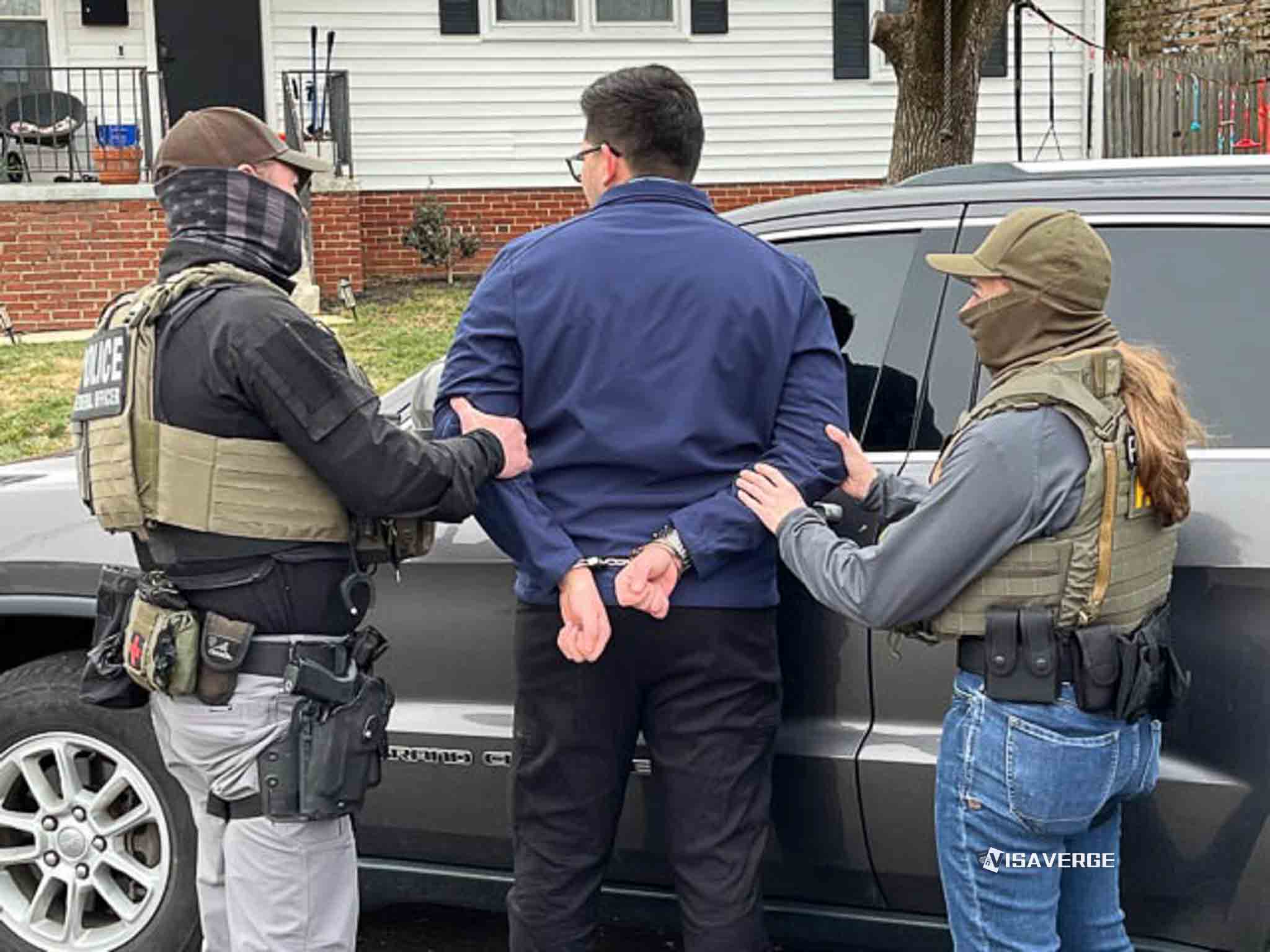
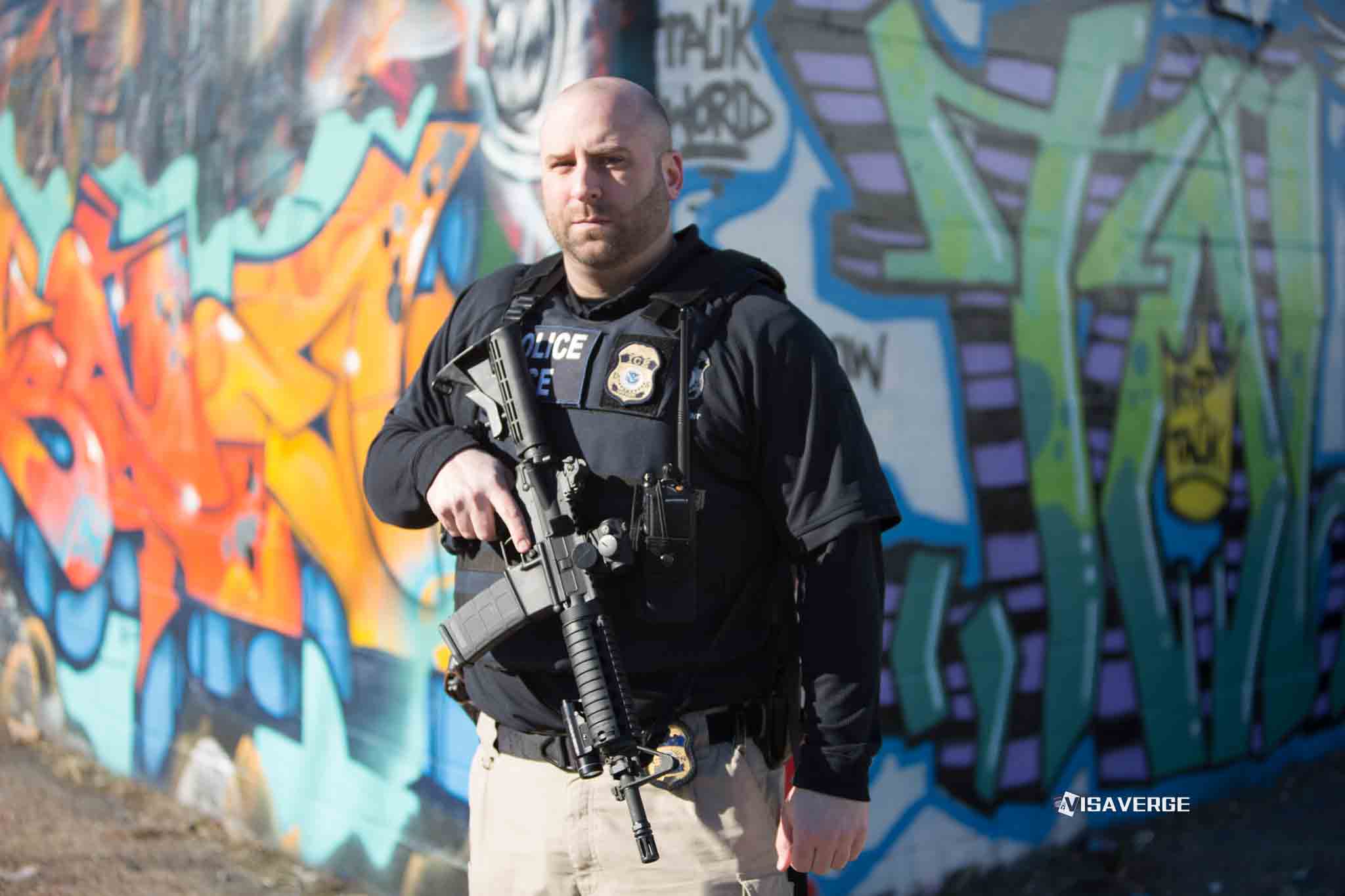
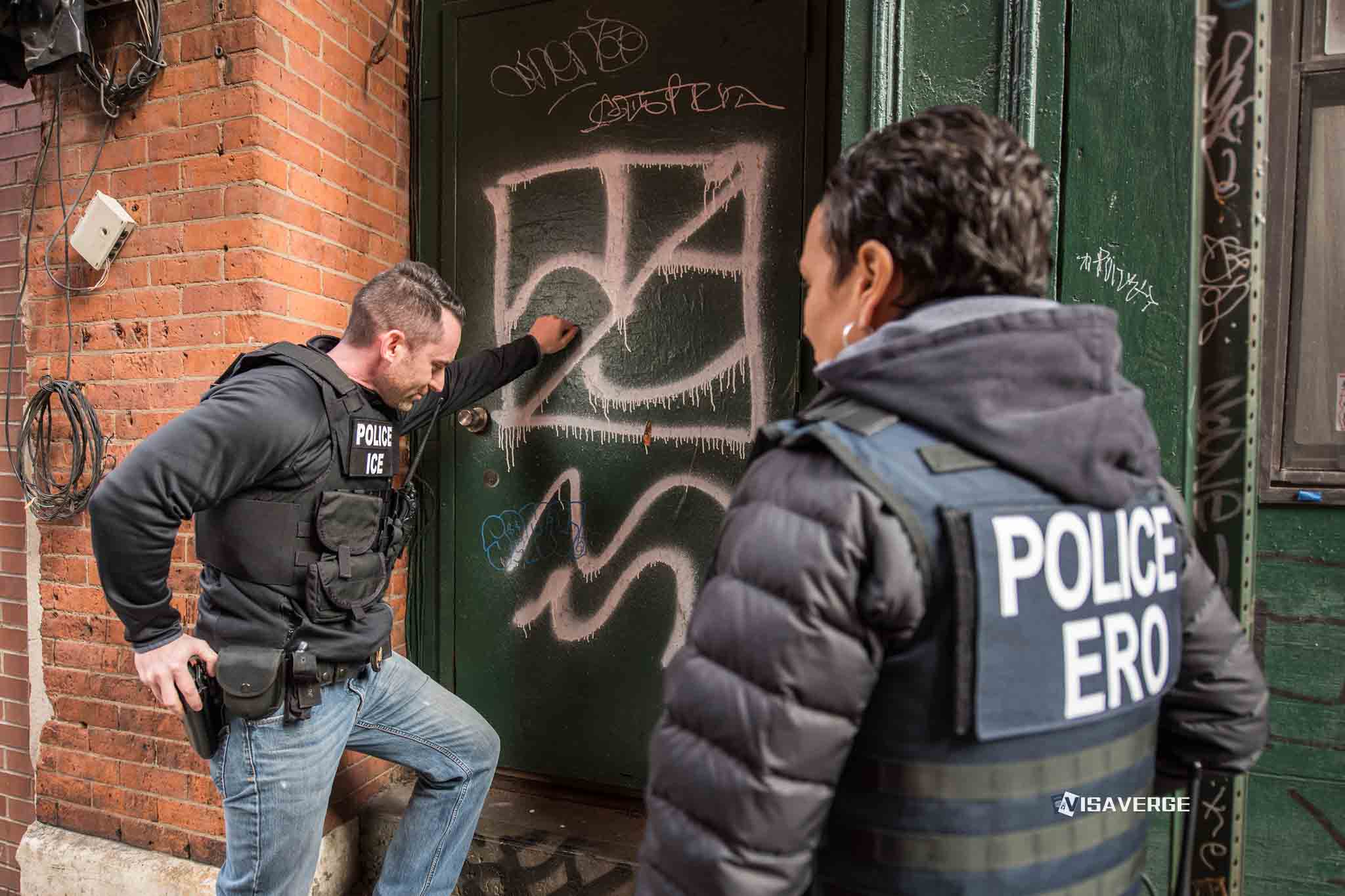
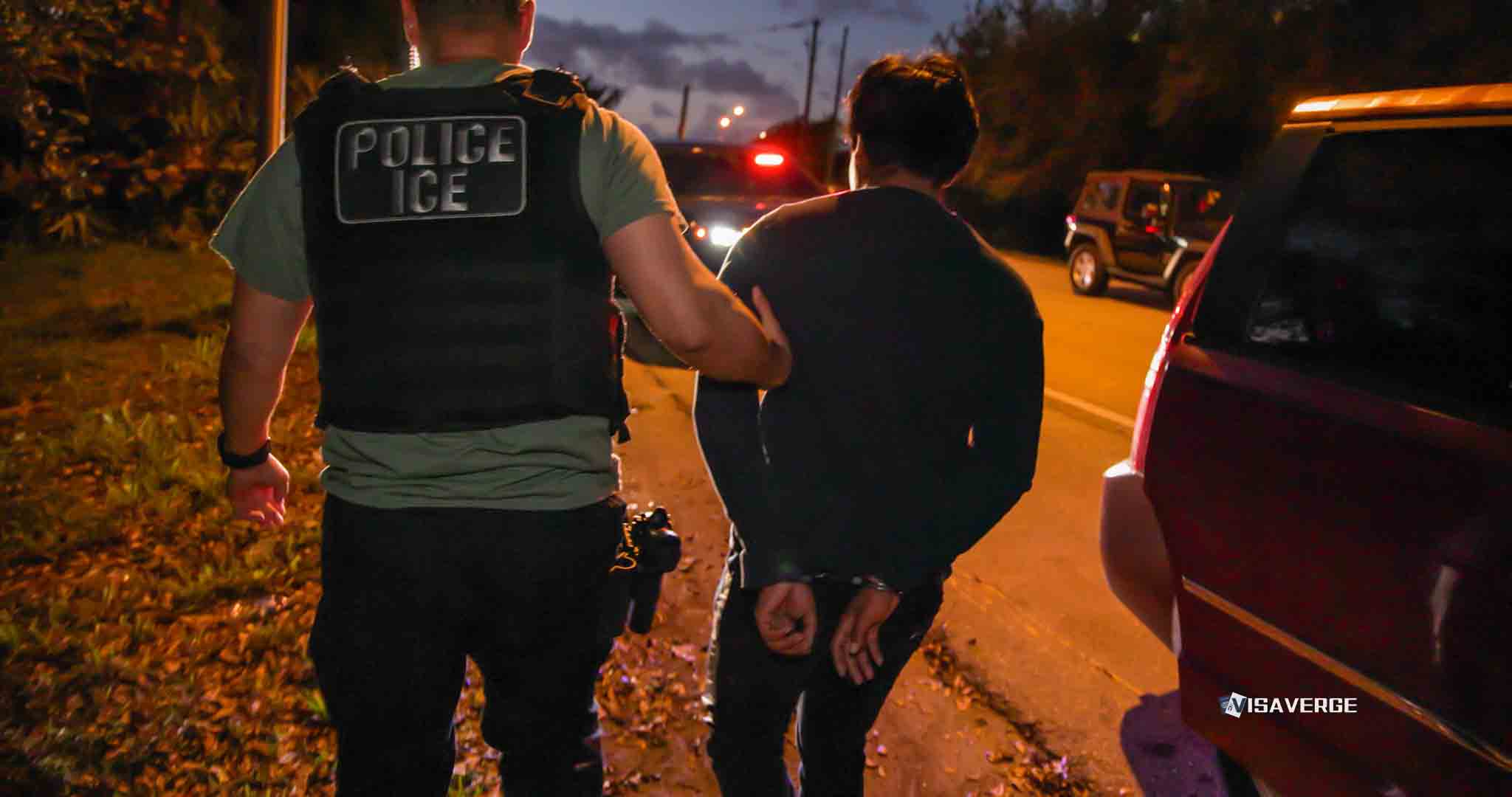
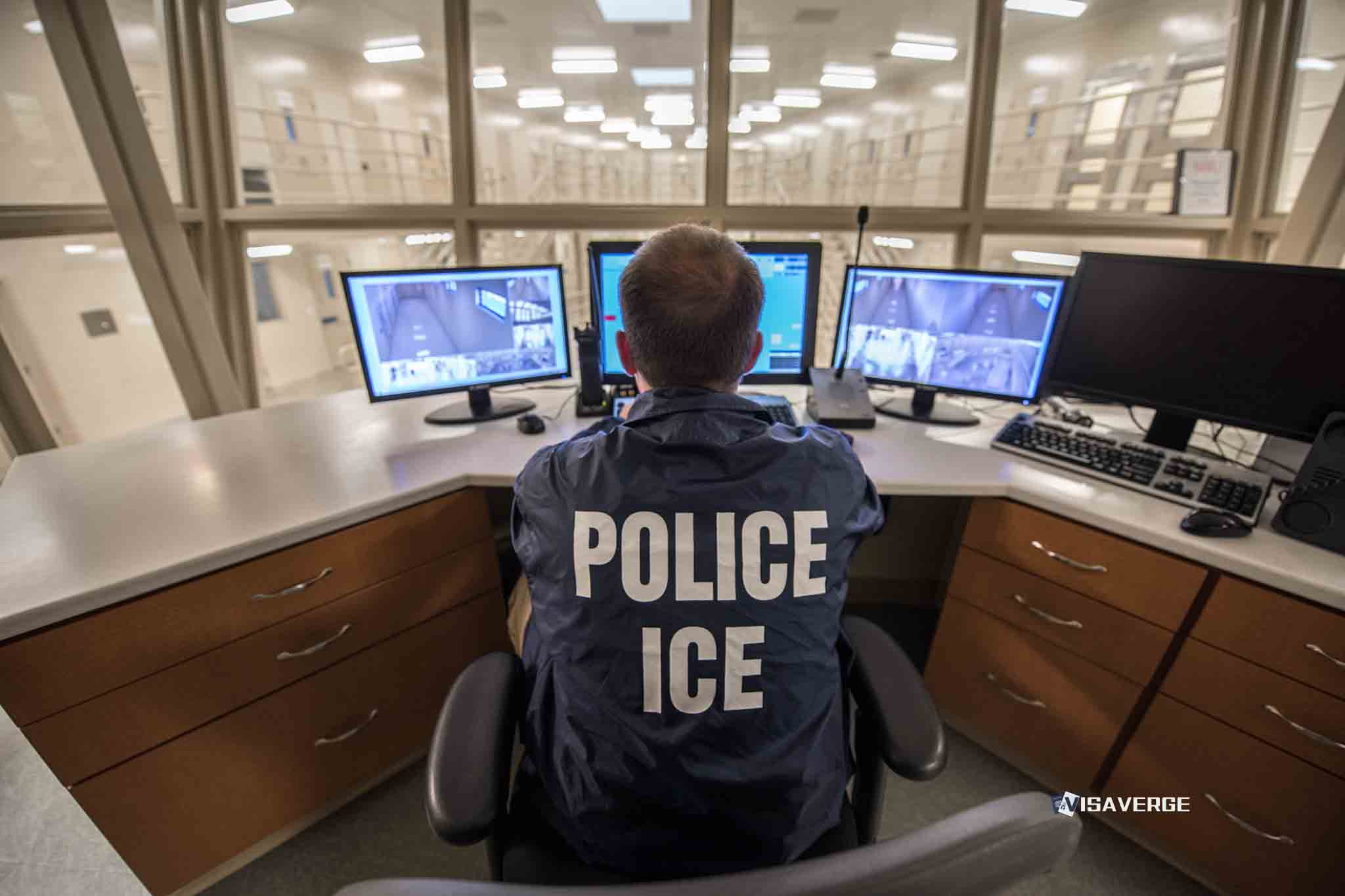
ICE’s body-camera rollout has been pushed beyond the end of August, with the latest reporting saying field officers nationwide are now expected to be equipped by the end of September. The agency also says at least one member of every arrest team must have a camera during enforcement operations as the deployment accelerates across field offices.
- Reuters and AP reported on August 7, 2026 that ICE now expects full deployment by the end of September, not the end of August.
- ICE said more than half of field officers already have body-worn cameras, with the remaining officers slated for rollout within about 60 days.
- The new guidance requires body cameras during enforcement activities including arrests, warrant execution, and emergencies, and excludes some investigative activities and recordings solely of First Amendment activity.
- ICE policy says release of footage after shootings or serious injury incidents remains subject to the agency’s “best interests” standard, with a review committee and the director able to withhold or delay release.
- Tom Homan mandates that ICE arrest teams include camera-equipped officers following two fatal shooting incidents in July 2026.
- Remaining ICE field offices will receive body camera equipment within sixty days after a funding surge.
- DHS paused vehicle stops during safety reviews after officers killed two bystanders without recording any footage.
Tom Homan said Sunday that Immigration and Customs Enforcement arrest teams must include at least one camera-equipped officer after fatal shootings in Houston and Biddeford, Maine. Remaining field offices are expected to receive equipment within 60 days.
The policy follows two incidents earlier this month in which the involved officers had no recordings from their equipment. DHS Secretary Markwayne Mullin paused most vehicle stops during the safety reviews.
Homan said the department now has enough money to complete the rollout. Earlier funding, he said, “wasn't enough.”
“They exonerate more law enforcement than they convict, and I want officers to wear body cameras because I want the American people to see what the officers saw when they took that action.”
Homan said the cameras have been purchased and training is underway. DHS said more than half of ICE field offices already have them, with the rest expected to receive equipment in less than 60 days.
The mandate follows two shootings without officer footage
On July 7, Lorenzo Salgado Araujo was fatally shot in Houston while driving a construction crew to work. He was a 52-year-old Mexican national who had lived in the United States for 35 years.
DHS said Salgado Araujo weaponized his vehicle. His family and witnesses dispute that account. The department also confirmed that he was not the intended target of the immigration operation.
Six days later, Agent David Brouillette fatally shot Joan Sebastián Durán Guerrero in Biddeford, Maine. Durán Guerrero was 26, Colombian, and held a valid work permit.
DHS said Brouillette feared for public safety. Durán Guerrero, like Salgado Araujo, was not the intended target, according to the department.
Neither shooting produced officer-worn footage. Families in Houston and Biddeford have protested, seeking independent investigations and the release of available bystander or surveillance video.
The incidents exposed a gap between the government’s account of an encounter and the recordings Homan says can show what officers saw. That gap remains central to the new policy.
The rollout is funded, but the department previously lacked equipment
The fiscal year 2026 DHS funding included $20 million for the camera program. Homan said the department secured sufficient funding after a roughly $70 billion package passed in June.
The program also faced a delay linked to the shutdown, according to Homan. He said the earlier allocation could not cover the full rollout.
“The cameras have been purchased right now.”
Training has begun as equipment moves through the field-office system. DHS said deployment has passed the halfway point.
| Rollout detail | Status |
|---|---|
| Arrest-team coverage | At least one equipped officer on every arrest team |
| Current deployment | More than half of ICE field offices equipped |
| Remaining deployment | Expected in less than 60 days |
| Earlier pilot | 2024 pilot in Baltimore, Buffalo, Detroit, Philadelphia, and Washington, D.C. |
| Prior policy | January 2024 requirement covering “all aspects of ICE enforcement activities,” with some investigative exceptions |
The new requirement builds on an existing policy rather than starting from zero. ICE launched a pilot in 2024 across five field locations.
The January 2024 policy required most officers to use cameras during “all aspects of ICE enforcement activities.” It also included exceptions for some investigative work.
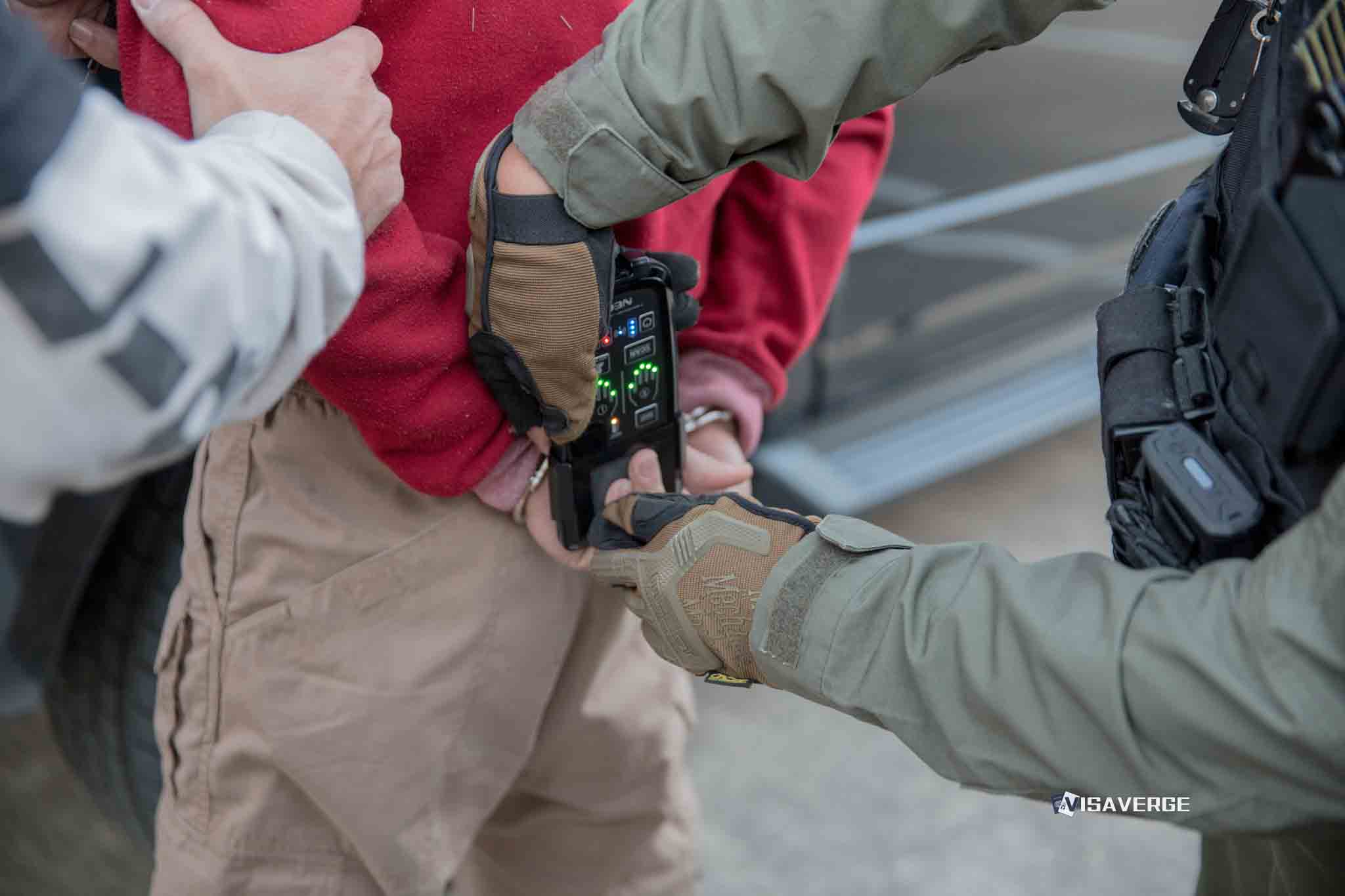
The team-level rule covers field operations such as traffic stops, searches, and investigative detentions. At least one member must have an active camera.
Safety reviews have put traffic operations under scrutiny
The shootings also prompted a temporary pause in most vehicle stops. ICE leadership instructed officers to stop the operations amid safety concerns while the incidents underwent review.
Mullin paused the activity during the investigations. Homan described the suspension as temporary and said the agency would return to the operations after the review.
The pause has created a tension inside the rollout. The department is adding recording equipment while examining incidents in which officers used lethal force without that record.
Homan said the public should be able to see and hear an encounter from the officer’s perspective.
“I think body cameras are the way to go. I think the American people need to see what that officer sees and hears. I think it’s important.”
DHS has also pointed to rising threats against immigration agents. The department cited a 1,300% increase in assaults against agents and a 3,300% increase in attacks involving vehicles.
Those figures come from DHS’s justification for the accelerated rollout. The agency’s figures describe its account of the security threat.
Families want investigations beyond the department’s review
The families of both men have called for independent investigations. They also want existing footage from witnesses or surveillance systems released.
No officer-worn recording exists from either shooting. That leaves other video sources, along with witness accounts, as potential evidence for the families’ requests.
Immigration advocates have questioned whether cameras alone can produce accountability. Mike Fox, a legal fellow at the Cato Institute, said the technology remains “largely symbolic” without a statutory right to sue federal agents for civil rights violations.
The National Police Accountability Project has also expressed skepticism about the policy. Its concerns focus on the limits of recording when legal remedies remain restricted.
DHS has defended the mandate as a nationwide priority. A department spokesperson said:
“Ensuring all of our ICE law enforcement officers have body cameras nationwide is a top priority for DHS.”
The spokesperson added that cameras had reached more than half of the field offices and that the remaining half were expected to receive them in less than 60 days. DHS also said the rollout was especially needed because “the media and sanctuary politicians consistently spread smears about our law enforcement.”
The department must now finish distribution and training while the Houston and Biddeford reviews continue. The two shootings occurred on July 7, 2026, and July 13, 2026, before the nationwide equipment rollout was complete.