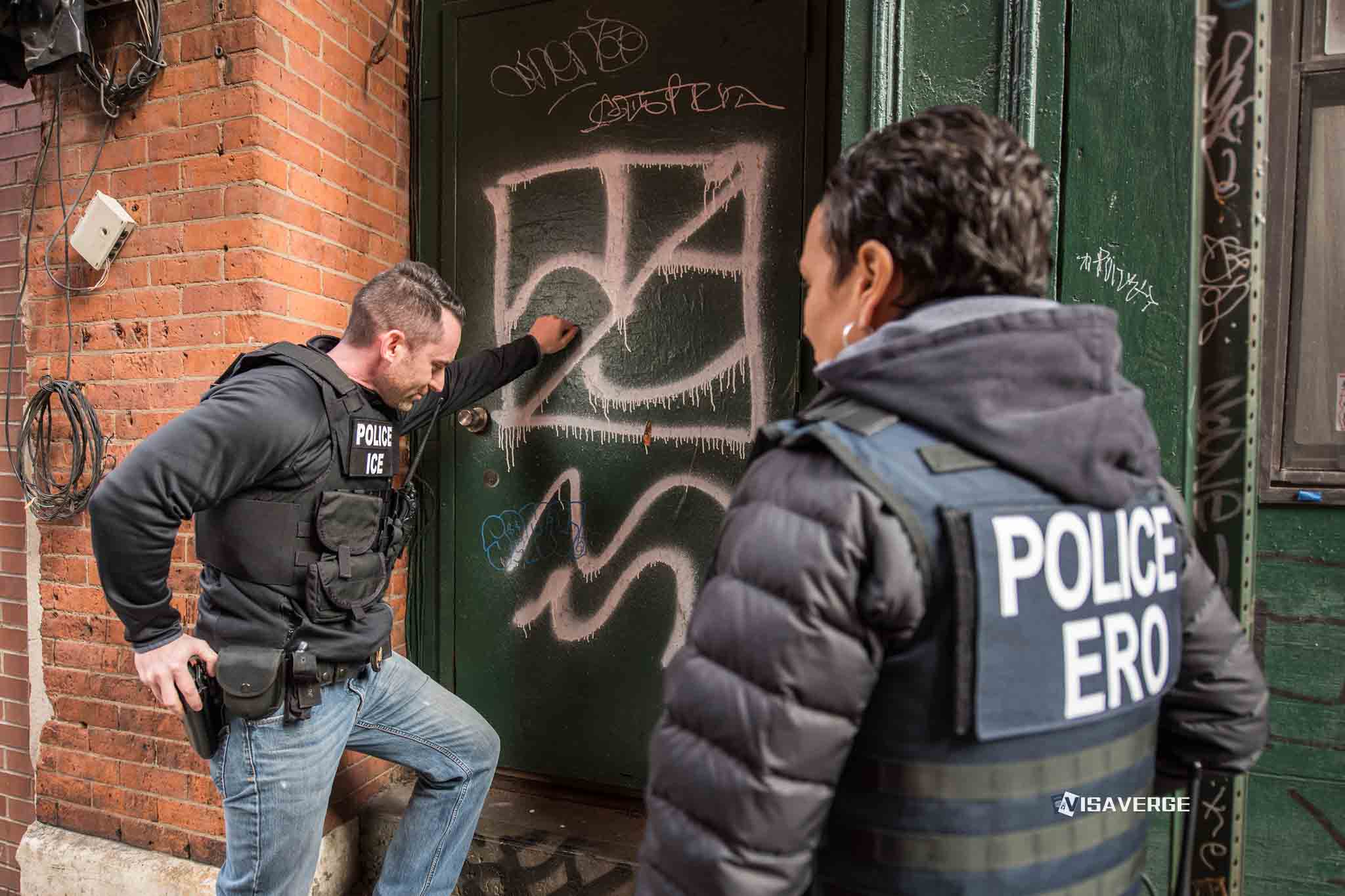
- Reports claim the FBI will stop investigating physical confrontations involving Immigration and Customs Enforcement officers.
- The Justice Department denies any policy change, asserting the FBI continues to handle these cases.
- Advocates warn that shifting oversight to ICE’s internal arm creates a conflict of interest.
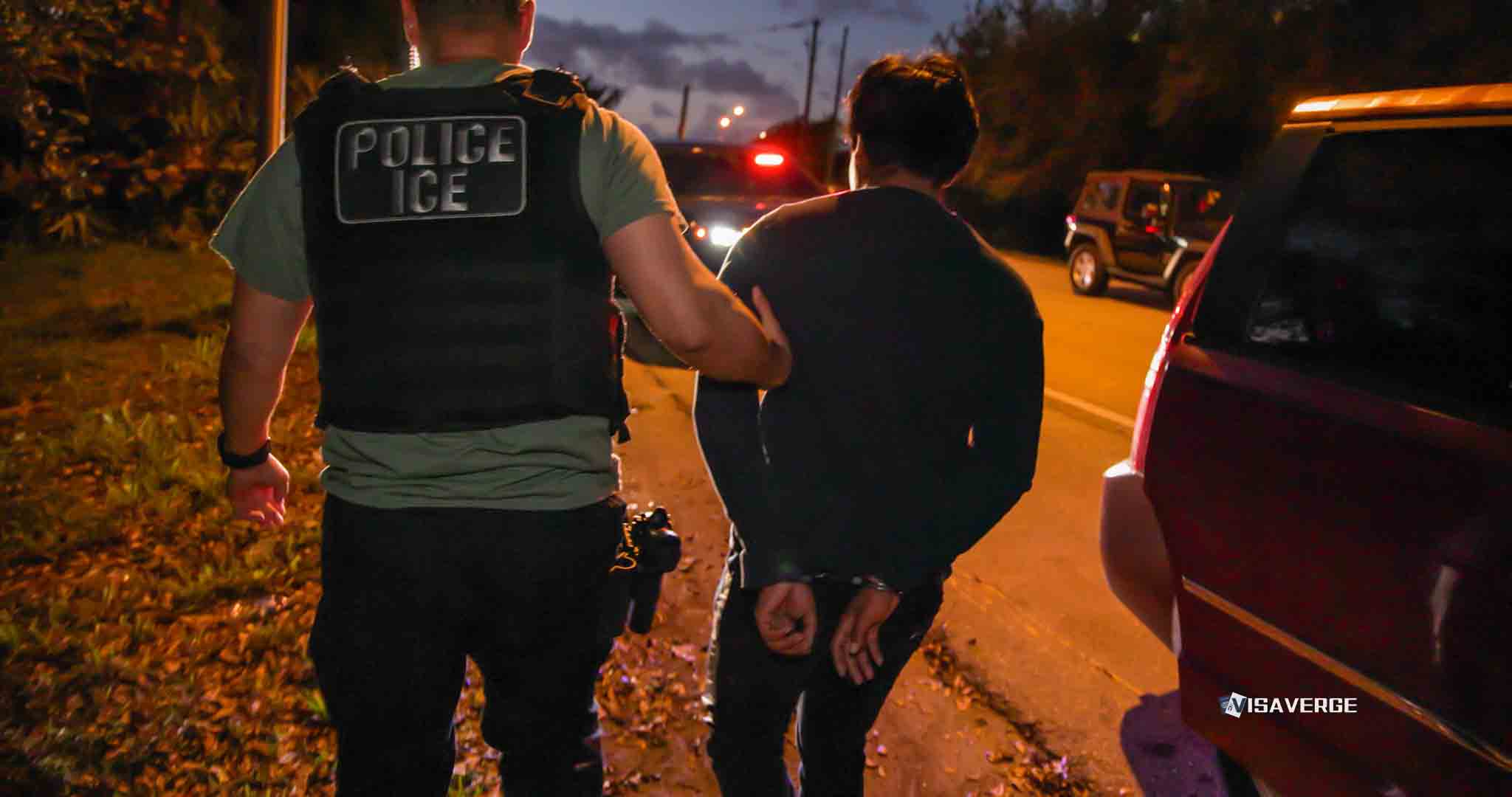
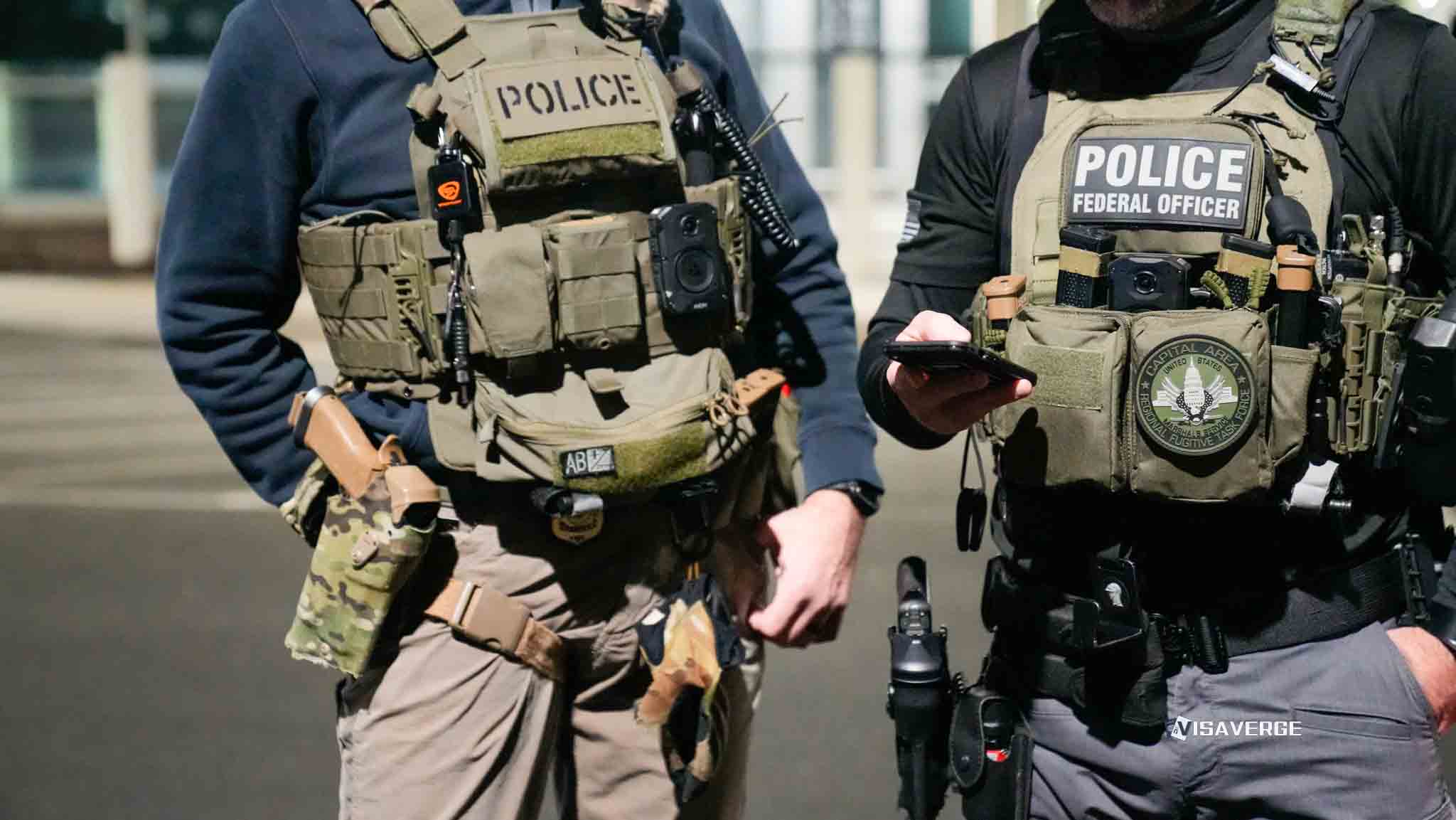
A report says FBI managers nationwide were told the FBI will no longer investigate physical confrontations involving Immigration and Customs Enforcement officers, while the Justice Department and Department of Homeland Security deny any change in policy.
The New York Times reported on July 19, 2026, that managers received a written notice about the change. The primary account placed that notification on July 17, 2026. A separate account in the reporting gave the date as July 16, creating a dispute over when the instruction reached the bureau.
Some ICE agents reportedly learned of the change from FBI counterparts on the same day. The message concerned assault allegations involving Department of Homeland Security personnel.
The agencies reject that account. Their public statement says the FBI will keep handling the cases under existing policy.
The conflicting accounts now frame a broader question: who would independently examine allegations involving immigration officers if the reported change took effect?
A reported transfer would put ICE’s investigative arm in charge
Under the reported arrangement, Homeland Security Investigations would likely assume responsibility for cases involving federal immigration officers. HSI is an investigative arm of ICE.
That would place the work inside the same agency whose officers are involved. The bureau would no longer provide the investigative role described in the internal notification.
Aaron Reichlin-Melnick, a senior fellow at the American Immigration Council, criticized the proposed structure.
“The fox is guarding the hen house.”
Reichlin-Melnick said HSI lacks jurisdiction to investigate federal civil rights violations. Misconduct during confrontations could therefore receive less independent scrutiny.
Legal advocates also warned that the shift could give agents impunity. They said FBI investigations under the earlier arrangement had produced evidence used in excessive-force prosecutions.
The Justice Department and Homeland Security offered a different account in a joint statement:
“The relationship between DHS and DOJ in investigating assault on federal officer cases has not changed, and FBI will continue to investigate in accordance with agency policy”
The statement added:
“This administration has been clear, anyone who assaults law enforcement will be prosecuted to the fullest extent of the law.”
That denial is documented. The reported directive remains an allegation based on internal communications described by anonymous sources.
Fatal shootings brought the oversight dispute into sharper focus
The reported notification followed two fatal shootings involving people encountered during ICE operations in July.
Lorenzo Salgado Araujo, a 52-year-old Mexican immigrant, was killed in Houston on July 7, 2026. He had lived in the United States for 35 years and was not the intended target of the operation.
Joan Sebastian Guerrero, a Colombian man, was shot and killed by an ICE agent during a traffic stop in Biddeford, Maine, on July 13, 2026.
Earlier deaths in Minneapolis had already intensified scrutiny of federal immigration operations. Renee Nicole Good, 37, was killed by ICE agents on January 7, 2026.
Secretary of Homeland Security Kristi Noem initially called that incident “an act of domestic terrorism.” Local officials and video evidence later contradicted claims that Good had rammed agents.
Alex Pretti, 37, an intensive care nurse, was killed in Minneapolis on January 24, 2026.
State prosecutors in Minnesota and Maine have reported difficulty obtaining federal records from the shootings. They face a federal jurisdiction dispute.
The Justice Department has cited “exclusive federal jurisdiction” to block local investigations, according to the material describing those disputes. That fight over records adds to concerns about who controls evidence after an encounter involving ICE personnel.
More than 550 assault cases form the policy backdrop
The administration has filed assault charges against more than 550 people during its second-term immigration crackdown. Court outcomes have been mixed.
Of the 400+ cases resolved to date, 214 cases ended in acquittals, dropped charges, or dismissals by judges. Nearly half produced no conviction.
Administration officials have cited a 1,000% increase in attacks on ICE officers since January 2025. Court records show many of those cases involved no injury to agents.
Todd Blanche, the acting attorney general, has defended prosecution of alleged assaults against federal officers. In a May 2026 interview, he said:
“It's abhorrent to ever, ever touch a law enforcement officer, which is why anytime anybody does that and it's a federal officer, we'll prosecute them.”
The case figures document prosecutions and outcomes. They do not resolve which agency should investigate the conduct of officers involved in the underlying confrontations.
Body cameras could produce evidence while jurisdiction remains disputed
The administration announced on July 19 that ICE officers would have to record all vehicle stops with at least one body camera. Tom Homan, the White House “Border Czar,” said the cameras should show the public what officers saw before taking action.
“I want officers to wear body cameras because I want the American people to see what the officers saw when they took that action.”
The restrictions and recording mandate address how encounters are conducted and documented.
They do not settle who investigates alleged assaults or excessive force. HSI’s reported role would still leave the agency examining cases involving its own personnel, while HSI lacks jurisdiction over federal civil-rights violations.
The agencies’ next cases will test which instruction controls
As of July 19, 2026, DOJ and DHS maintain that the investigative relationship has not changed. Their statement says the FBI will continue acting under agency policy.
The internal communications described to reporters point in another direction. New assault allegations and requests for records from the recent shootings will show whether field offices follow the reported instruction or the agencies’ public denial.
The dispute is unresolved. The oversight question now reaches beyond the July notification: it concerns whether investigations involving federal immigration officers remain outside the agency conducting the enforcement operation.