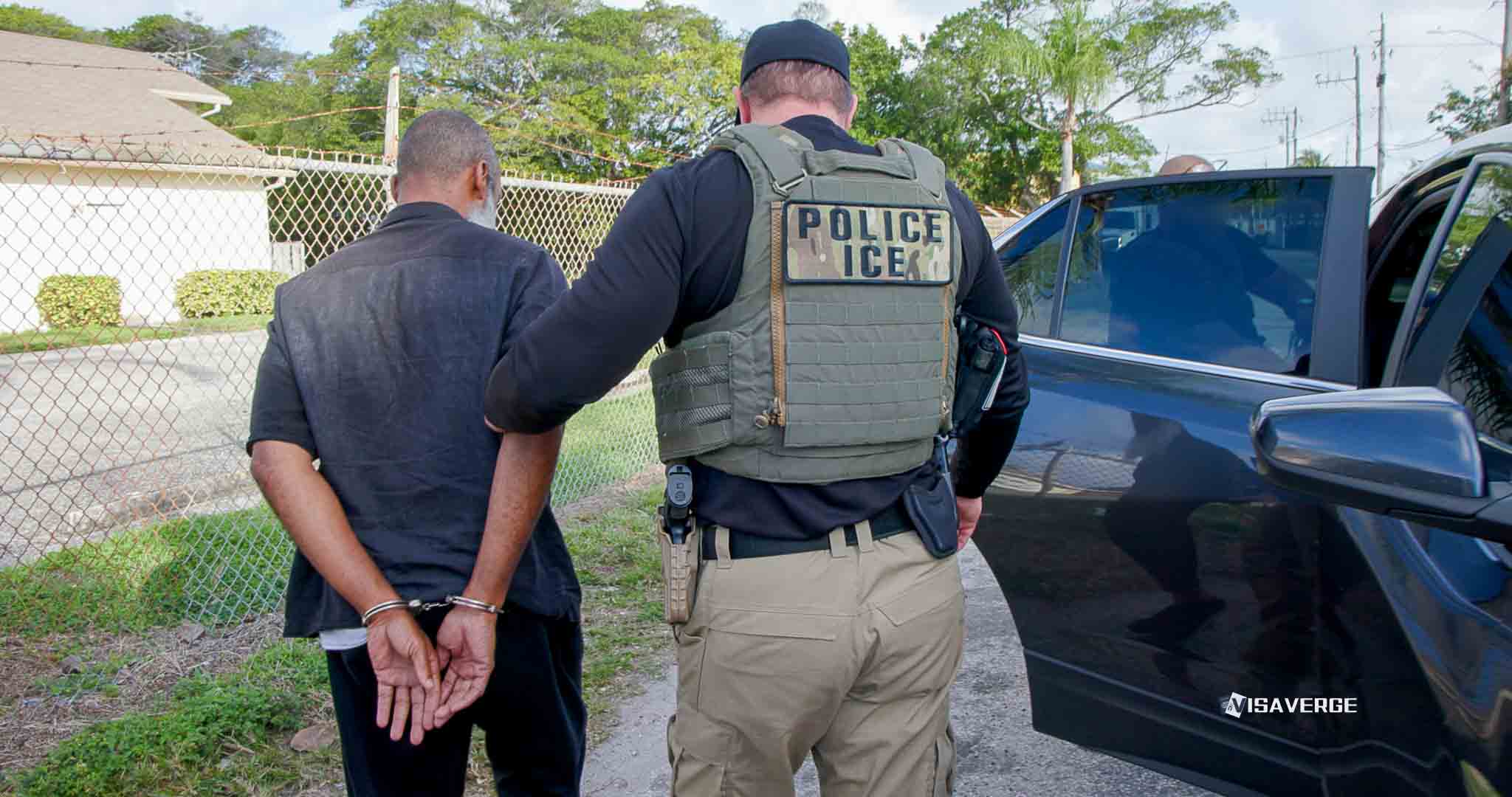
- ICE has expanded social media surveillance targeting critics through contractors and administrative subpoenas in twenty twenty-six.
- DHS officials justify the monitoring as essential workforce protection against doxxing and credible threats of violence.
- New USCIS policies require millions of applicants to disclose five years of social media history for routine vetting.
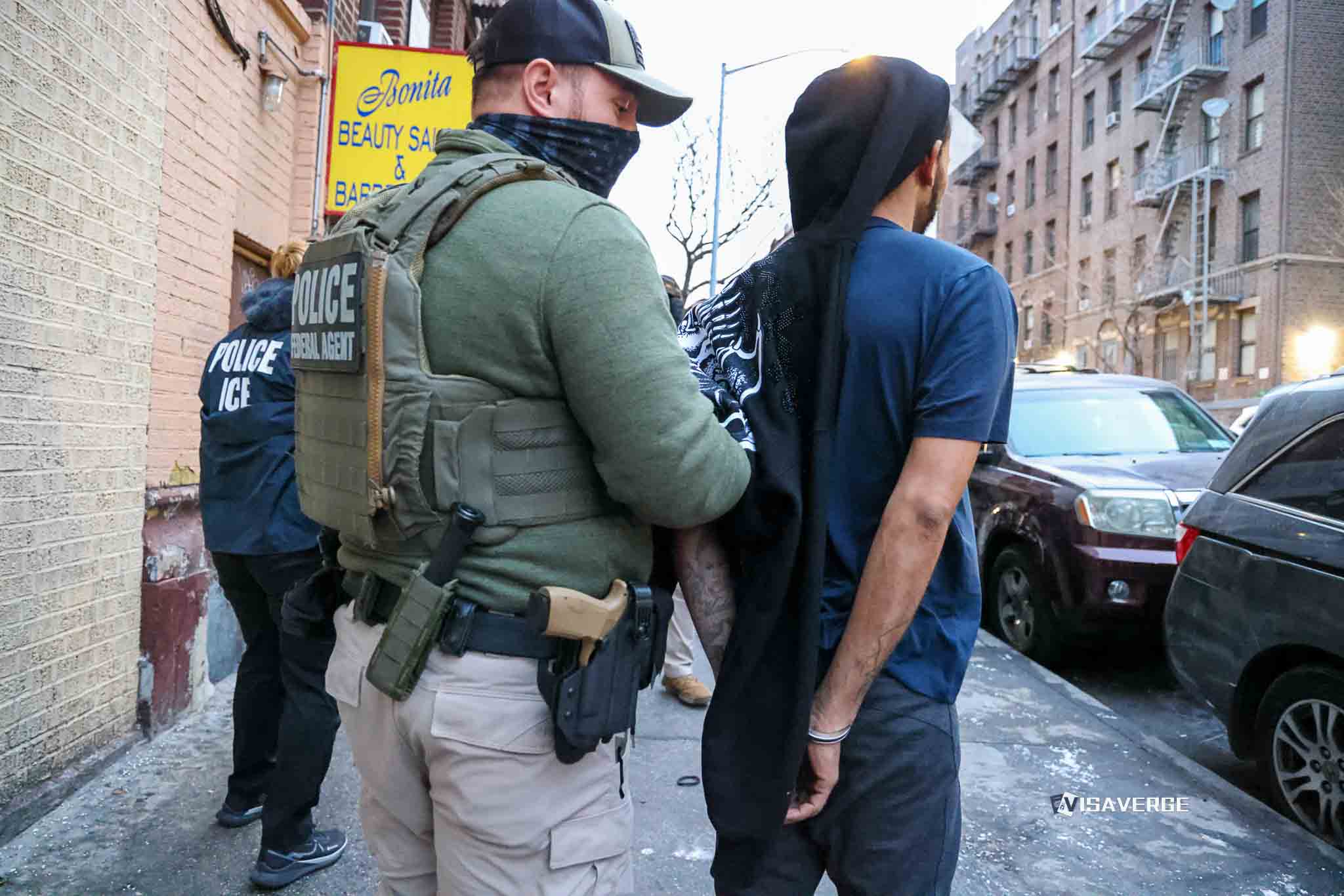
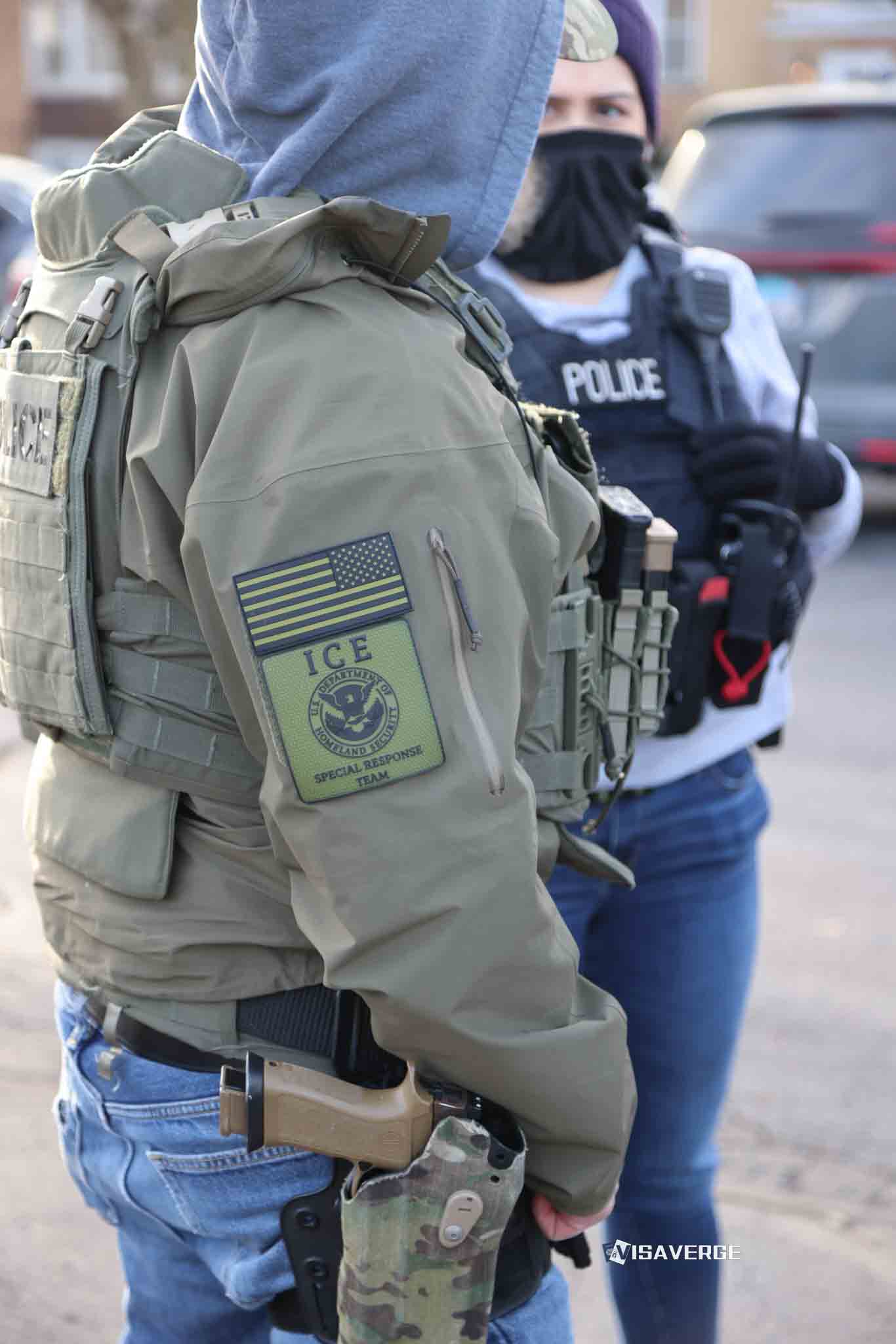
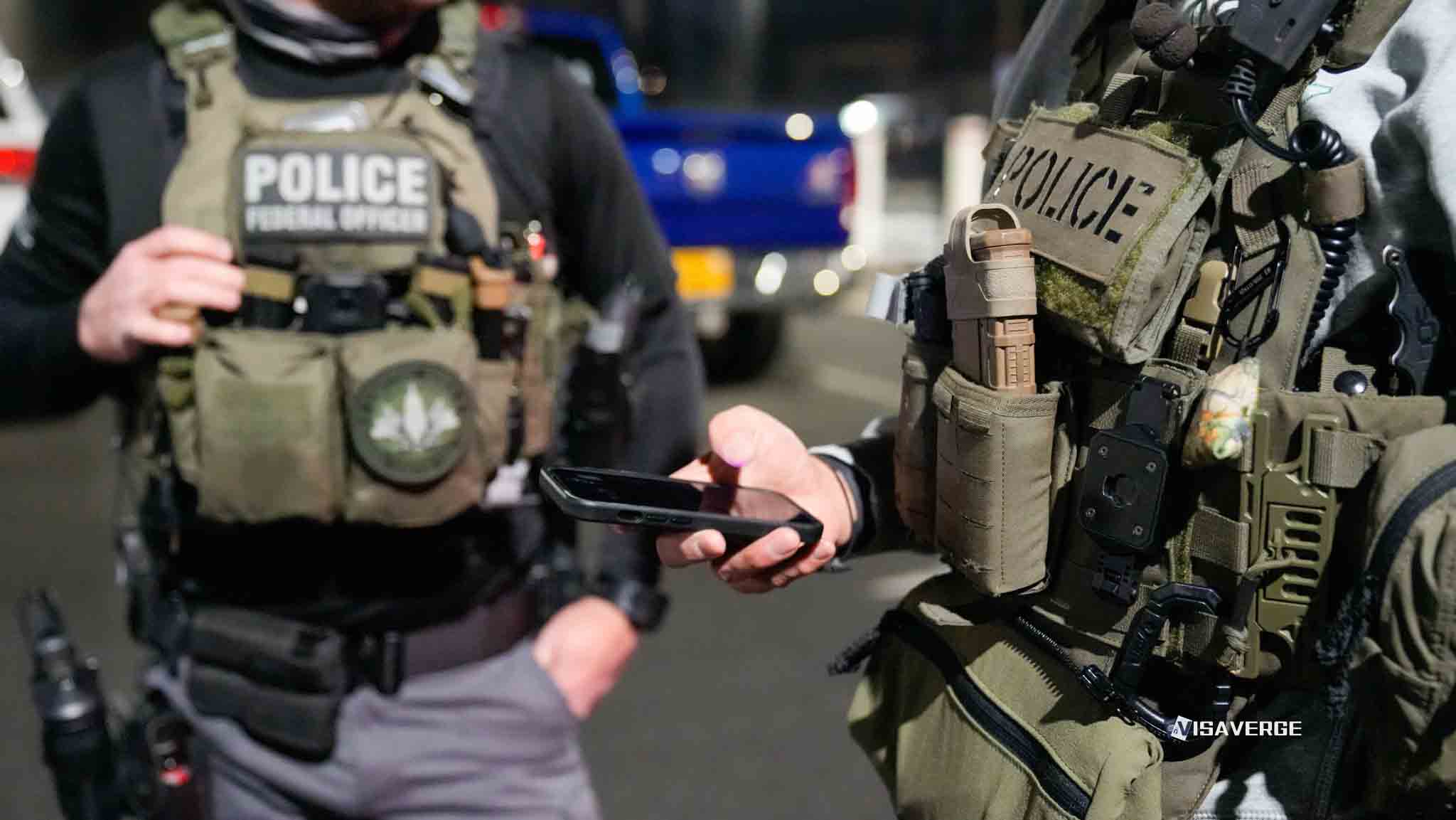
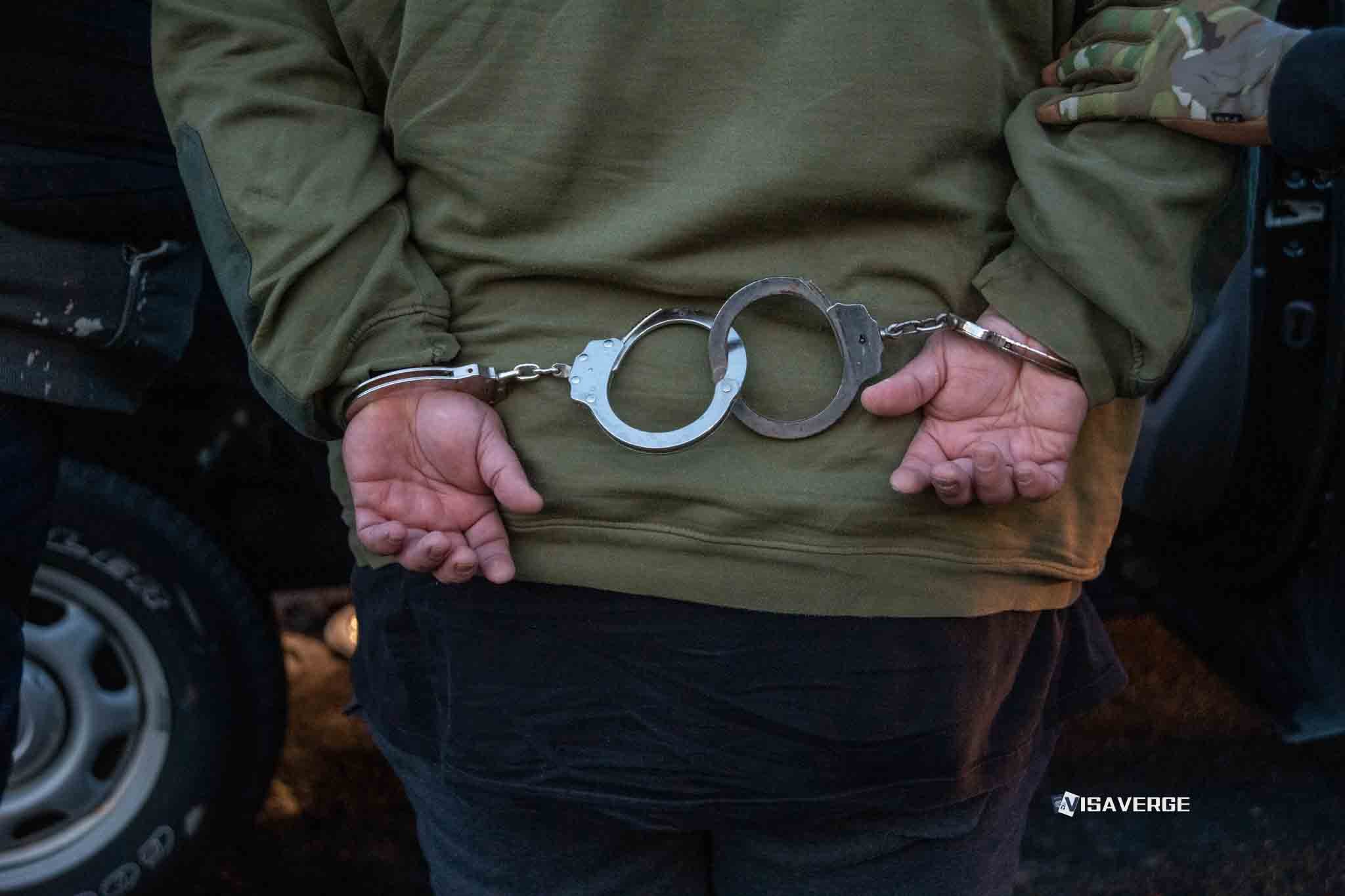
ICE has expanded its social media monitoring of critics, including investigations, contractor reports and subpoenas that can connect anonymous online accounts to personal records. Officials describe the work as a response to threats against federal immigration officers, while civil liberties groups say it can reach political speech, journalism and public documentation of enforcement activity.
DHS spokesperson Lauren Bis defended the investigations on June 26, 2026, after reports that agents confronted people over online posts. She focused on doxxing federal officers and the danger it could pose to agents and their families.
Free toolSubstantial Presence Test Calculator
"Doxxing federal law enforcement officers is a federal crime that puts their lives and their families in serious danger. If you doxx our officers, we will investigate you, and you will be brought to justice."
DHS officials said the surveillance efforts were ".focused on credible threats of violence directed against the ICE workforce." Government officials have framed the broader policy as necessary for "workforce protection" and "threat mitigation."
The effort reaches beyond public statements from officers. Reports describe a program led by the agency’s Office of Professional Responsibility, or OPR, whose contractors prepare daily reports on people labeled "threat originators."
Those files can contain a person’s full name and date of birth, Social Security Number, workplace, vehicle registration, criminal history and mapped relationships. Critics say OPR, traditionally an internal-affairs office investigating officer misconduct, has been repurposed as a domestic surveillance operation.
Contractors and subpoenas can connect anonymous posts to real identities
The agency has spent over $525 million on surveillance technologies since the beginning of the current administration’s second term in 2025. The spending includes private contracts reportedly focused on monitoring people who criticize federal immigration actions.
DHS has issued hundreds, and potentially thousands, of administrative subpoenas to Reddit, Meta, Google and Discord. The demands seek identifying information for anonymous users whose posts criticize federal immigration actions.
One Reddit user, known as "Tired_Thumb," has filed motions to quash subpoenas. The user argues that the government is "weaponizing" administrative tools to violate First Amendment rights.
The reported targets include more than direct calls for violence. Critics point to posts naming agents involved in fatal shootings, including Jonathan Ross, even when those names had already appeared in mainstream news.
They also cite slogans such as "Abolish ICE" and posts sharing publicly available information about raids. Reports from late 2025 and 2026 say journalists documenting protests have been detained or added to "domestic terrorist" databases.
A Syracuse poll worker was confronted over a January post
In June 2026, two federal agents confronted Paigelynne Gonyea at her job in Syracuse. The encounter concerned an Instagram post she had made in January.
The agents demanded that Gonyea sign a "Warning Notice" acknowledging that her speech could be a crime. The incident has become an example cited by critics who say online investigations can lead to direct government contact even without an allegation of violence.
Advocacy groups report fear among immigrants and U.S. citizen activists who document enforcement activity in public. Some worry that such activity could bring retaliatory surveillance or jeopardize trusted-traveler status, including Global Entry and TSA PreCheck.
The concern extends to how investigators define a threat. Critics say the category can include publicly available information, political slogans and the names of agents already identified in news coverage.
USCIS now collects five years of social-media history from millions of applicants
A separate screening policy places social-media records inside the immigration application process. Effective March 30, 2026, USCIS requires millions of applicants to disclose all social-media handles used during the previous 5 years for vetting under Executive Order 14161.
The groups named in the policy include K-1 fiances, religious workers and T/U visa victims. The requirement brings online history into routine application screening, rather than limiting review to investigations involving alleged threats against officers.
Acting ICE Director David J. Venturella issued a statement on August 8, 2026, addressing what he called the "mischaracterization" of agency policies concerning body-worn cameras. His statement dealt specifically with camera policy as officials faced broader scrutiny over transparency and online investigations.
The administration’s stated justification centers on violence directed at its workforce. Critics are challenging where investigators draw the line between a credible threat and protected speech.
Subpoena litigation, agency policy decisions and First Amendment challenges could shape that boundary. People who receive a warning notice, face an investigation or are asked to provide records should consult a qualified attorney before responding.
This article provides general information and is not legal advice. Consult a qualified immigration attorney about your specific case.