- The Trump administration expanded social media vetting to nearly all major foreign visa categories in 2026.
- Applicants must now provide five years of handles and are encouraged to set profiles to public.
- New policies aim to root out anti-Americanism and ideological alignment issues during the discretionary review process.
The Trump administration has widened social media vetting for nearly all major foreign visa categories, pushing the review under Executive Order 14161 and Presidential Proclamations 10949 and 10998. The change moves officers toward judging an applicant's ideological alignment with U.S. values. The screen is broader now.
USCIS set the tone early.
Free toolDS-160 Form Filling Online Helper Tool
“America’s benefits should not be given to those who despise the country and promote anti-American ideologies. U.S. Citizenship and Immigration Services is committed to implementing policies and procedures that root out anti-Americanism. Immigration benefits—including to live and work in the United States—remain a privilege, not a right.”
— Matthew Tragesser, USCIS Spokesman
On August 19, 2025, the agency updated its Policy Manual and said anti-American activity would be an overwhelmingly negative factor in discretionary analysis.
The State Department widened the review on March 25, 2026, adding family and humanitarian visas. USCIS published Update on USCIS’ Strengthened Screening and Vetting on March 30, 2026. It called earlier measures “wholly inadequate” and said the new system would “root out fraud” while screening for applicants who “do not bear hostile attitudes toward the citizens, culture, government, institutions, or founding principles of the United States.”
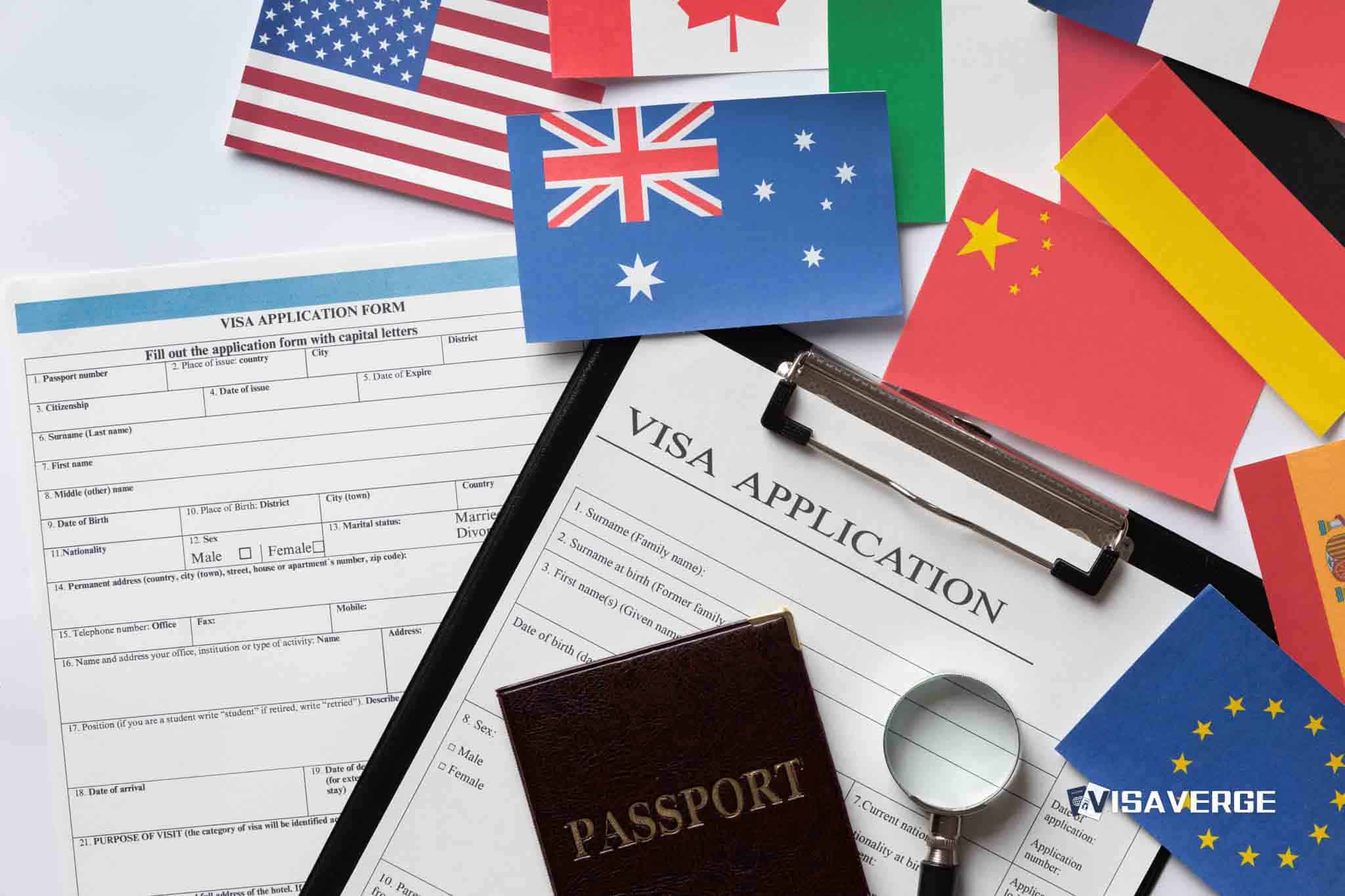
Applicants now have to list every social media handle or identifier used during the last five years on Form DS-160 or Form DS-260. Guidance also tells them to set profiles to “public” or “open” so officers can review them. Reviewers are told to look for anti-Americanism, antisemitic activity and hostile attitudes.
The extra review has already built a vetting backlog. Some visa categories are seeing 3–6 month delays beyond earlier averages. Privacy concerns have grown because applicants must open accounts to government review. Legal experts warn that “hostile attitudes” leaves room for subjective decisions. Cases have also been denied when an online post, such as a LinkedIn job title, did not match application materials. Advocacy groups say bringing T and U visa applicants into the process can retraumatize crime and trafficking victims.
Three waves carried the review outward
The rollout came in three waves.
| Date | Categories | Shift |
|---|---|---|
| June 18, 2025 | F, M and J visa applicants | Mandatory review for student, vocational and exchange applicants |
| December 15, 2025 | H-1B and H-4 | Added specialty-occupation workers and dependents |
| March 30, 2026 | 14 additional categories, including K-1, K-2, K-3, H-3, Q, R-1, R-2, S, T, U, A-3, C-3 and G-5 | Expanded to family, employment, humanitarian and diplomatic/domestic cases |
The administration has linked the screening to combating antisemitism on college campuses and keeping out people it says support foreign terrorist organizations or philosophies incompatible with the Constitution. The department put that position this way on March 25, 2026:
“Every visa adjudication is a national security decision. The United States must be vigilant during the visa issuance process to ensure that those applying for admission into the United States do not intend to harm Americans and our national interests.”