- DHS now mandates scrutiny of extremist statements for green card and naturalization applicants as of April 2026.
- Officers will evaluate past social media activity and political speech to determine an applicant’s good moral character.
- Free speech advocates warn the policy risks punishing protected expression, particularly regarding Middle East political views.
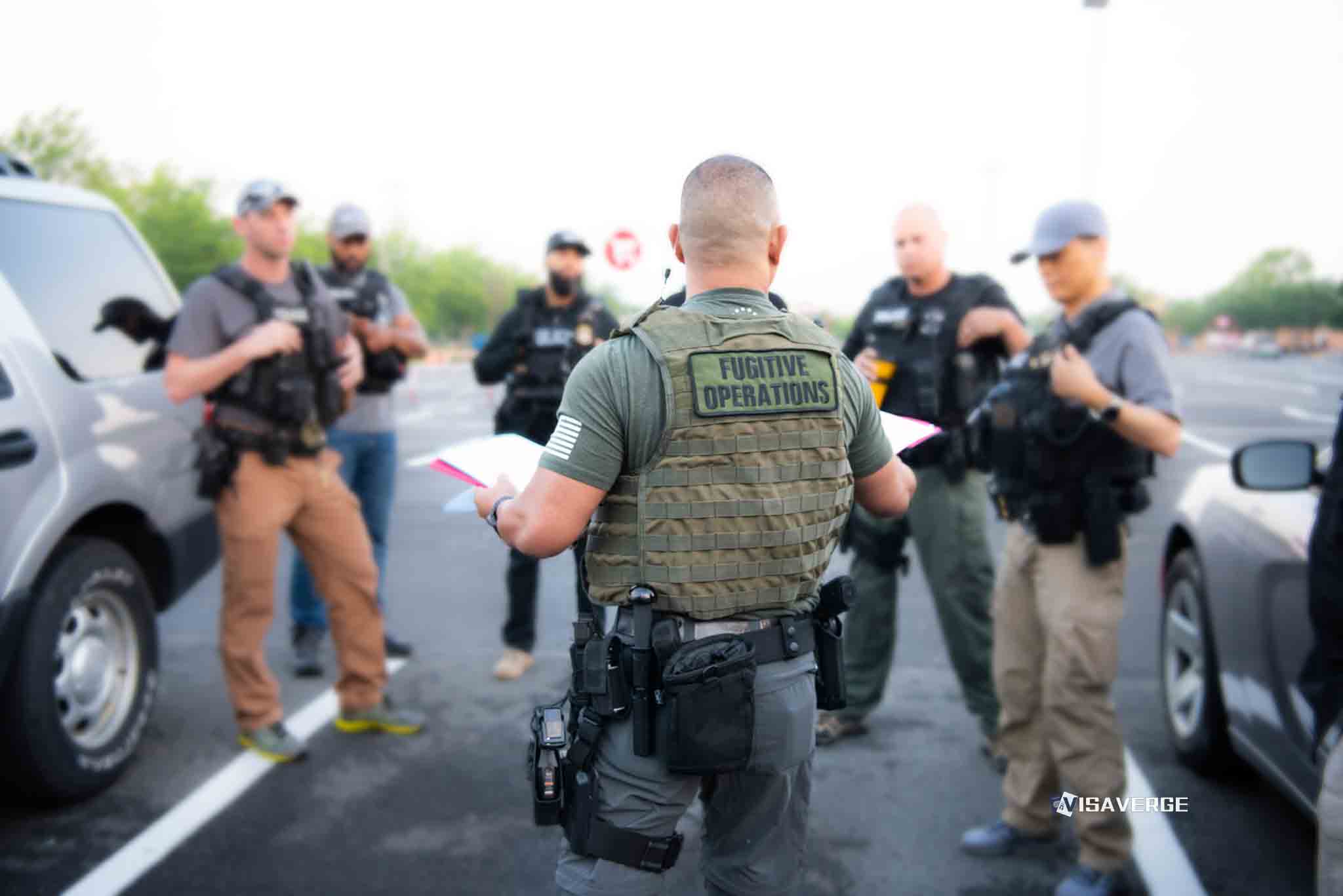
(UNITED STATES) — The Department of Homeland Security announced on April 27, 2026, that U.S. Citizenship and Immigration Services officers must scrutinize immigrants seeking green cards and naturalization if they have made past statements expressing extremist views.
DHS said the review will cover statements that espouse terrorist ideologies, express hatred for American values, advocate the violent overthrow of the U.S. government, or provide material support to terrorist organizations. The agency framed those statements as part of the record officers may weigh during discretionary decisions on immigration benefits.
Free toolUSCIS Receipt Number Decoder
Zach Kahler, a DHS spokesperson, said that “certain behaviors and statements may raise serious concerns for USCIS personnel reviewing an applicant’s file,” and called them grounds for “closer scrutiny.” His statement placed speech and conduct together in the pool of factors officers may examine.
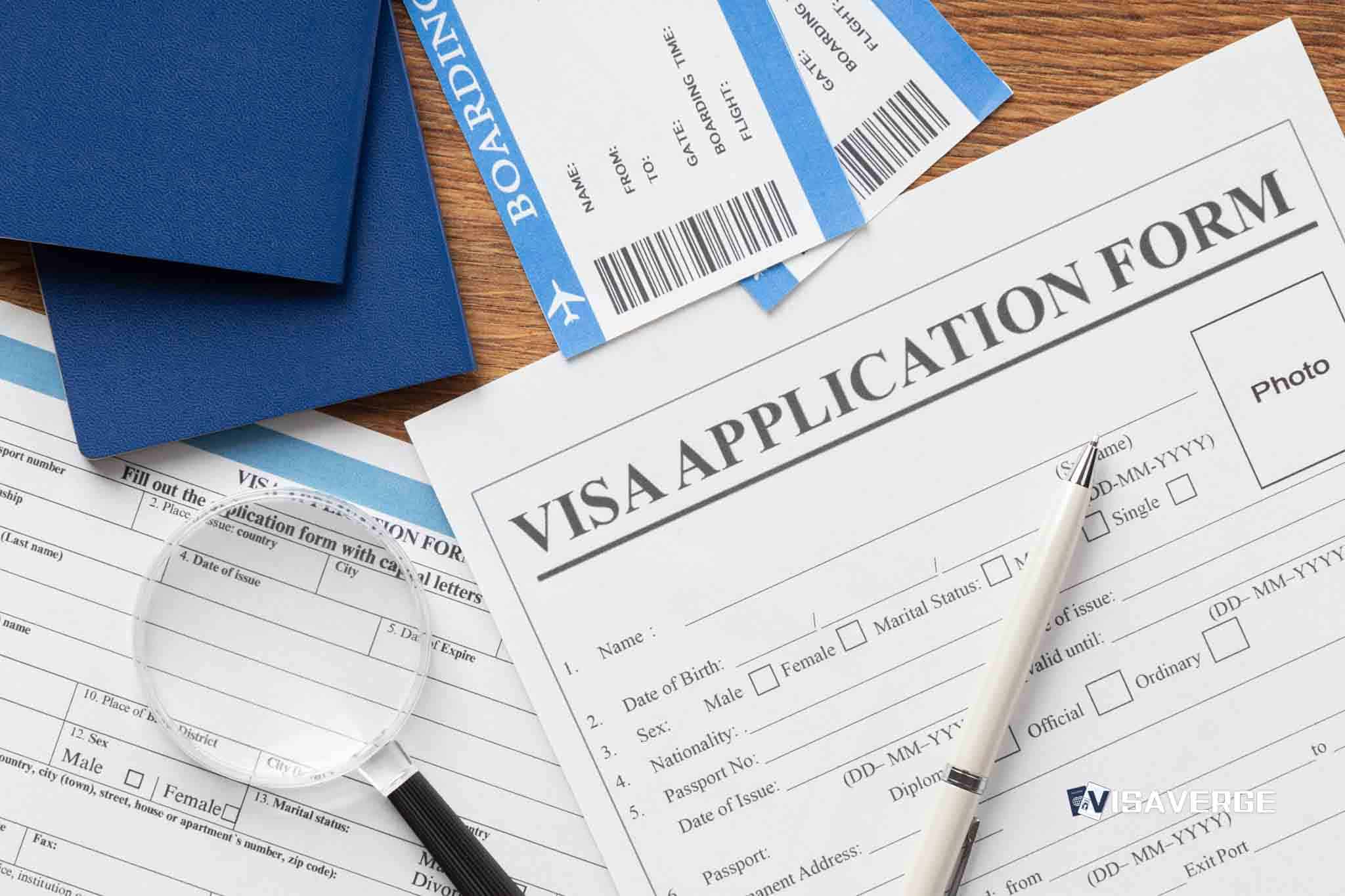
The policy applies during discretionary review of adjustment of status under INA § 245 and naturalization under INA § 316/319. In those processes, USCIS officers already assess good moral character and inadmissibility under INA § 212(a), and the new guidance puts past statements squarely inside that review.
Internal DHS training materials instruct officers to treat expressions of support for anti-Semitic violence and extremist ideologies as negative factors. One example cited in the materials is a social media post reading “Stop Israeli Terror in Palestine” alongside a crossed-out Israeli flag.
DHS did not detail a specific regulatory citation beyond the statutes and standards tied to those discretionary decisions. Announcements described the policy as taking effect by April 27, 2026, but did not provide a more precise effective date in the materials made public.
That leaves USCIS officers with broad discretion at stages of the immigration system where judgment already plays a large role. Adjustment of status and naturalization are not limited to a checklist alone; officers can weigh conduct, statements and the totality of an applicant’s record when deciding whether to approve or deny.
In practical terms, the guidance points to two kinds of cases. One involves applicants for lawful permanent residence under INA § 245. The other involves lawful permanent residents seeking citizenship under INA § 316 or INA § 319, where good moral character remains a central test.
DHS also signaled the policy could alter how officers handle borderline cases. Applicants may receive Requests for Evidence or Notices of Intent to Deny under 8 CFR § 103.5 seeking further explanation of past statements that officers view as troubling.
Those notices can matter as much as the final decision. A request for more evidence forces an applicant to respond in writing and explain remarks that may have been posted online, made in public, or preserved elsewhere in the file. A notice of intent to deny puts the government’s concerns in explicit terms before any final refusal.
Free speech advocates have raised First Amendment concerns, arguing the policy could punish political opinion rather than unlawful conduct. They point to speech tied to pro-Palestinian protest participation, criticism of Israel, or American flag desecration as examples of expression that may be controversial but still protected.
One case cited by critics involves Rumeysa Ozturk, a Tufts University graduate facing deportation solely for co-authoring an editorial criticizing Tufts’ response to Israel’s war on Gaza. Her case has become a reference point for lawyers and advocates who argue that immigration enforcement and speech rights are colliding more directly.
The tension sits inside an area of immigration law where broad agency discretion has long existed. Officers deciding green card and naturalization cases do not simply verify forms and fingerprints; they also make character judgments under the statutes, and DHS now appears to be directing them to give more weight to certain political or ideological statements.
Supporters of a harder line on vetting have long argued that immigration screening should examine public expressions of sympathy for violence or extremist causes, especially when applicants seek an immigration benefit rather than defending against a criminal charge. The new DHS posture adopts that view in direct terms, casting some speech as a warning sign for adjudicators.
Critics respond that the wording is broad and the examples are politically charged. A post condemning Israel, especially in the context of the Gaza war, may be read one way by an applicant and another way by an officer reviewing a file. That gap, civil liberties advocates argue, creates a risk that protected political advocacy will be folded into immigration decisions.
No EOIR memos, USCIS Policy Manual updates, Board of Immigration Appeals decisions or federal court rulings had confirmed or challenged the policy as of May 1, 2026. At this stage, the measure appears as administrative guidance rather than a rule tested through published adjudications or court review.
That legal posture matters because challenges often turn on the form a policy takes as much as its substance. A policy manual revision, a formal rule, an immigration court memorandum and a training directive can move through different legal paths, and this guidance has surfaced first through DHS announcements and internal training material rather than a public regulation.
Litigation remains a clear possibility, particularly in the Ninth Circuit or the D.C. Circuit, where disputes at the intersection of immigration law and free speech often draw close judicial attention. Lawyers contesting denials could argue that the government is treating political expression as evidence of bad moral character or inadmissibility without a clearer statutory basis.
DHS, however, is not presenting the review as a new free-standing speech ban. The department is placing it within existing discretionary frameworks, where officers already evaluate whether an applicant merits approval and whether any conduct or associations bear on admissibility, character, or national security concerns.
A precedent sometimes mentioned in discussions of discretionary weighing is Matter of A-R-C-G-, 26 I&N Dec. 388 (BIA 2014), which discussed discretionary factors in another context. It is not binding here, but it illustrates how immigration adjudications often rely on balancing multiple factors rather than a single dispositive test.
What USCIS officers do next will determine how far the policy reaches. Much depends on how adjudicators interpret phrases such as extremist views, hatred for American values, or support for anti-Semitic violence when they review an applicant’s history, social media activity, and written explanations submitted in response to agency questions.
The immediate effect is simpler. DHS has told USCIS officers to examine past statements more closely in green card and naturalization cases, and immigrants whose records contain disputed political or ideological speech now face a review process in which those words may weigh heavily against them.