- Major airports normalized TSA operations after federal officers received backpay on March 30, 2026.
- George Bush Intercontinental faced four-hour security waits during the peak of the DHS funding lapse.
- Staffing levels stabilized quickly once unpaid personnel received compensation, ending weeks of severe travel disruptions.
(HOUSTON, TEXAS) — TSA operations are back to normal at most airports, but the worst shutdown-period delays were severe enough that George Bush Intercontinental became a national example of what travelers faced. If your flight passed through Houston, Atlanta, New York, or Philadelphia during the worst weeks, the difference between a normal screening line and a four-hour crawl was the difference between making a connection and rebooking a day later.
The clearest comparison is simple: before March 30, TSA operations were fraying under unpaid staffing; after officers began receiving backpay, lines eased quickly. The disruption stretched from mid-February through late March 2026, with the sharpest pain landing in the week of March 8 and again in the final days of the month.
The shutdown began on February 14, 2026, after a Department of Homeland Security funding lapse. More than 480 TSA officers quit, and many others worked without pay. Callout rates climbed well beyond normal levels, which meant fewer lanes open and longer waits at security checkpoints.
By the week of March 8, 2026, some airports were reporting lines of three hours. Acting TSA leadership said callout rates exceeded 40% in some places. That kind of absenteeism hits hub airports hardest, because the screening system runs close to capacity even on ordinary days.
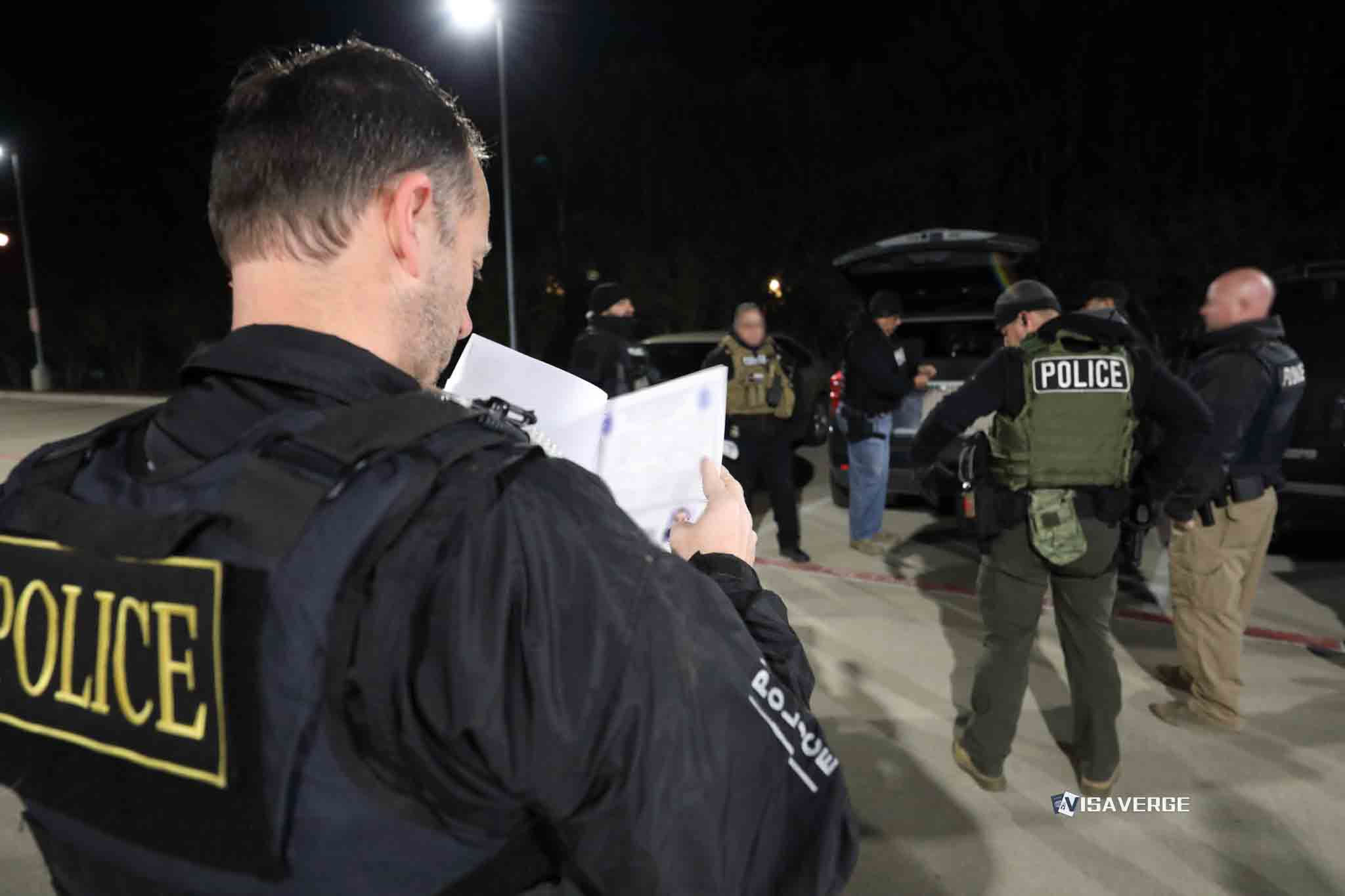
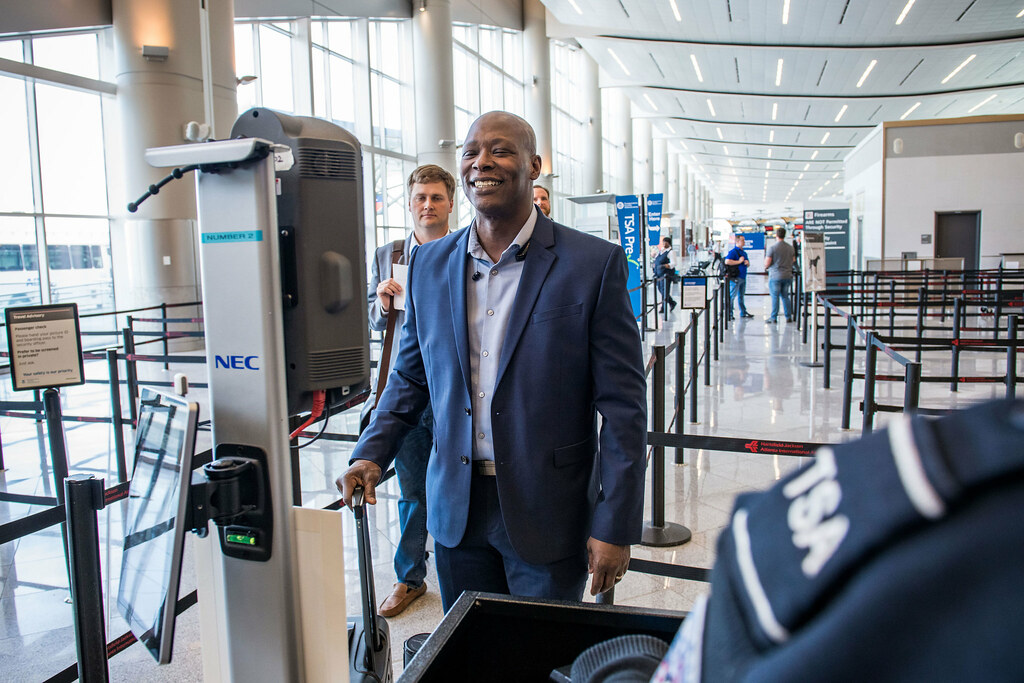
The slowest point came later. On March 23, 2026, Immigration and Customs Enforcement officers were sent to about 14 airports for line control and crowd management. Two days later, George Bush Intercontinental reported waits of more than four hours, with screening limited to two terminals. On March 28, callout rates were still above 10%, nearly 2,900 workers, about five times normal levels.
Then the payoff arrived, literally. TSA officers began receiving pay on March 30, 2026, after direction from then-President Trump. The effect was fast. Lines improved within days at many airports, and most sites were reported back to normal by early April, even if some paycheck processing continued to lag.
| Item | Peak disruption | Recovery period |
|---|---|---|
| George Bush Intercontinental | Over 4-hour waits on March 25; screening limited to two terminals | Improved rapidly after March 30 pay began |
| Hartsfield-Jackson Atlanta | Included in ICE crowd-control deployment on March 23 | Reported normalization by early April |
| John F. Kennedy International | Included in ICE crowd-control deployment on March 23 | Reported normalization by early April |
| Philadelphia International | Included in ICE crowd-control deployment on March 23 | Reported normalization by early April |
Houston drew the clearest line in the sand. George Bush Intercontinental is a major United hub and a critical connection point across the South and Latin America. A four-hour security wait there did not just delay departing passengers. It threatened connecting banks, missed premium-cabin departures, and award itineraries that often carry tighter same-day rebooking rules than paid flexible fares.
The airport names that kept surfacing tell the same story. Atlanta, JFK, Philadelphia, and Houston are high-volume hubs where security bottlenecks spread quickly through the schedule. A short-staffed checkpoint at one of those airports can ripple through dozens of flights, especially in the morning and evening banks when connections stack tightly.
That is where miles and points entered the picture. Travelers on award tickets were not shielded from missed connections just because the fare was booked with miles. If a long line caused a misconnect, the airline still had to sort out the next segment, and the best seats on later flights were often gone by then. Tight itineraries booked with points, especially saver awards, were the least forgiving.
Travelers with status had one advantage: access to rebooking help, priority handling, and, at some airports, expedited security lanes once they reached the checkpoint. Even then, status did nothing if the line was physically clogged and the terminal had only a few lanes moving. Paid premium-cabin tickets helped on the airline side, but they did not erase TSA delays on the way in.
The recovery pattern matched what happened in the prior shutdown. Travel analyst Clint Henderson pointed to an earlier case in which sickouts fell sharply within two days to two weeks after payments resumed. The same rhythm played out here, with staffing tensions easing once officers were paid again. White House border czar Tom Homan said on March 29 that ICE support would continue until normal operations resumed.
That comparison with the earlier 43-day full shutdown matters. This episode was not the same kind of government closure. It was a partial DHS shutdown that hit TSA, ICE, and Customs and Border Protection, and it produced a fast but uneven breakdown in airport screening rather than a total federal shutdown across the system.
Choose George Bush Intercontinental if the comparison is between worst-case disruption and current normal operations, because it shows how quickly a hub can seize up when staffing falls apart. Choose one of the other major hubs if the goal is to see how the problem spread beyond Houston, since Atlanta, JFK, and Philadelphia all needed extra crowd-control help during the same period.
Choose a later booking if the trip falls in a period of labor or funding uncertainty. Choose an earlier check-in if the flight is through a major hub, especially for tight connections or award tickets. The late-March pattern showed that once pay resumed on March 30, the line problem eased fast; by early April, most airports were back to ordinary waits. Travelers heading through Houston or any other major hub should still build in extra time when government shutdown headlines return, because the shortest walk from curb to gate can turn into the longest part of the trip.