Ryanair reported on July 20, 2026 that quarterly profit fell 34% to €538 million ($615.6 million) for April-June, with Chief Financial Officer Neil Sorahan and Chief Executive Officer Michael O’Leary linking the decline to higher fuel costs and weaker fares tied to the Middle East conflict. The airline said unhedged fuel prices more than doubled to $150 per barrel and warned that European aviation faces a “difficult winter” if costs stay elevated.
- Ryanair said operating costs rose 11% to €3.81 billion as its 20% unhedged fuel position became the biggest pressure point during the quarter.
- Passenger traffic increased 6% to 61.3 million, but average fares fell 6% to €48 as the carrier discounted tickets to protect volumes.
- Michael O’Leary blamed “consumer hesitancy, concerns about EU jet-fuel shortages, economic uncertainty and later bookings” caused by the Middle East conflict.
- Neil Sorahan said Ryanair expects European aviation to face a “difficult winter” and that consolidation and capacity cuts could be “positive for pricing.”
- Global airlines canceled over 60,000 flights following the Middle East conflict on February 28, 2026.
- Ticket prices have surged by 15-20% as jet fuel costs exceeded $100 per barrel recently.
- Major hubs like Dubai and Doha suspended operations, causing massive ripple effects across intercontinental networks.
(MIDDLE EAST) – Airlines worldwide canceled thousands of flights and raised fares by 15-20% after the Middle East conflict began on February 28, 2026, as airspace closures, airport shutdowns and surging jet fuel prices upended schedules across Europe, Asia and the Gulf.
More than 60,000 flights have been canceled since February 28, affecting 6 million passengers. Airlines also faced oil prices exceeding $100 per barrel and jet fuel prices that doubled after the Strait of Hormuz closure.
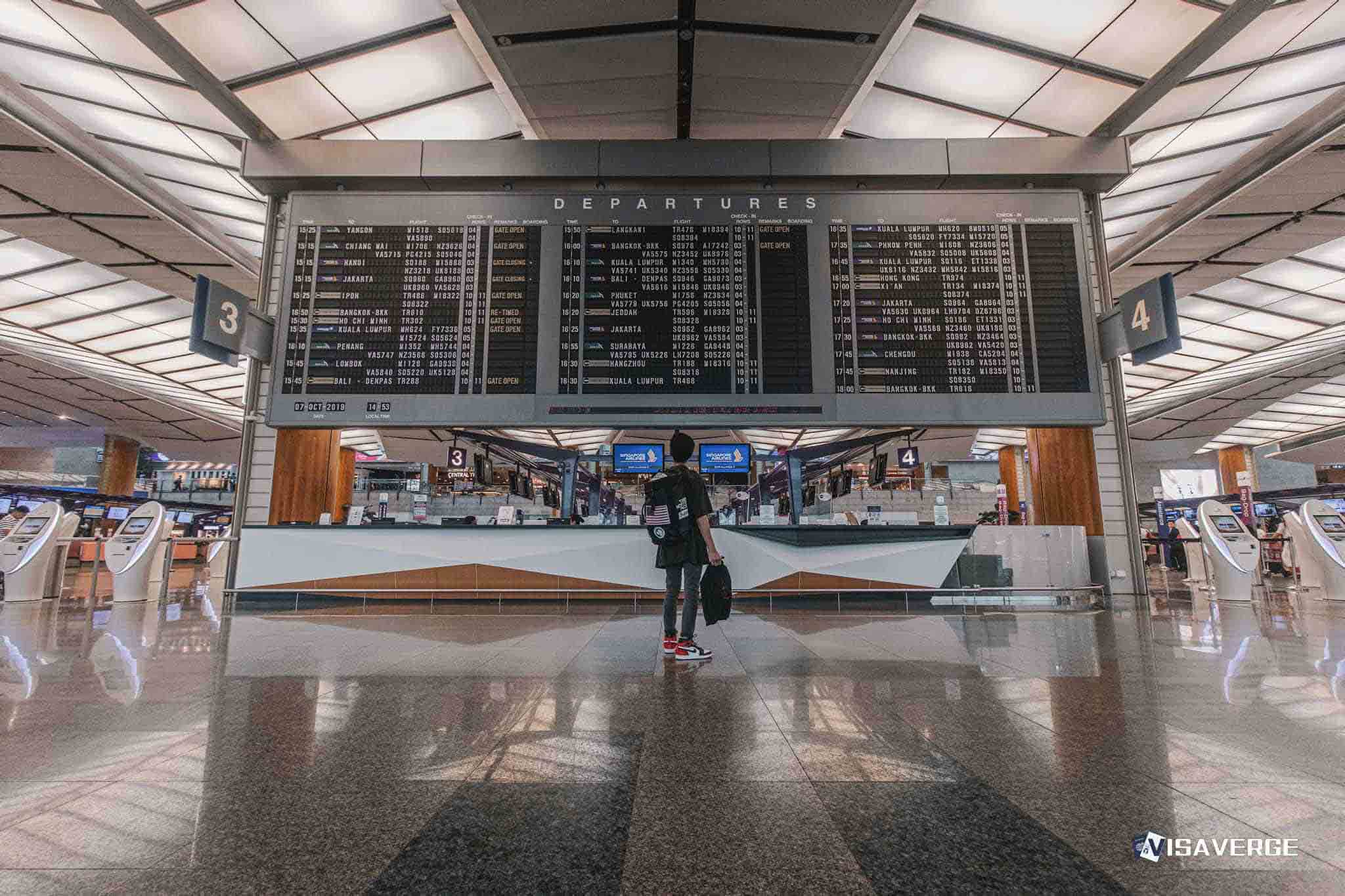
Carriers responded with route suspensions, frequency cuts, surcharges and baggage fee increases. Full planes have continued to fly on many remaining routes, even as ticket prices climbed and summer schedules tightened.
Disruption spread far beyond the immediate conflict zone because airlines rerouted long-haul flights to avoid Iranian airspace and neighboring regions. Those detours added time, fuel burn and scheduling strain to networks already stretched by the Russia-Ukraine and Israel-Gaza conflicts.
Dubai International Airport, known as the world’s largest airport for international travel, suspended all flights until further notice. Doha also paused operations during military activity, adding to delays across intercontinental networks.
Those interruptions hit the hubs that connect Europe, Asia, Africa and North America. A closure in Dubai or Doha can leave aircraft and crews out of place for hours, then spill into later departures on other continents.
Lufthansa Group suspended flights to Dubai and Tel Aviv until May 31. The group, which includes Lufthansa, Lufthansa Cargo, Swiss, Austrian Airlines, Brussels Airlines and Edelweiss, also canceled 20,000 European short-haul flights over summer.
Air France-KLM halted another block of routes. Air France suspended Tel Aviv, Beirut, Dubai and Riyadh until May 3, while Dubai service is scheduled to restart in October.
Emirates, Qatar Airways, Etihad and Flydubai carried out mass cancellations as the Gulf network convulsed. Etihad halted Abu Dhabi departures, and Qatar Airways suspended Doha flights.
British Airways canceled Tel Aviv, Bahrain and Amman, then cut several frequencies. It will reduce Dubai, Doha and Tel Aviv to one daily from July 1, and Riyadh to one from mid-May through October 24.
Other carriers extended the list of suspensions across the region. Japan Airlines halted Tokyo-Doha until May 31, Doha-Tokyo until June 1, and Dubai until May 31.
Pegasus Airlines canceled flights to Iran, Iraq, Amman, Beirut, Kuwait, Bahrain, Doha, Dammam, Riyadh, Dubai, Abu Dhabi and Sharjah until June 1. Royal Air Maroc suspended Doha until June 30 and Dubai until May 31.
Eurowings set out one of the longest suspension calendars. It halted Tel Aviv until May 11, Beirut and Erbil until May 14, and Dubai, Abu Dhabi and Amman until October 24.
The carrier also listed Abu Dhabi, Amman, Beirut, Dammam, Riyadh, Erbil, Muscat and Tehran among routes affected until October 24. Iberia Express suspended Tel Aviv until May 31, Air Canada pulled New York JFK service from June-October, and Virgin Australia saw Qatar Airways flights to Doha turn back.
Budget airlines moved fastest to cut routes that no longer paid. Ryanair, Transavia and Volotea trimmed unprofitable flying as fuel costs climbed, while Transavia canceled 2% of its May-June schedule.
Fuel has become the central pressure point for the industry. Jet fuel accounts for 30% of airline costs, and the recent rise in jet fuel prices has left carriers little room to absorb the increase.
That pressure has shown up in financial results and passenger fees. Alaska Airlines reported a $193 million quarterly loss, while Delta, United and American also faced pressure from higher fuel bills, and JetBlue raised baggage fees.
Europe and Asia face the hardest threat from potential shortages into summer. The United States imports about 20% of its Gulf jet fuel, tying domestic airline costs to supply shocks far from U.S. airports.
Fares are also rising alongside heavy travel demand and event-driven traffic, including the FIFA World Cup. Airlines have pushed through surcharges and other add-on charges as they try to protect margins on routes that still operate.
Passengers searching for tickets are finding fewer cheap options because the market has tightened on two fronts at once. Flight cancellations removed capacity, and jet fuel prices lifted the cost of every seat that remained for sale.
Airlines have warned through their scheduling decisions that they expect the pressure to last well beyond the immediate military activity. Several suspensions now run into late May, June or October 24, signaling that carriers do not expect a quick return to normal operations.
Travelers trying to secure summer trips face a narrow booking window before June-July peaks. Booking early can lock in current prices, while tracking fares for dips and shifting travel dates by 1-2 days can still produce savings on some routes.
Seats are still filling despite higher fares. Strong demand, shrinking capacity and the prospect of fuel shortages into summer have left airlines with little incentive to discount, and the Middle East conflict has turned what began as a regional shock into a global test for air travel.