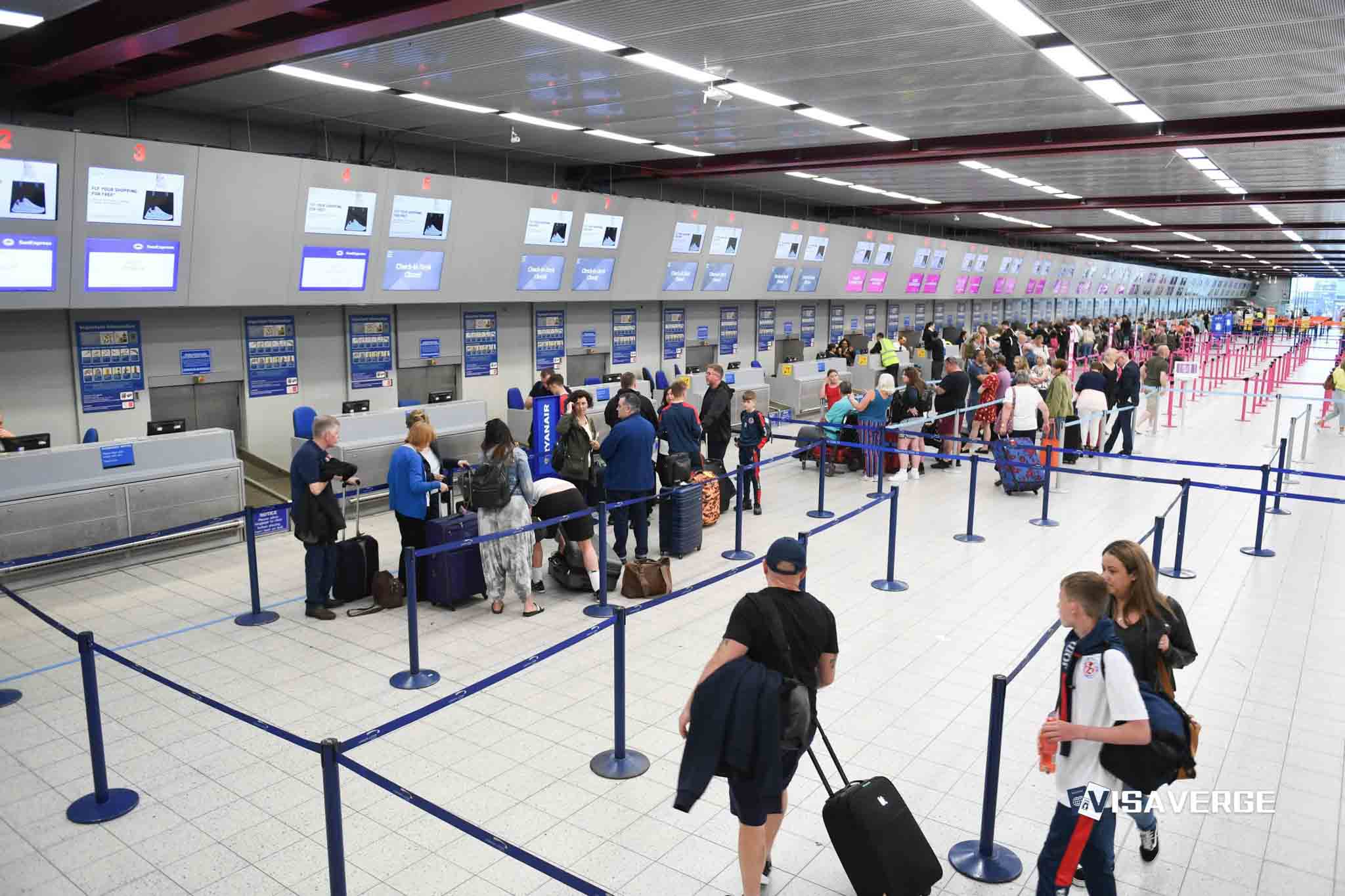
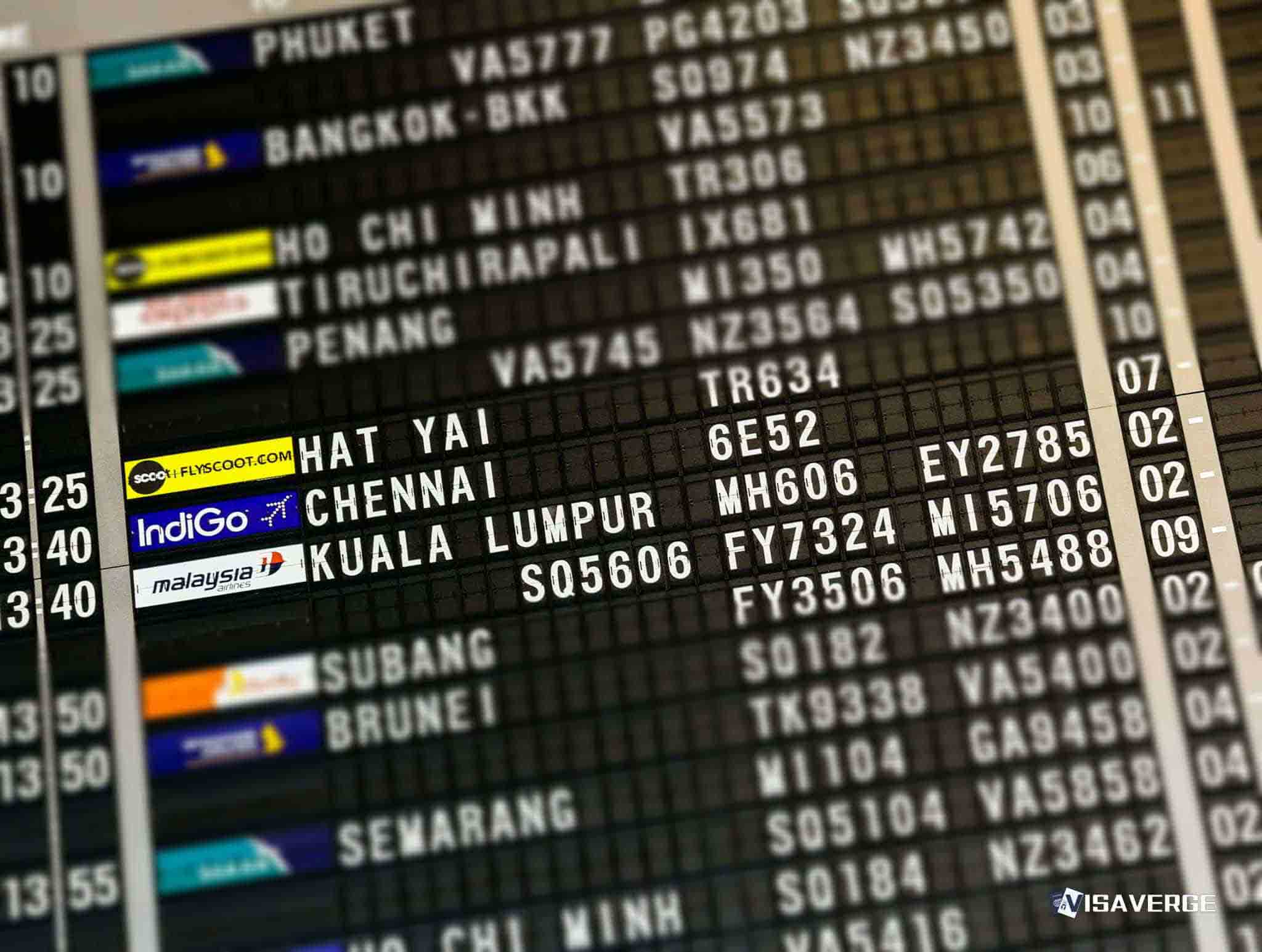
- Airlines face a multi-day recovery process as they realign fleets and crews after Middle East airspace reopenings.
- Over 9,500 flights were affected across seven major Gulf hubs since the disruption began on February 28.
- Operational stability requires synchronizing aircraft rotations and crew duty-time limits to restore connecting flight waves.
(DUBAI, UAE) — Airlines began rebuilding their Middle East networks on Tuesday after airspace reopenings, but carriers warned that full recovery will take days because aircraft and crews remain scattered far from where schedules expect them to be.
Recovery, in operational terms, starts only when airlines can move fleets and people back into a stable rhythm across multiple hubs, not when a single restriction lifts. Even with routes reopening, airlines still have to realign aircraft rotations, reset crew pairings, regain gate availability, and restore connection timing that underpins long-haul schedules.
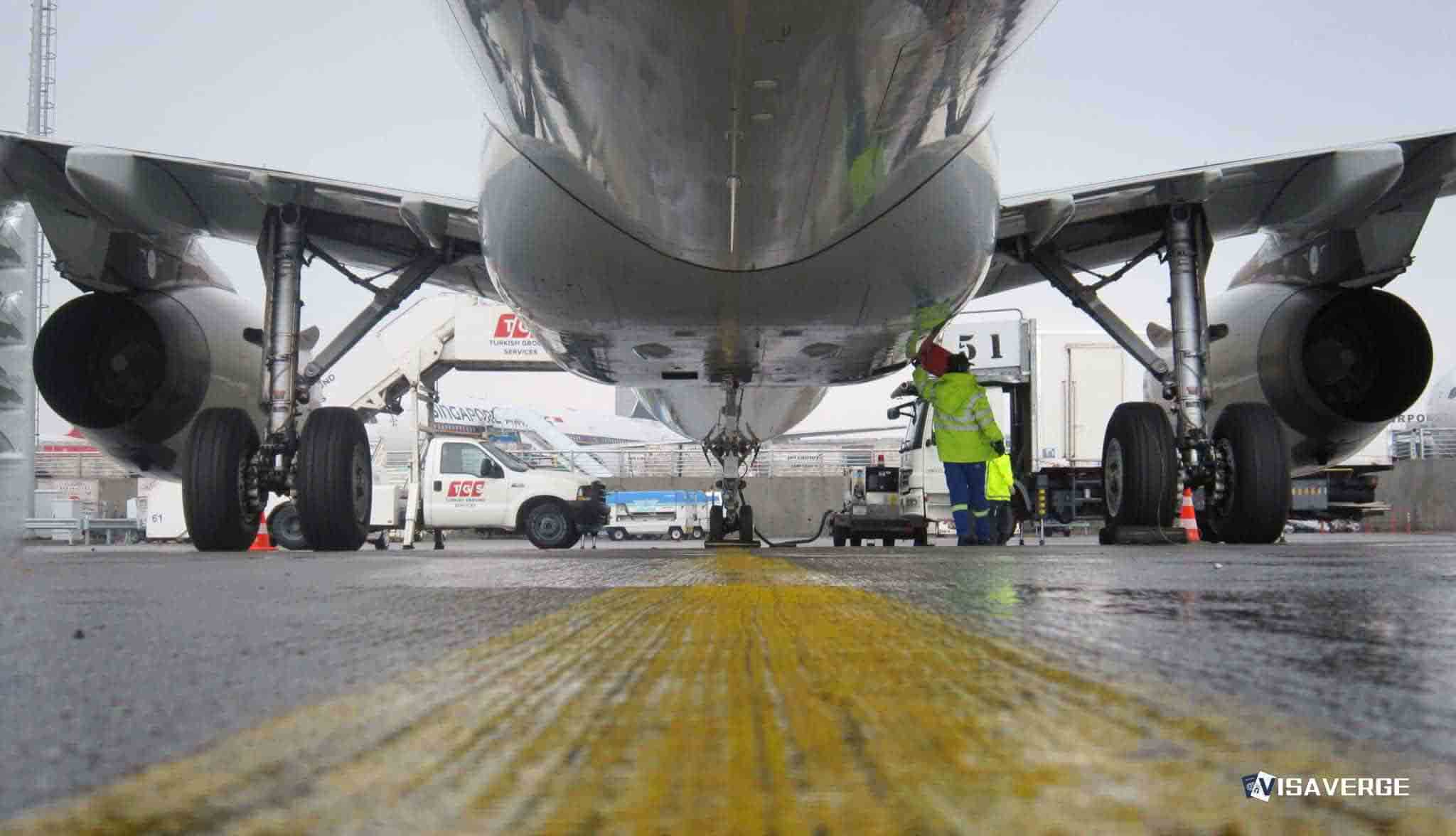
Hub-and-spoke networks amplify the disruption. When a hub loses inbound arrivals or outbound departure waves, the cancellations do not stay local; they propagate across continents because later flights depend on earlier aircraft, crews, and connecting passengers arriving on time.
Middle East airspace closures triggered by Iranian strikes and military activity hit Gulf connecting systems hardest. Closed airspace over the UAE, Qatar, Bahrain, and Kuwait forced airlines that rely on those corridors to cancel, divert, or hold flights, leaving fleets and crews stranded at prior destinations.
Emirates, Qatar Airways, and Etihad Airways faced the most severe impacts because their hubs sit inside the affected airspace footprint, including Dubai (DXB), Doha (DOH), Abu Dhabi (AUH), Sharjah (SHJ), Kuwait (KWI), Bahrain (BAH), and Dubai World Central (DWC). Middle East airspace closures at several hubs at once complicate recovery planning because each hub’s restart depends on aircraft and crews arriving from other disrupted points.
The operational snag begins with Aircraft Out of Position. Long-haul aircraft scheduled to flow through Gulf hubs to Asia, Africa, or Australia can end up parked at earlier stops after diversions and ground stops, breaking the next day’s planned rotations.
Widebody aircraft also do not cycle like short-haul jets. The planes involved often operate only 1-2 sectors per day, so losing a single sector can strand the aircraft for an extended period relative to the network’s timetable, pushing disruption forward into later departure waves.
To correct that mismatch, airlines schedule ferry or recovery flights to reposition aircraft back to hubs and onto planned rotations. Those sectors can operate with limited passenger capacity, because the primary job is to move the aircraft to the right place, at the right time, with the right maintenance status to re-enter the schedule.
Crews Displaced create a second constraint that cannot be solved by reopening airspace alone. Pilots and cabin crew can exceed strict legal duty-time limits during extended diversions, making them ineligible to operate the next leg even if the aircraft is ready and the airspace is available.
That forces airlines to find replacement crews and then transport them to the correct locations before normal operations can resume. Until crews reset with required rest and are physically positioned at hubs, airlines cannot “flip the switch” back on across long-haul banks.
The timing structure of Gulf hubs adds a further layer. Gulf carriers rely on precise “connection waves” in which inbound flights arrive in coordinated clusters to feed onward departures, so missing one wave can cascade into multiple cancellations that take several operating cycles to restore.
Missed banks do more than inconvenience one set of passengers. They break the planned sequence of aircraft turns and crew pairings, and they deprive onward flights of connecting passengers and crew members who were scheduled to arrive on earlier flights that never made it.
Flight-tracking data captured the scale of the disruption as it spread across hubs. The initial wave totaled over 3,400 cancellations and diversions, before escalating to more than 9,500 flights across seven hubs since February 28, 2026.
The latest operational snapshot in the data came at 16:55 GMT on March 2, 2026, when operations remained halted or severely restricted. Even as restrictions begin to lift, those totals can keep rising because misconnects, crew legality limits, and broken aircraft rotations create additional cancellations and delays after the first shock.
The multi-hub nature matters because each airport’s status influences the others. As of March 2, 2026, Dubai International (DXB) sat under “Widespread shutdowns,” while Hamad International, Doha (DOH) operated under “Severe restrictions.”
Zayed International, Abu Dhabi (AUH) also faced “Widespread shutdowns,” and Sharjah (SHJ) remained under “Severe restrictions.” Kuwait International (KWI) showed “Widespread shutdowns,” Bahrain International (BAH) showed “Severe restrictions,” and Dubai World Central (DWC) was listed under “Widespread shutdowns.”
Those labels signal different passenger outcomes. A shutdown tends to produce outright cancellations and diversions to alternate airports, leaving aircraft and crews positioned away from planned hubs, while severe restrictions can produce gate holds, reduced departure waves, and elongated delays that still unravel connection banks.
When multiple hubs simultaneously operate below normal capacity, recovery becomes an interlinked puzzle. A flight that cannot depart one hub can strand an aircraft that was supposed to operate a different route from another hub hours later, compounding the Aircraft Out of Position problem across the network.
Airlines also confront practical constraints in how quickly they can rebuild. Even after airspace reopens, capacity does not necessarily return instantly across the entire region, and carriers have to route flights through available corridors while managing congestion and sequencing.
The formal starting point of a restart is typically a lifted NOTAM, which signals that routes can reopen. Yet airlines still need to translate that legal and operational permission into workable timetables that account for where their aircraft and crews actually are.
Aircraft repositioning usually comes next. Airlines dispatch ferry sectors to pull aircraft back toward core hubs, then rebuild rotations so aircraft return to planned long-haul sequences rather than running improvised one-off legs that solve a single day’s problem but create new gaps the next day.
Because the affected networks are long-haul, each correction can take time to propagate. A single widebody returning to a hub does not immediately restore a day’s bank if the inbound aircraft arrives outside the planned connection wave or without a legal crew to operate the onward departure.
Crew logistics then set the pace. Airlines must move pilots and cabin crew to hubs and outstations while respecting duty-time and rest requirements, and crews who timed out after diversions cannot simply be reassigned to the next available flight without the mandated reset.
That forces airlines to juggle reserve crews, deadhead travel, and the sequencing of rest so the right people are paired with the right aircraft at the right airport. The result is that a network can remain unstable even after the first flights begin to operate again, with rolling cancellations as individual pairings fail legality checks.
Schedule triage follows, and it is rarely tidy during a rolling restart. Airlines may consolidate flights, swap aircraft types, delay departures to rebuild a connection bank, or reduce frequencies to protect a smaller number of flights that they can operate reliably with available aircraft and crews.
Inventory for reaccommodation also tightens quickly. When disruptions ripple across multi-continental routes, there are fewer empty seats to rebook passengers because the same aircraft and time windows serve multiple markets, and missed connections can stack up faster than airlines can clear them.
Long-haul networks therefore take longer to normalize than short-haul point-to-point systems. A short-haul carrier may restore flying more quickly because aircraft cycle multiple times per day between a smaller set of stations, while Gulf carriers depend on synchronized long-haul arrivals and departures that link multiple continents in a single bank.
Passengers can feel the difference even after flights resume. A departing flight may operate, but its inbound aircraft could arrive late from a repositioning sector, a crew may require a last-minute replacement, or a gate may remain unavailable because earlier flights are still stacked on the ground.
Misconnects become a dominant problem as banks restart unevenly. Travelers may land at a hub where onward flights departed before they arrived, or where the onward bank has been reduced under restrictions, forcing reroutes, overnight delays, or involuntary rebooking onto later departures.
The rolling nature of restarts can also create confusing information flows. Airline schedules can change rapidly as operations teams rebuild rotations and crews regain legality, and third-party trackers can lag during fast-moving revisions.
Airlines have advised passengers to check airline apps directly for updates. During unstable restarts, those channels can reflect the newest gate, departure time, and rebooking options faster than broader aggregators, particularly when a flight exists in the schedule but the operating plan changes multiple times.
For carriers running Gulf hubs, the operational objective is not simply to restart individual flights but to restore the bank structure that makes connections work. That means getting enough aircraft and crews back to Dubai, Doha, Abu Dhabi, Sharjah, Kuwait, Bahrain, and Dubai World Central to rebuild the timed waves that carry connecting passengers onward.
The disruption has already spanned several days, beginning February 28, 2026 and still showing halted or severely restricted operations as of 16:55 GMT on March 2, 2026, with more than 9,500 flights affected across seven hubs. In that setting, airlines and passengers can see flights resume without seeing the network fully stabilize, because the system only returns to normal once aircraft are back in place, crews are legal to fly, and connection waves run on time again.