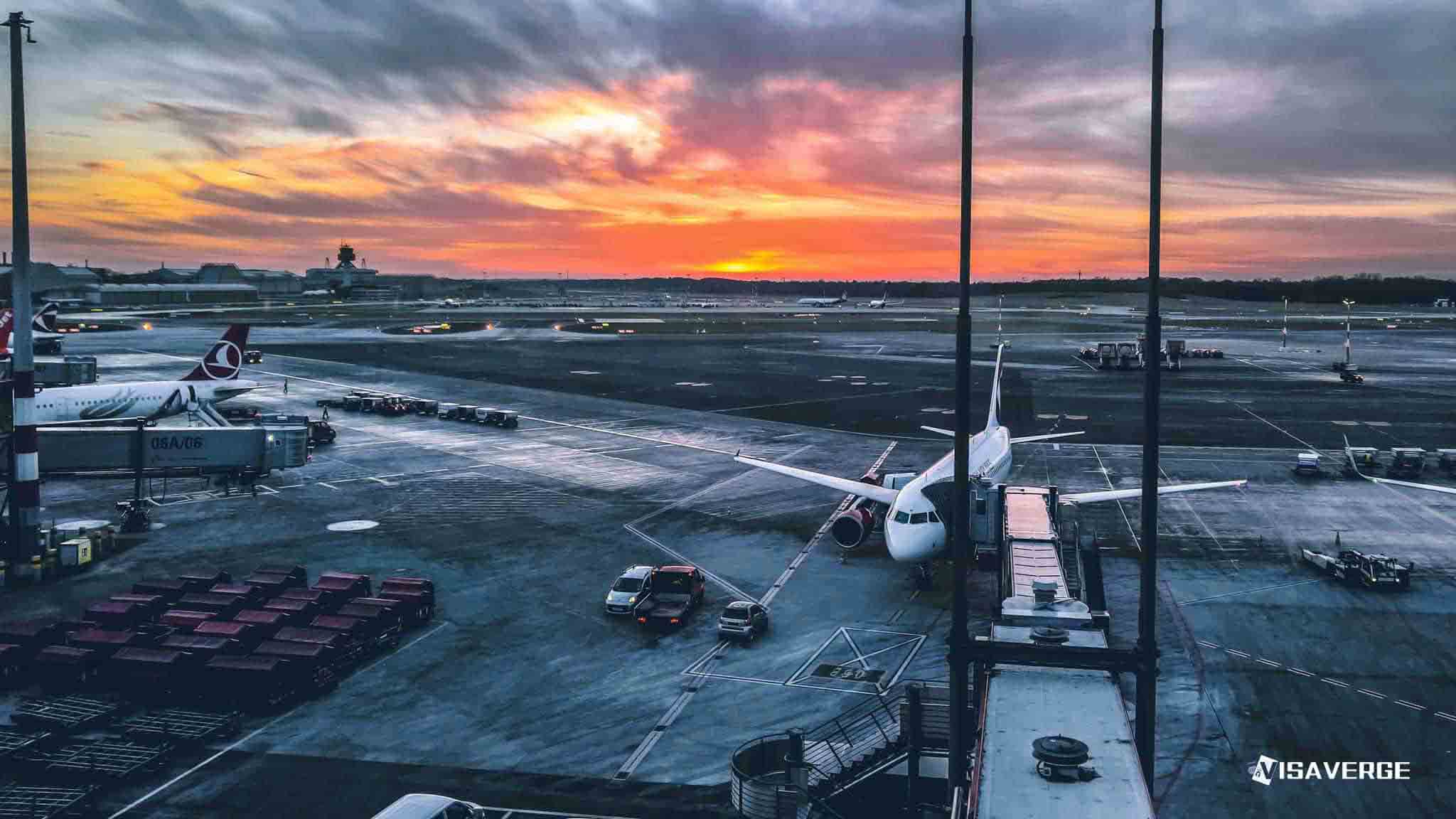
- Middle East airspace closures have severely restricted flight capacity between Europe and Asia.
- One-way economy fares have multiplied to record levels as travelers scramble for remaining seats.
- Major hubs like Dubai face extended multi-day closures until at least March 4th.
Airlines rerouted Europe–Asia flights on Tuesday as Middle East airspace closures tightened seat supply and sent one-way economy fares to several multiples of normal levels, with Dubai closed for a fourth day on March 3.
Major Gulf hubs that typically absorb heavy connecting traffic sat at the center of the disruption, and many routings showed little or no economy availability for days. Some flights were booked solid until March 11-17 as demand collided with longer routings and fewer workable connection options.
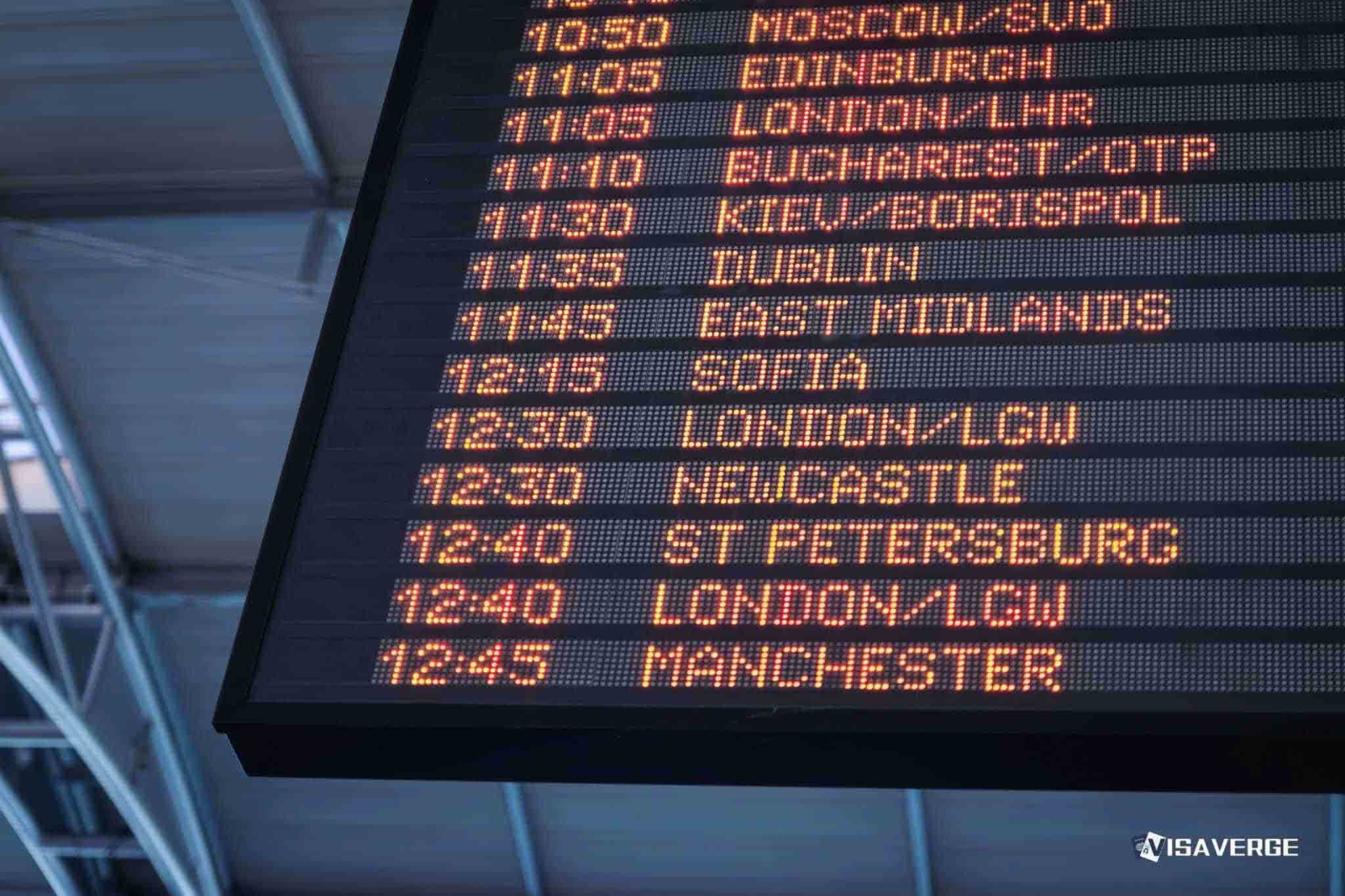
Travel agents and airlines pointed to sharp fare shocks in the days immediately ahead, especially for passengers trying to leave on short notice. Availability thinned fastest on itineraries that normally rely on Gulf transfers, while some longer detours appeared in booking systems as the remaining seats sold.
The surge followed Middle East airspace closures linked in the material to the U.S.-Israel war against Iran. Airlines responded by shifting to alternative corridors, sending some services north via the Caucasus/Afghanistan and others south via Egypt/Saudi Arabia/Oman.
Those changes added 45-120 minutes and 300-800 nautical miles per flight, the material said. Longer block times can reduce how many flights an aircraft can operate in a day, tightening inventory further when demand remains high.
Fuel costs added another layer of pressure as Brent Crude nears $84/barrel. Jet fuel represents 25-35% of airline operating costs, the material said.
Pricing examples checked on March 3 showed how sharply fares moved on major city pairs, while the next available departure dates pushed deeper into March. Cathay Pacific’s one-way economy fare from Hong Kong to London appeared at HK$21,158 ($2,705) with the earliest availability on March 11, compared with HK$5,054 later in March.
Thai Airways’ one-way economy fare from Bangkok to London was 71,190 baht ($2,265) with the earliest availability on March 15, compared with 27,045 baht by March 18. Singapore Airlines’ one-way economy fare from Singapore to London showed at ~$2,000, compared with ~$400 a month ago.
Other routings in the material showed how close-in bookings could tilt toward indirect paths or limited cabin availability. A Bangkok-Frankfurt option appeared sold out near-term, with a $1,026 one-way economy fare via Beijing (Air China) shown against a ~$400 level recently.
For some travelers, the issue was not just price but whether an economy seat existed at all in the next several days. One example in the material showed Beijing-London availability on Wednesday only in business class, priced at 50,490 yuan one-way, while the typical level cited was <10,000 yuan return.
Travel sellers described the immediate period as a scramble for workable combinations rather than a conventional comparison of departure times. The booking window mattered, with the material pointing to March 11-17 as the point where pricing and capacity could ease if operations stabilize.
Andrew Stark of Flight Centre said his firm saw 75% more emergency calls. The material described Australians reporting success rebooking via North America or other long routings when standard paths were unavailable.
Some of those workarounds pushed travelers into multi-stop itineraries that would not normally be first-choice options for Europe–Asia trips. The material cited examples including Los Angeles, Houston and Johannesburg as alternatives that some passengers used when seats through the Gulf disappeared.
Several Asia-based carriers maintained their Europe schedules with only minor delays, the material said, including Thai Airways, Singapore Airlines and Vietnam Airlines. That helped keep some non-Gulf routings moving, but the same carriers also faced heavier demand as passengers shifted away from Gulf connections.
European airlines faced extra hurdles from Russian airspace bans, the material said. That constraint already limits routing flexibility for certain operators, and the additional Middle East disruptions squeezed options further.
Airlines’ rerouting choices generally fell into two broad patterns in the material: northern paths via the Caucasus/Afghanistan and southern paths via Egypt/Saudi Arabia/Oman. Either way, the additional distance and time can force schedule adjustments, leaving fewer seats in the market and raising the cost of operating each flight.
Longer flights burn more fuel and can require changes to crew and aircraft utilization, feeding back into availability. When those changes hit during a period of heavy demand, close-in fares can jump quickly, especially on routes where a small number of daily flights normally carry a large share of travelers.
The disruption also reshaped where passengers tried to connect. With Dubai closed, travelers who would typically use Gulf hubs looked toward non-Gulf options and alternate hubs across Asia and Europe, putting pressure on remaining gateways and the airlines that still had viable routings.
That shift appeared in booking patterns described in the material, which recommended searching via Asian hubs such as Singapore, Bangkok and Hong Kong, as well as via China. The same guidance pointed to North American routings as another path some travelers used when Asia–Europe flows tightened.
As the remaining seats sold, some passengers found that the only near-term availability came with longer layovers or more complicated connections, and sometimes higher cabin classes. The material also described Chinese/European routes showing business-class-only near-term in some cases, underscoring how quickly economy inventory can disappear in a disruption.
Airlines also moved to manage stranded passengers and reduce pressure on blocked sectors. Emirates, Etihad and flydubai planned limited repatriation flights March 3-4 from the UAE, prioritizing rescheduled passengers, with a full suspension until 11:59 p.m. UAE time March 4, the material said.
Limited UAE flights started March 2 for citizens/extractions, the material said. Dubai, described in the material as the world’s busiest hub, remained closed through at least March 4.
Some European carriers pulled back on affected sectors. Air France-KLM canceled Middle East flights, the material said, adding to the near-term reduction in seats available for travelers trying to bridge Europe and Asia.
Thailand’s Transport Minister Phiphat Ratchakitprakarn was cited in the material in connection with Thai Airways as a direct Asia–Europe option that avoids the Middle East entirely. Even those routings faced high demand as travelers prioritized paths less exposed to Middle East airspace closures.
The material also pointed to practical adjustments travelers made to cope with disruption risk, including allowing longer connections. It cited a 4-hour connection buffer for delays and mentioned insurance policies covering airspace closures.
For the market as a whole, the next question was how long the constraints would last and whether airlines could maintain workable schedules without further cuts. Subhas Menon of the Association of Asia Pacific Airlines warned prolonged closures undermine profitability and connectivity, with fares likely rising further if oil/fuel pressures persist.
Reroutes boost costs long-term, the material said, while direct operators hold an edge. That advantage can show up when travelers abandon disrupted hubs and try to buy seats on airlines whose networks rely less on Gulf transfers, especially during the tight March 11-17 window highlighted in the material.