- Escalating regional conflict has stranded six cruise ships in Dubai, Abu Dhabi, and Doha ports.
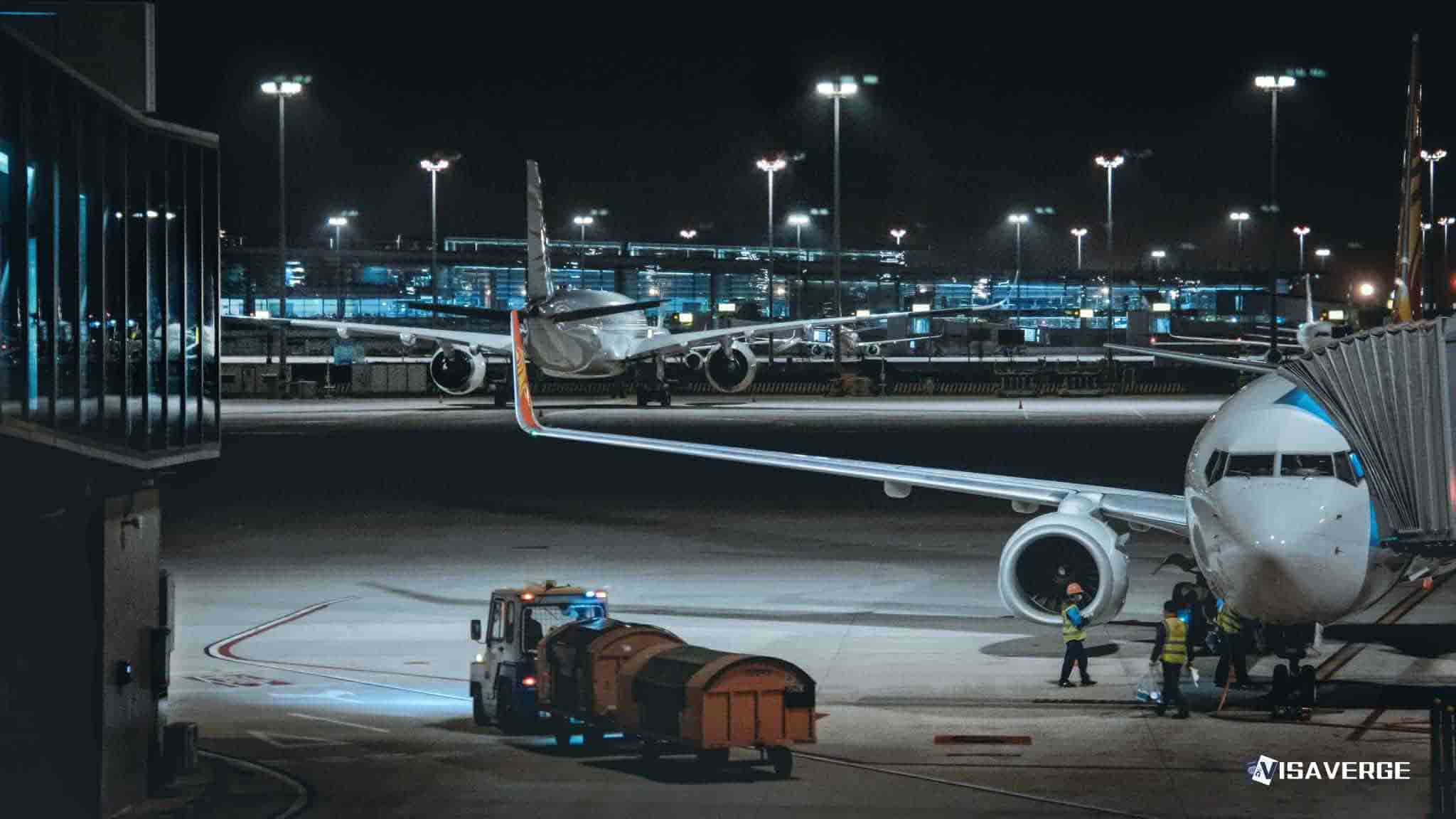
- Crucial maritime routes and regional airspace closures have blocked both vessel departures and passenger flights.
- Major cruise lines canceled multiple upcoming sailings and are coordinating with embassies for traveler repatriation.
(DUBAI, ABU DHABI, AND DOHA) — Cruise operators kept six ships in port across Dubai, Abu Dhabi and Doha in early March 2026 as escalating Middle East conflict, sea-lane restrictions and regional airspace closures blocked departures and stranded thousands of passengers.
MSC Cruises, TUI Cruises, Celestyal Cruises and Aroya Cruises halted or reshuffled itineraries as routes out of the Persian Gulf narrowed and passenger flights that normally rotate travelers in and out of the region were canceled.
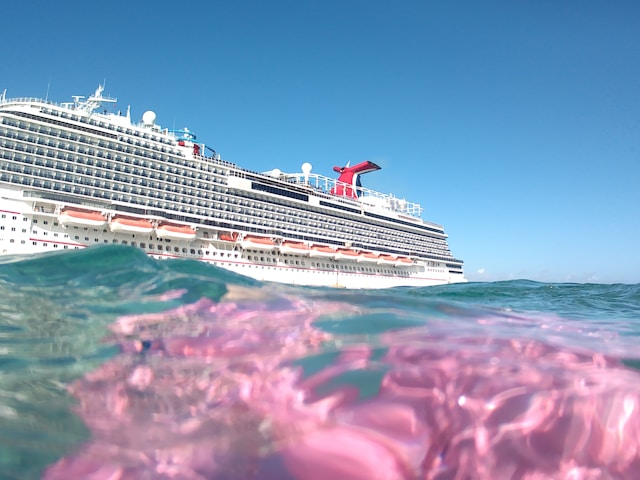
Dubai’s Port Rashid, Abu Dhabi and Doha have become holding points for vessels and travelers, turning cruise terminals into temporary waiting rooms while companies coordinate with authorities and embassies and try to preserve basic onboard services.
The disruptions follow military strikes and responses that widened operational constraints for both maritime and aviation traffic. Airspace closures over Iran, Iraq, Israel, and parts of the Persian Gulf cut off common flight paths, while the Strait of Hormuz closed to civilian shipping, preventing ships from exiting the Gulf.
Operators and passengers described a chain reaction: ships that can remain safely alongside in port still cannot resume itineraries, because onward routes and scheduled turnaround flights no longer function. Cancellations then cascade into later sailings, compounding delays for travelers who expected to fly home from Gulf hubs.
The Strait of Hormuz, described as 21-33 miles wide between Iran and Oman/UAE, has become a central choke point in those planning decisions. Hostilities that included US-Israeli strikes on Iran starting February 28, and Iranian responses targeting US bases, drove the closure to civilian vessels and kept cruise lines from sailing out of the Persian Gulf.
At Port Rashid in Dubai, MSC Euribia remained docked after an overnight call, with the vessel described as 184,000 gross tons and built 2023, and docked since February 27. The ship’s schedule shifted after joint military action on February 28, leaving passengers waiting for decisions tied to sea-lane access and flight availability.
Dubai also held Celestyal Discovery and Aroya Cruises’ Aroya Manara, concentrating multiple brands at a single turnaround port that typically relies on frequent international flights to manage embarkation and disembarkation cycles.
Abu Dhabi hosted TUI Cruises’ Mein Schiff 4, described as 99,500 gross tons and built 2015, while Doha held two vessels: TUI Cruises’ Mein Schiff 5, described as 98,800 gross tons and built 2016, and Celestyal Journey, which had been scheduled to depart Dubai March 2 but instead remained until at least March 7.
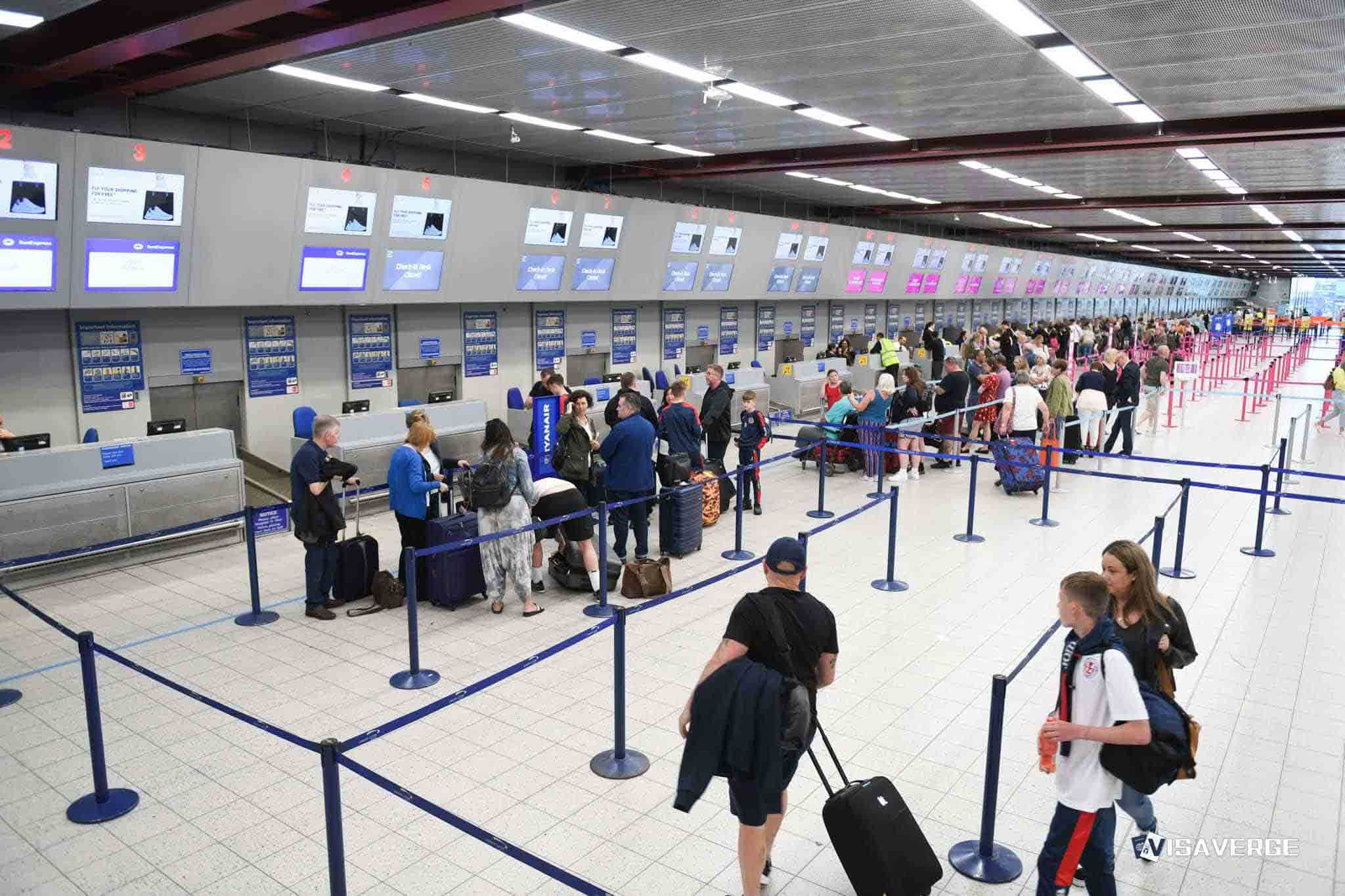
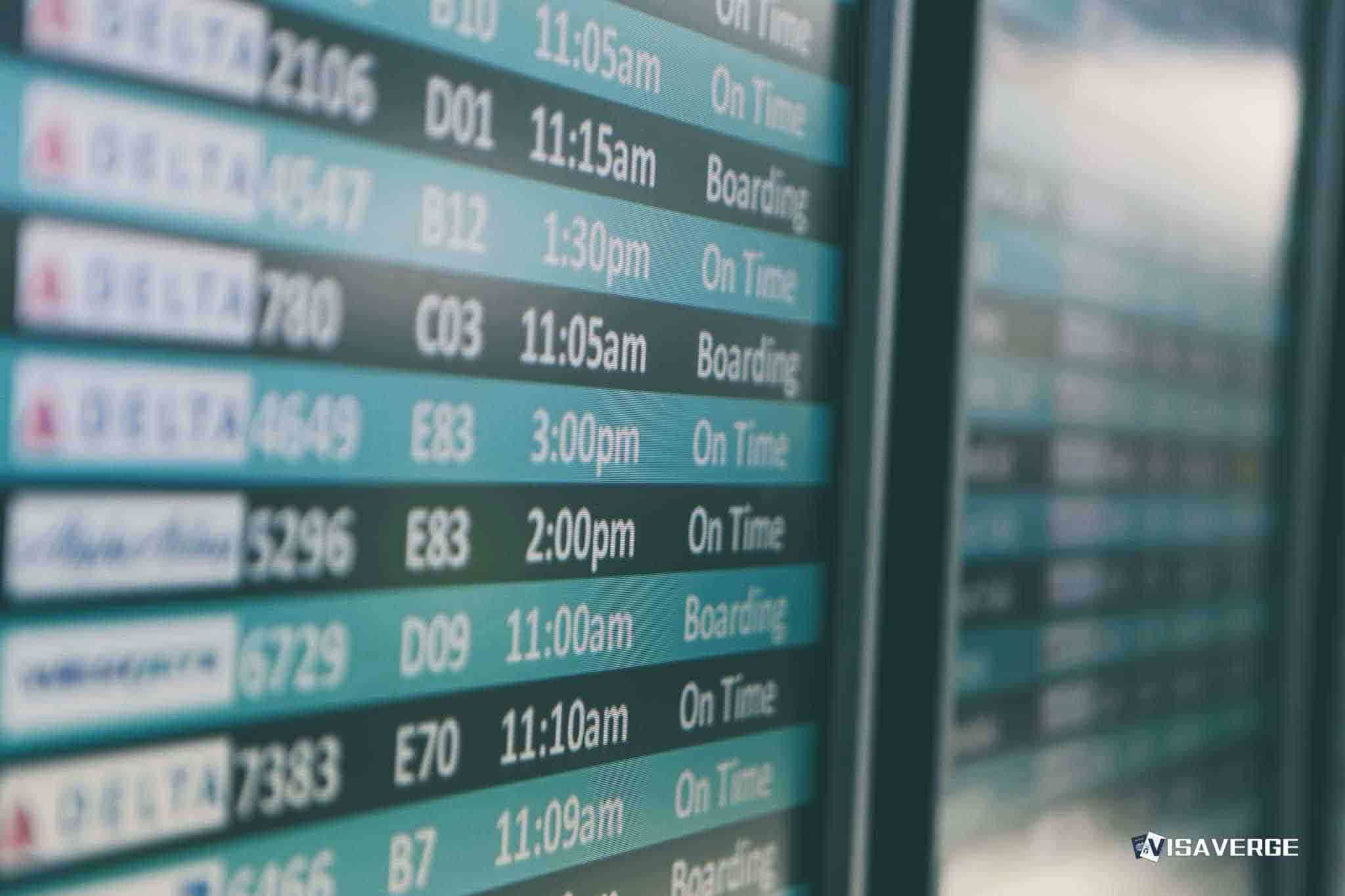
Those port placements matter because Dubai, Abu Dhabi and Doha function as cruise turnarounds and aviation connectors, where passenger exchange depends on tight alignment between ship arrivals and outbound flights. With airspace closures triggering mass flight cancellations, even travelers prepared to disembark have struggled to secure routes home.
MSC Cruises canceled a March 1 Doha departure for MSC Euribia and also canceled a March 7 Dubai 7-night sailing, linking its decisions to both safety and operational constraints. The company acted after receiving US military guidance to stay in Dubai, and it told passengers it would provide full refunds within 30 days.
Celestyal Cruises canceled Celestyal Journey’s Dubai sailing scheduled for March 2 and canceled Celestyal Discovery’s Abu Dhabi sailing scheduled for March 2. The line offered passengers full refunds or future credits, as ships remained in place and travelers weighed whether to wait onboard or attempt to reroute through disrupted airports.
TUI Cruises canceled multiple sailings on Mein Schiff 4 and Mein Schiff 5 and said it was monitoring options for repatriation flights. The company’s vessels in Abu Dhabi and Doha became focal points for passengers whose itineraries depended on leaving the Gulf promptly, either on scheduled flights or on the ships’ planned onward routes.
Passenger movement has been constrained by port and airport conditions as well as security concerns, producing different rules and experiences across the three hubs. In Dubai, authorities prohibited disembarkation due to port safety and airport congestion, limiting passengers to the cruise terminal for brief shore access and providing free Wi-Fi to support communications.
Doha offered a different set of options for some travelers, with Celestyal Journey passengers able to stay onboard or disembark locally depending on arrangements. Even so, the wider air and sea restrictions left many travelers with few viable paths onward.
One of the most specific reported incidents came in Abu Dhabi on Mein Schiff 4, where passengers observed a missile strike hitting nearby waters on Sunday (March 1), prompting interior confinement. No reported injuries were recorded among ~2,500 passengers and 1,000 crew.
In Doha, some Mein Schiff 5 passengers attempted to travel through the airport but returned to the ship after 10-hour airport waits, without luggage, amid missile warnings. The episode underlined how flight disruption and security alerts can undo attempted departures even when a terminal remains open.
Across the six ships, thousands of passengers remained onboard, and no formal repatriation plans were announced, even as cruise lines coordinated with embassies, US military, and authorities. Companies kept onboard services running and said they prioritized safety while reassessing departures against a fast-changing set of maritime and aviation constraints.
The timeline of cancellations and delays has tracked the escalation and its knock-on effects. MSC Euribia stayed docked from February 27, after joint military action on February 28, and MSC Cruises then canceled the March 1 Doha departure and the March 7 Dubai 7-night sailing; Celestyal Journey and Celestyal Discovery both saw March 2 sailings canceled, and Celestyal Journey remained in port until at least March 7.
The cruise disruption also spilled into land-based travel plans in the UAE, with stranded hotel guests facing delays as outbound flights were canceled or rerouted. The reliance of Gulf airlines for Asia/Australia connections amplified the effects, because the same hubs that usually absorb passenger changes became bottlenecks when airspace closures spread across the region.
Operators and travel planners also watched for knock-on effects on future cruise schedules tied to Dubai’s port infrastructure. The disruption raised the prospect of problems for April world cruises by Crystal, Oceania, and Regent Seven Seas in Dubai, as well as repositioning schedules to Europe for summer seasons, if ships cannot reach intended routes or crews and passengers cannot rotate through Gulf airports.
For now, cruise lines have kept ships in port as safety and access conditions evolve, while travelers wait for air routes and sea lanes to reopen. In Doha, the return of Mein Schiff 5 passengers to the ship without luggage after 10-hour airport waits captured the uncertainty that has spread across the region’s cruise and flight networks.