- Airlines are rerouting Asia-Europe flights through two main corridors due to increased regional tensions and airspace bans.
- The northern Caucasus route creates a 100-mile-wide bottleneck that complicates flight scheduling and traffic management.
- Travelers face journey times increasing by up to four hours and higher fuel costs for carriers.
(CAUCASUS) — Airlines flying between Asia and Europe are rerouting more services through two long detours after a late-February escalation in regional tensions added to a web of airspace constraints and carrier-specific bans.
Passengers are noticing longer scheduled block times, occasional technical stops and wider swings in on-time performance as carriers juggle overflight permissions, safety buffers and bottlenecks on the remaining open paths.
Operational planners have increasingly split Asia–Europe traffic between a northern track through the Caucasus and a southern arc over Egypt and the Arabian Peninsula, while also cancelling or diverting flights when viable routings tighten.
The latest inflection point came with escalations starting February 28, 2026, after which airlines recorded over 3,400 global cancellations/diversions as networks absorbed disruptions and rewrote rotations.
Two main detour corridors have emerged because airlines cannot treat Eurasia as a single continuous overflight zone anymore, and because many Western carriers have faced Russian airspace limits since 2022.
Those constraints interact with closures and restrictions across parts of the Middle East and the Gulf, pushing carriers to choose between a shorter but narrower northerly track and a longer but more flexible southerly option.
Dispatchers weigh several factors at once when they pick a corridor: safety standoff distance from conflict zones, the ability to secure overflight permissions, congestion and flow-control risk, and the cost of carrying extra fuel for longer miles.
Route choices can vary by direction and by airline, even on the same city pair, because the corridors can open and close to capacity in practice through air traffic restrictions, holding and knock-on delays.
The northern option, often described by operators as the Caucasus corridor, generally runs south of Russia and north of Iran, threading traffic through a tight geography linking Europe to Asia.
At its narrowest point, the passage has been described as a 100-mile-wide “needle,” a constraint that turns routine schedule padding into a daily exercise in managing queueing and spacing.
Carriers use this corridor because it can be the most efficient detour for operators that avoid Russian airspace and want to limit extra distance compared with swinging far to the south.
The trade-off is that a narrow track can magnify disruption: congestion can force holding patterns and delays, and the routing demands precise coordination to keep traffic moving through the pinch point.
Airlines using the northern track route over Armenia, Georgia, and Azerbaijan, a set of overflights that has taken on greater importance as traffic displaced from other paths compresses into fewer lanes.
On many Asia–Europe lanes, the added journey time on this northern routing is generally 1-3 hours, but some city pairs see larger increases depending on winds, alternates and the day’s constraints.
The upper end of that range can reach up to 4 hours extra, such as on Finnair’s Helsinki-Tokyo services or British Airways routes between Europe and Asia that must accommodate the longer track.
The southern option, sometimes called Egypt South by airline crews, often funnels westbound flights over western Saudi Arabia and Egypt, with some services also using Oman depending on constraints and availability.
This routing keeps aircraft farther from active conflict zones and offers a wider area for air traffic management, which can matter when the northern corridor becomes congested or temporarily harder to use.
Added journey time on the southern track is typically 1-3 hours, similar to the northern route in many cases, but the distance can push some flights beyond that when detours lengthen or stops become necessary.
Air India has used routes that include technical stops, such as flying via Rome, and the carrier’s need to divert further west when avoiding Pakistan has echoed patterns seen in April 2025.
The operational downsides of going south show up quickly in fuel planning: longer paths burn more fuel, can raise costs, and can chip away at schedule reliability when aircraft and crews arrive late to tightly timed connections.
Across both corridors, airlines face higher fuel use by up to 20%, a figure that can ripple into pricing, capacity decisions and the willingness to keep marginal long-haul frequencies operating under strained conditions.
The systemwide impacts also reach passengers in less visible ways, as carriers rebuild rotations around longer block times, leaving less slack to recover from weather, maintenance issues or inbound delays.
Some travelers see this as longer gate-to-gate times; for airlines it can mean crews timing out, aircraft missing the next long-haul departure window, and delays cascading through a fleet that was designed around shorter routings.
The disruptions have not fallen evenly across the industry, because network structure matters when the map changes and when corridors tighten.
Non-stop-heavy operators such as Cathay Pacific, Singapore Airlines, and Turkish Airlines can benefit from direct detours that keep their long-haul structure intact, even if each flight carries extra time.
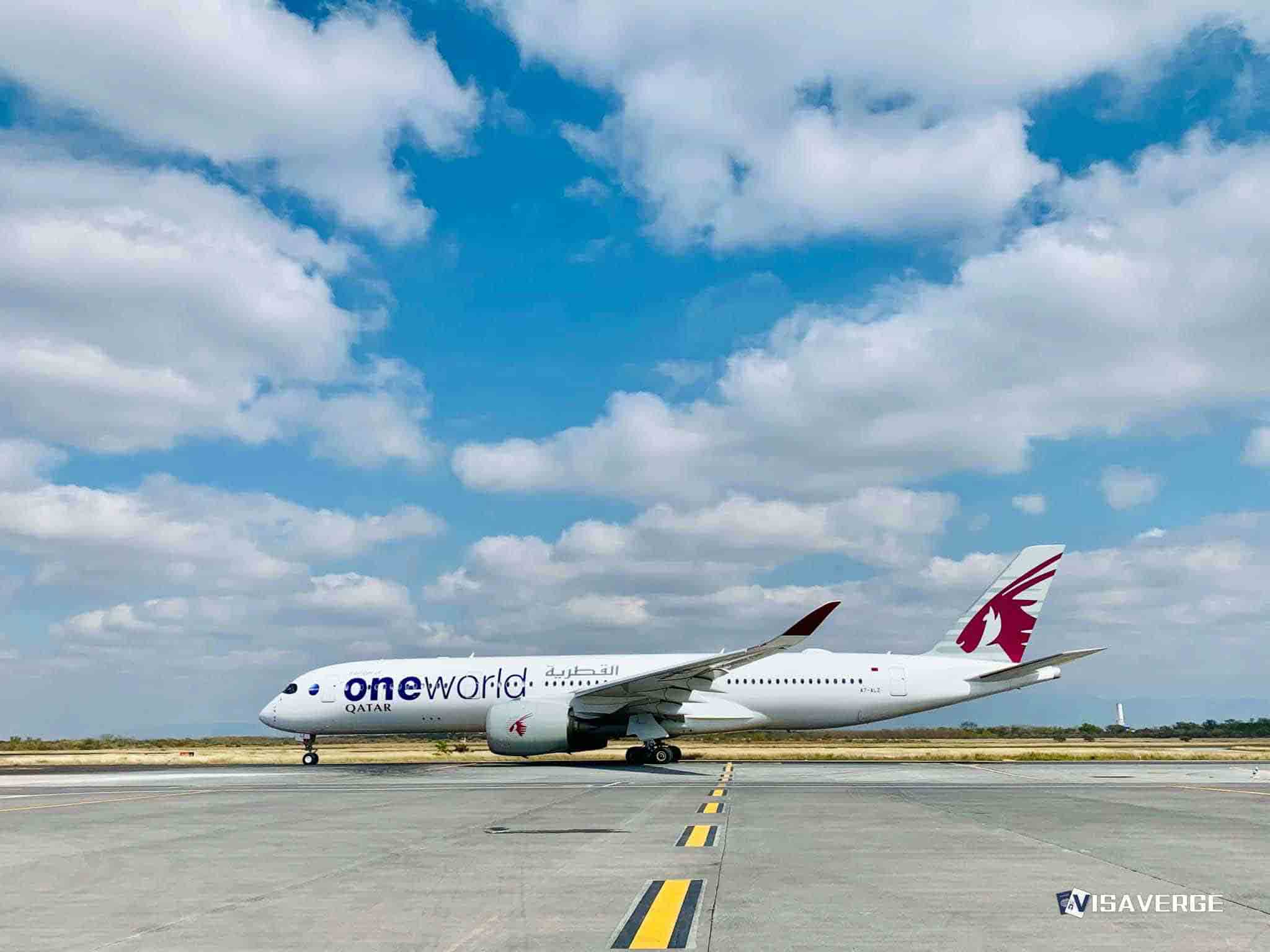
Gulf hubs, including Emirates and Qatar, face sharper exposure because detours and restrictions can disrupt bank structures and connectivity even when flights operate, complicating how passengers and cargo transfer across waves.
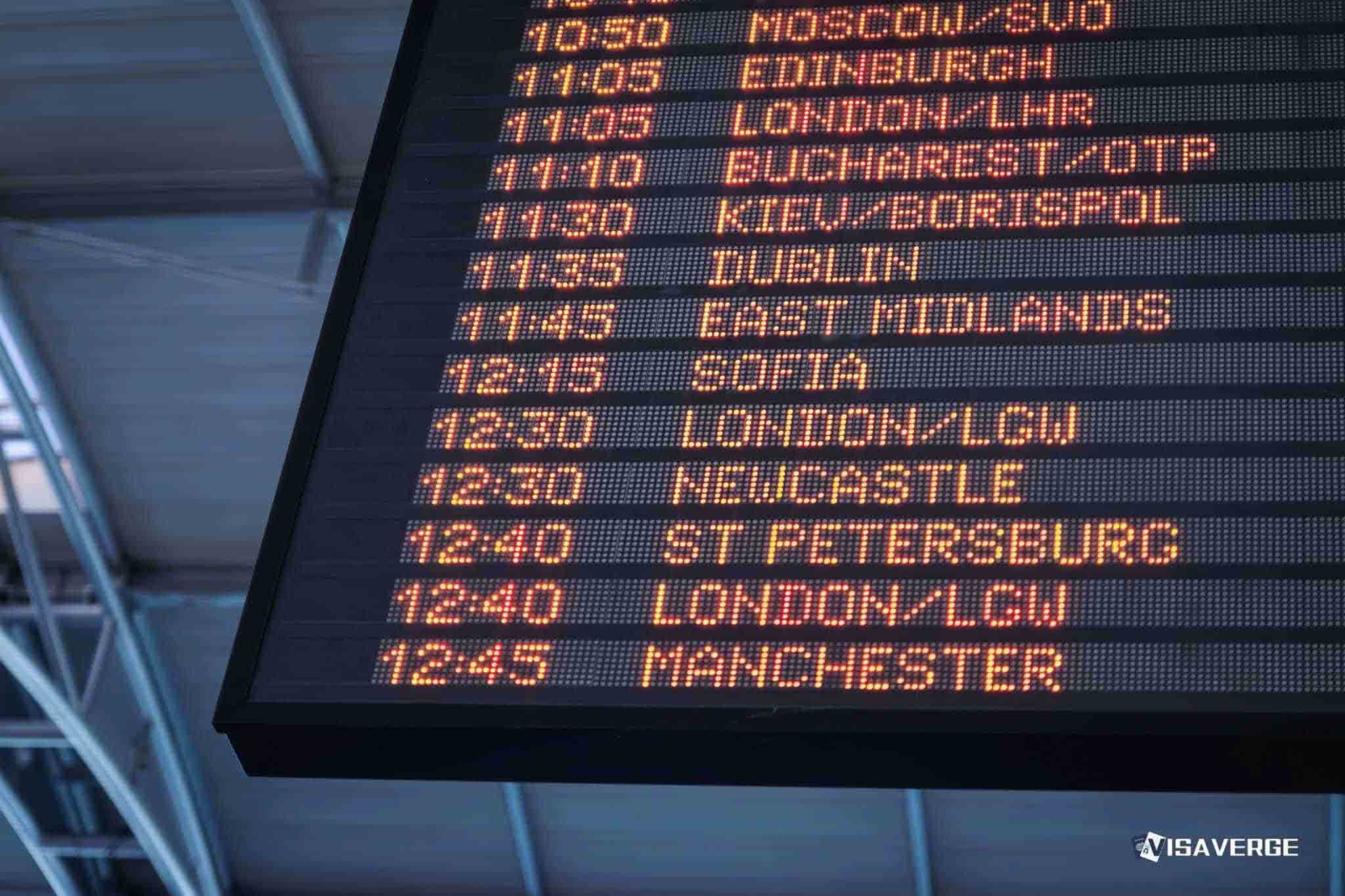
For travelers, the most immediate variable to watch is journey time, which can swing with the day’s corridor congestion and the airline’s choice of north versus south, even when the departure board shows the same flight number.
Airlines say normalization depends on airspace reopening and on congestion easing in the shared corridors that have become the main arteries for Asia–Europe flying, with the “needle” of the Caucasus remaining a defining constraint.