- Bali airport canceled 15 international flights affecting over 3,000 travelers due to Middle East airspace closures.
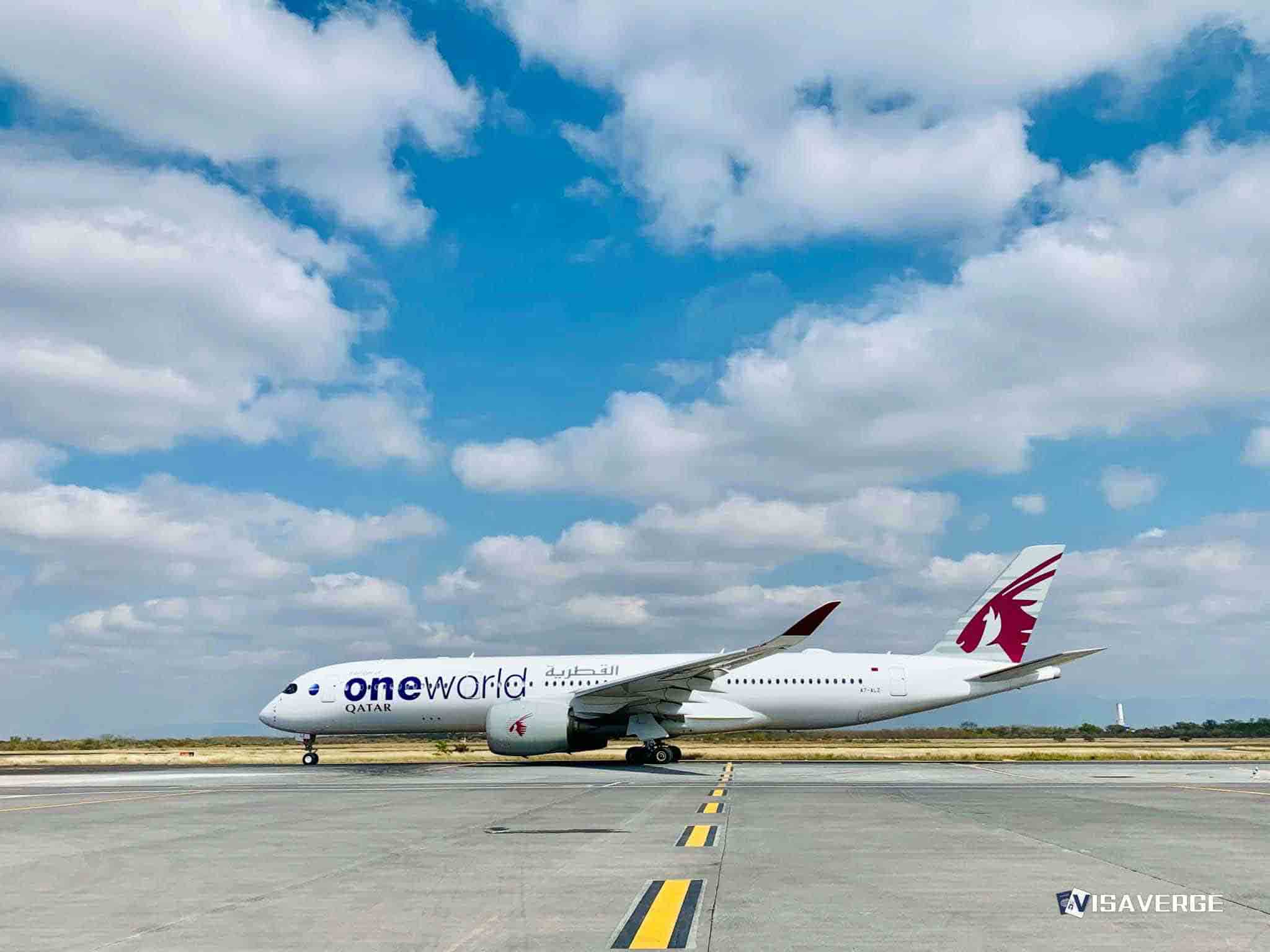
- Major carriers including Emirates, Etihad, and Qatar suspended routes connecting Bali to Gulf hubs.
- Bali Immigration is issuing Emergency Stay Permits to prevent overstay penalties for stranded foreign travelers.
(BALI, INDONESIA) — Bali’s I Gusti Ngurah Rai International Airport canceled 15 international flights to and from Dubai, Doha and Abu Dhabi as of March 2, 2026, stranding thousands of outbound travelers as airlines rerouted around Middle East airspace closures.
Gede Eka Sandi Asmadi, Head of Communication and Legal Division at PT Angkasa Pura Indonesia (API) for DPS, confirmed the cancellations and said 3,197 departing passengers booked on Emirates, Etihad and Qatar Airways were affected.
Airlines cited Middle East airspace closures linked to the US–Israel–Iran conflict as the operational reason for the disruptions, which hit a set of long-haul routes that many travelers use to connect onward to Europe, Africa and the Americas.
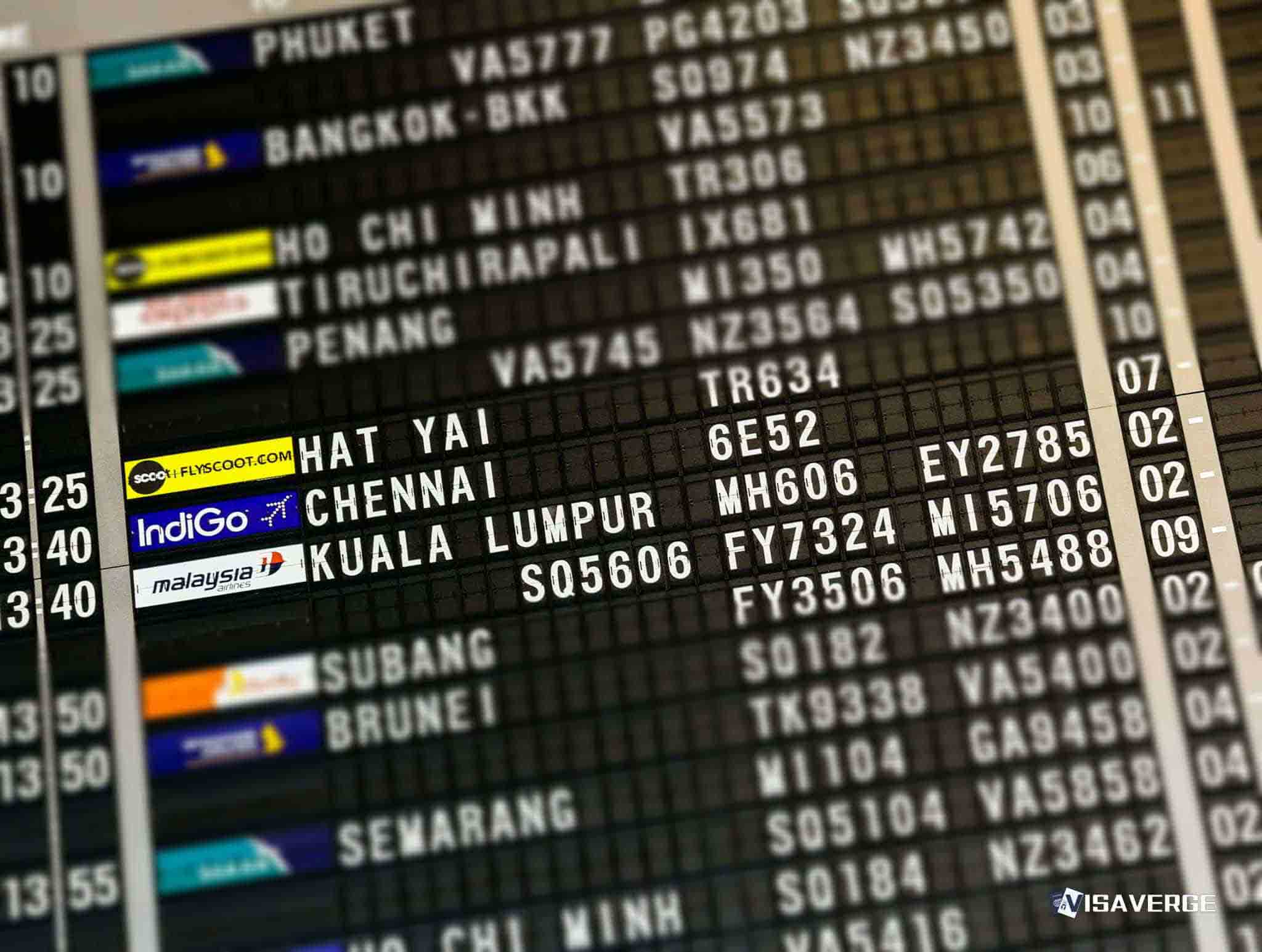
Cancellations began February 28 and continued through March 2, 2026, creating repeated gaps in the departure board for services bound for major Gulf hubs and the inbound flights that would normally return aircraft to Bali.
Asmadi said the airport recorded eight departures and seven arrivals canceled over that period, with multiple airlines involved and schedules shifting day by day as carriers adjusted flight planning.
The disruptions affected services that normally operate on the Bali-to-Gulf corridor, including Emirates flights on the Dubai route, Qatar Airways flights on the Doha route, and Etihad flights on the Abu Dhabi route.
Some of the scrapped departures included Etihad Airways EY477 from DPS to Abu Dhabi on Feb 28, Emirates EK369 from DPS to Dubai on Feb 28 and March 1, and Qatar Airways QR963 from DPS to Doha on Feb 28. Other cancellations included Emirates EK399 to Dubai and Qatar Airways QR961 to Doha on March 1.
Inbound cancellations included Etihad EY476 from Abu Dhabi to DPS, Emirates EK368 and EK398 from Dubai to DPS, and Qatar Airways QR960 and QR961 from Doha to DPS, reflecting how airspace decisions can disrupt both directions of a route.
With individual flight numbers and timings varying by day, airlines told customers to rely on carrier notifications and official channels for the latest operational decisions, as schedules can change quickly when airspace constraints tighten or ease.
For passengers already in Bali, the most immediate concern has been avoiding visa penalties while waiting for rebooked seats, particularly for travelers whose outbound flights were canceled close to their permitted stay limits.
Bugie Kurniawan, Head of Ngurah Rai Immigration Office, said Bali Immigration is offering relief to prevent overstays caused by the cancellations, using force majeure provisions to handle travelers whose plans changed beyond their control.
Immigration directed affected foreign travelers to report immediately and bring basic travel documents along with evidence of the cancellation and their booking, allowing officers to process an Emergency Stay Permit (ITKT) on the same day.
Kurniawan said the ITKT pathway also covers travelers who reached departure lounges and then had to return after a cancellation, adding that no departure stamps are applied if they re-enter after the flight is called off.
The airport’s broader operations otherwise remained normal despite the cluster of international cancellations, Asmadi said, with the disruption concentrated on the Middle East-linked routes rather than across the full domestic and international network.
AirNav Indonesia monitored the Middle East airspace situation, Asmadi said, while the airport prepared logistics to accommodate five parked aircraft as schedules shifted and some planes stayed longer on the ground than planned.
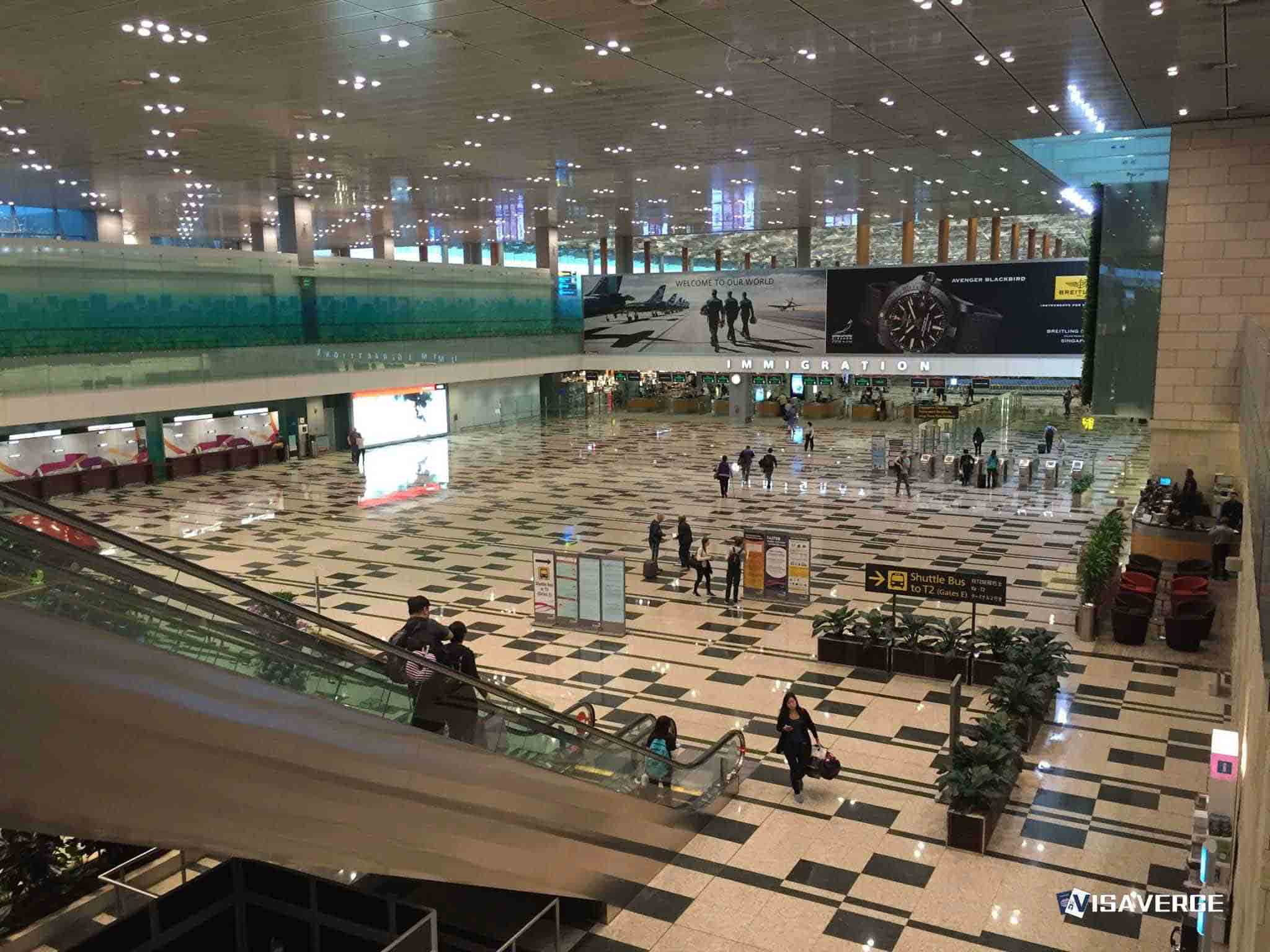
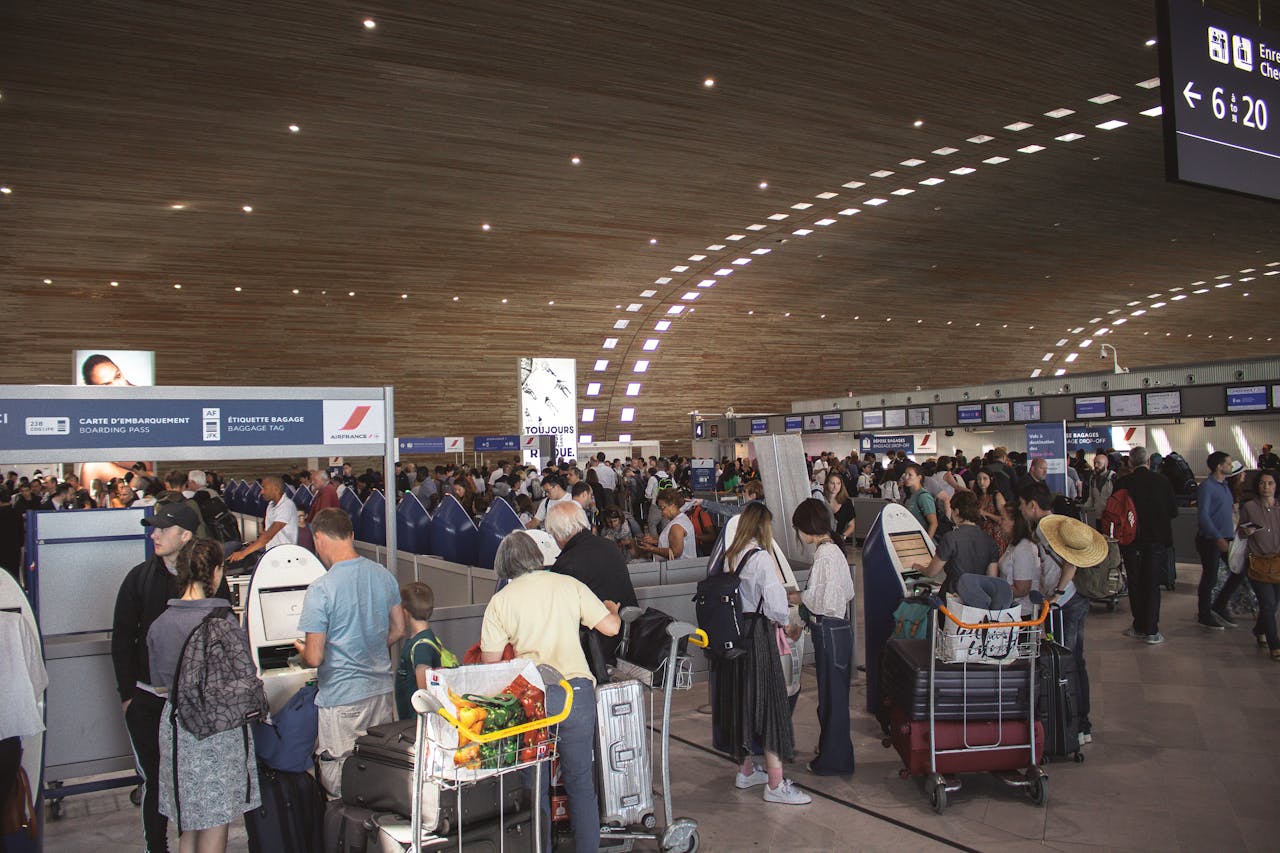
Airport teams coordinated with airlines on rescheduling and passenger handling, including managing the flow of affected travelers between check-in, immigration and airline service counters as customers sought rebooking, refunds or reroutes.
Carriers typically handle over 90,000 passengers via these hubs daily, Asmadi said, making the Bali cancellations part of a wider pattern of strain when hub-and-spoke routes face sudden constraints and flights cannot use usual corridors.
Bali Immigration boosted staffing at terminals, authorities said, aiming to keep travelers compliant with stay rules while airlines reshuffled capacity and issued new itineraries to people left without onward flights.
Separately, the airport is set to close for Nyepi from March 18–19, 2026, from 6 AM to 6 AM, a shutdown authorities said is unrelated to the current airspace-driven cancellations but could narrow rebooking options around that window.
Officials urged travelers to monitor updates through airline apps and websites and to follow airport and immigration announcements closely, as Middle East airspace closures can force rapid changes that ripple into Bali’s international departure schedules.