- Indonesian authorities repatriated over 6,000 pilgrims following massive flight disruptions in the Middle East.
- Regional conflict and airspace closures stranded 58,000 Indonesians across Saudi Arabia and transit hubs.
- Officials advise postponing future travel until aviation schedules stabilize and regional tensions decrease.
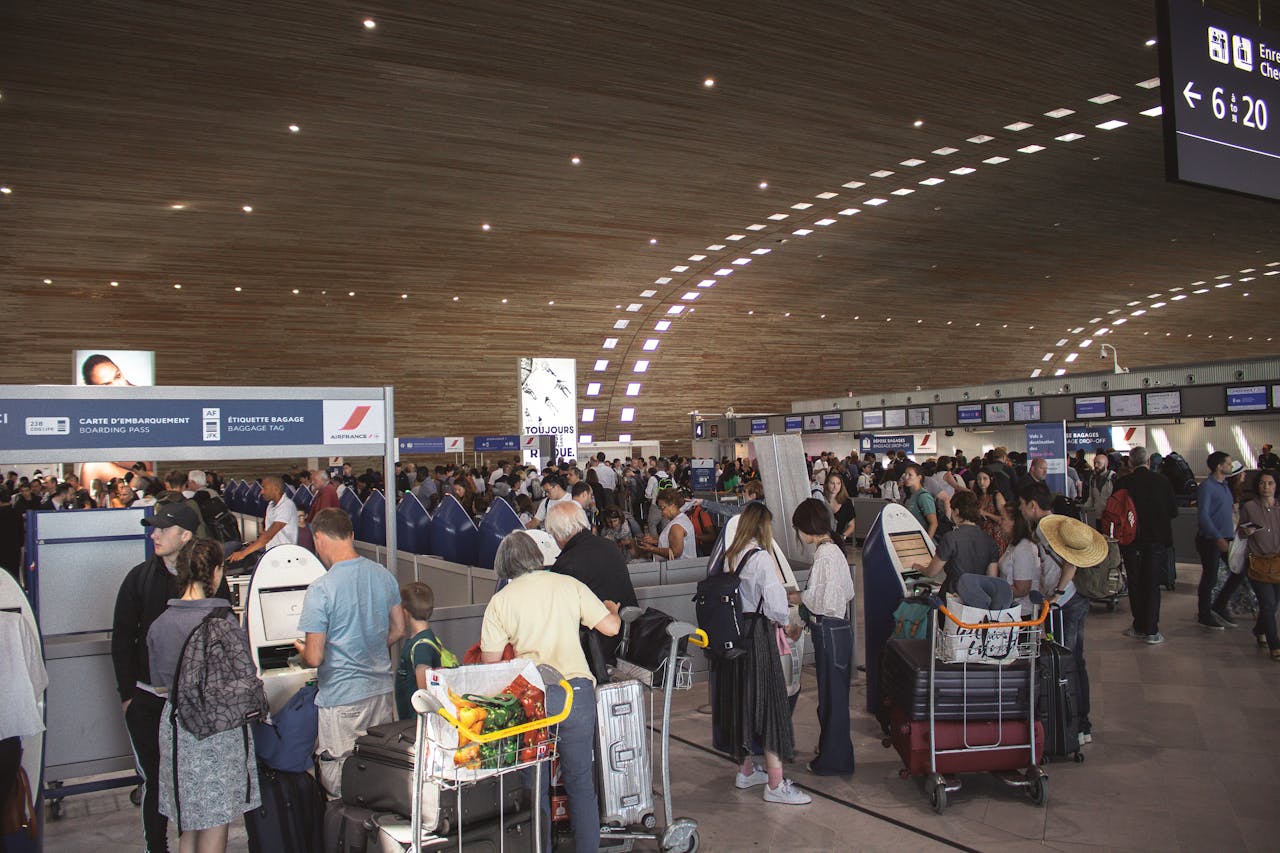
(SAUDI ARABIA) — Indonesian authorities coordinated flights that brought home 6,047 Umrah pilgrims between February 28 and March 1, 2026, as tens of thousands remained stranded in Saudi Arabia after airspace closures and wider flight disruptions tied to escalating Middle East tensions.
As of March 1, 2026, approximately 58,873 Indonesian Umrah pilgrims remained stuck in Saudi Arabia, the Indonesian Ministry of Hajj and Umrah reported, after disruptions linked to regional conflict that included airspace closures following a US-Israel strike on Iran.

The ministry said the disruption has scattered Indonesian Umrah pilgrims across multiple points in the travel chain, including people still in Saudi Arabia completing Umrah in Mecca, Medina, and Jeddah, others caught in transit, and groups who have not departed Indonesia from cities such as Jakarta, Surabaya, and Medan.
Airlines across the region canceled flights and rewrote routings as conditions changed, reshaping the usual corridors that connect Indonesia with Saudi Arabia and complicating efforts by tour organizers and carriers to keep schedules intact.
The flight disruption has landed during Ramadan, a period when many Indonesians travel for Umrah and when demand for transport and accommodations rises, tightening options for travelers who cannot depart on time and for those trying to return as originally planned.
Indonesian authorities linked the aviation disruption to escalating Middle East tensions involving Iran, Israel, and the United States. They said the resulting airspace closures and operational changes have hit routes that typically pass over Iraq, Jordan, and the Persian Gulf.
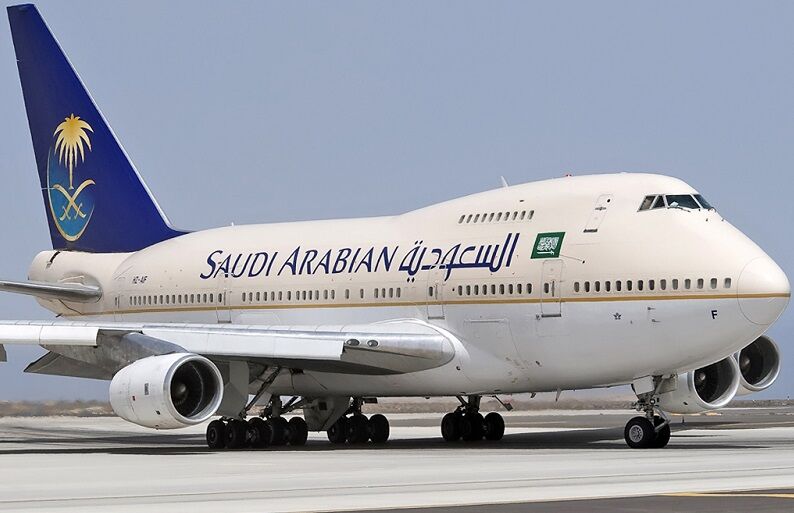
Garuda Indonesia and Saudia Airlines were among the carriers whose standard flight paths over those corridors came under strain, the ministry said, as cancellations and rerouting spread through route networks that Indonesian pilgrims commonly use to reach Saudi Arabia and return home.
The Indonesian Ministry of Hajj and Umrah described the stranded population as a mix of people whose plans broke down at different stages, creating a complex picture for repatriation planners because travelers are not concentrated in a single airport or city.
Some Indonesian pilgrims remain inside Saudi Arabia, including in the holy cities and Jeddah, while others are in transit and unable to complete connections. Another group has yet to leave Indonesia, leaving organizers and officials managing both outbound disruption and the backlog of delayed returns.
Officials framed the returns completed over the February 28–March 1 window as an early step rather than a resolution, pointing to the larger number still in Saudi Arabia and the continuing uncertainty for flight schedules as routes adjust to airspace closures.
The disruption has also left pilgrims and families waiting for updates that depend on shifting airline operations, because cancellations and reroutes can cascade through travel plans that were set weeks in advance and built around fixed departure and return dates.
Aviation changes linked to airspace closures have forced airlines to alter how they connect Indonesia and Saudi Arabia, affecting how pilgrims move between departure cities in Indonesia and entry points in the kingdom, and complicating how quickly carriers can restore planned rotations.
Indonesian authorities said they continue daily repatriation efforts and are prioritizing orderly returns as they coordinate with organizers and diplomatic officials on the ground.
Government agencies said they are tracking affected pilgrims and monitoring developments as they try to match available flights with groups waiting in different locations, including those in Saudi Arabia, those in transit, and those still in Indonesia.
The Ministry of Hajj and Umrah said it has worked alongside Indonesia’s Ministry of Foreign Affairs, describing continuous monitoring and an effort to track the locations of all affected pilgrims as the disruption continues.
Indonesia also coordinated with its diplomatic offices in Saudi Arabia to provide assistance, including rapid support on legal or emergency issues, the ministry said, as stranded pilgrims and organizers seek help navigating problems that arise when travel stalls.
Officials urged pilgrims to remain calm and to follow instructions from representatives and organizers abroad, arguing that cooperation helps prevent further confusion when manifests and flight plans change with little warning.
Ichsan Marsha, a spokesperson for the Indonesian Ministry of Hajj and Umrah, said, “We work to ensure that each PPIU remains fully committed to its responsibilities, serving pilgrims during departure, their stay in Saudi Arabia, and return trips,” while urging organizers and pilgrims to cooperate and prospective travelers to postpone trips until regional stability returns.
The situation has heightened humanitarian concerns because delays stretch stays beyond what many pilgrims expected when they left Indonesia or booked their trips, and because the period coincides with Ramadan, when travel volumes can rise and crowding can intensify across parts of the kingdom.
Even as pressure built, the ministry said it had received no reports indicating shortages of food or shelter or safety threats in the holy cities where Indonesians are completing Umrah or waiting for onward travel.
Authorities emphasized coordination with organizers responsible for groups on the ground, as well as the role of diplomatic posts in addressing urgent problems, while acknowledging the disruption is tied to changes in the wider aviation environment rather than a single airline decision.
Airline cancellations and route disruptions have also affected other countries in the region, underscoring that the strain on travel has not been limited to Indonesia’s Umrah flows.
About 1,600 Malaysian pilgrims were affected by similar disruptions, officials said, with Malaysia’s consulate in Jeddah providing 24-hour support, accommodations, and alternative flights via Saudia Airlines.
The Malaysian case added to signs that airspace closures and fast-changing conditions can create regional ripple effects, leaving consular officials and tour organizers managing welfare needs while working to secure seats and reroute travelers.
Indonesian officials said their focus remains on keeping track of stranded pilgrims, maintaining contact through organizers and representatives in Saudi Arabia, and coordinating with airlines and diplomatic staff to get people home as flight options reappear.
They also urged prospective travelers to postpone trips until stability returns, presenting postponement as a way to reduce further congestion in bookings and avoid adding new groups to the backlog while airlines and authorities manage the current disruption.
For Indonesian Umrah pilgrims already in Saudi Arabia, the ministry’s message centered on maintaining order as plans shift, with officials linking smooth returns to clear communication and compliance with instructions from organizers and on-the-ground representatives.
The continuing disruption has left the pace of returns dependent on the broader aviation environment, but Indonesian authorities said they intend to keep repatriation moving and to manage the flow in a way that avoids additional confusion for those waiting in Saudi Arabia, those stuck in transit, and those who have not yet departed Indonesian cities because of cancellations.
With Ramadan underway and airspace closures still shaping regional operations, Indonesian officials have kept their public messaging focused on coordination, assistance through diplomatic posts, and the need for pilgrims and organizers to work together as they wait for flight schedules to stabilize.