- Germany is coordinating civilian charter flights for 30,000 stranded citizens after Middle East conflict escalation.
- Military evacuation remains a very last resort due to closed airspaces in Iran, Iraq, and Jordan.
- Approximately 7,000 travelers remain stuck on cruise ships sheltering in place at regional ports.
(MIDDLE EAST) — Germany began coordinating civilian charter flights on Tuesday after conflict escalation in early March 2026 stranded approximately 30,000 Germans across Middle East transit points, including cruise ships, hotels and airports, while Berlin ruled out a military evacuation for now because key airspaces are closed.
Johann Wadephul, Germany’s foreign minister, said on March 2, 2026, that a Bundeswehr evacuation is the “very last resort” and is currently impossible due to closed airspaces in Iran, Iraq, and Jordan.
The disruption has left consular teams trying to track passengers spread across multiple countries and travel modes, while outbound flights and onward connections have been interrupted by shifting security conditions and regional restrictions.
Large-scale military strikes between the United States/Israel and Iran triggered the crisis in early March 2026, creating fast-moving travel blockages that stranded tourists who had expected to transit through Gulf hubs or disembark from cruise itineraries.
Consular tallies can change as people move between ships, hotels and airports, but German authorities have described the scale as roughly 30,000 German tourists who cannot currently leave the region.
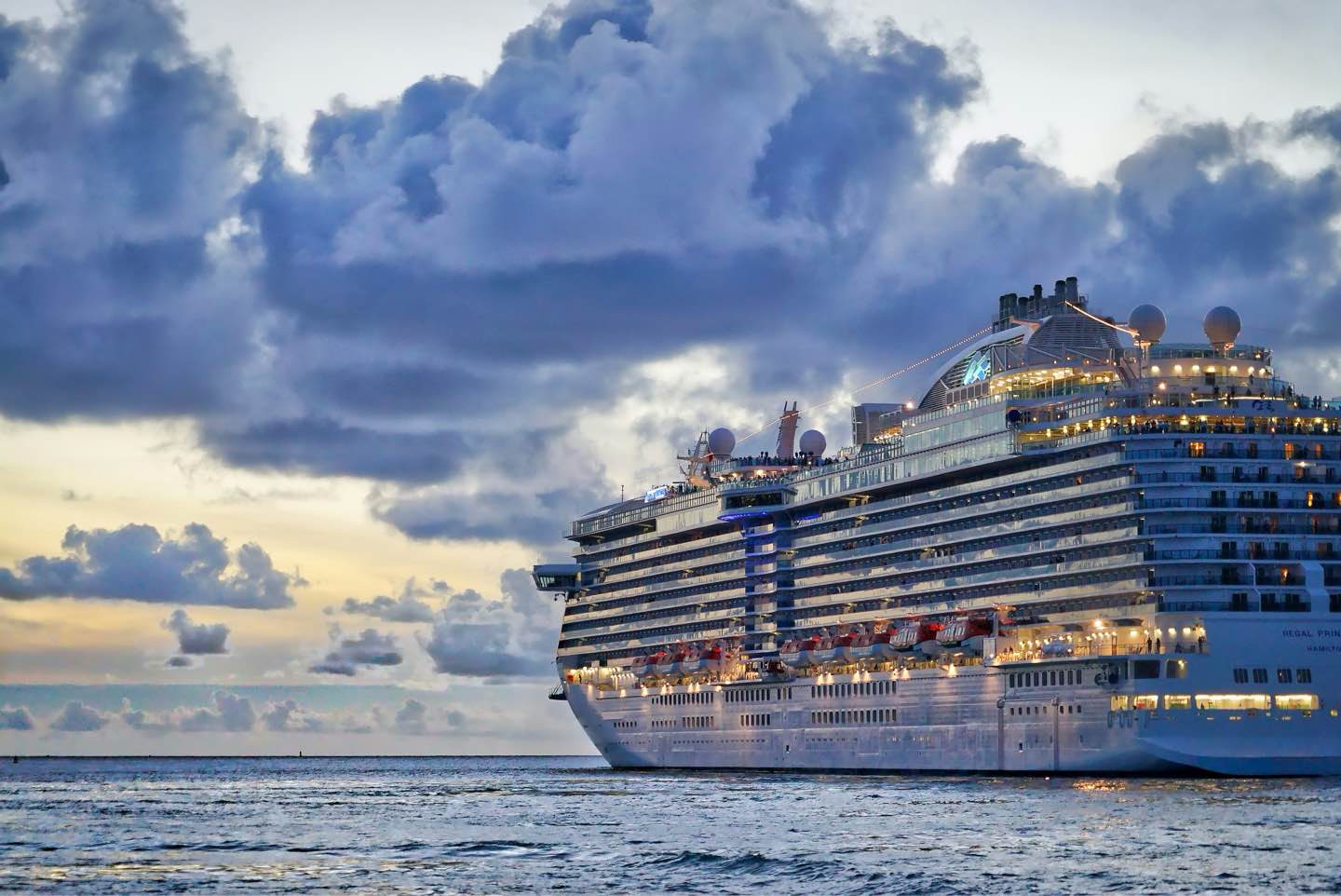
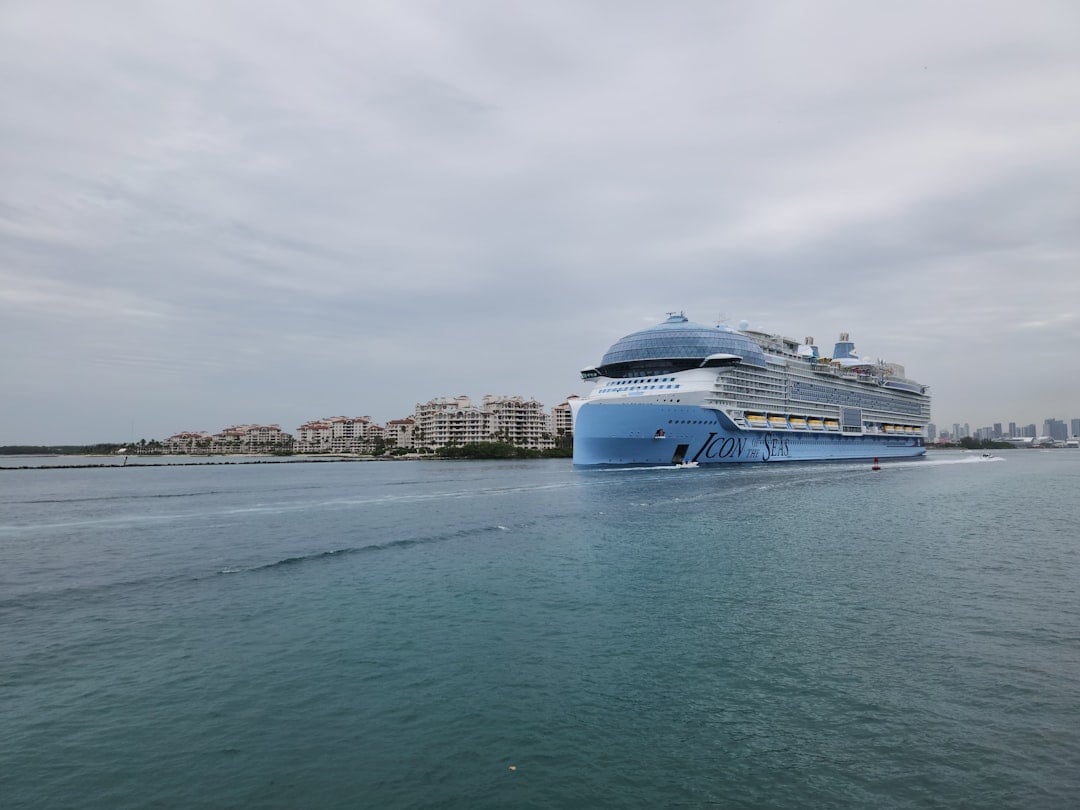
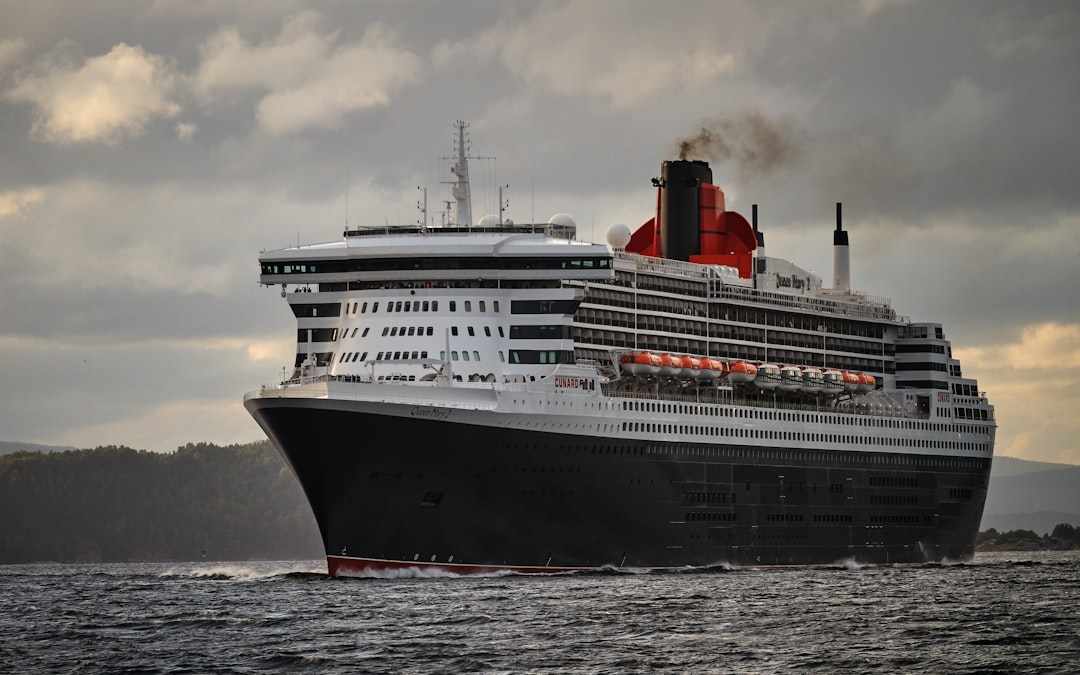
Cruise ships account for a substantial subset of those affected, with roughly 5,000 to 7,000 passengers and crew stranded on vessels including the MSC Euribia, Mein Schiff 4, and Mein Schiff 5, German officials said.
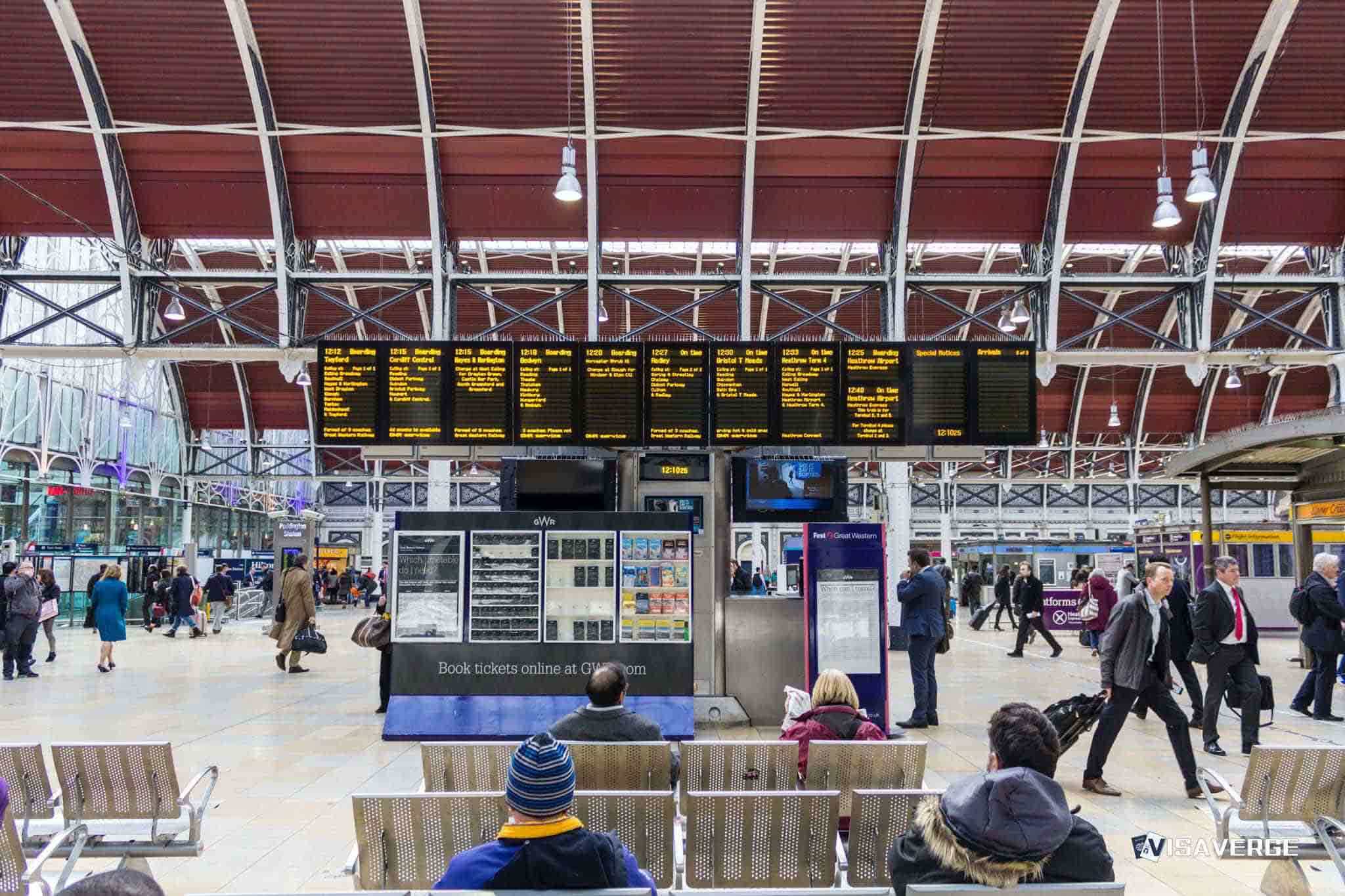
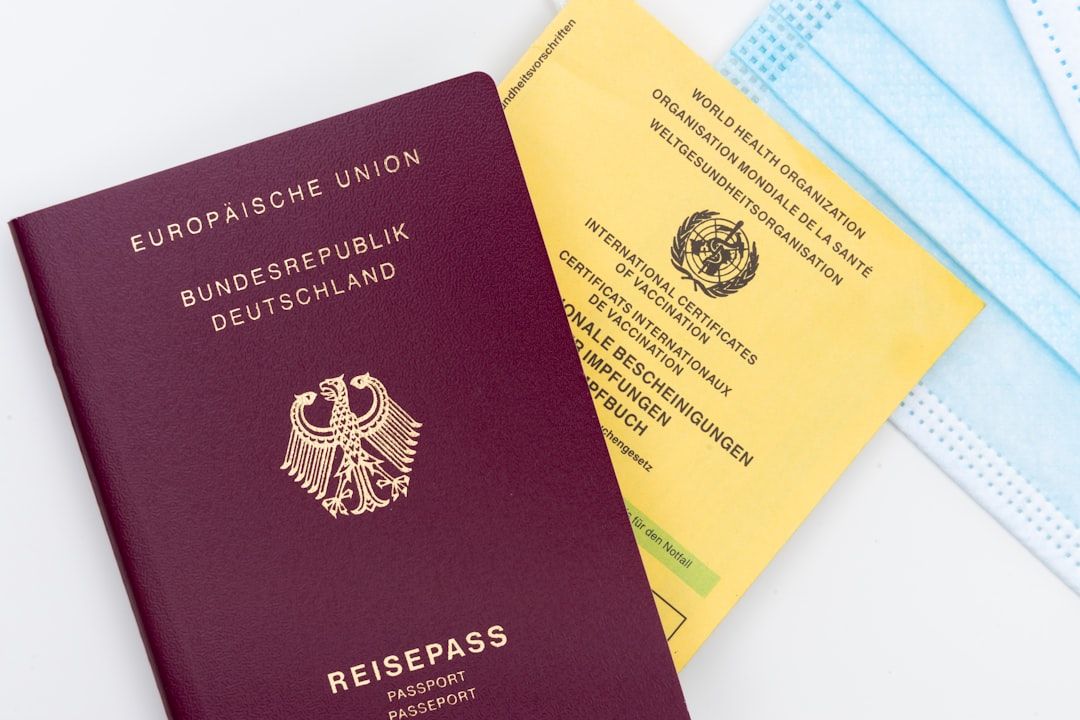
Other Germans have been forced into extended stays in hotels or remain stuck at airports as connections unravel, adding to demand for rebooking support, emergency documentation and guidance on whether transit routes remain usable.
Cruise logistics have complicated repatriation planning because ships operate on fixed manifests and must secure port clearances, berthing permissions and onward travel arrangements for large groups at once.
For some passengers, the next step depends on whether authorities allow disembarkation in a secure window and whether enough seats can be assembled quickly on outbound flights, rather than on normal commercial rebooking.
Airport and hotel holdovers face a different problem: canceled connections and disrupted hub operations can strand individuals in smaller groups across multiple locations, each with different local rules, flight availability and screening procedures.
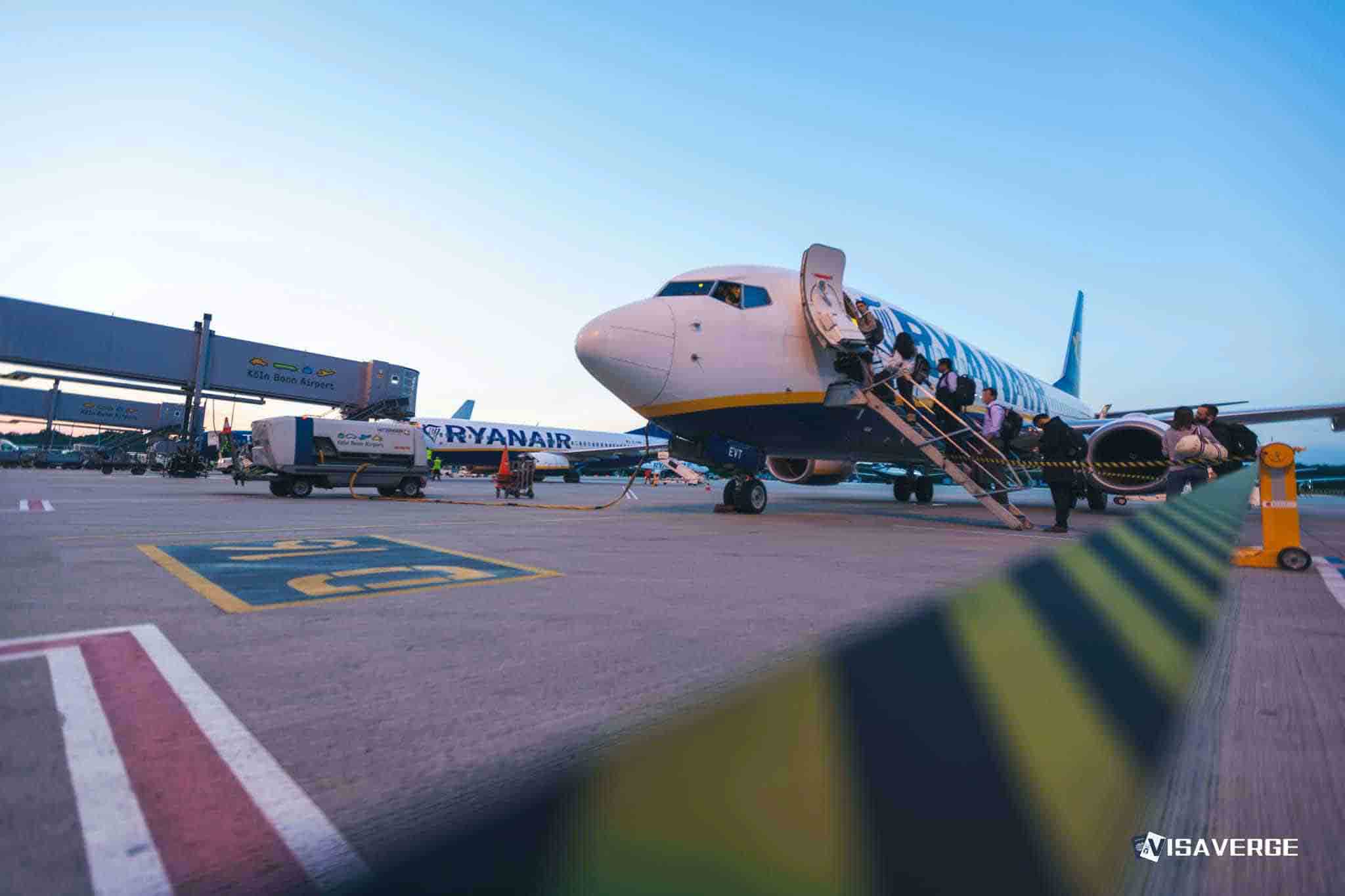
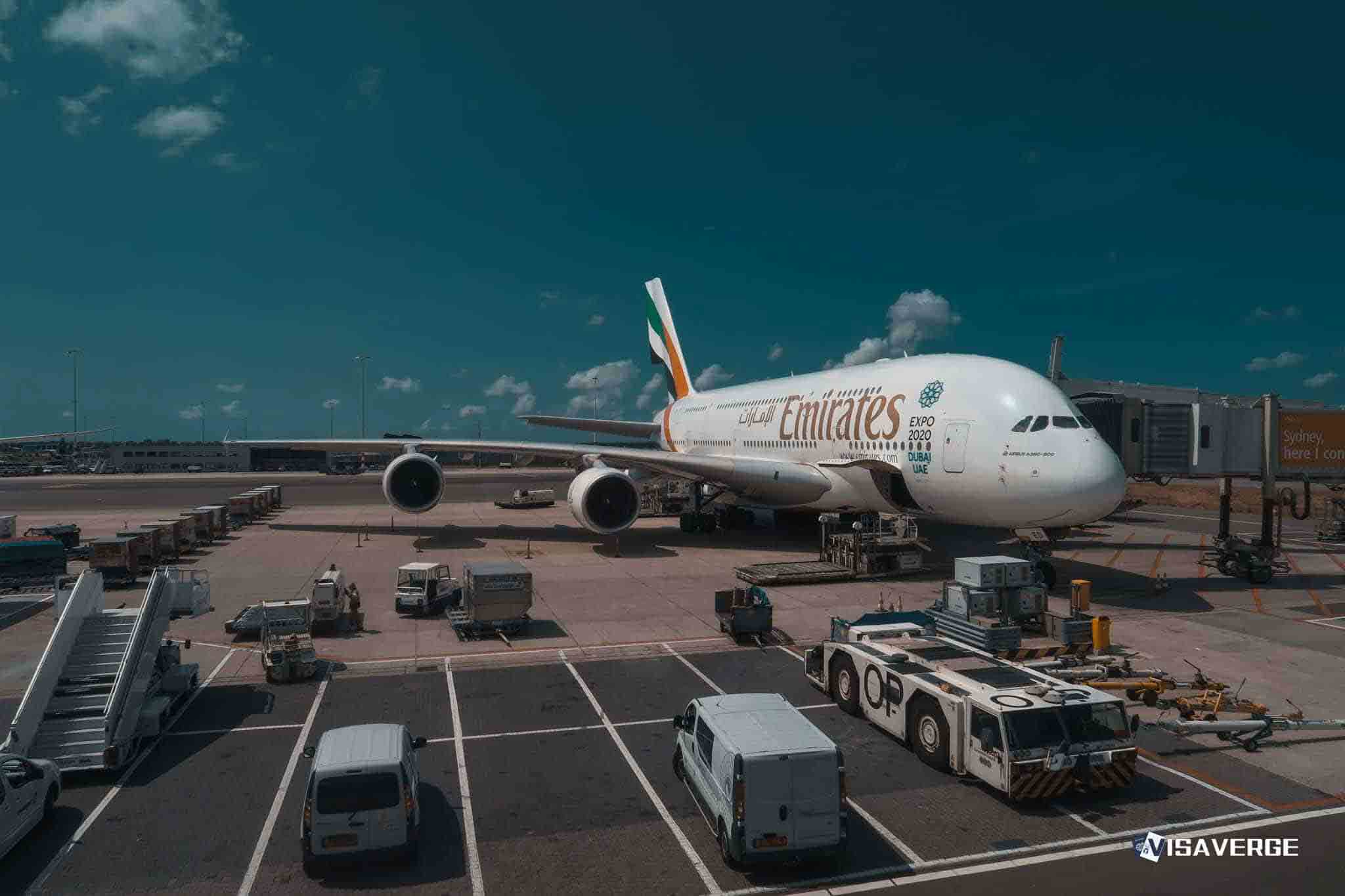
Berlin’s approach has centered on moving people out through civilian aviation rather than a military evacuation, with charter flights coordinated through Lufthansa and TUI from airports that remain partially open, including Riyadh in Saudi Arabia and Muscat in Oman.
“Partially open” airports can still face limits that shape evacuation sequencing, including reduced slots, curfews and expanded security checks, forcing planners to stagger departures and adjust passenger call-ups at short notice.
Ports have also become shelter points, with some passengers waiting aboard ships until authorities clear the next step, while consular teams try to align ship movement, port permissions and flight schedules.
Priority has gone to “vulnerable groups,” including children, pregnant women, and the elderly, a policy that can move some people ahead in queues while leaving others waiting for later charter rotations.
U.S. security and immigration messaging has also formed part of the travel environment as people consider rerouting through available airports and ports of entry, particularly for mixed-nationality families and travelers who may need to transit via U.S.-linked screening systems.
On February 22, 2026, DHS Secretary Kristi Noem announced emergency measures tied to a partial department shutdown, saying: “The American people depend on this department every day, and we are making tough but necessary workforce and resource decisions to mitigate the damage. TSA and CBP are prioritizing the general traveling population at our airports and ports of entry.”
A DHS spokesperson, speaking in a February 20, 2026 statement on vetting and asylum policy amid the regional escalation, said: “The Trump administration is strengthening the vetting of asylum applicants and restoring integrity to the asylum and work authorization processes. prioritize those actually seeking refuge from danger.”
Separately, the State Department issued a “DEPART NOW” order on March 2, 2026 for Americans in 14 countries, including the UAE and Qatar, where many German cruise ships are docked. Assistant Secretary of State Mora Namdar said: “Due to safety risks, U.S. nationals currently in these countries are urged to depart immediately using available commercial transportation.”
German officials have treated military evacuation planning as constrained by airspace closures and rapidly changing risk assessments, putting more weight on what commercial carriers can fly and what airports and ports can support safely.
Civilian charter flights depend on coordination with airlines, airport authorities and local governments, with schedules vulnerable to sudden restrictions and to the challenge of assembling passengers who may be dispersed across hotels, ships and terminals.
The operational picture has included ports where ships remain berthed while passengers wait for clearance or for transport to airports that can accept charter traffic.
For cruise passengers, that can mean long periods onboard even after docking, with disembarkation timing dictated by security posture, documentation checks and local authorizations rather than by the ship’s original itinerary.
Ships have been “sheltering in place” at ports in Dubai, Abu Dhabi, and Doha, German officials said, reflecting a posture focused on keeping large groups in controlled environments while authorities evaluate movement.
Passengers on the MSC Euribia were told they must remain in port following “guidance of regional U.S. military authorities.”
Cruise lines and local officials have had to manage resupply and onboard services while passengers wait, because a ship that cannot safely resume its itinerary still must provide food, medical support and communications for thousands of people.
“Shelter in place” on a docked ship can also mean passengers face restrictions on leaving the vessel, even when it is technically in port, if authorities judge the surrounding area too risky or cannot process large-scale disembarkation.
The wider regional travel impact has extended far beyond German nationals, hitting major transit flows between Europe and Asia and straining short-notice capacity on alternative routes.
The closure of major hubs, including Dubai International, Abu Dhabi, and Doha, has paralyzed transit between Europe and Asia, forcing airlines and passengers to seek longer routings or wait for limited seats from airports still operating.
German authorities have described the situation as the most severe disruption to global travel since the 2020 pandemic, a benchmark that reflects both the scale of affected travelers and the speed with which normal transit corridors closed.
For individuals in hotels, the immediate concern has been extending stays as flights disappear from booking systems and airlines revise schedules, sometimes leaving travelers unsure whether they should move to other cities or stay put.
Regional governments have taken some measures to manage the hotel burden; Abu Dhabi has offered to foot the bill for stranded guests, German officials said.
Many travelers have faced fear and uncertainty, with passengers on ships in the Gulf reporting hearing explosions and being restricted from disembarking due to security risks, German officials said.
As the timeline of government orders and statements shaped choices, Wadephul’s March 2 framing of a military evacuation as a last resort set expectations that charters and commercial options would be the main pathway out.
The State Department’s March 2 “DEPART NOW” order for Americans in 14 countries also fed into decision-making for shared transit routes, particularly where U.S. nationals and Europeans compete for scarce seats and where families of mixed nationality must coordinate plans.
DHS messaging in late February on airport and port priorities and on vetting and asylum processes added another layer for travelers weighing reroutes, even when their immediate goal was simply to transit to Europe on available commercial transportation.
German officials have urged stranded travelers to treat official orders and verified alerts as the basis for decisions, rather than rumors and social media claims that can spread quickly during fast-moving security events.
As the situation changes, travelers have been advised to check official postings for timestamps and country-specific updates, particularly when airports operate with intermittent restrictions or ports shift disembarkation rules.
U.S. agencies provide updates through the DHS newsroom and immigration-related postings, including the DHS Newsroom and the USCIS Newsroom.
Americans and other travelers monitoring security conditions in Saudi Arabia can also check alerts from the U.S. Embassy in Saudi Arabia, including notices that can affect transit planning.
German nationals seeking updated repatriation guidance and official travel instructions can consult the German Foreign Office, the Auswärtiges Amt, as consular teams continue to assemble flight lists and coordinate movements from ships, hotels and airports.