- Cruise operators held six ships in Gulf ports following missile alerts and regional air and sea disruptions.
- Passengers aboard Mein Schiff 4 witnessed a missile strike the water near the Abu Dhabi harbor on Sunday.
- Airlines and cruise lines canceled multiple departures as Iranian-led hostilities led to widespread regional airspace closures.
(DOHA, QATAR) — Cruise operators kept six ships in port across Doha, Dubai and Abu Dhabi as passengers received missile alerts on their phones and local authorities issued civil defence instructions amid escalating hostilities in the Gulf.
Passengers aboard several vessels reported being told to stay indoors, avoid outside decks and keep away from windows, as disruptions to airspace and shipping lanes complicated any plans to fly home or move the ships onward.
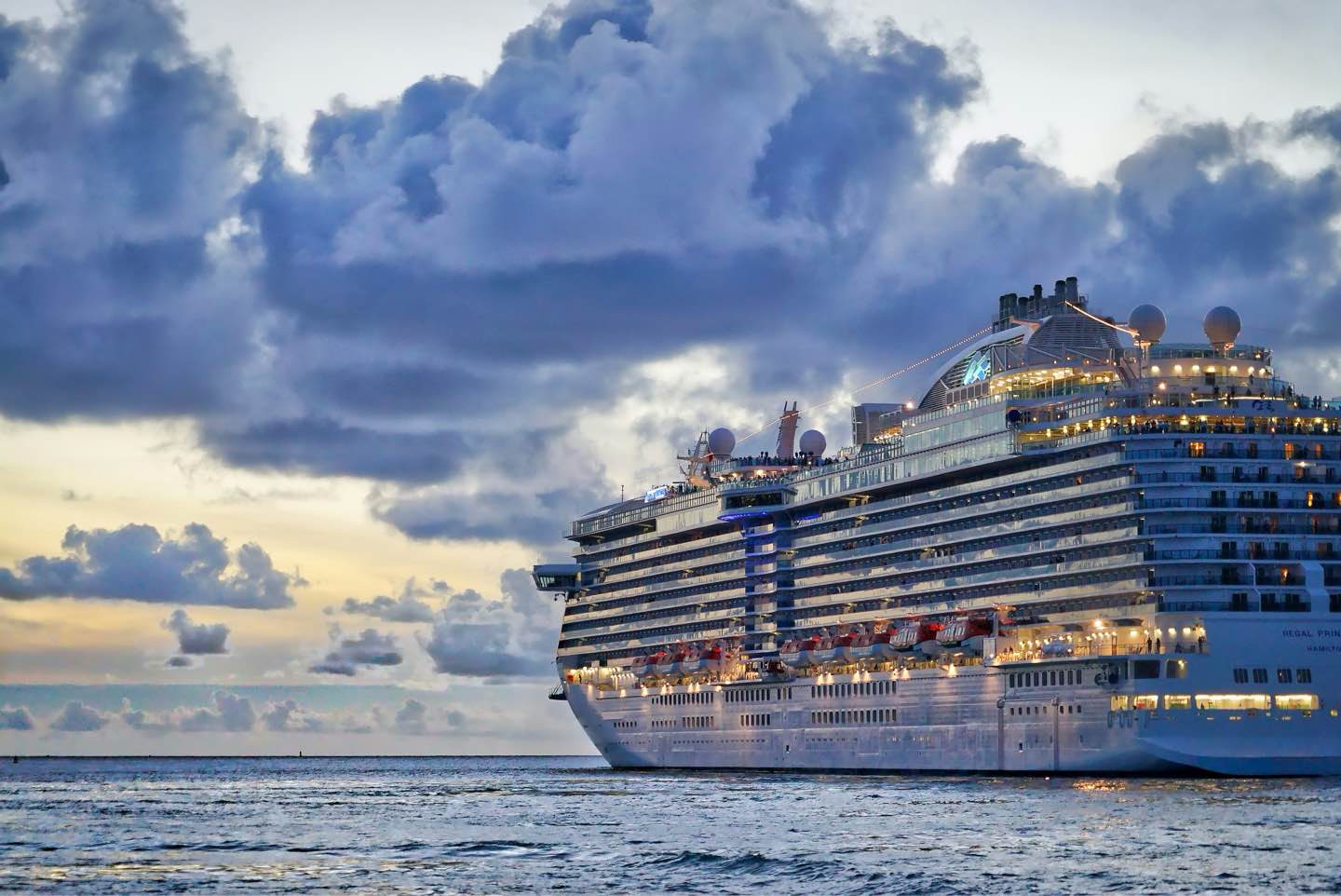
Mein Schiff 5, operated by TUI Cruises, remained docked in Doha harbor, where passengers reported shelter-in-place style guidance tied to Qatar Civil Defence warnings that arrived intermittently on smartphones as missile alerts.
Across the region, operators canceled some sailings and delayed others while they waited for port clearances and assessed risk, leaving travelers uncertain about when they could disembark, reach airports, or connect to flights that still operated.
The wider disruption followed escalating Middle East hostilities that included Iranian attacks on US bases and closed airspace, the source content said, with continuing explosions in Gulf cities as of March 2 after US-Israeli attacks Saturday prompted Iranian responses.
Ports became holding points as cruise lines adjusted itineraries around shifting instructions from local authorities and security guidance, producing different outcomes ship by ship even within the same city.
In Doha, Mein Schiff 5 passengers described tightened onboard restrictions. Some travelers tried to leave by air on Saturday but waited 10 hours at the Bomb Alarm“>airport before returning to the ship without luggage, the source content said.
TUI Cruises said it was monitoring the situation closely and contacting authorities, while maintaining safety measures that passengers said included staying inside and away from windows during alerts.
In Abu Dhabi harbor, Mein Schiff 4 carried about 2,500 passengers and 1,000 crew, the source content said, as travelers reported a nearby-water incident on Sunday afternoon in which a missile struck the water and produced black smoke.
No injuries were reported from the near-miss around Mein Schiff 4, the source content said, while sailings on the vessel were canceled as operators took a more cautious posture.
Dubai’s Port Rashid also held ships as lines weighed onward movements against air and sea constraints. MSC Euribia stayed at Cruise Terminal 3 under MSC Cruises, with the March 1, 2026 sailing from Doha canceled, the source content said.
MSC said it prioritized safety based on US military advice and coordinated with embassies for nationals, the source content said, reflecting the reliance on official guidance as operators managed large numbers of international passengers.
Celestyal Cruises kept Celestyal Journey in Doha until at least March 7, the source content said, after canceling a March 2 Dubai departure and giving passengers the option to stay onboard or disembark in Doha.
Celestyal Discovery operated in the Dubai and Abu Dhabi area, with a March 2 Abu Dhabi departure canceled, while disembarkation was blocked by local authorities pending approval, the source content said.
Aroya Cruises kept Aroya in Dubai under a precautionary posture, the source content said, as the operational reality for multiple ships became waiting for permissions and safe corridors rather than following published itineraries.
Onboard conditions varied, passengers reported, but recurring themes included restricted access to outer decks and instructions to remain indoors during periods of heightened alert.
The security posture on Mein Schiff 5 centered on limiting exposure to windows and open areas as missile warnings arrived on phones, with passengers describing an atmosphere shaped by the unpredictability of alerts and the uncertainty around onward travel.
Operators framed their decisions as safety-first and tied to coordination with authorities, while the experience for many travelers became a cycle of waiting for updates, coping with changes to plans, and trying to secure flights in a region facing widespread disruption.
Even when passengers managed to reach airports, cancellations and congestion made progress difficult. The source content described the 10-hour wait experienced by travelers who attempted to depart Saturday from Doha before returning to Mein Schiff 5 without luggage.
The constraints extended beyond any one port. The source content said the Strait of Hormuz was closed to shipping except for China/Russia-linked vessels, limiting routing options and forcing a more conservative approach to ship movements in and out of the Gulf.
Air travel proved equally uncertain. Airspace over Iran, Iraq, Israel, and Persian Gulf areas including Doha, Abu Dhabi and Dubai remained closed or restricted, the source content said, contributing to canceled flights and stranding air travelers.
Those closures had knock-on effects that cruise passengers felt immediately, as limited seats on remaining flights, schedule changes, and airport congestion narrowed options for people trying to leave the region quickly.
The lack of clear timelines for reopening routes compounded uncertainty for passengers and crew. The source content said there were no clear evacuation timelines and cruise lines warned of imminent updates, reflecting how quickly conditions could change.
Cruise line responses ranged from cancellations to flexible options depending on the itinerary outcome and the permissions available. Celestyal offered full refunds or future cruise credits, the source content said.
Those offers intersected with practical constraints that left many travelers with few immediate choices, including whether disembarkation was allowed, whether hotels were available if they left the ship, and whether flights could be booked amid regional airspace restrictions.
Canceled sailings also created pressure on future schedules, as disruptions rippled forward and reduced certainty for passengers due to embark later, while delayed departures posed different questions about compensation and logistics depending on how long a vessel remained held.
The difference mattered to passengers trying to decide whether to stay aboard. A canceled sailing could mean the trip ended early with refund or credit options, while a delayed departure could keep travelers on the ship longer without clarity on the next port call.
Thousands of passengers remained stranded across the six ships, the source content said, as operators balanced crew welfare, port instructions and security guidance against the desire of travelers to return home.
For travelers still onboard or awaiting disembarkation approval, the immediate steps centered on tracking official updates rather than relying on informal reports. Cruise lines continued to issue notices on schedule changes and disembarkation instructions as conditions shifted.
Passengers also monitored local authority advisories, including Qatar Civil Defence alerts in Doha, while checking embassy or consulate updates for their nationality as airlines and airports adjusted operations around closed or restricted air corridors.
With movement in and out of ports constrained and flight availability uncertain, travelers prepared for extended disruption by keeping documentation ready, planning for accommodation needs if disembarking became possible, and considering alternative routing as soon as seats opened.
Port clearances and airspace restrictions can change quickly and may reverse, the source content indicated, leaving passengers across Doha, Dubai and Abu Dhabi in a holding pattern shaped by missile alerts, shifting permissions, and the pace of regional developments.