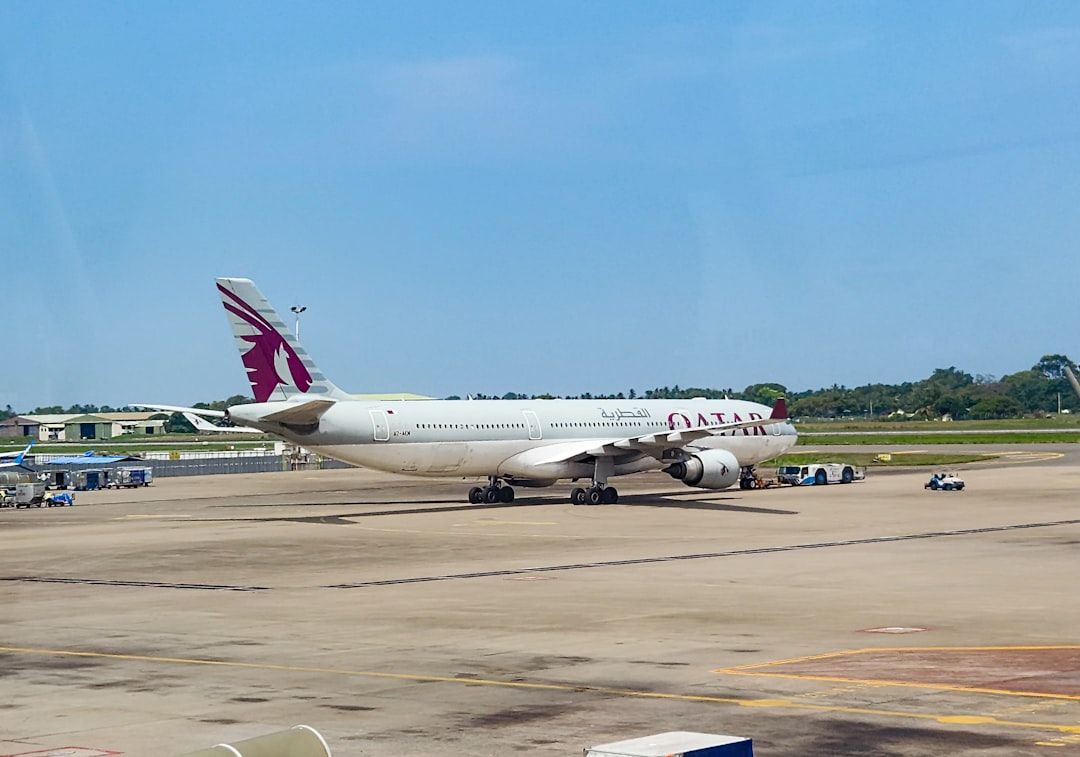
- Qatar Airways suspended all flight operations for a fourth consecutive day due to regional airspace closures.
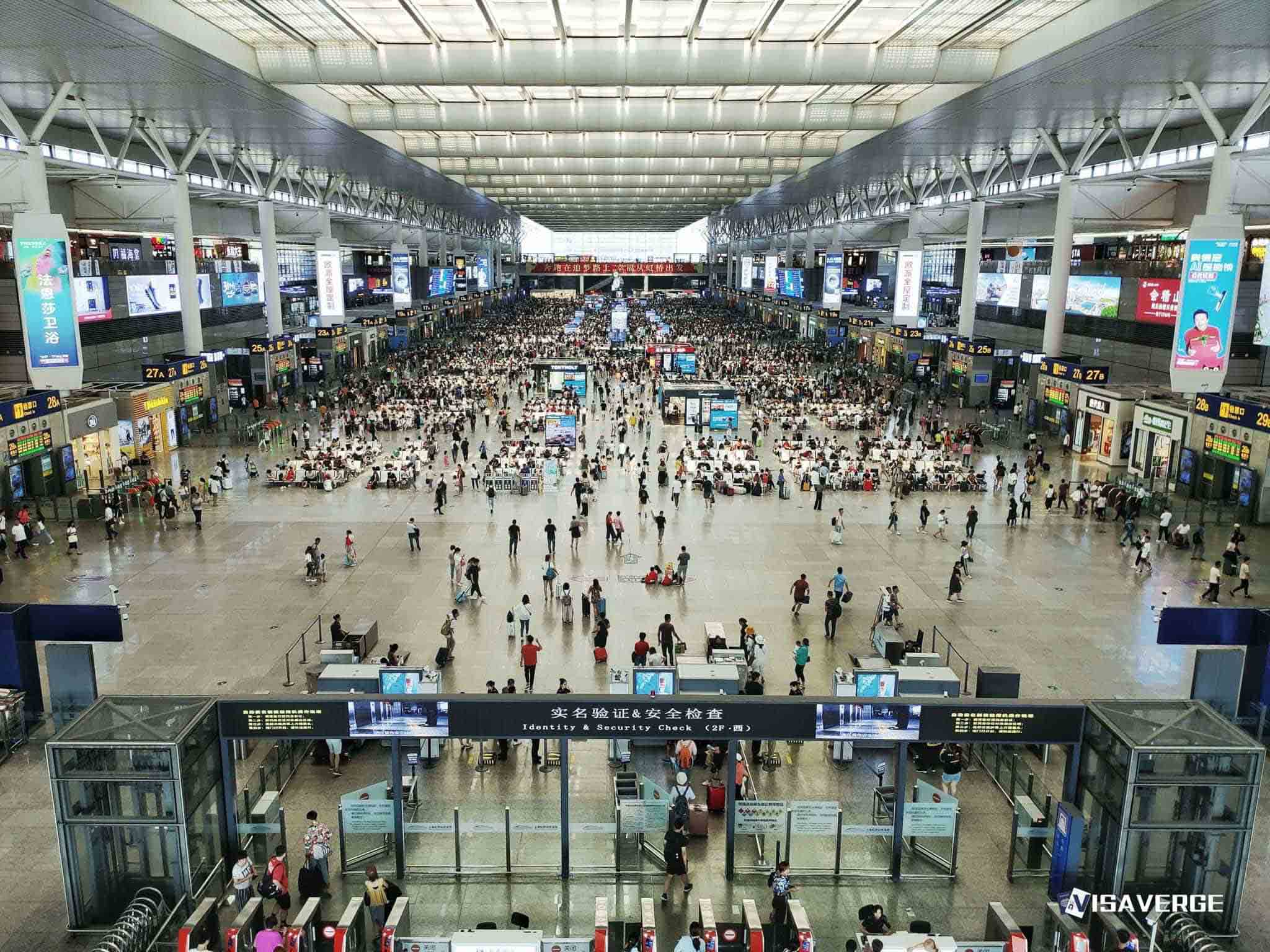
- Approximately 8,000 transit passengers remain stranded inside Hamad International Airport awaiting updates and new itineraries.
- Regional military tensions and reported attempted attacks on the airport have forced widespread cancellations across multiple carriers.
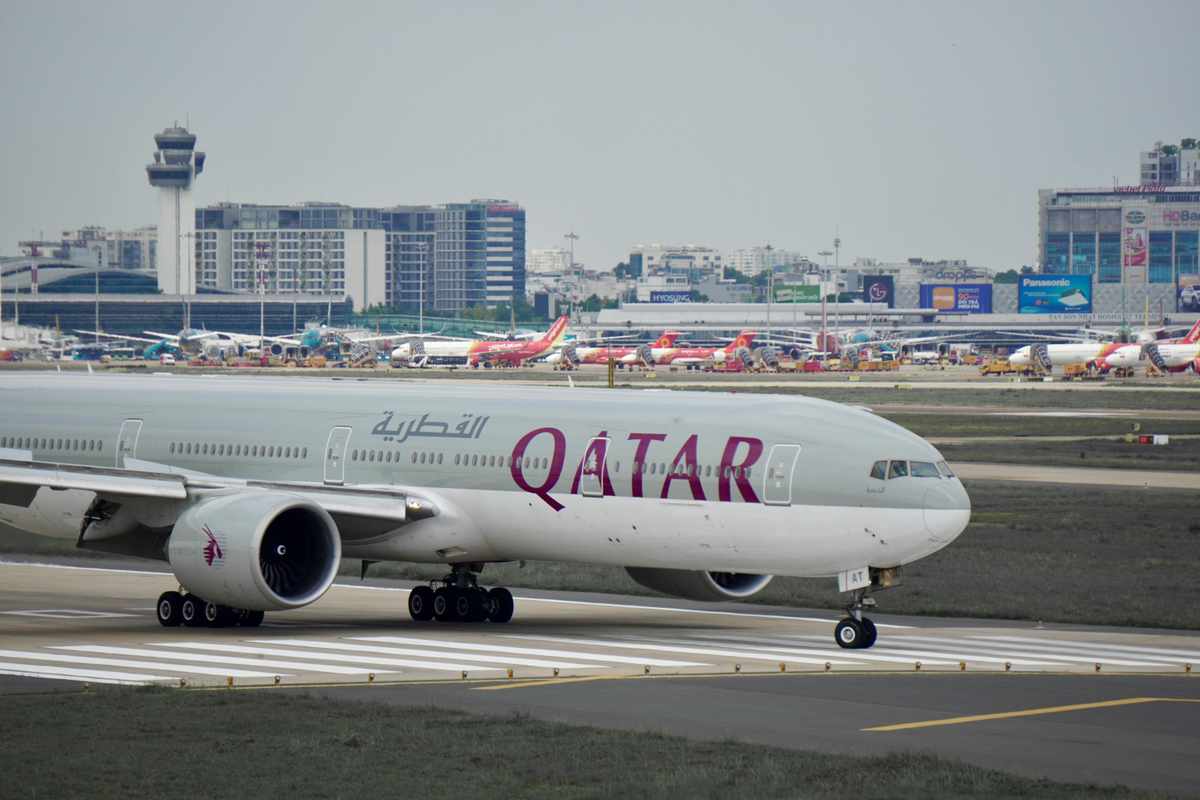
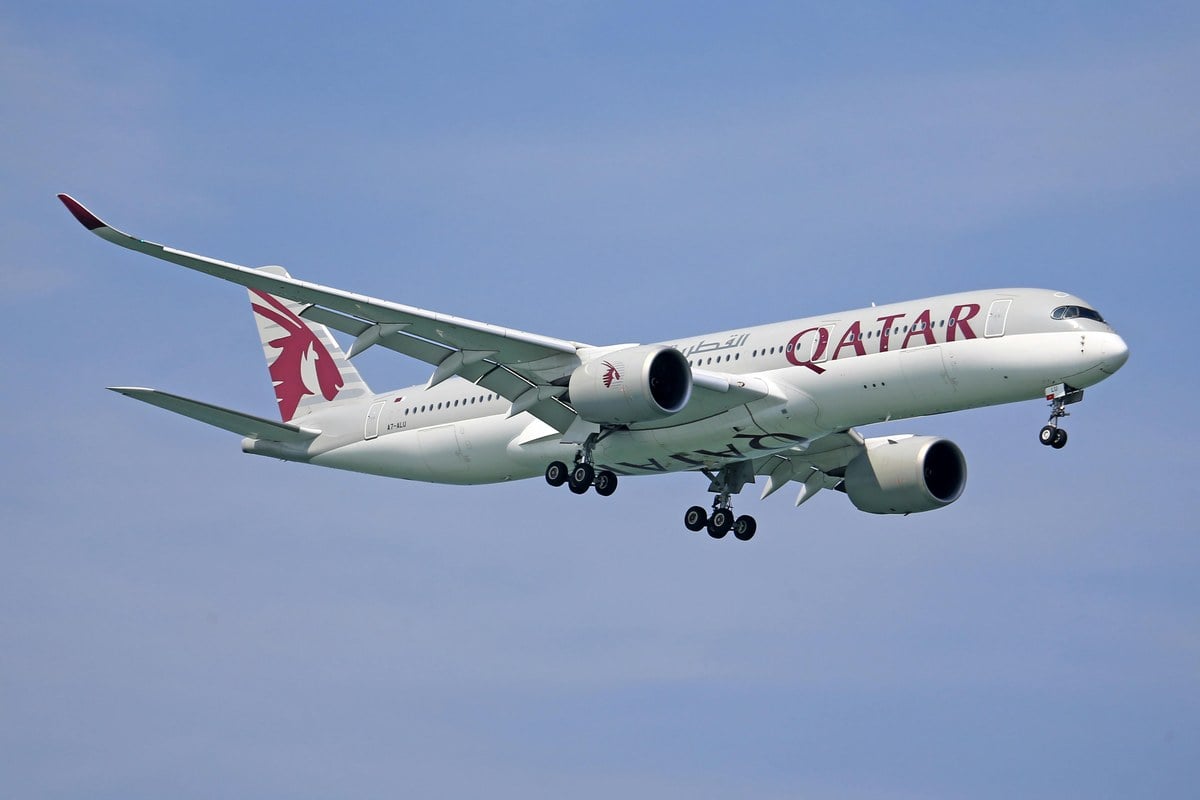
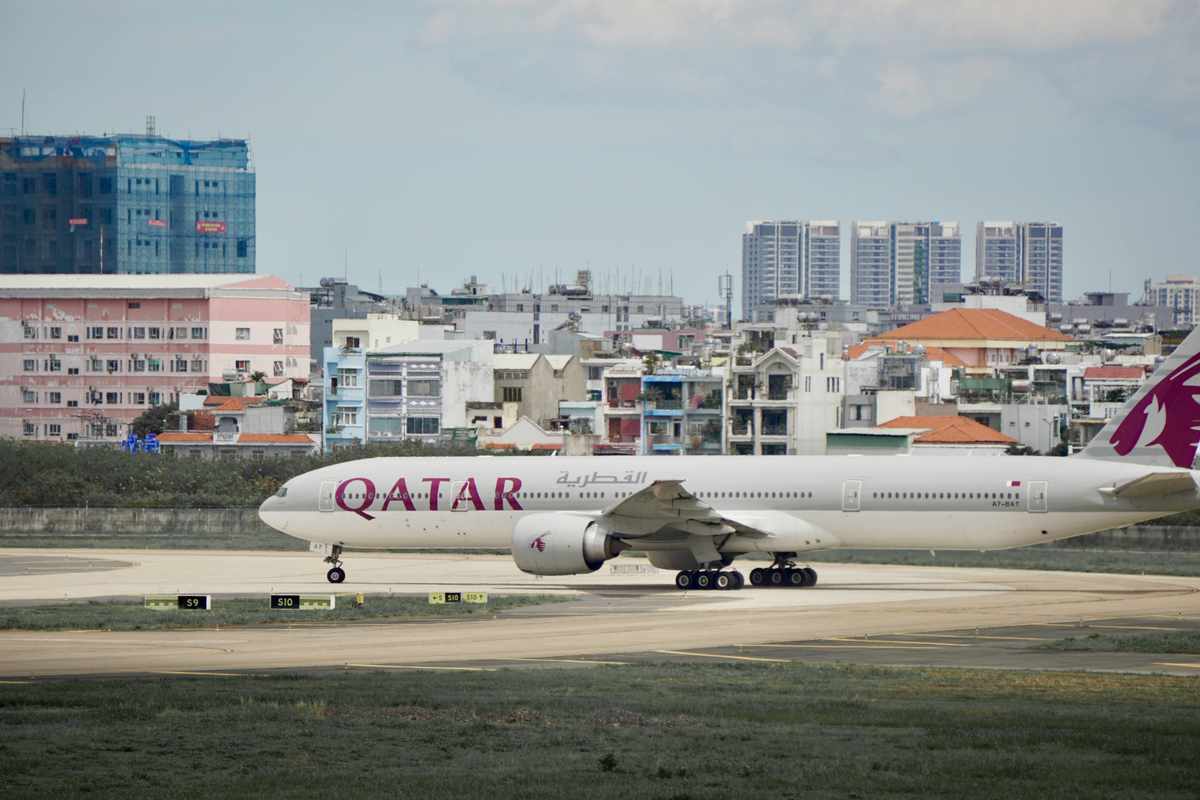
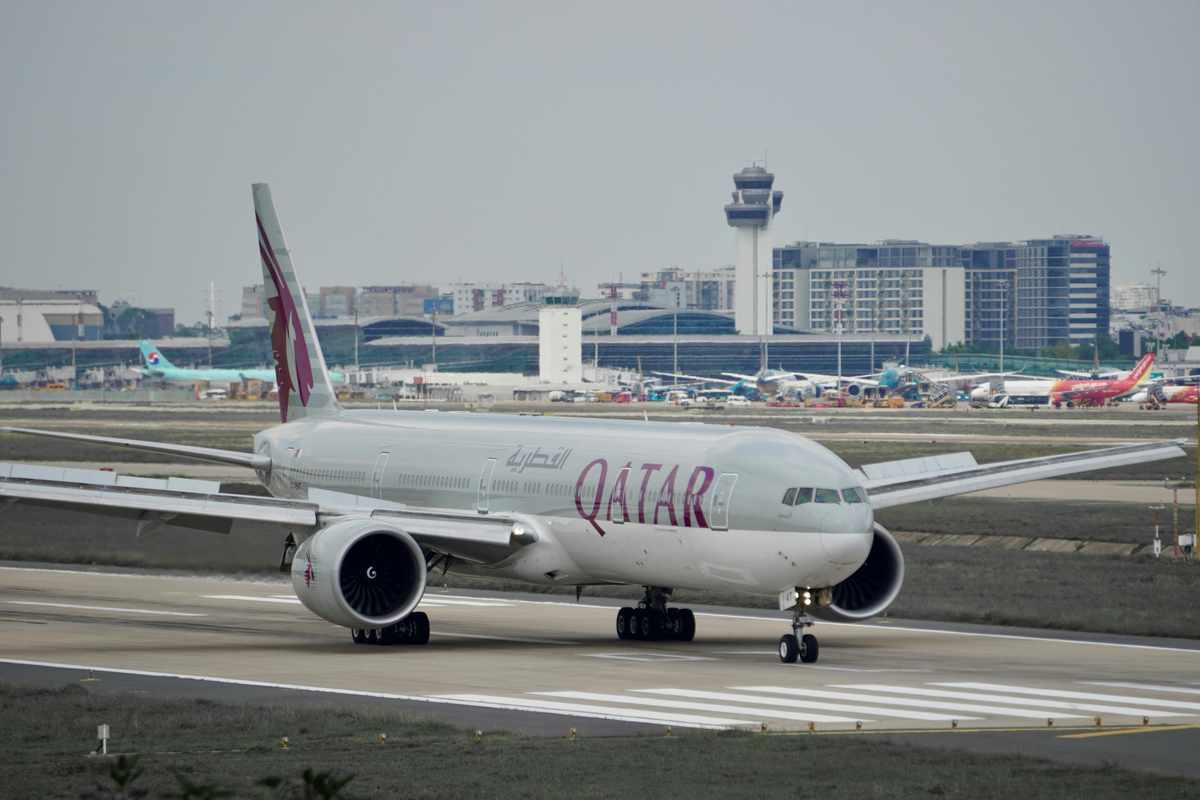
(DOHA) — Qatar Airways suspended all flight operations temporarily as the closure of Qatari airspace entered its fourth day on Tuesday, leaving thousands of transit passengers stuck inside Hamad International Airport and forcing many to miss onward connections.
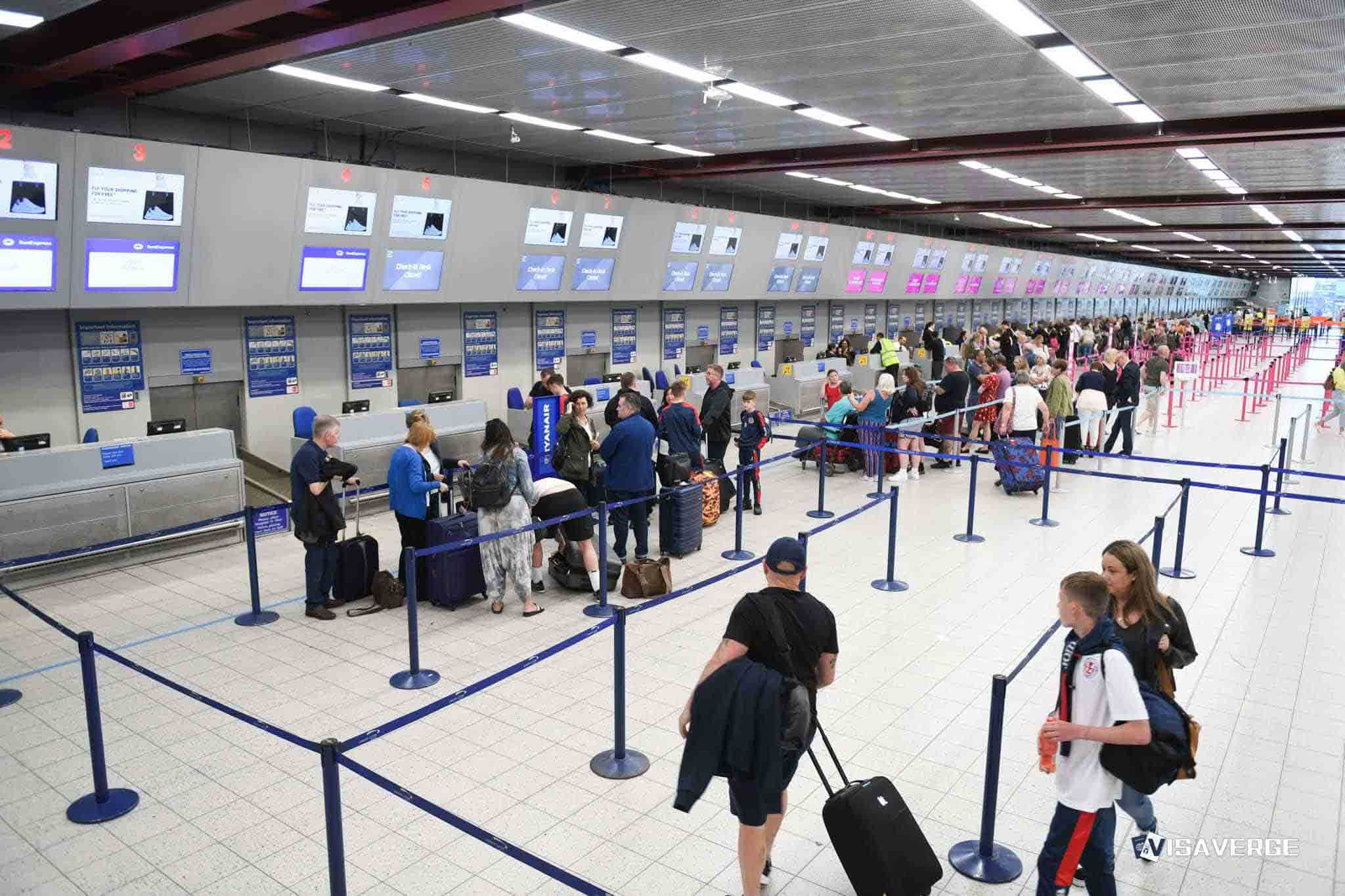
Airport staff and airline teams faced growing queues as travelers sought new itineraries, hotel help and updates, while the airspace situation remained unresolved and no reopening date had been announced.
Travelers transiting through Doha said the shutdown quickly cascaded across long-haul and regional schedules, as aircraft and crews ended up out of position and connecting banks of flights failed to line up.
As of March 3, 2026, approximately 8,000 transit passengers remained stranded at Hamad International Airport, and Qatar’s Foreign Ministry confirmed nearly 8,000 people were stranded in transit.
The airspace closures across Qatar, UAE, and Saudi Arabia stem from regional military tensions, including Iranian counter-strikes following a US-Israel attack on Iran that killed Supreme Leader Ayatollah Khamenei and other key figures.
Qatar’s Foreign Ministry also confirmed reported failed attempts to attack Hamad International Airport, and said no direct communication with Iran is ongoing.
The disruptions left Doha’s hub operation constrained because most Qatar Airways passengers pass through Hamad International Airport to connect, making transit passengers especially vulnerable when airspace closures cut off inbound and outbound flows.
Qatar Airways directed passengers to check qatarairways.com or its mobile app for updates, while warning that high call volumes meant longer wait times and urging customers to contact the airline only if traveling within 48 hours.
The carrier said it would provide its next update on March 4 by 09:00 Doha time (06:00 UTC), pending clearance from the Qatar Civil Aviation Authority.
For travelers holding confirmed bookings between February 28 and March 10, 2026, Qatar Airways offered complimentary date changes up to 14 days from the original travel date, and a full refund of unused ticket value.
Passengers who booked through agents or other third parties were told to handle changes through those channels, as airline staff managed competing demands from disrupted itineraries, re-accommodation requests and questions from people stuck in transit.
The airline also pointed stranded passengers to Doha-specific FAQs on its site, as crowds inside the airport sought clear instructions on where to wait, how to confirm new bookings and when to approach service desks.
Other carriers across the region introduced their own limits as they responded to airspace restrictions and the surge of disrupted travelers, adding to uncertainty for people trying to reroute around closed corridors.
Etihad restricted airport access to those with confirmed tickets and advised passengers to check etihad.com, while Oman Air canceled flights to and from Amman, Dubai, Bahrain, Doha, Dammam, Kuwait, Copenhagen, Baghdad, and Khasab and warned delays were possible on other services.
Some governments and airlines also arranged relief flights to move stranded nationals, including SpiceJet scheduling four special flights from Fujairah (UAE) to Delhi, Mumbai (two flights), and Kochi on March 4 for stranded Indian nationals.
The knock-on effects extended beyond the Gulf, with at least 12 Qatar Airways and Emirates flights to and from São Paulo/Guarulhos (GRU) canceled or turned back since February 29, stranding hundreds and triggering hotel vouchers and rebookings via partners like TAP.
Inside Hamad International Airport, the scale of the disruption became visible in video footage from March 1 showing large crowds of stranded travelers, many of them transit passengers waiting for fresh routing options as airline and airport teams worked through backlogs.
For passengers currently stuck in Doha, the airline and authorities urged people to await direct airline contact when possible, use official channels for updates, and avoid heading to the airport or secure areas without confirmed travel details because access is restricted.
Airlines warned the situation remained fluid amid ongoing regional closures, meaning reroutes and timings could change quickly even after new reservations appear in booking systems, leaving transit passengers to balance flexibility with the need to secure scarce seats out of Doha.