- Schengen visa applications in China rose by 20% during the first quarter of 2026.
- Outbound Chinese travel is projected to surpass 2019 levels this year, reaching up to 175 million trips.
- Popular destinations include Italy, Germany, and the US, driven by study, business, and family visits.
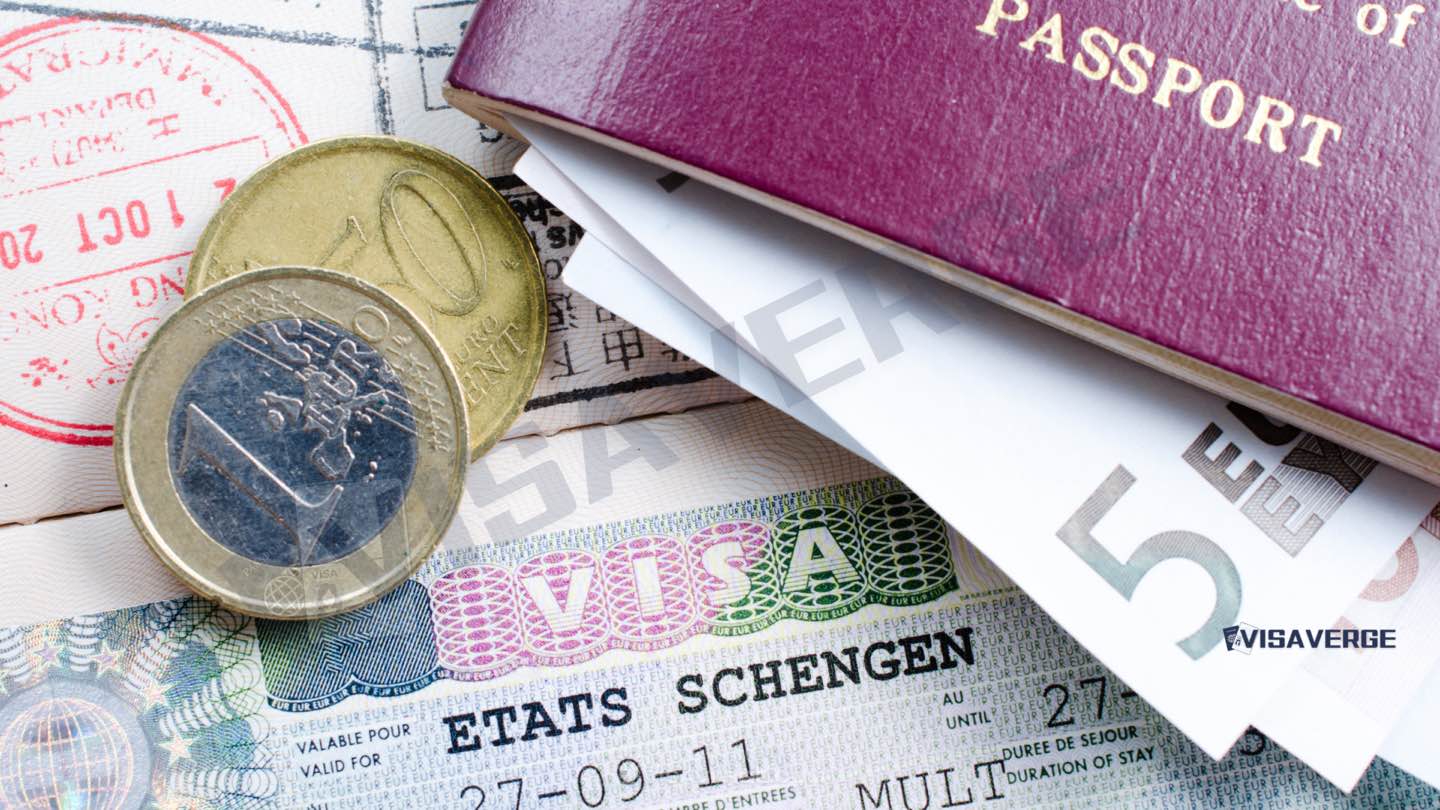
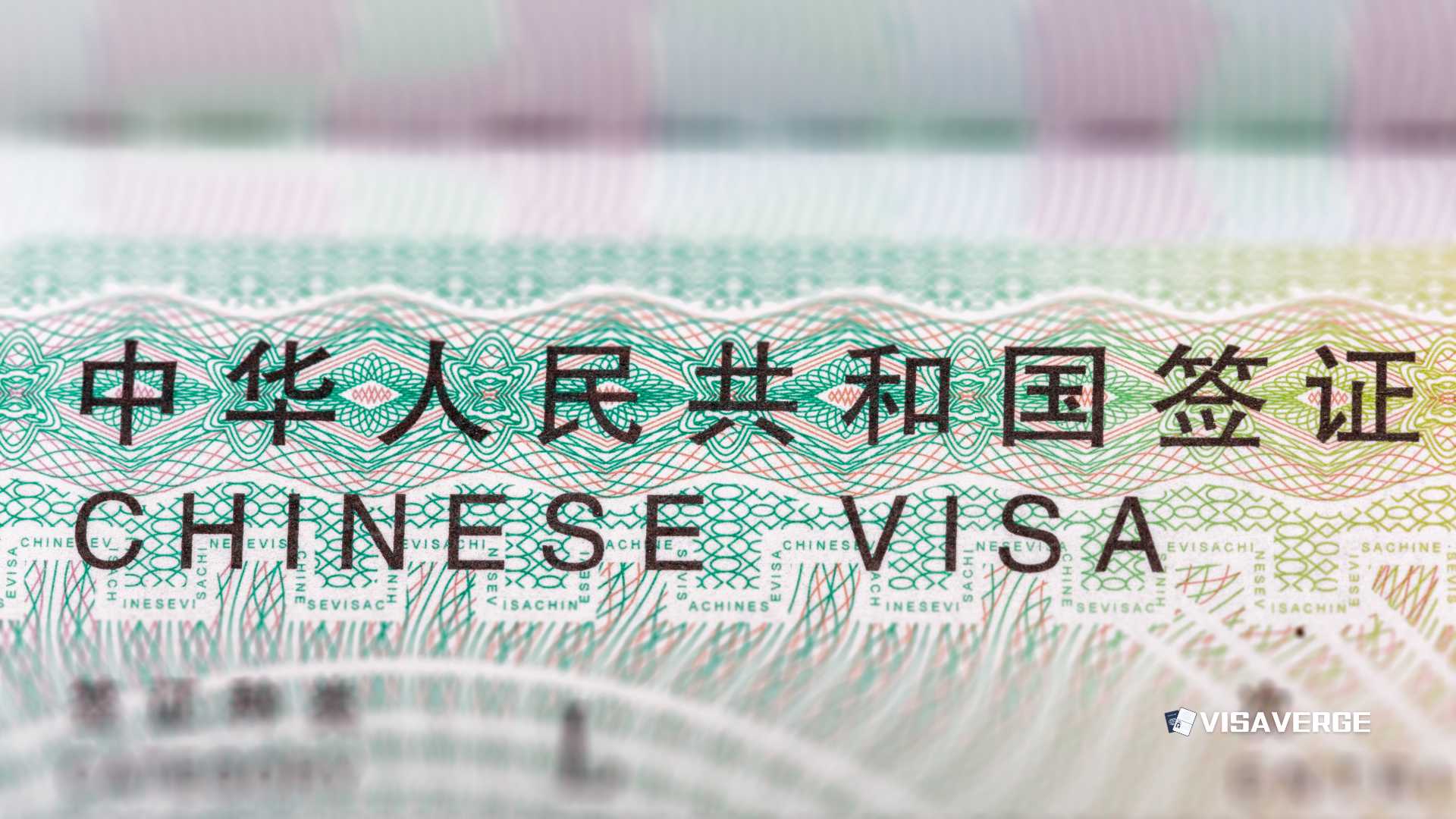
(CHINA) — VFS Global processed a 20% year-on-year surge in Schengen visa applications in China in the first quarter of 2026, part of a wider rebound that has pushed visa demand close to pre-pandemic levels as Chinese outbound travel accelerates.
Simon Peachey, chief operating officer for Asia Pacific at VFS Global, said the Chinese market’s overall performance this year is expected to surpass 2019 levels after steady increases in applications through the opening months of 2026. The rise in Schengen visa applications stood out inside that broader recovery.
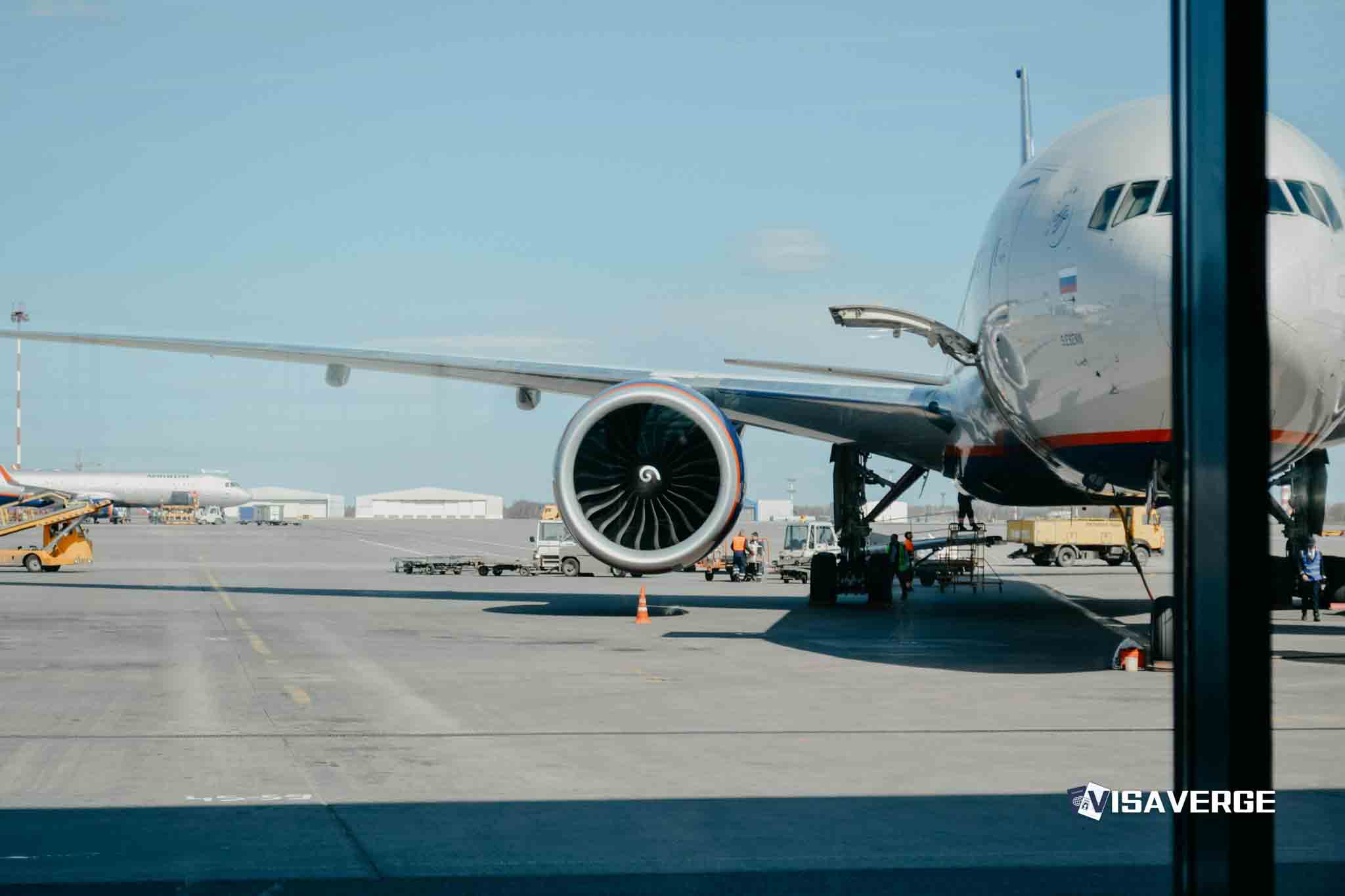
Application demand has tracked a wider return of outbound mobility. China’s outbound tourism market has rebounded strongly in 2026, with first-quarter visa volumes nearly back to where they stood before the pandemic interrupted international travel flows.
Chinese travelers have concentrated on a mix of long-haul study, family and business routes. Top destinations included Canada, Germany, Italy, Switzerland, the United Kingdom, and the United States, with Italy posting particularly strong growth while Germany held steady.
That mix of destinations points to a market driven less by one-off leisure travel than by several durable categories of demand. Study abroad remains active, family visits continue to support repeat travel, and business trips are adding to visa processing volumes handled by VFS Global in China.
Mainland Chinese travelers are projected to take 165-175 million cross-border trips in 2026, up from an estimated 155 million in 2025. Those trips include travel to Hong Kong, Europe and Africa, alongside shorter regional routes that have regained momentum more quickly.
South Korea, Vietnam and Thailand rank among the destinations driving that growth, helped by convenient connections and established appeal with Chinese tourists. Policy changes have widened the field further, with Russia offering visa-free entry from December 2025, Turkey introducing visa-free access in 2026, and Cambodia planning a waiver from June-October 2026.
James Chin, professor of Asian studies at the University of Tasmania, said the spread of visa-free policies and adventurous Chinese travel agencies are fueling the next phase of outbound growth. Those forces are working alongside rising traveler confidence after the sharp recovery seen over the past two years.
The annual visa rush has already begun. Peak application season runs from March to September, and pressure typically intensifies from April as travelers prepare for summer departures, university schedules and family visits.
Applicant expectations are also changing as volumes return. Demand has shifted toward efficiency and experience, particularly among high-frequency business travelers, transnational families and young high-net-worth individuals, groups that tend to value speed, convenience and predictable processing windows.
China’s rebound fits a wider global tourism recovery that has moved close to a full reset. UNWTO forecasts international tourist volume will recover to more than 95% of pre-pandemic levels in 2026, with Chinese outbound travel expected to provide a large share of the extra demand still needed to close that gap.
Holiday traffic inside China’s border system has already reflected that momentum. During the Qingming holiday from April 4-6, 2026, authorities processed 6.78 million border crossings, or an average of 2.26 million a day, up 9.1% from 2025, with leisure travel leading the increase.
First-quarter numbers were larger still. China recorded about 185 million cross-border passenger movements in Q1 2026, a 13.5% year-on-year increase, while foreign arrivals rose by more than 20%.
Those figures suggest the rebound is not confined to outbound Chinese demand. The same system handling more Chinese residents leaving the country is also processing a growing number of foreign arrivals, reinforcing the broader recovery in international movement through China.
Peachey described China as one of the world’s “most resilient outbound markets,” even as the industry contends with Middle East conflicts and rising aviation fuel costs. Chinese carriers have responded by diversifying their networks, a move that has helped sustain traffic despite higher operating pressure and geopolitical strain on some routes.
Recent growth built on an earlier jump in demand. Global outbound travel from China surged by nearly 400% across 2024-2025, and Chinese travelers made 130 million outbound trips in that period, giving airlines, consular services and visa processors a larger base from which 2026 could expand.
That earlier recovery now appears to be feeding a more settled pattern rather than a short burst of catch-up travel. Volumes are rising across study, business and family categories at the same time, while regional leisure routes and newly relaxed entry rules are widening the number of destinations competing for Chinese demand.
Italy’s stronger gains and Germany’s steadier performance also show how the rebound is unfolding unevenly across Europe, even with the overall increase in Schengen visa applications. Some markets are gaining from pent-up leisure and family demand, while others are drawing a more consistent stream tied to education and corporate travel.
The profile of travelers seeking visas helps explain why first-quarter processing has strengthened so quickly. High-frequency business travelers return repeatedly and often book close to departure, transnational families generate steady application pipelines around school calendars and holidays, and wealthy younger travelers are expanding demand beyond the traditional summer peak.
Timing matters for the companies that process applications and the governments that issue visas. With the busiest period running well into September, the rise seen in Q1 leaves room for volumes to climb further if current travel habits hold through summer and into the autumn education cycle.
Travel demand is also spreading beyond the best-known long-haul markets. South Korea, Vietnam and Thailand continue to benefit from short flight times and broad appeal, while visa-free or waiver arrangements in Russia, Turkey and Cambodia are lowering barriers at a moment when many Chinese travelers are showing greater willingness to try newer routes.
That combination of restored capacity, easier entry rules and stronger consumer appetite has brought China close to a threshold the industry has watched since borders reopened: a return to normal visa demand, and in some categories a move beyond it. Peachey said 2026 is on track to outpace 2019, a marker that would place China’s outbound market not simply in recovery, but in expansion.